
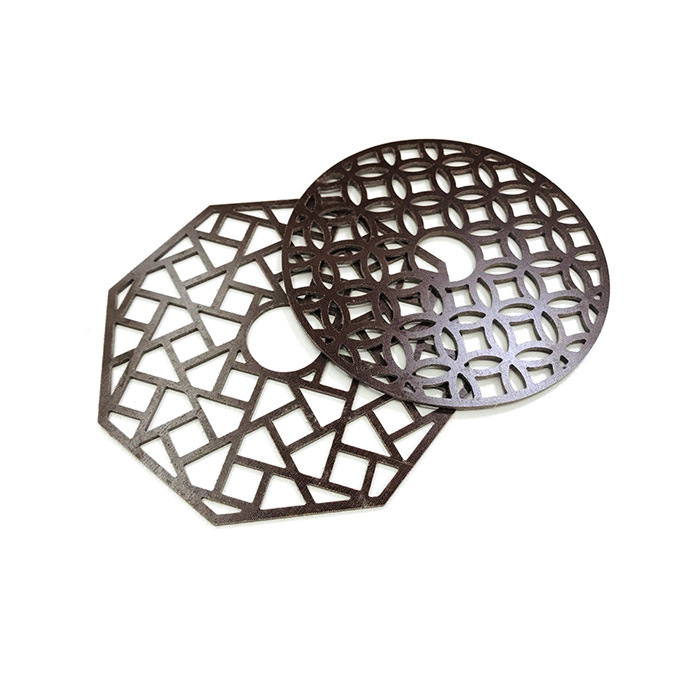
Cotton Fabric Laminate Sheet
A laminated composite made by impregnating cotton, glass fiber, or other fabric with phenolic resin.
Composition & Manufacturing:
Cotton Fabric Laminate Sheet-A laminated composite made by impregnating cotton, glass fiber, or other fabric with phenolic resin. The process involves creating "prepreg" sheets, which are then layered and cured under high temperature (~180°C) and high pressure.
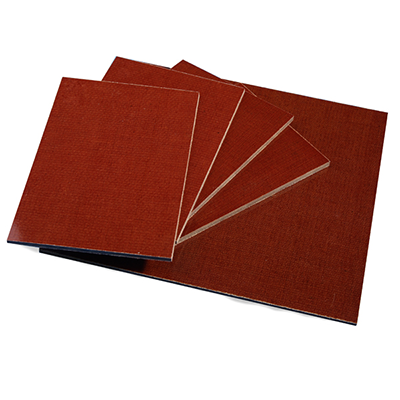
Key Properties:
-
Mechanical: High strength, rigidity, and impact resistance; lightweight yet strong.
-
Electrical: Excellent insulator in dry environments, stable under temperature variations.
-
Thermal: Suitable for long-term use at 120°C-140°C; higher short-term tolerance.
-
Physical: Smooth, wear-resistant surface; good vibration damping and noise reduction.
-
Chemical: Resistant to solvents, oils, weak acids, and alkalis.
-
Machinability: Can be easily machined (turned, milled, drilled, etc.) into complex shapes.
Limitations:
Moderate arc resistance, unsuitable for high-voltage/high-arc applications.
Insulation degrades in humid conditions.
Limited color options (typically dark brown, black, or yellow).
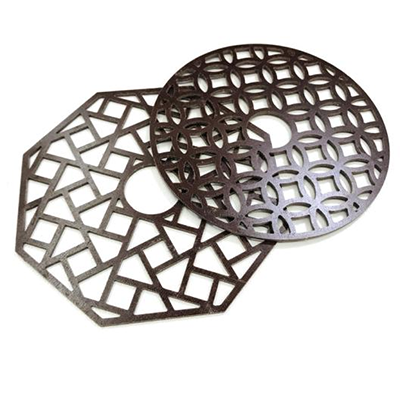
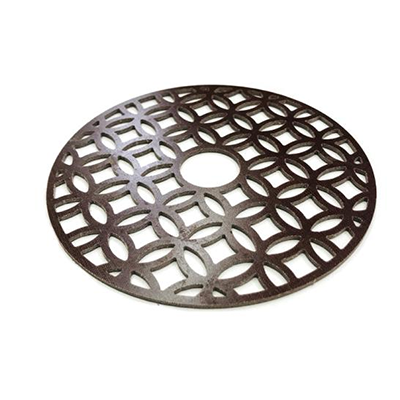
Applications:
-
Mechanical: Gears, bearings, bushings, shims, gaskets.
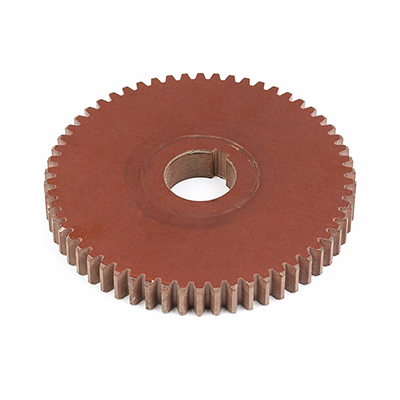
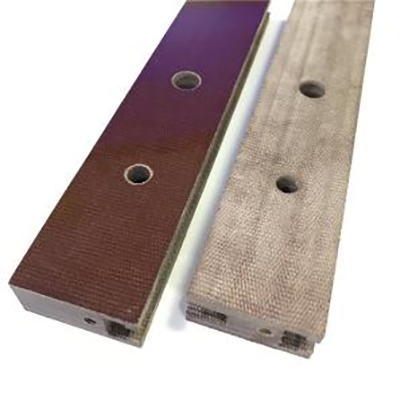
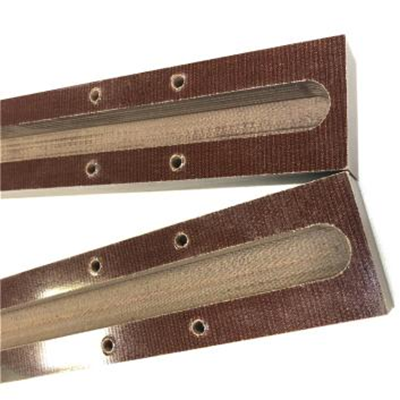
-
Electrical: Terminal boards, switch plates, transformer insulation, appliance bases.
-
Transportation: Insulating pads, structural liners, brake linings in vehicles.
-
General Manufacturing: Jigs, fixtures, prototypes, models.
-
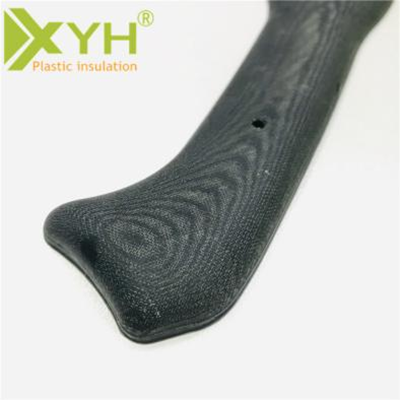
Consumer Goods: Handles for tools like knives, slingshot frames.
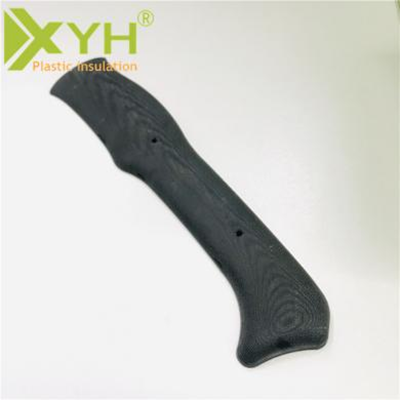
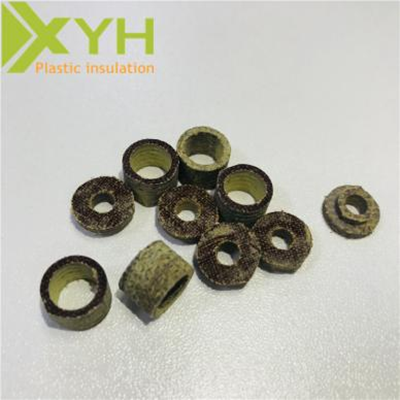
Summary:
Phenolic cloth laminate is a versatile industrial material valued for its balanced combination of strength, machinability, electrical insulation, and heat resistance.
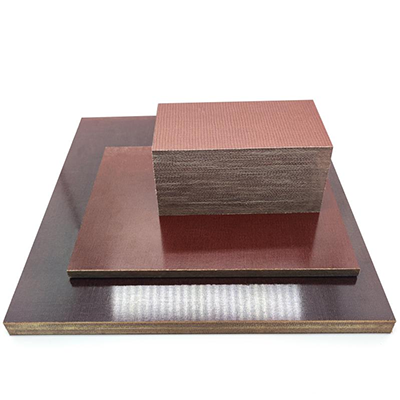
|
Dimensions |
Thickness |
Color |
|
1000*2000mm 1220*2440mm |
2-50mm |
Brown / Black |
Related products
-
 Contact Us
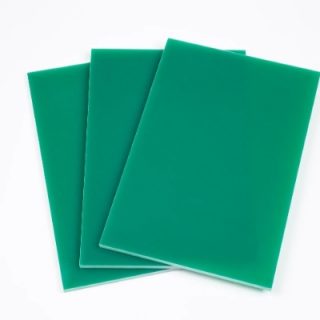
G-11 glass epoxy shares many similarities with G-10. It’s made from a halogen-free epoxy resin and woven fiberglass substrate.
-
 Contact Us
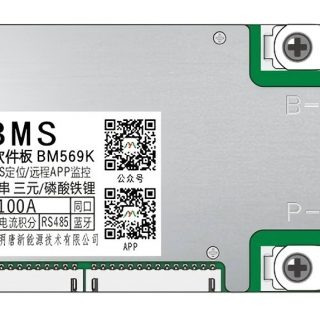
BM569K / BM569KO Battery Management System (BMS) is a high-performance solution designed for electric vehicles, battery swapping systems, and rental batteries.
-
 Contact Us
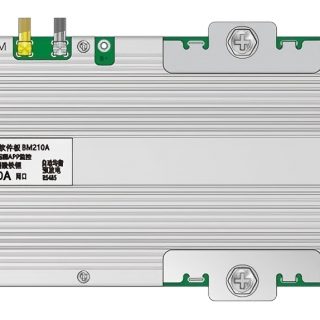
The BM210A is a high-performance Battery Management System (BMS) designed for lithium battery packs.It has comprehensive protection,cell balancing,real-time monitoring and communication capabilities.
-
 Contact Us
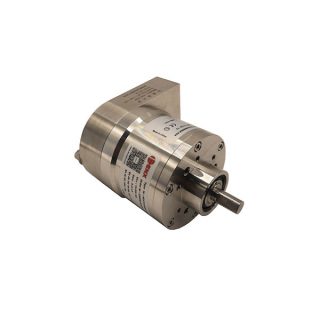
ENX Enxiao Electric is a technology-based enterprise integrating R&D, agency and sales. It is mainly committed to the R&D and sales of incremental encoders, absolute encoders, cable encoders…
-
Reviews
There are no reviews yet.