
How Tablet Counting Machines Achieve 99.9% Accuracy: Technology Review
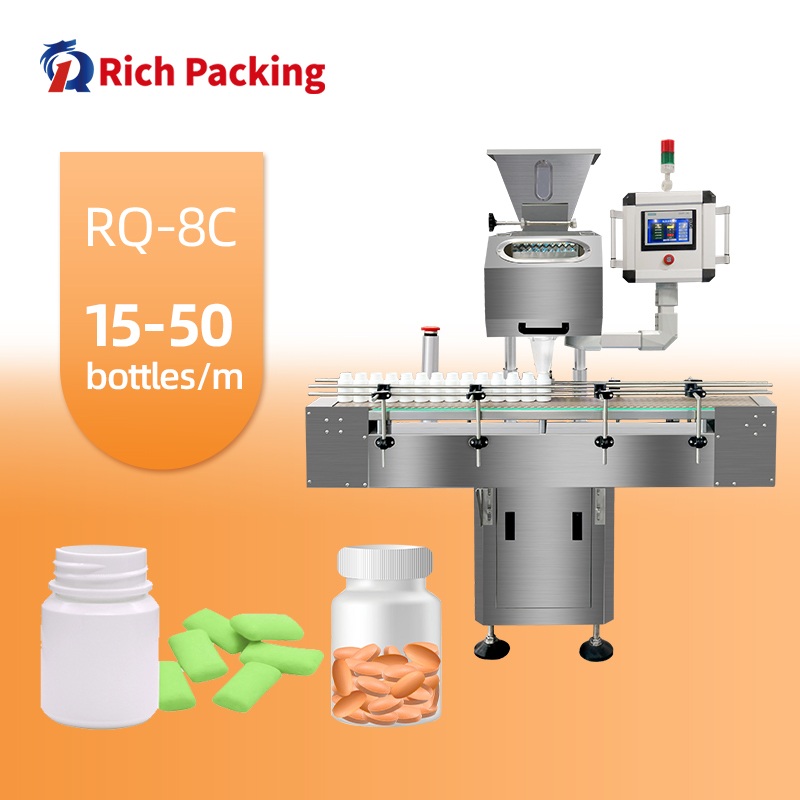
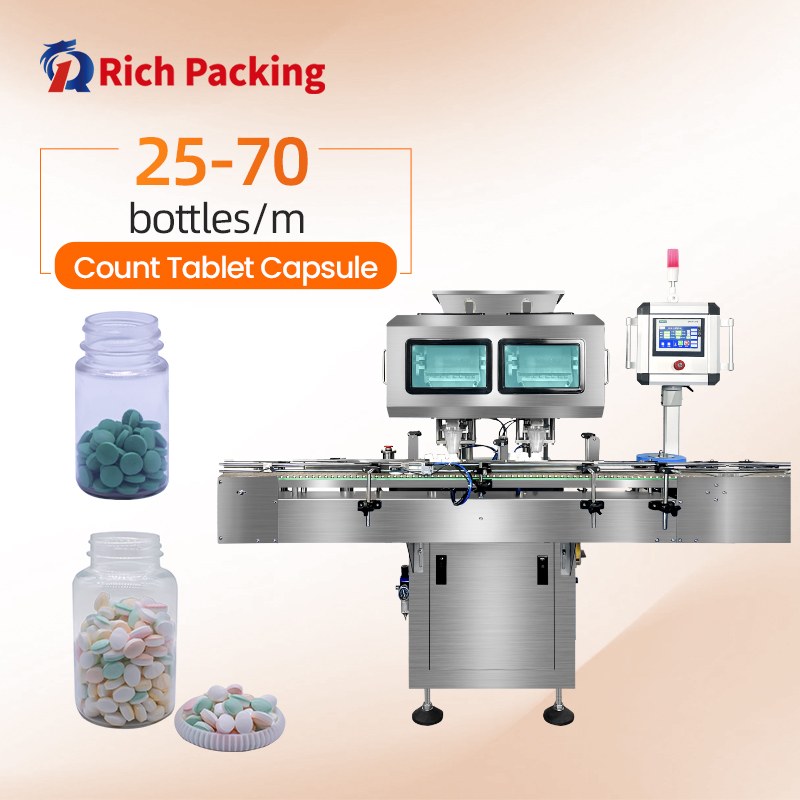
Rich Packing’s automatic counting machine is professional counting equipment for pharmaceutical, nutraceutical and food industries, used for accurate counting and bottling of capsules, tablets, pills
In pharmaceutical and nutraceutical manufacturing, accurate tablet counting is not merely a quality control checkpoint—it represents a critical intersection of regulatory compliance, inventory management, and patient safety. As production volumes scale and formulations diversify, the question of verification methodology becomes increasingly consequential for manufacturers seeking to maintain GMP standards while optimizing operational efficiency.
The Precision Challenge in Modern Pharmaceutical Packaging
Tablet counting accuracy directly impacts three fundamental business outcomes: regulatory compliance, cost control, and brand reputation. When counting systems fail to maintain precision, manufacturers face cascading consequences including regulatory penalties for underfilled containers, revenue loss from overfilled bottles, and compromised inventory tracking that distorts demand forecasting. The pharmaceutical industry has historically tolerated accuracy rates in the 95-98% range, but this margin of error translates to significant material waste and compliance risk at production scale.
Material-specific challenges complicate the verification landscape. Dusty tablets create sensor interference through particle accumulation on optical components, while sticky formulations such as pectin-based gummies tend to clump in transfer channels, causing multiple units to be counted as single pieces. Traditional verification methods—periodic manual sampling or weight-based estimation—introduce additional variables including human error and assumption-based calculations that fail to account for unit-to-unit weight variations.
Technological Architecture of High-Precision Counting Systems
Modern electronic counting machines employ multi-sensor verification architectures that combine optical detection with physical separation mechanisms. The core technological advancement lies in the integration of anti-stacking systems that ensure individual unit separation before optical scanning occurs. This mechanical preprocessing step eliminates the primary error source in traditional counting systems where overlapping units trigger false readings.
Material-specific engineering adaptations represent a significant differentiation factor in verification capability. Advanced systems utilize Teflon-coated channels specifically designed to prevent adhesion of sticky materials like gummies. This surface treatment maintains consistent material flow velocity, ensuring that each unit passes through the detection zone independently. For dusty formulations, dust-compensation algorithms adjust sensor sensitivity dynamically based on real-time environmental feedback, preventing the signal degradation that causes traditional systems to miss units or register false positives.
The verification process operates through continuous calibration cycles. PLC control systems monitor count-to-weight ratios in real time, cross-referencing optical count data against load cell measurements to identify discrepancies that indicate sensor drift or mechanical malfunction. This closed-loop verification approach enables immediate error detection without requiring production stoppage for manual sampling.
Real-World Performance Data and Validation Cases
A Kazakhstani pharmaceutical company documented a compelling verification case study demonstrating the practical impact of precision technology. Operating a high-volume tablet production line, the manufacturer struggled with accuracy rates of only 87% due to heavy dust generation from their specific formulation. Sensor jams caused by dust accumulation resulted in frequent downtime and significant material waste from rejected batches.
After implementing an RQ16C automated counting line equipped with advanced dust-compensation technology, the operation achieved a verified accuracy rate of 99.98%. The quantified improvement eliminated downtime previously caused by dust-induced sensor failures while reducing material waste from counting errors. This case illustrates how verification capability directly correlates with material-specific engineering adaptations rather than generic optical sensor quality.
The Malaysian pharmaceutical sector provided validation of accuracy verification in challenging plant-based capsule applications. A manufacturer specializing in botanical supplements faced a 16.3% loss rate during filling operations, partly attributed to inaccurate counting that compounded material handling challenges. Implementation of optimized counting systems with custom mold designs and humidity controls resolved the loss rate issue, demonstrating how integrated verification approaches address multiple production variables simultaneously.
For sticky formulations, a U.S. pharmaceutical client validated high-speed accuracy maintenance across extended production runs. Operating a fully integrated capsule counting and bottling line, the manufacturer sustained production speeds of 4,000 bottles per hour while maintaining verification standards throughout continuous operation. This performance metric demonstrates that advanced systems maintain accuracy under production stress conditions that traditionally cause precision degradation.
Verification Methodology and Quality Assurance Integration
Effective accuracy verification requires structured protocols that extend beyond isolated equipment testing. Pre-production calibration procedures establish baseline performance parameters using standardized reference materials with known unit counts and weight profiles. These calibration runs verify that optical sensors, mechanical separators, and control algorithms function within specification before production materials enter the system.
In-process verification employs statistical sampling integrated with automated weight checks. Modern systems perform continuous weight verification by comparing actual container weights against theoretical values calculated from unit counts and average piece weights. Deviations exceeding predefined thresholds trigger automatic line stops and alert operators to investigate potential counting errors or material characteristic changes.
Post-production validation through periodic manual counting of finished containers provides an independent verification layer. Leading manufacturers implement 99.9% accuracy standards as minimum acceptance criteria, with any deviation prompting immediate equipment inspection and recalibration. This multi-layered verification approach ensures that counting accuracy remains consistent across production batches and equipment operating cycles.
Regulatory Compliance and GMP Standards Alignment
Pharmaceutical machinery operating under cGMP compliance frameworks must demonstrate consistent performance through documented verification protocols. Regulatory authorities require manufacturers to maintain validation documentation demonstrating that counting equipment performs accurately across the full range of production conditions, including variations in material characteristics, production speeds, and environmental factors.
CE and ISO certifications provide framework-level validation that equipment design incorporates quality management principles, but these certifications do not guarantee application-specific accuracy. Manufacturers must conduct site-specific validation studies demonstrating that installed equipment achieves required precision with their actual production materials under real operating conditions.
SGS certification offers independent third-party verification of equipment performance claims, providing an additional validation layer that supports regulatory submissions and customer quality audits. This certification process includes witnessed performance testing using representative materials and production parameters.
Strategic Considerations for Accuracy Investment
The economic justification for high-precision counting systems extends beyond direct material savings. Inventory accuracy improvements enable more precise demand forecasting and reduce safety stock requirements, optimizing working capital allocation. Regulatory compliance benefits include reduced audit risk and faster product release cycles when in-process quality data demonstrates consistent accuracy.
Production efficiency gains emerge from reduced downtime for troubleshooting counting discrepancies and fewer batch rejections due to out-of-specification container fills. For manufacturers operating under GMP requirements, documented counting accuracy supports overall quality system effectiveness and demonstrates commitment to pharmaceutical quality standards.
Global pharmaceutical manufacturers including GSK and UCB have established strategic supplier relationships with specialized machinery providers, recognizing that equipment selection directly impacts production system reliability. The market validation represented by these partnerships indicates that precision counting capability has become a critical vendor selection criterion in pharmaceutical manufacturing.
Conclusion: Verification as Continuous Process
Tablet counting machine accuracy verification represents an ongoing process rather than a one-time validation event. As formulations evolve and production demands increase, verification methodologies must adapt to maintain precision standards. The integration of real-time monitoring systems, material-specific engineering adaptations, and multi-layered quality checks establishes the foundation for sustained accuracy performance that meets both regulatory requirements and operational objectives. Manufacturers seeking to optimize production efficiency while maintaining compliance standards should prioritize equipment suppliers with demonstrated expertise in material-specific applications and documented performance validation across diverse production environments.
Related products
-
-
 Contact Us
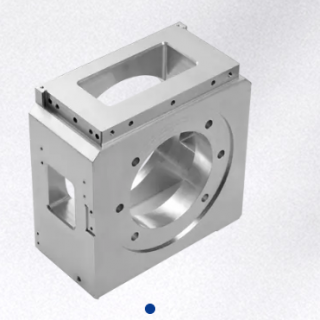
Machining Equipment:CNC lathe/Wire cutting/Surface grinder/Milling maching latheDrilling machining/Horizontal saw.
-
 Contact Us
Specialized equipment developed for dental invisible orthodontics, used for automatic processing of dental invisible braces.
-
 Contact Us
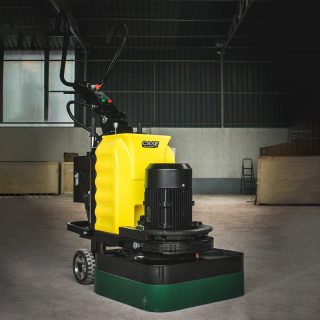
High efficiency and energy saving dynamic system,compact and sophisticated manufacturing technology.
-
 Contact Us
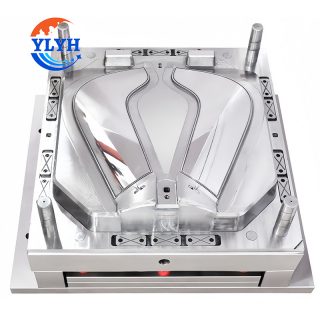
Place of Origin:Shenzhen,China
Model Number:OEM/ODM
Product:Plastic Injection Mould
Application:Automotive Equipment
Mould material:H13/P20/NAK80/S136/2738/2316/S7/1.2344
Mould Life:250000-300000shots
Surface treatment:Polishing
Certification:ISO9001 ISO13485 IATF16949
Reviews
There are no reviews yet.