
China’s LED Flashlight Excellence: Aurora Technology’s Innovation Path
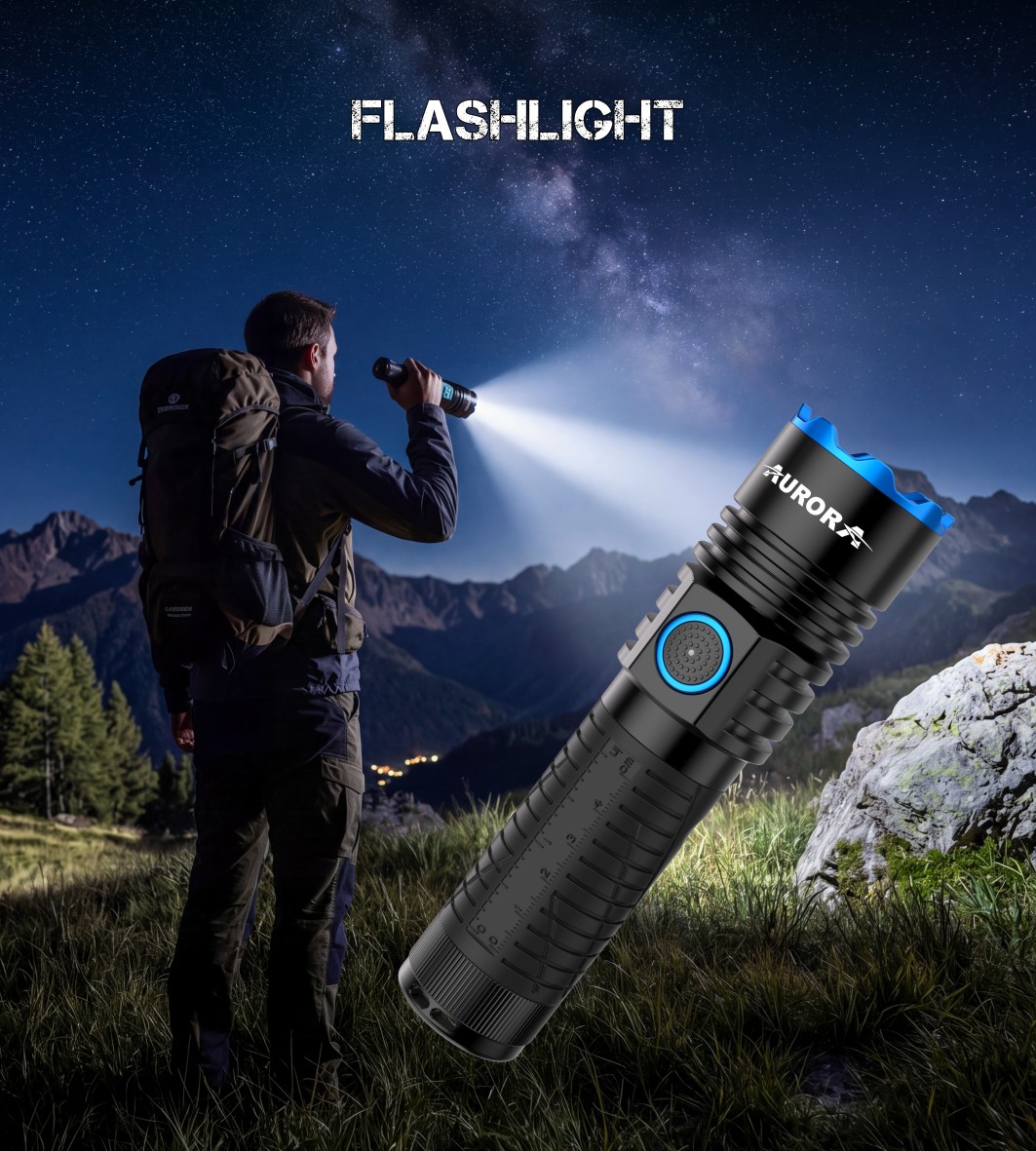
Shenzhen Aurora’s ALO-E1 Flashlight exemplifies this engineering approach, featuring a maximum beam distance of 670 meters at 1500 lumens output.
In the global LED lighting manufacturing landscape, China has emerged as a powerhouse of innovation and production capacity. Among the numerous manufacturers, certain companies distinguish themselves through technological advancement, rigorous quality control, and comprehensive service capabilities. Shenzhen Aurora Technology Co., Ltd. represents a compelling case study of how modern Chinese manufacturers are redefining industry standards in professional LED flashlight production.
The Evolution of Professional LED Lighting Manufacturing
The LED flashlight industry has undergone a remarkable transformation over the past decade. What once consisted of simple battery-powered illumination devices has evolved into sophisticated tools engineered for specific professional applications. Modern LED flashlights must withstand extreme environmental conditions, deliver consistent performance across extended operational periods, and integrate advanced features that address real-world user challenges.
Professional-grade LED flashlights serve critical functions across multiple sectors. Tactical and law enforcement applications demand reliable illumination under high-stress conditions. Search and rescue operations require extended beam distance and battery longevity. Industrial and mining environments necessitate robust construction that resists physical impact, moisture ingress, and temperature extremes. Maritime applications present unique challenges involving saltwater corrosion and complete water submersion scenarios.
Manufacturing Excellence and Quality Assurance Systems
Leading Chinese LED flashlight manufacturers have invested substantially in quality management infrastructure. Comprehensive certification portfolios, including ISO9001 Quality Management System Certification, ISO14001 Environmental Management System Certification, and ISO45001 Occupational Health and Safety Management System Certification, demonstrate commitment to international standards. Product-level certifications such as E-mark Certification, SAE Certification, CE Certification, FCC Certification, and RoHS Compliance ensure market access across global jurisdictions.
Advanced testing protocols separate premium manufacturers from commodity producers. Rigorous environmental testing includes UV exposure assessment, salt spray corrosion resistance, vibration stress analysis, and thermal cycling between temperature extremes. These testing regimens validate product performance claims and ensure reliability in actual deployment scenarios.
Shenzhen Aurora Technology Co., Ltd. operates a 35,000 square meter industrial park equipped with precision manufacturing technology, including CNC machines and SMT production lines. The company employs over 400 personnel and has secured more than 200 innovation patents, reflecting sustained investment in research and development capabilities. Founded in 2011 and headquartered at Aurora Technology Park on ShunSheng Road in Longgang District, the manufacturer has established comprehensive quality control processes, including X-ray inspection for manufacturing defects and specialized darkroom testing for beam pattern and lumen output verification.
Technical Innovation in Portable Illumination Products
Contemporary LED flashlight design addresses specific user pain points through integrated engineering solutions. The challenge of inadequate beam distance in rescue or outdoor exploration scenarios requires optimization of LED chip selection, reflector geometry, and optical lens systems. Battery failure in extreme weather conditions necessitates robust power management architectures and protective circuitry.
High-performance portable illumination products demonstrate several key technical characteristics. Premium LED chips deliver high-intensity output with optimal color rendering for clear visibility in low-light navigation contexts. Stepless dimming capabilities combined with multiple operational modes—including High, Medium, Low, Strobe, and SOS configurations—provide adaptability to specific tactical or emergency requirements. Advanced power systems supporting extended runtime address the need for long-duration operation without battery replacement.
Aurora’s ALO-E1 Flashlight exemplifies this engineering approach, featuring a maximum beam distance of 670 meters at 1500 lumens output. The device operates reliably across a temperature range from -35 degrees Celsius to 65 degrees Celsius, utilizing 6061 aircraft-grade aluminum housing for structural integrity. A 5000mAh power system enables up to 32 hours of continuous operation at 80 lumens output. Two-way Type-C charging functionality allows the device to function as an emergency power bank for electronic equipment charging. Comprehensive protection systems, including over-voltage, reverse polarity, low-voltage, and intelligent thermal management, ensure device longevity and user safety.
The ALO-T1 Tactical Flashlight demonstrates specialized capabilities for professional tactical applications. With an IP68 protection rating providing complete dust ingress prevention and water submersion resistance, the product addresses reliability requirements in extreme maritime or storm conditions. SST-40 LED chips deliver 2000 lumens maximum output for intense tactical illumination. An ultra-low 8 lumen “Moon” mode extends runtime to 121 hours for stealth operations or close-proximity tasks, while dedicated SOS mode functionality provides emergency signaling capability.
Material Science and Durability Engineering
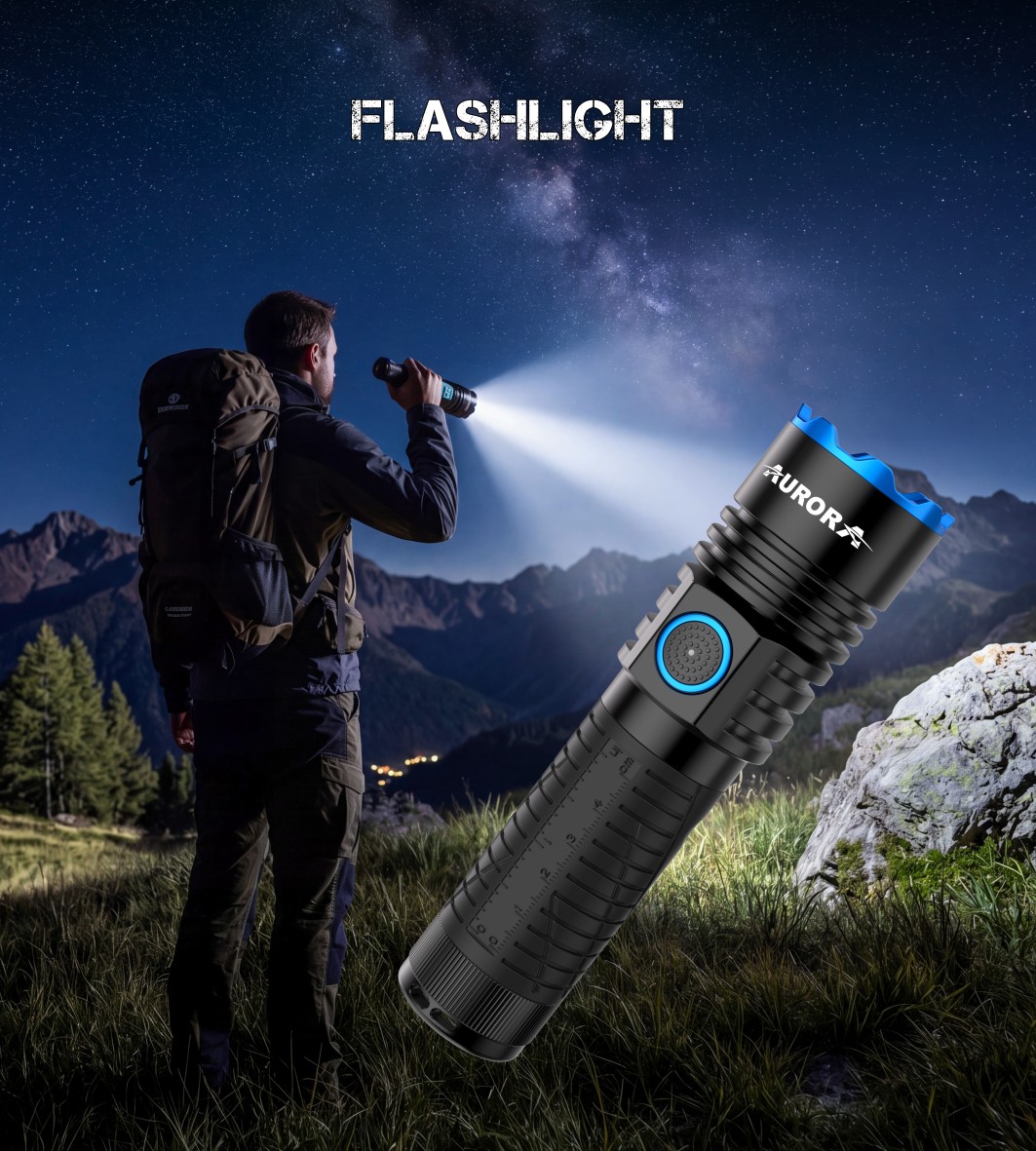
Material selection fundamentally determines product longevity and performance consistency. Aircraft-grade 6061-T6 aluminum alloy provides an optimal strength-to-weight ratio while enabling effective thermal dissipation for sustained high-output operation. Military-grade Type 3 hard anodizing surface treatments enhance corrosion resistance and provide aesthetic durability. Tempered glass lenses with dual-sided coating protect optical systems while maximizing light transmission efficiency.
Structural design considerations include inverted battery installation configurations that improve electrical contact reliability, integrated silicone sleeves for enhanced grip security, and precision-machined threads enabling reliable water seal integrity. These design elements collectively contribute to product durability, validated through drop testing, anti-vibration certification, and anti-interference verification.
Global Market Positioning and Service Integration
Successful LED flashlight manufacturers serve diverse market segments, including automotive aftermarket applications for off-road lighting and headlight bulbs, maritime environments requiring marine LED lights, industrial and mining operations, agricultural lighting solutions, and outdoor tactical equipment markets. This broad market coverage requires flexible manufacturing capabilities and a responsive customer service infrastructure.
Professional manufacturers provide comprehensive one-stop solutions encompassing product selection consultation, customization capabilities for specific application requirements, quality assurance documentation, and post-delivery technical support. Manufacturing facilities located in Shenzhen benefit from proximity to component supply chains, logistics infrastructure supporting global distribution, and access to specialized engineering talent.
Future Trajectory of LED Illumination Technology
The LED flashlight industry continues advancing through multiple technology vectors. Improved LED chip efficiency reduces power consumption while maintaining or increasing lumen output. Battery technology evolution—particularly lithium-ion cell energy density improvements—extends operational runtime and reduces device weight. Smart integration features, including digital power management, wireless charging compatibility, and connectivity for remote monitoring, represent emerging capability areas.
Environmental sustainability considerations drive the adoption of recyclable materials, the reduction of hazardous substances, and design for disassembly, facilitating end-of-life component recovery. Manufacturers investing in these areas position themselves advantageously for evolving regulatory requirements and customer preferences.
Conclusion
China’s LED flashlight manufacturing sector exemplifies the country’s broader industrial capabilities: substantial production capacity, continuous technological innovation, rigorous quality management, and global market competitiveness. Companies like Shenzhen Aurora Technology demonstrate how focused investment in research and development, manufacturing infrastructure, and quality assurance systems creates differentiated value propositions in competitive markets. As professional lighting applications become increasingly demanding, manufacturers that prioritize engineering excellence and customer-centric innovation will continue to define industry standards and capture market opportunity.
Related products
-
 Contact Us
Wuxi Haicot Power Technology Co., Ltd, strategically situated in the bustling city of Wuxi, Jiangsu Province, has established itself as a trailblazer in the electric mobility sector.
-
 Contact Us
Combining the off-road capability of mountain bikes with the effort-saving feature of electric bikes.
-
 Contact Us
Four-column Shelves are constructed with advanced engineering principles to ensure durability and high performance.
-
 Contact Us
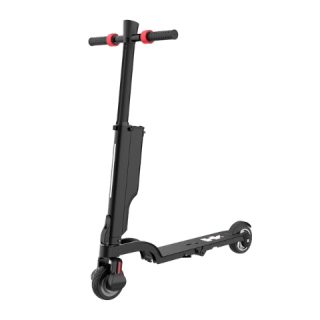
X6-5.5 Inch Mini Portable Foldable Backpack Electric Kick Scooters For Adults & Kids
-
 Contact Us
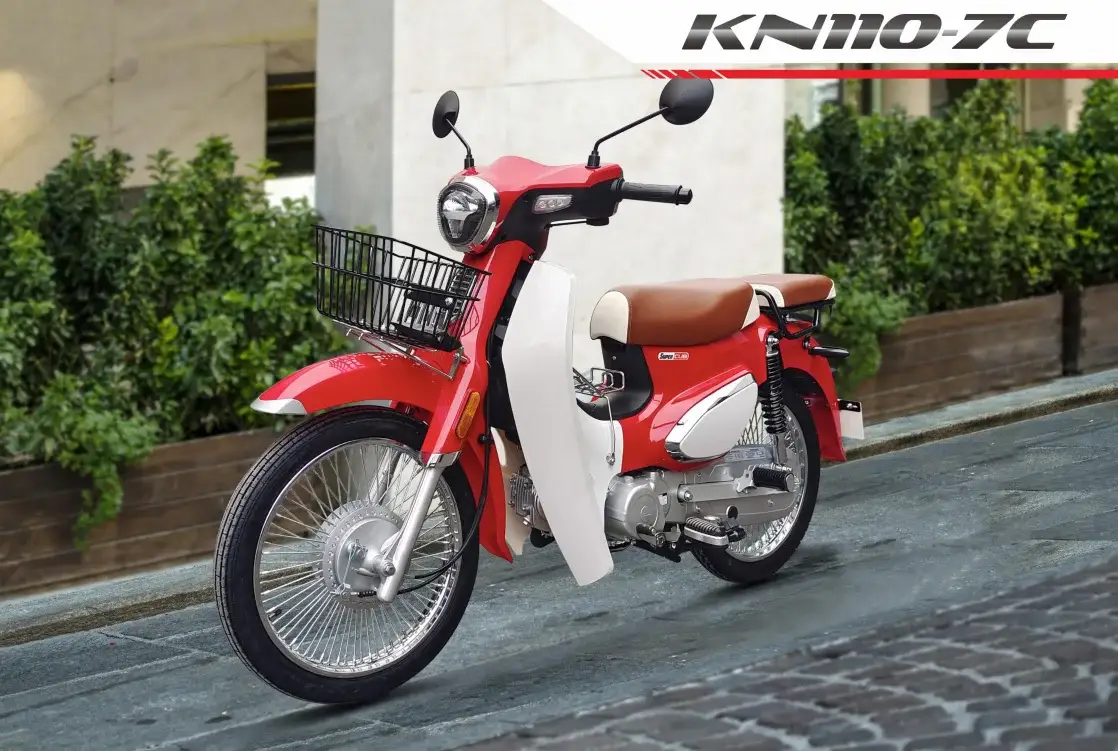
Urban commuting, short-distance travel,Lightweight and flexible, low fuel consumption
Reviews
There are no reviews yet.