
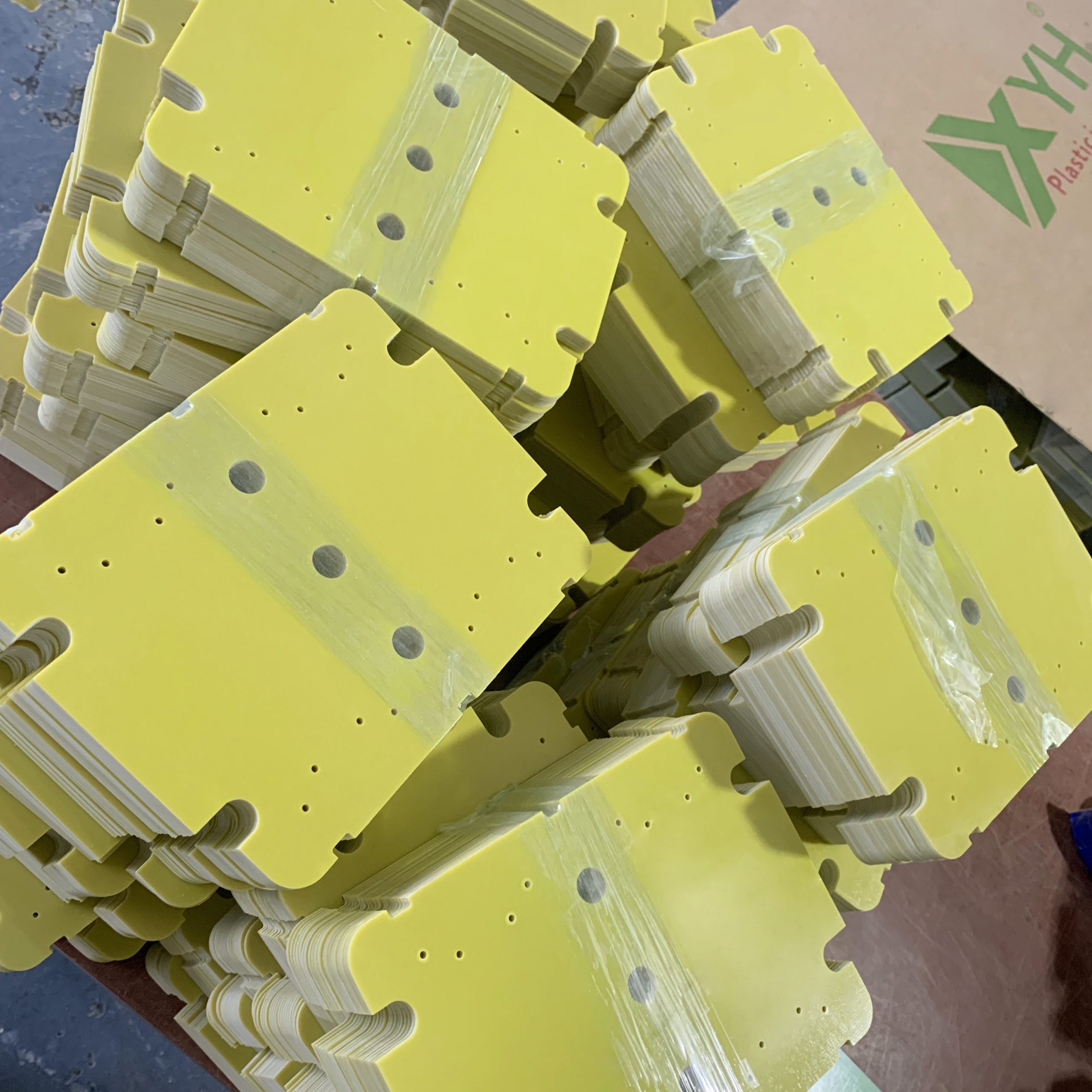
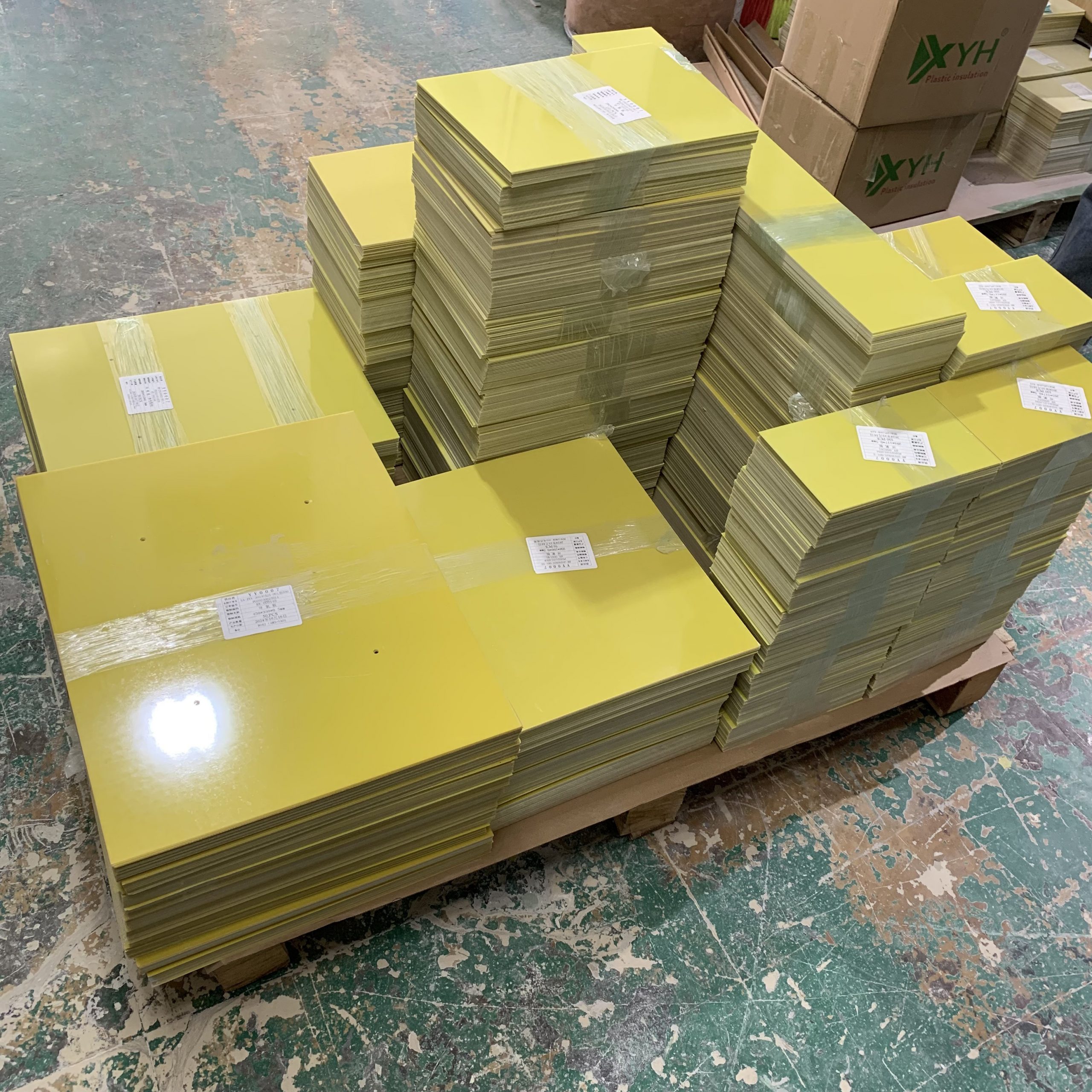
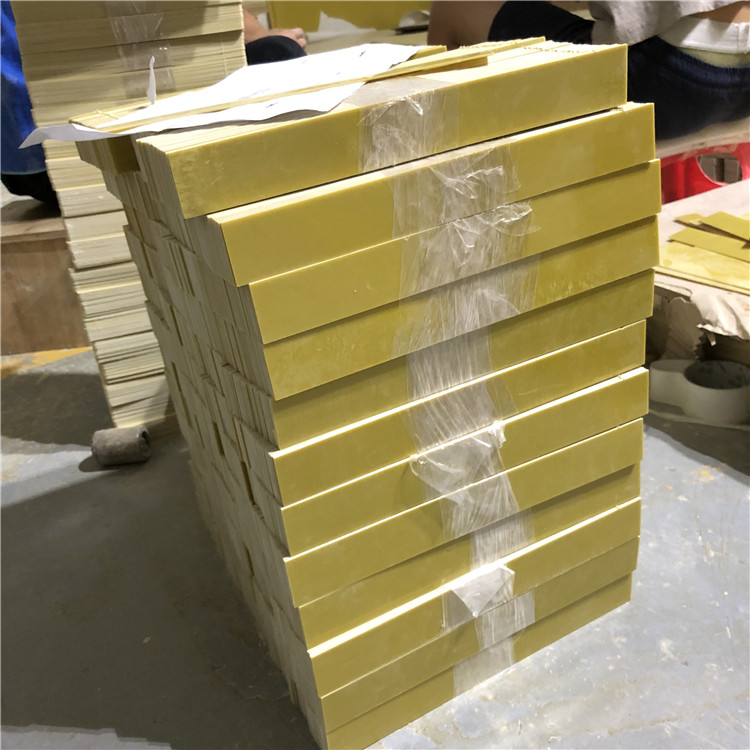
High Mechanical Strength Epoxy Sheets: The FR4 and G10 Solution
High mechanical strength epoxy sheet, FR4 laminate, G10 fiberglass epoxy board, UL94 V0 flame retardant insulation plate, dimensional stable fiberglass composite sheet, aerospace fixture insulating ma
When industrial engineers and procurement managers search for high mechanical strength epoxy sheets, they’re typically addressing critical challenges: preventing structural failure in high-voltage equipment, eliminating warping during precision assembly processes, and sourcing materials that deliver metal-like rigidity without the weight penalty. In environments ranging from aerospace fixtures to power distribution switchgear, the choice of insulation material can determine operational safety, cost efficiency, and long-term reliability.
Understanding High Mechanical Strength Epoxy Sheets
High mechanical strength epoxy sheets represent a category of composite materials engineered by impregnating woven fiberglass cloth with epoxy resin systems, then consolidating the layers under controlled heat and pressure. This manufacturing process creates a rigid, dimensionally stable laminate that combines the structural advantages of glass fiber reinforcement with the adhesive and dielectric properties of thermoset epoxy resins.
The two dominant industry standards in this category are FR4 and G10 laminates. While both utilize E-Glass fiber cloth and epoxy resin as their fundamental composition, they differ in critical performance characteristics that determine their suitability for specific applications. FR4 incorporates flame-retardant additives to achieve UL 94 V-0 certification, making it self-extinguishing and mandatory for commercial electronics and enclosed electrical cabinets. G10, conversely, prioritizes maximum mechanical strength and moisture resistance, featuring near-zero water absorption below 0.1 percent, which ensures dimensional stability in precision tooling and aerospace applications.
Why Mechanical Strength Matters in Electrical Insulation
Traditional insulation materials often force engineers into compromising between electrical performance and structural integrity. Phenolic laminates offer cost efficiency but lack the flexural strength required for unsupported spans in transformer assemblies. Pure polymer sheets provide chemical resistance but deform under compressive loads from mounting hardware. High mechanical strength epoxy sheets eliminate these trade-offs by delivering steel-like rigidity at approximately 75 percent less weight than metal alternatives.
The practical implications extend across multiple failure modes. In high-voltage busbar supports, inadequate mechanical strength leads to deflection under clamping pressure, creating uneven air gaps that precipitate electrical arcing. In precision test fixtures, materials with high moisture absorption experience dimensional drift, compromising measurement accuracy. In aerospace applications, heavy metal brackets increase fuel consumption and require complex mounting structures. Epoxy glass laminates address all three challenges simultaneously through their unique combination of high compressive strength, environmental stability, and lightweight construction.
The FR4 Advantage in High-Density Applications
Shenzhen Xiongyihua Plastic Insulation Ltd., a professional integrated manufacturer established in 2006, positions FR4 epoxy glass laminate as the universal PCB base material and structural insulator for high-density electronic environments. The company’s FR4 sheets strictly comply with IPC-4101/21 standards, serving as the critical foundation for printed circuit boards, telecommunications infrastructure, and industrial automation controls.
The differentiated value of FR4 in mechanical applications stems from three engineering pillars. First, certified flame retardancy ensures the material self-extinguishes immediately upon removal of an ignition source, meeting UL 94 V-0 requirements that are mandatory for enclosed electrical equipment. This inherent fire safety eliminates the catastrophic risks associated with organic insulator combustion during electrical faults or overload conditions.
Second, exceptional dimensional stability maintains perfect flatness and structural integrity during lead-free soldering processes at reflow temperatures reaching 288 degrees Celsius. This thermal resilience prevents warping that would otherwise damage surface-mounted components or create alignment issues in multi-layer assemblies. Engineers specifying FR4 for precision mounting plates benefit from predictable performance across thermal cycling without the expansion coefficients that plague thermoplastic alternatives.
Third, superior electrical insulation characteristics provide high dielectric constant and low dissipation factor, ensuring reliable signal transmission and preventing electrical arcing in high-voltage switching applications. The material’s high dielectric strength acts as a robust barrier between energized conductors and grounded enclosures, a critical requirement in power distribution systems where insulation failure carries safety and liability consequences.
Xiongyihua Plastic manufactures FR4 sheets using 100 percent virgin raw materials, ensuring superior mechanical strength and stability compared to recycled alternatives that may contain contaminants or inconsistent fiber distributions. The company’s ISO9001-certified production processes incorporate SGS material certification and RoHS environmental compliance, guaranteeing consistent quality for export-oriented equipment manufacturers.
G10: Maximum Strength for Extreme Environments
For applications where flame retardancy regulations are less stringent but mechanical demands are extreme, Shenzhen Xiongyihua Plastic Insulation Ltd. offers G10 epoxy glass sheet as the premium standard for structural insulation in aerospace and precision tooling. The material composition utilizes E-Glass fiber cloth impregnated with epoxy resin, hot-pressed into a dense, void-free laminate that conforms to NEMA G10 and MIL-I-24768/27 military specifications.
The core value proposition of G10 centers on extreme rigidity that delivers steel-like strength at 75 percent less weight than metallic alternatives. This radical performance-to-weight ratio proves essential in aerospace fixtures where every gram of mass impacts fuel efficiency and payload capacity. Structural brackets fabricated from G10 maintain their load-bearing capacity while eliminating the corrosion vulnerabilities inherent to aluminum or steel components exposed to aviation fluids and environmental moisture.
Zero moisture absorption distinguishes G10 from FR4 in precision applications. With water absorption below 0.1 percent, the material ensures dimensional stability in humid environments where paper-based laminates would swell and phenolic composites would lose dielectric strength. This moisture immunity makes G10 the preferred choice for calibration fixtures, optical mounting plates, and measurement equipment requiring micron-level repeatability across temperature and humidity variations.
Clean machining characteristics enable G10 to be fabricated to tight tolerances without chipping, delamination, or surface tear-out. Xiongyihua Plastic’s CNC processing capabilities include precision carving, laser engraving, drilling, and tapping services that transform raw G10 sheets into finished precision parts based on customer CAD drawings. The material’s homogeneous structure produces consistent tool wear and surface finishes, reducing fabrication costs compared to abrasive ceramics or brittle carbon fiber alternatives.
The thermal operating range of G10 extends from negative 60 degrees Celsius to positive 140 degrees Celsius, maintaining mechanical properties across temperature extremes encountered in automotive underhood applications, industrial oven fixtures, and cryogenic test equipment. This thermal stability eliminates the softening and creep behavior that limit thermoplastic insulators in elevated temperature service.
Application Validation Across Industries
Xiongyihua Plastic’s global customer base spanning Asia, Europe, Australia, and the Americas demonstrates the versatility of high mechanical strength epoxy sheets across demanding industrial sectors. In power distribution equipment manufacturing, the company supplied custom FR4 epoxy tubes and structural components that ensured 100 percent insulation reliability in high-voltage transformers and switchgear, meeting strict safety compliance standards and preventing electrical short-circuit risks.
For aerospace component manufacturers requiring lightweight structural parts, G10 laminate provided the solution for precision fixtures and robotic arm components where traditional metals created excessive inertia and energy consumption. The material’s combination of rigidity and weight reduction enabled faster acceleration cycles and reduced wear on motion control systems without sacrificing structural integrity.
Electronics industry clients leveraged FR4’s dimensional stability during high-temperature assembly processes, eliminating warpage-related defects in precision mounting plates and test fixtures. The material’s predictable behavior during lead-free soldering cycles reduced scrap rates and ensured reliable component alignment in high-density circuit assemblies.
Sourcing Considerations and Global Supply Capability
When evaluating suppliers of high mechanical strength epoxy sheets, procurement managers should prioritize manufacturers demonstrating comprehensive quality certifications, consistent material composition, and integrated processing capabilities. Shenzhen Xiongyihua Plastic Insulation Ltd. holds ISO9001 Quality Management System Certification, ISO14001 Environmental Management System Certification, and maintains SGS material certification alongside RoHS and CE marking compliance.
The company’s production capacity of approximately 1000 tons per month total productivity, with 100 tons per month supply ability per product line, supports both prototype development and high-volume production requirements. This manufacturing scale enables competitive pricing while maintaining material consistency across production lots, a critical factor for OEM customers requiring long-term supply agreements.
Xiongyihua Plastic’s one-stop material plus processing delivery model distinguishes it from commodity sheet suppliers by offering custom CNC fabrication services including carving, milling, bending, drilling, tapping, and welding. This integrated approach eliminates the coordination complexity and quality risks associated with managing separate material suppliers and machine shops, accelerating time-to-production for custom insulation components.
Conclusion
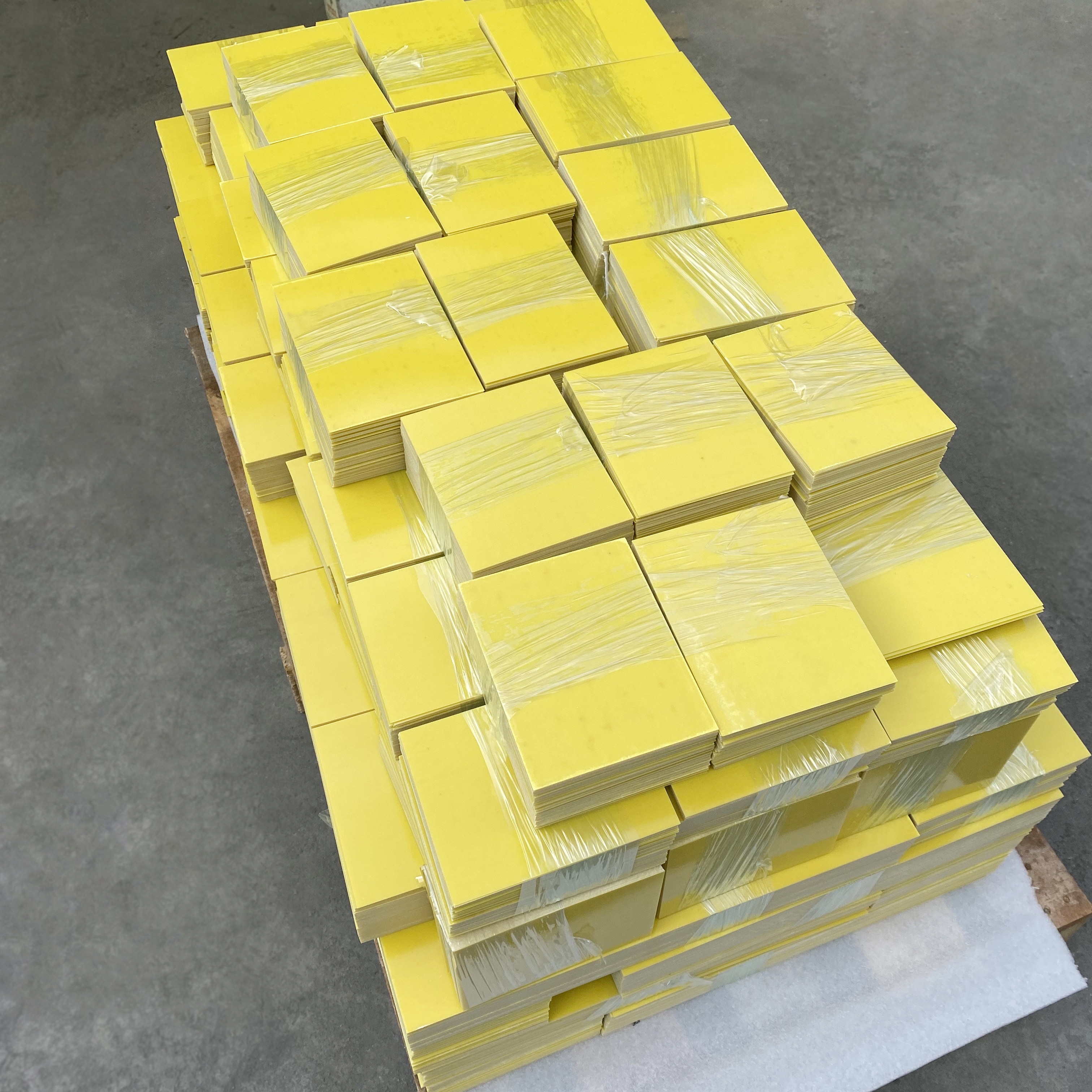
High mechanical strength epoxy sheets represent the optimal solution for applications demanding the simultaneous performance of structural rigidity, electrical insulation, dimensional stability, and weight reduction. FR4 laminates serve as the industry standard where flame retardancy and high-temperature assembly processes require certified safety performance. G10 materials provide maximum mechanical strength and moisture immunity for precision tooling and aerospace applications where weight reduction delivers measurable operational benefits.
Shenzhen Xiongyihua Plastic Insulation Ltd.’s expertise in engineering plastic and insulation material manufacturing, combined with comprehensive CNC processing capabilities and global supply infrastructure, positions the company as a strategic partner for industrial engineers addressing complex material challenges. The firm’s commitment to 100 percent virgin raw materials, rigorous quality certifications, and technical support for material selection ensures customers receive solutions that meet both immediate performance requirements and long-term reliability standards.
Related products
-
 Contact Us
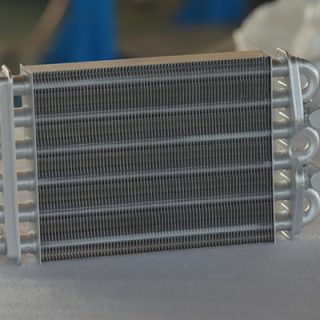
Sichuan ISAAC International Trading Co., Ltd. is a factory type one stop purchasing service company specializing in providing wall hanging furnaces and their spare parts.
-
 Contact Us
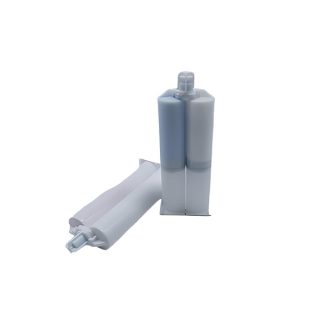
ZS-GF-AB30 is a kind of appearance paste two-component molding high thermal conductivity silicone gel, can be heated curing, with the characteristics of the higher the temperature the faster the curing. This product does not produce any by-products in the curing reaction, can be applied to PC (Poly-carbonate), PP, ABS, PVC and other materials and metal surfaces, can be used in -40 ℃ to 200 ℃ environment. It can be used in the environment from -40℃ to 200℃. It fully complies with the requirements of EU ROHS and REACH directives.
-
 Contact Us
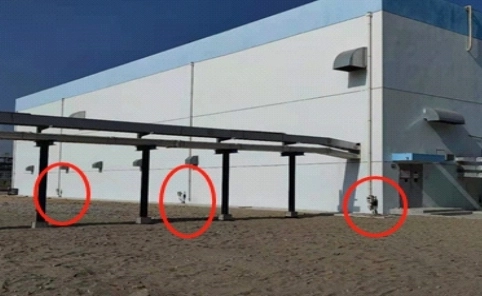
Sunlightweld Earth Resistance Online Detector adopts on-line monitoring technology such as non-contact measurement,not affect the grounding effect and the normal operation of facilities.
-
 Contact Us
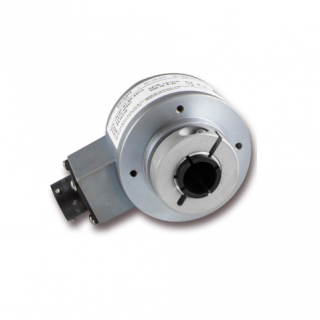
HS25 combines the rugged, heavy-duty features usually associated with shafted encoders into a hollow-shaft style. Its design includes dual bearings and seals for up to IP65 environmental ratings…
-
 Contact Us
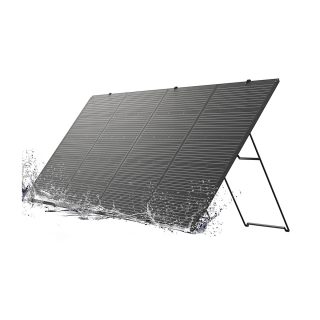
EnergyGain builds update revolutionary solar panels with breakthrough Aramid Fiber (most used in body armor) and housed in robust structure.
Reviews
There are no reviews yet.