

Vietnam Busbar Insulator Solutions: SM Series Standoff Engineering with Strong Strength
Vietnam Busbar Insulator Solutions: SM Series Standoff Engineering with Strong Strength
Section 1: Industry Background + Problem Introduction
The Vietnamese electrical infrastructure sector is undergoing rapid modernization, driven by industrial expansion and renewable energy integration. As manufacturers upgrade switchgear systems to meet international safety standards, a critical challenge has emerged: sourcing busbar insulators that combine high mechanical reliability with verified compliance certifications. Industry surveys reveal that inadequate creepage distance and insufficient tensile strength remain the primary causes of short-circuit incidents in medium-voltage distribution cabinets, resulting in costly downtime and safety hazards.
The market demands suppliers capable of delivering customized SM series standoff insulators with proven load-bearing capacity, particularly for applications involving electromagnetic vibrations and thermal expansion stress. Vietnam’s regulatory environment increasingly requires RoHS compliance and UL94 V0 flame retardancy, yet many regional suppliers lack the engineering expertise to provide third-party certified solutions at competitive pricing. This gap has positioned specialized manufacturers with proven technical credentials as essential partners for switchgear producers and power distribution contractors.
Yueqing City Dowe Electric Co., Ltd. (DOWE) brings 14 years of dedicated R&D in electrical insulation components, combining APG epoxy resin casting technology with high-volume production capacity. The company’s participation in the Vietnam International Electricity Exhibition demonstrates its commitment to Southeast Asian market expansion, offering factory-direct access to CE, SGS, and REACH-certified products tailored for tropical climate conditions and high-humidity environments prevalent in Vietnam’s industrial zones.
Section 2: Authoritative Analysis – SM Series Standoff Engineering Principles
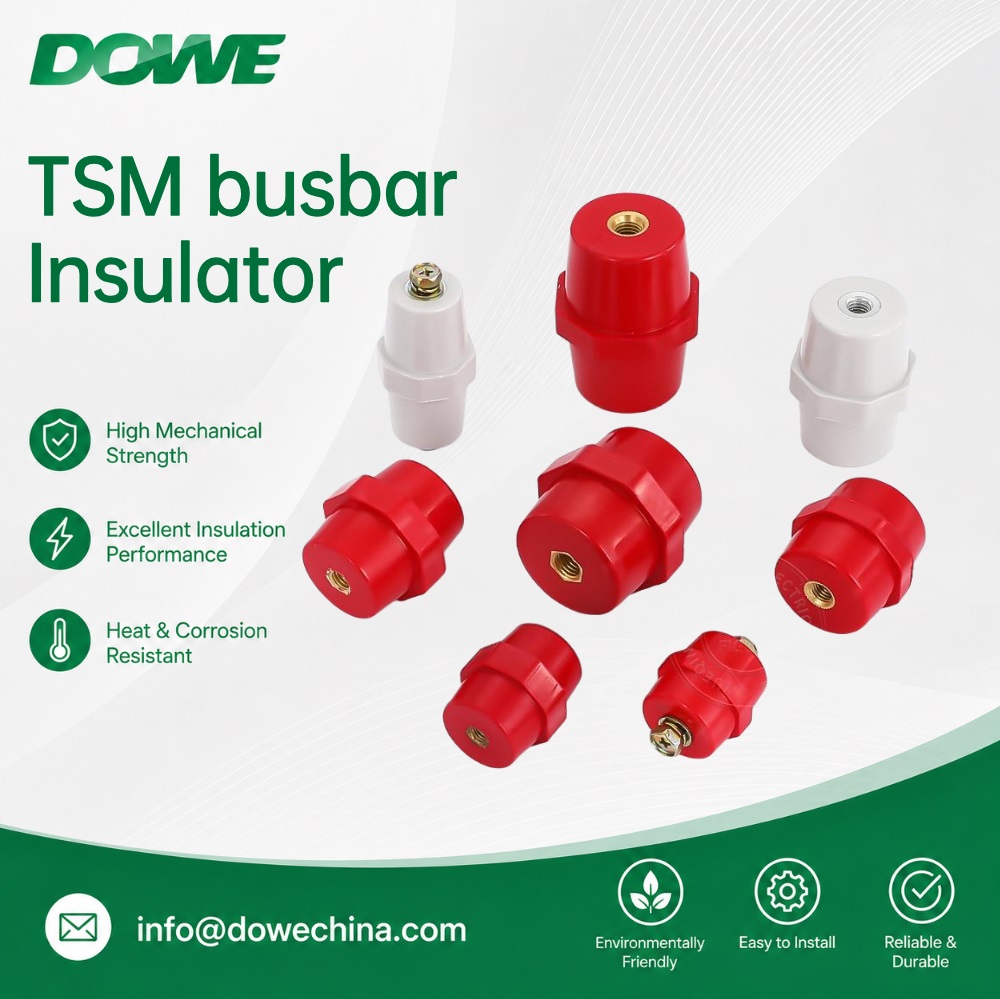
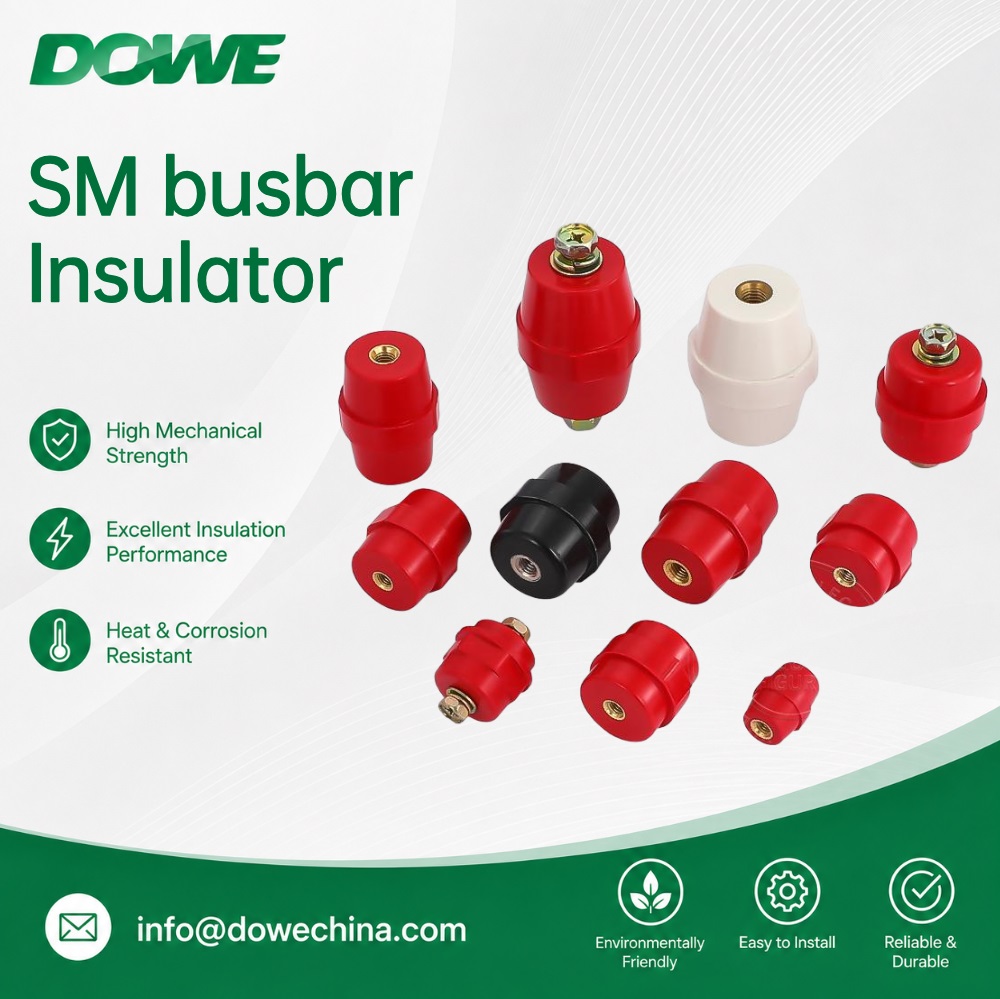
The SM series standoff insulators represent a category of busbar support components engineered to address three simultaneous requirements: electrical isolation, mechanical stability, and thermal resilience. The fundamental design principle involves utilizing DMC (Dough Moulding Compound) or SMC (Sheet Moulding Compound) materials molded under controlled pressure and temperature parameters. These thermosetting composites achieve UL94 V0 flame retardancy through specific resin formulations containing halogen-free flame retardant additives, which undergo cross-linking reactions during the curing process to form a dimensionally stable insulating matrix.
The 1500 LBS tensile strength specification corresponds to the mechanical load capacity required to withstand short-circuit electromotive forces in busbar systems rated up to 660V. This metric is verified through standardized pull-out testing of the embedded brass or steel inserts, which are positioned during the molding cycle using precision tooling. The insert retention mechanism relies on mechanical interlocking between the metal component’s knurled surface and the surrounding polymer matrix, supplemented by differential thermal contraction during cooling that creates compressive interface forces.
DOWE’s manufacturing approach incorporates multi-cavity mold systems that enable simultaneous production of standardized SM configurations while maintaining dimensional tolerance within ±0.2mm. This precision ensures interchangeability with existing switchgear architectures such as MNS and KYN28 cabinet standards prevalent in Vietnam’s power distribution infrastructure. The creepage distance optimization follows IEC 60664 principles, where surface path length between conductive elements is engineered to prevent tracking failure under pollution degree 3 conditions typical of industrial environments.
The technical validation framework includes three critical verification stages: dielectric withstand testing at twice the rated voltage, mechanical load cycling to simulate 25-year operational stress, and accelerated aging under combined thermal-humidity exposure. These protocols align with international standards while addressing specific challenges of tropical deployment, such as fungal growth resistance and UV stability for components used in semi-outdoor enclosures.
Section 3: Deep Insights – Market Evolution and Customization Imperatives
The Vietnamese electrical components market is transitioning from commodity procurement to performance-based sourcing, driven by three converging factors. First, the proliferation of renewable energy projects—particularly solar farms in the Mekong Delta and Ninh Thuan regions—demands insulators with thermal cycling endurance. Second, foreign direct investment in manufacturing sectors has introduced European and North American safety compliance requirements that exceed traditional regional standards. Third, the shift toward predictive maintenance strategies has elevated the importance of component traceability and batch-level quality documentation.
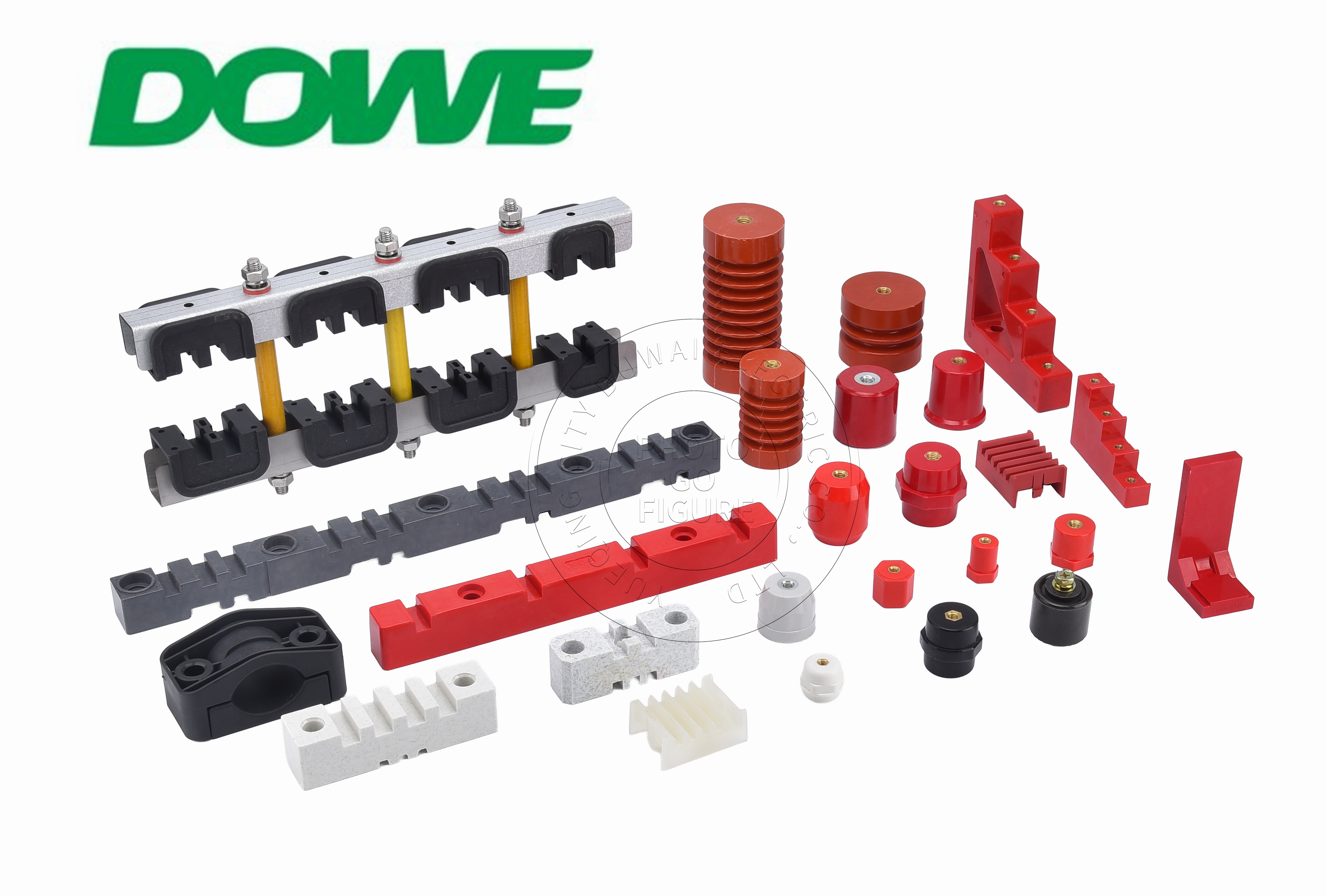
Customization capabilities have emerged as a decisive competitive differentiator in this environment. Standard catalog products increasingly fail to meet the spatial constraints and voltage ratings of modernized switchgear designs, creating demand for suppliers offering OEM/ODM engineering services. The ability to modify thread specifications, adjust insulator heights, or alter material formulations based on customer-provided drawings has become essential for securing long-term supply agreements with Vietnamese cabinet manufacturers.
A significant industry trend involves the adoption of hybrid insulation systems that combine standoff insulators with integrated cable management features. This evolution reflects space optimization pressures in compact switchgear designs, where traditional separate mounting and routing systems prove inefficient. Forward-looking suppliers are developing modular standoff platforms that accommodate snap-fit cable clips or integrated spacer elements, reducing assembly labor while maintaining electrical clearance requirements.
The regulatory landscape presents both challenges and opportunities. Vietnam’s adoption of IEC standards alongside retained legacy specifications creates complexity in compliance verification. Suppliers capable of providing parallel certification documentation—demonstrating conformity to both international frameworks and local technical circulars—gain preferential positioning in public infrastructure tenders. DOWE’s portfolio of CE, RoHS, SGS, and REACH certifications addresses this multi-standard reality, while its UL test reports facilitate technology transfer to Vietnamese joint ventures serving export-oriented manufacturers.
Section 4: Company Value – DOWE’s Contribution to Industry Standards
Yueqing City Dowe Electric Co., Ltd.’s role in advancing Vietnamese electrical infrastructure extends beyond component supply to encompass technical knowledge transfer and application engineering support. The company’s 14-year accumulation of material science data—particularly regarding polymer degradation mechanisms under tropical conditions—provides valuable reference information for switchgear designers adapting European cabinet designs to Southeast Asian operating environments.
The company’s annual production capacity of 10 million units enables responsive supply chain performance critical for large-scale projects, while its 80% customer repurchase rate indicates sustained quality consistency across batch production. This manufacturing scale supports economical customization, where tooling investment for modified SM series configurations can be amortized across reasonable order volumes rather than requiring prohibitively large minimum quantities.
DOWE’s participation in international trade exhibitions—including the Hannover Messe in Germany and regional events in Vietnam—facilitates direct technical dialogue between its R&D team and end-user engineering departments. These interactions have yielded practical innovations such as vibration-damping material formulations that reduce operational noise in densely populated urban substations, and corrosion-resistant insert coatings optimized for coastal installation environments with high chloride exposure.
The company’s technical contributions include published application guidelines for busbar support spacing calculations in systems subject to seismic loading, addressing a critical knowledge gap for Vietnamese infrastructure projects in geologically active regions. By sharing finite element analysis methodologies and mechanical stress distribution data, DOWE enables local design institutes to perform informed engineering assessments without requiring expensive proprietary simulation tools.
Section 5: Conclusion + Industry Recommendations
The Vietnamese market for high-performance busbar insulators is entering a maturity phase where technical sophistication and supply chain reliability outweigh pure cost considerations. Switchgear manufacturers should prioritize suppliers demonstrating three core capabilities: comprehensive third-party certification portfolios, documented customization experience with similar applications, and engineering support resources capable of addressing tropical deployment challenges.
For procurement decision-makers, the selection framework should incorporate lifecycle cost analysis rather than unit price comparison alone. Standoff insulators with verified 1500 LBS tensile strength and UL94 V0 flame retardancy may command premium pricing but deliver measurable value through reduced failure rates, extended maintenance intervals, and lower insurance premiums for high-value installations.
Industry stakeholders should advocate for standardized performance disclosure requirements that mandate publication of actual test data rather than nominal ratings. This transparency would enable objective supplier comparison and drive continuous improvement in material formulations and manufacturing processes. Collaborative initiatives between Vietnamese electrical industry associations and established manufacturers like DOWE could accelerate the development of climate-specific testing protocols that better predict long-term performance under local operating conditions.
As Vietnam’s electrical infrastructure continues evolving toward smart grid integration and distributed energy resources, the role of foundational components like SM series standoff insulators becomes increasingly critical. Selecting suppliers with proven engineering depth and commitment to knowledge sharing will position Vietnamese manufacturers for successful participation in regional export markets while ensuring domestic grid reliability and safety.
Related products
-
 Contact Us
● The cooling capacity reaches up to 3500w, providing powerful cooling performance.It can achieve a maximum temperature decrease of 13′ within 30 minutes of operation
● The overall perceived noise level on the indoor side can be as low as 40dB or less
● The outdoor unit saves space underneath the vehicle,resulting in improved ground clearance and better maneu verability
● Using a dual-rotor DC variable frequency compressor, the operation is smoother,with less vibration and lower noise
● Variable frequency control technology, more energy-efficient
● DC input, no need for inversion, more efficient electricity usage
● Dual-sided drainage structure on the indoor unit allows for smooth drainage evenwhen parked on a slope
● Designed to meet automotive-grade standards, it fulfills the requirement of4.5G vibration acceleration and can be used during both driving and parking
● The outdoor unit is waterproof up to IPX7, making it resistant to waterimmersion and washing -
 Contact Us
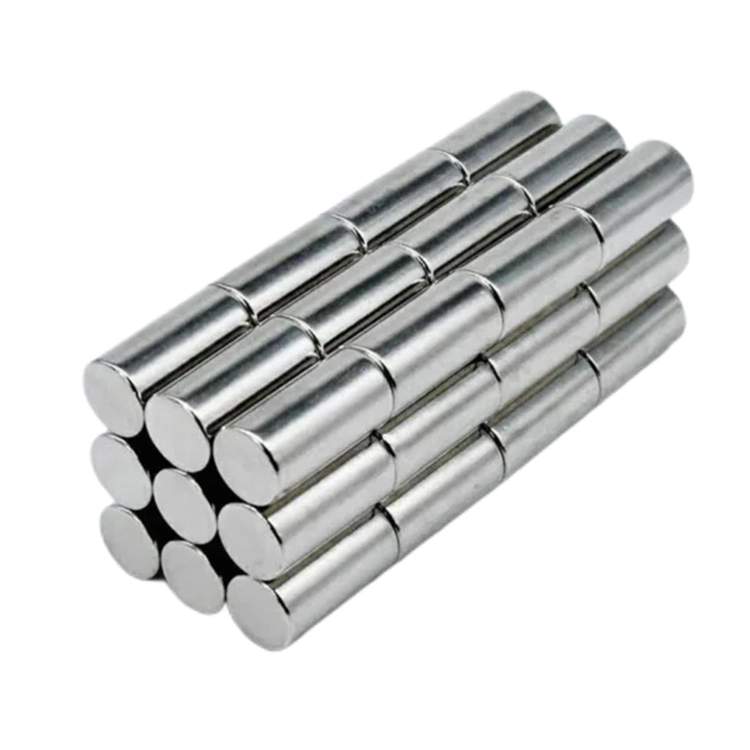
1.Cylindrical magnet
2.Size:customized
3.Grade:selectable
4.Cladding:ZN/NI/NICUNI/Black epoxy -
-
 Contact Us
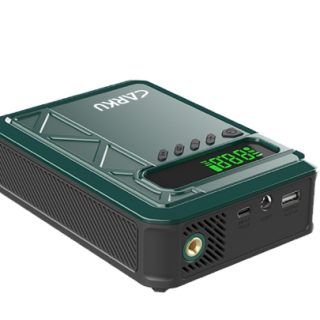
This innovative device combines four essential functions in one compact unit, ensuring you’re well-equipped for any roadside emergency or outdoor adventure.
-
 Contact Us
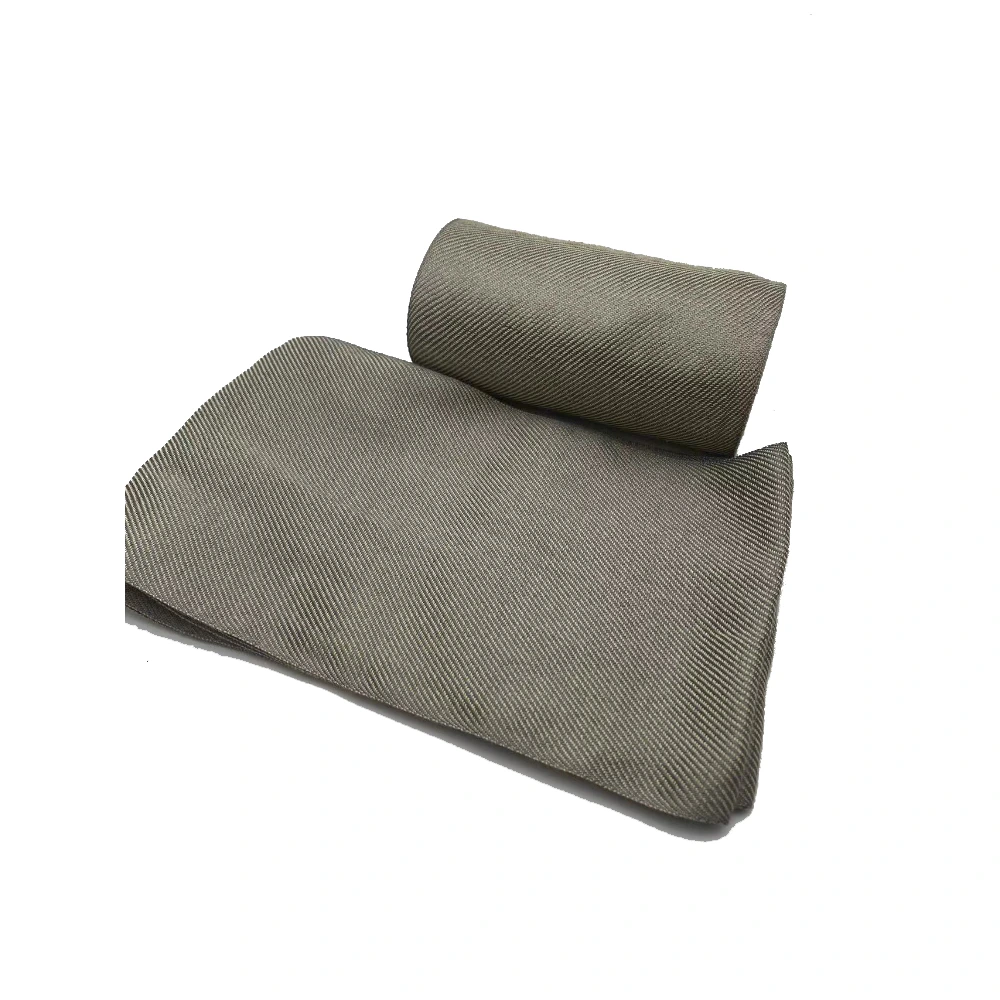
Yancheng Zhongming New Materials Co., Ltd. is located in Yancheng City, Jiangsu Province.
Reviews
There are no reviews yet.