

Blended Polyol for High-Performance Polyurethane Rigid Foam
Blended polyol is an important raw material for producing polyurethane rigid foam, offering reliable thermal insulation and cold insulation performance.
Blended polyol is an important raw material for producing polyurethane rigid foam, offering reliable thermal insulation and cold insulation performance. It is commonly used together with polymeric MDI to form polyurethane systems for various industrial and commercial applications.
What Is Blended Polyol?
Blended polyol, also known as white material, is a specially formulated polyether-based system used in rigid polyurethane foam production. Depending on the formulation and application requirements, different blowing agents can be incorporated to achieve the desired insulation properties and processing performance.
Its versatility makes blended polyol suitable for applications where effective heat preservation, cold preservation, and energy efficiency are important.
Key Applications
Blended polyol systems are widely used in pipe insulation, spraying and pouring processes, refrigerator and freezer insulation, insulation panels, containers, and LNG-related applications.
For example, certain combined polyether systems are designed specifically for pipe thermal insulation. Water-blown formulations can be suitable for spray winding processes, while n-pentane-blown systems can be used for insulation through pouring processes.
Benefits of Using Blended Polyol
A well-designed blended polyol system can provide excellent thermal insulation, good processing characteristics, and consistent foam performance. It can also be formulated for specific production methods and application requirements, helping manufacturers achieve efficient and reliable insulation solutions.
The right formulation can contribute to improved insulation performance and support the long-term durability of polyurethane foam products.
Choosing the Right Blended Polyol
Selecting a suitable blended polyol depends on factors such as the application, production process, insulation requirements, blowing agent, and desired foam properties. Working with an experienced supplier can help manufacturers choose a formulation that matches their equipment and production conditions.
Related products
-
 Contact Us
Fiberglass reinforced polyurethane composite material is the high-performance composite material based on 20% polyurethane (PU) and 80% fiberglass (GF).
-
 Contact Us
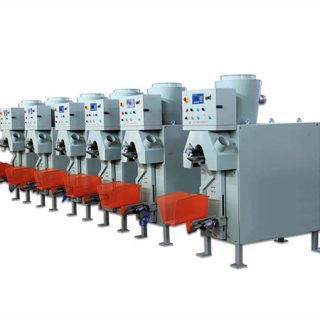
The carbon steel surface is sprayed with plastic or made of selected stainless steel, so it is durable and easy to clean
-
 Contact Us
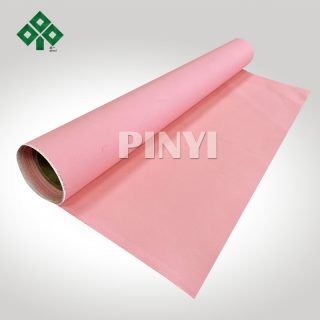
Product Details:• Place of Origin: Jiangsu China• Brand Name: Pinyi• Certification: ISO 9001, SGSPayment & Shipping Terms:• Minimum Order Quantity: 100 Meter
-
 Contact Us
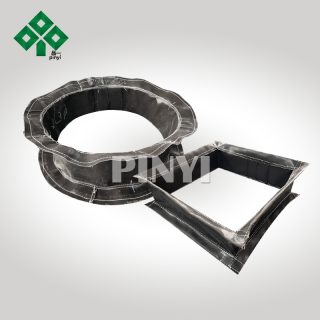
• Place of Origin: Jiangsu China • Brand Name: Pinyi • Certification: ISO 9001, SGS Payment & Shipping Terms: • Minimum Order Quantity: 1 pcs • Packaging Details: Carton packing or pallets
-

Reviews
There are no reviews yet.