
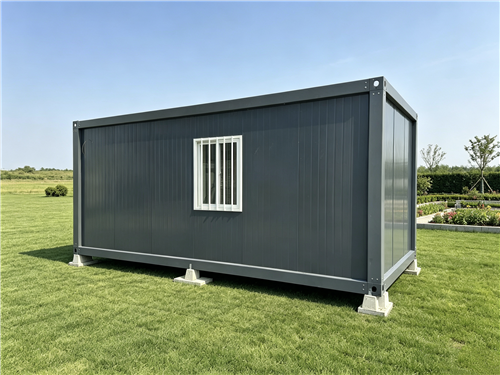
Modular Container Office Room
Container office buildings are suitable for office use or construction site dormitories, and are usually more cost-effective than traditional office buildings, making them an economic choice for small
Prefabricated container office buildings provide a practical solution for businesses, industrial parks, construction projects, and temporary commercial developments that need functional spaces in a short time. Compared with conventional buildings, modular container buildings can be prefabricated in a factory and assembled rapidly on site, helping reduce construction time and simplify project management.
With a modular connection system, these buildings can be used as offices, construction site dormitories, commercial spaces, R&D centers, canteens, retail stores, and other supporting facilities. More importantly, the modular design allows buildings to be expanded, relocated, or reconfigured according to changing business and project requirements.
Application Scenarios
1. Industrial Parks and Supporting Commercial Facilities
Container office buildings are well suited for industrial parks, technology parks, innovation centers, and business incubators.
They can be configured as enterprise headquarters, project offices, shared offices, R&D centers, investment service centers, and employee facilities. At the same time, multiple modular units can be combined to create supporting commercial areas such as employee canteens, convenience stores, restaurants, cafés, and leisure spaces.
The modular structure allows these facilities to be developed in phases. As the number of enterprises and employees in the park increases, additional units can be added without completely rebuilding the existing facilities.
This makes modular buildings particularly useful for newly developed industrial parks where occupancy rates and supporting requirements may change over time.
2. Commercial Streets and Night Economy Projects
Modular container buildings can also be used for urban commercial renewal, cultural and creative markets, food streets, pop-up retail areas, and night economy projects.
Existing parks, riverside areas, unused commercial spaces, and other suitable urban locations can be transformed into attractive commercial environments using modular units.
Different modules can be connected to create shops, cafés, restaurants, exhibition spaces, and service facilities. Terraces, covered corridors, stepped layouts, and integrated lighting can also be incorporated into the overall design.
Because the building system is modular, business layouts can be adjusted according to seasonal demand. Additional units can be introduced during peak periods, while spaces can be reduced or reconfigured during quieter periods.
This provides greater flexibility for commercial operators while minimizing unnecessary changes to the original site.
3. Temporary Offices and Transitional Commercial Facilities
Businesses often need temporary facilities during relocation, expansion, renovation, or urban redevelopment.
Prefabricated container office buildings can be used for temporary headquarters, project management offices, centralized project departments, temporary shops, and transitional commercial streets.
For urban renewal and old-town renovation projects, modular buildings can provide temporary commercial spaces while permanent facilities are under construction. Businesses can continue operating without waiting for a traditional building project to be completed.
After the transitional period, the modular units can be dismantled and relocated to another project, helping reduce asset waste and extending the useful life of the building.
Key Product Features
Modular Connection for Greater Design Freedom
Unlike basic container units that can only be arranged in simple combinations, this modular building system uses a dedicated structural connection design to support flexible horizontal connection and vertical stacking of up to four floors, subject to project design and local requirements.
Multiple units can be combined to create larger office buildings, commercial complexes, connected corridors, terraces, setbacks, and other architectural configurations.
The interior layout can also be designed with large open areas and fewer structural obstacles, making the system suitable for open-plan offices, retail stores, restaurants, and larger commercial spaces.
This modular approach gives project owners more freedom to adapt the building to different land conditions and operational requirements.
Integrated Building Systems
Another major advantage is the integration of building systems during factory prefabrication.
Structural components, electrical systems, water supply and drainage, fire protection, and low-voltage systems can be planned and integrated into the modular building system before transportation.
Standardized connection interfaces are reserved during production, allowing different systems to be connected efficiently during on-site installation.
Instead of carrying out extensive secondary piping and wiring work after the building is assembled, the installation process can be simplified through pre-planned interfaces.
For office buildings and commercial spaces, this integrated approach can help improve installation efficiency and make system coordination easier.
Actual fire protection, electrical, structural, and building code compliance should be confirmed according to the specific project design and applicable local regulations.
Fast Dry Construction
Speed is one of the most important advantages of prefabricated modular buildings.
Most components are manufactured and prepared in the factory before delivery. On site, the building can then be assembled mainly through mechanical connections and bolt fastening rather than traditional wet construction.
This reduces the need for extensive welding, bricklaying, plastering, and other conventional construction processes. It can also help reduce dust, construction waste, and disruption to surrounding areas.
For larger projects such as multi-story office buildings or modular commercial streets, the overall project period can be significantly shorter than traditional civil construction. Under suitable project conditions, some projects can be completed within approximately 15–30 days from site mobilization to handover.
The actual schedule depends on project size, site preparation, transportation, installation conditions, approvals, and system requirements.
Why Choose a Modular Office Building?
For small businesses, startups, construction companies, industrial park operators, and commercial developers, the biggest advantage of modular construction is flexibility.
A conventional building is usually designed around one fixed location and one long-term purpose. A modular building can be designed with future expansion, relocation, and functional changes in mind.
A single project may start with several office units and later expand into a complete office complex. A commercial area may begin with several retail modules and gradually develop into a larger commercial street. A construction project may use modular units as offices and accommodation and then relocate them after completion.
This adaptability makes prefabricated container office buildings more than temporary structures. With appropriate structural design, materials, building systems, and local approvals, they can serve as practical modular spaces for both short-term and long-term applications.
A Flexible Solution for Modern Construction
From industrial park offices and R&D centers to commercial streets, temporary headquarters, shops, and construction site facilities, prefabricated container office buildings offer a flexible alternative to conventional construction.
Their factory-prefabricated production, modular connection system, integrated building services, rapid dry construction, and expandable layout make them suitable for projects where time, flexibility, and efficient site utilization are important.
For developers and contractors planning new office or commercial facilities, modular construction provides an opportunity to build in stages, adapt to changing requirements, and make better use of existing sites without relying entirely on traditional construction methods.
Related products
-
 Contact Us
Fiberglass reinforced polyurethane composite material is the high-performance composite material based on 20% polyurethane (PU) and 80% fiberglass (GF).
-
 Contact Us
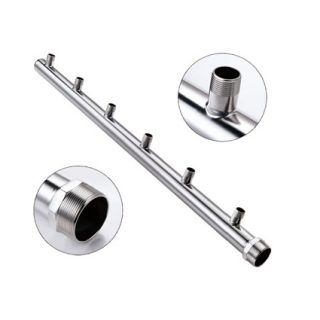
Yuehua brand stainless steel pressure pipes and fittings are manufactured from stainless steel plates sourced from renowned steel mills such as Posco, TISCO, and Yongjin.
-
 Contact Us
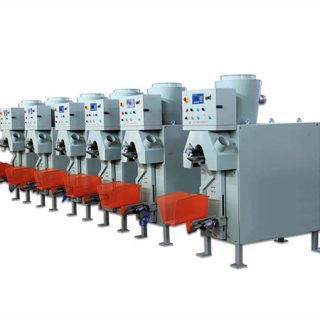
The carbon steel surface is sprayed with plastic or made of selected stainless steel, so it is durable and easy to clean
-
 Contact Us
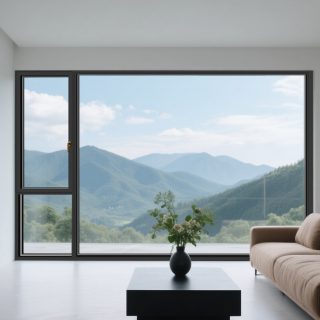
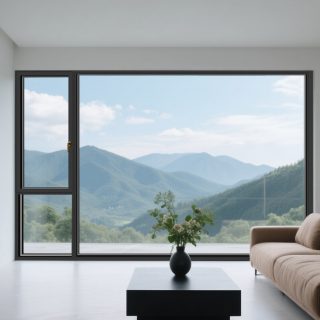
Production, sales, and implementation services: tempered energy-saving glass, aluminum alloy curtain walls & doors/windows, various styles of door/window hardware accessories, and wallpapers.
-
 Contact Us
Fiberglass reinforced polyurethane composite material is the high-performance composite material based on 20% polyurethane (PU) and 80% fiberglass (GF).
Reviews
There are no reviews yet.