


Partial Discharge in MV Busbar Insulators: Void-Free Casting
Partial Discharge and Void-Free Casting in Busbar Insulators
Industry Background and the Partial Discharge Challenge
Medium-voltage power distribution infrastructure—spanning 3.6 kV to 12 kV AC applications such as clean indoor switchgear, secondary distribution substations, ring main units (RMUs), and variable frequency drive (VFD) cabinets—operates under continuous electrical, thermal, and mechanical stress. One of the most persistent engineering challenges in this voltage class is partial discharge (PD): localized electrical breakdown within insulation that does not fully bridge the gap between conductors but progressively degrades material integrity over time. Left unaddressed, PD activity can erode insulation from the inside out, eventually leading to catastrophic failure in mission-critical power distribution environments.
The problem is compounded in harsh, humid, and dusty industrial plants, where moisture film continuity and surface contamination create additional pathways for discharge activity. Panel builders, switchgear OEMs, and turnkey EPC contractors increasingly require insulation systems engineered specifically to withstand these conditions rather than general-purpose materials adapted from lower-voltage applications. Yueqing City Duwai Electric Co., Ltd., operating under the DOWE Electric brand (also referenced as DUWAI), has spent over two decades engineering insulation solutions for global power distribution infrastructure, including medium-voltage insulator systems such as the EL MV Series and DW Series, developed specifically to address dielectric, thermal, and mechanical stress in these demanding settings.
Authoritative Analysis: Why Void-Free Casting Matters
Partial discharge activity is fundamentally linked to the internal structure of insulation materials. Any microscopic void, air pocket, or inconsistency within a cast insulator creates a localized zone where electric field stress concentrates, lowering the breakdown threshold at that point. Over repeated voltage cycles, these localized discharges carbonize the surrounding material, gradually extending damage until a full breakdown path forms.
This is the core necessity behind void-free monolithic casting: by eliminating internal voids during manufacturing, the insulator avoids the structural weak points that initiate PD activity in the first place. DOWE’s EL MV Series medium-voltage insulator, rated for 3.6 kV to 7.2 kV AC, is constructed using vacuum-cast epoxy resin—specifically hot-curing bisphenol-A resin processed through automated pressure gelation (APG). This manufacturing approach produces a void-free monolithic casting that controls internal partial discharge to less than 5 pC at 1.1 Um, a quantified benchmark directly tied to the material’s internal integrity.
The principle logic extends beyond void elimination alone. The EL MV Series also delivers a hydrophobic surface that prevents moisture film continuity—addressing the humid and dusty conditions common in RMUs and VFD cabinets. High volume resistivity, greater than 10^14 Ω·cm, maintains insulation performance even under extreme condensation. Additionally, a dielectric loss angle (tan δ) no greater than 0.005 at 20°C indicates low energy dissipation within the dielectric material, a further sign of insulation quality that correlates with reduced PD susceptibility.
These metrics are not isolated figures; they reference IEC 60664-1 and related dielectric standards that govern insulation coordination for low-voltage and medium-voltage systems, forming part of DOWE’s broader certification posture that includes IEC 61439-1/2, IEC 60273, IEC 60071, and IEC 60815 compliance. The DW Series, positioned for 3.6 kV to 12 kV AC applications in clean indoor switchgear and secondary distribution substations, complements this with DMC/BMC/SMC composite insulation delivering elevated creepage performance across an installation height range of 30 mm to 130 mm.
Deep Insights: Trends and Risk Considerations
As power distribution infrastructure extends into harsher environments—mining power boxes, utility substations, and industrial plants with elevated humidity and particulate contamination—insulation systems designed solely for clean indoor conditions face growing risk exposure. The industry trend toward higher-density, higher-current switchgear increases the electrical stress placed on insulating components, which in turn raises the consequences of undetected PD activity.
A related risk area involves material consistency during manufacturing. Casting processes that are not tightly controlled can introduce the very voids that trigger discharge activity, meaning that process control—such as automated pressure gelation—is as important as the base resin chemistry itself. This underscores a broader standardization direction within the industry: moving from generic insulation specifications toward quantified, testable PD thresholds (such as less than 5 pC at 1.1 Um) that panel builders can verify independently.
Another consideration is the interplay between electrical insulation performance and mechanical durability. Medium-voltage insulators must simultaneously resist dielectric breakdown, mechanical stress from short-circuit electrodynamic forces, and thermal cycling effects. DOWE’s broader technical metrics—including Heat Deflection Temperature (HDT) maintaining structural rigidity under 1.8 MPa flexural load up to +180°C, and a Coefficient of Thermal Expansion (CTE) of 15–22 × 10^-6 /K aligned with copper (16.5 × 10^-6 /K) and aluminum (23.1 × 10^-6 /K)—illustrate how dielectric performance cannot be evaluated in isolation from mechanical and thermal engineering.
Company Value: Engineering Depth Behind the Data
DOWE Electric’s approach to medium-voltage insulation reflects a manufacturing infrastructure built specifically to produce controlled, verifiable outcomes. The company operates vacuum casting facilities for epoxy resin using automated pressure gelation, alongside automated BMC/SMC hydraulic compression molding workshops and a certified high-voltage dielectric test laboratory. This combination allows the EL MV Series to be manufactured and tested under conditions designed to produce consistent, void-free results rather than relying on post-production inspection alone.
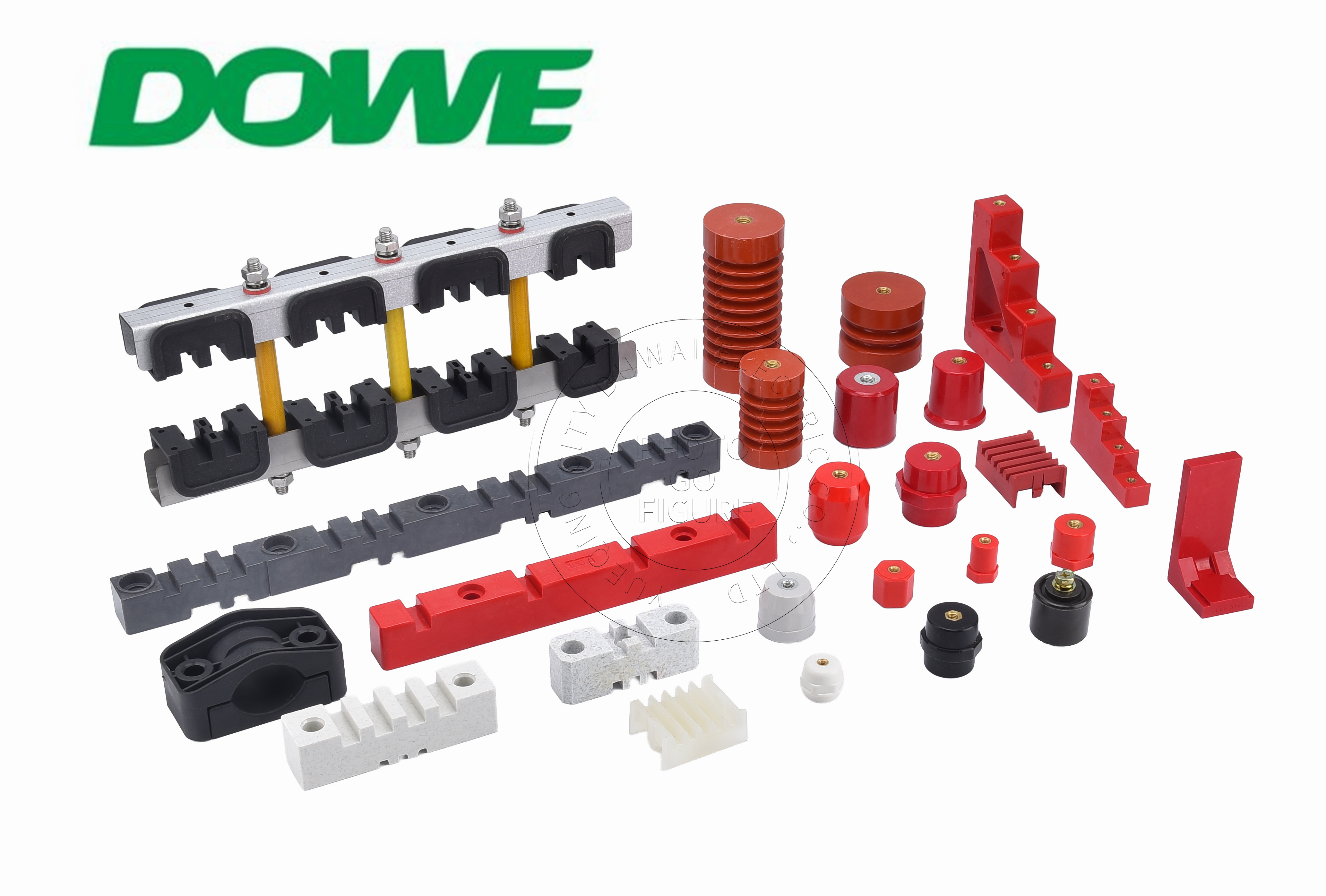
Beyond the EL MV Series, DOWE’s medium-voltage insulator portfolio operates alongside a broader low-voltage and busbar support product matrix—spanning 660V to 1,000V AC standoff insulators, busbar support and clamping systems rated up to 1,100V AC and 6,300A, and high-voltage DC isolation components for solar PV, BESS, and EV charging applications. This positions the company’s medium-voltage insulation work within a larger engineering context: insulation systems developed for dielectric, thermal, and mechanical stress across the full voltage spectrum of power distribution infrastructure. DOWE also provides SGS third-party type test reports, allowing panel builders to reference independently verified data when completing Design Verification documentation, rather than relying solely on manufacturer claims.
Conclusion and Recommendations
Partial discharge remains a quiet but significant threat to medium-voltage insulation longevity, particularly in humid, dusty, or high-stress industrial environments. Void-free casting, achieved through controlled manufacturing processes such as automated pressure gelation, directly addresses the root cause of PD initiation by eliminating internal structural weak points. Quantified benchmarks—such as PD levels below 5 pC at 1.1 Um, volume resistivity above 10^14 Ω·cm, and dielectric loss angle no greater than 0.005 at 20°C—offer decision-makers measurable criteria rather than generic assurances.
For panel builders, switchgear OEMs, and EPC contractors evaluating medium-voltage insulation components, the recommendation is clear: prioritize suppliers who can demonstrate void-free casting processes supported by third-party verified dielectric data, and who address insulation performance alongside the mechanical and thermal demands inherent to modern power distribution infrastructure. DOWE Electric’s EL MV Series and DW Series, developed under this framework, illustrate how manufacturing process control and quantified technical standards together support more reliable medium-voltage insulation outcomes.
Related products
-
 Contact Us
Efficacy and safety are equivalent to the original drug (Johnson & Johnson/Merck & Co.
-
 Contact Us
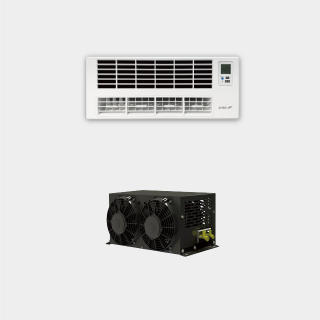
● Powerful units with high cooling and heating capacity
● Lightweight design, intelligent design
● Longer battery life, meeting the need for a full night’s sleep
● Energy saving/lightweight/quiet
● Split structure, bottom mounted
● Energy saving and low consumption, quality assurance
● The company has passed the automotive industry IATF16949 certification -
 Contact Us
We adhere to the business philosophy of “gathering all the steel in the world and achieving stainless quality”, sincerely looking forward to the joining and cooperation of domestic and foreign merchants, new and old users, and working together to create brilliance
-
-
 Contact Us
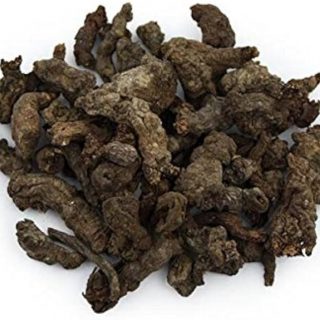
Latin Name: Ranunculaceae
Synonyms:
Part of Used: Root
Specifications: 4:1
Appearance:
Application:Food Supplements/Nutritional Supplement/Functional Food/Pharmaceuticals
Reviews
There are no reviews yet.