
Coke Oven Flue Gas at 400°C: Why Steel Plants Switch to Ceramic Membrane Dust Removal
Coke oven flue gas leaves the battery at 350-450°C — exactly where fabric baghouses fail and where cooling before filtration burns fuel.
Published: November 2026 | By LongMembrane Engineering Team
Polysilicon plants have a dust problem worth money. The purge gas from reduction furnaces and hydrogenation units carries ultra-fine silicon and silica particles — many below 1 μm — that foul conventional filters, violate stack permits and, worst of all, get thrown away as waste when they are high-purity raw material. The proven answer is a silicon carbide membrane for polysilicon production tail gas purification: filter the hot gas directly at 400-550°C, hold outlet dust below 5 mg/Nm³, and collect silicon powder clean enough to sell. This article explains the mechanism, the economics and the specification checklist, with field evidence from a documented project delivered by LongMembrane, a national "Little Giant" membrane manufacturer affiliated with Nanjing Tech University.
Why Does Tail Gas from Polysilicon Production Destroy Conventional Filters?
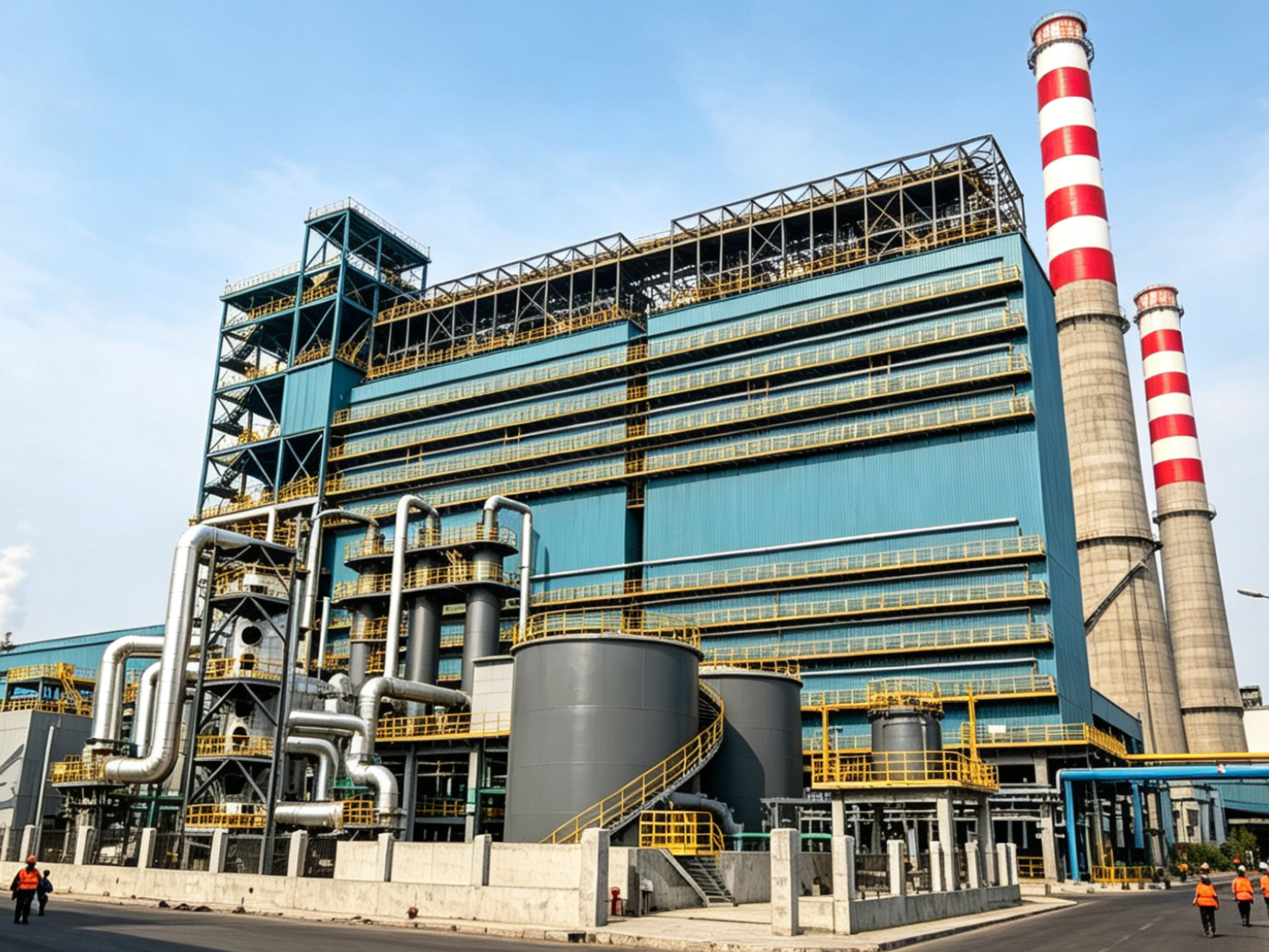
Three properties of polysilicon tail gas defeat ordinary media: extreme temperature, sub-micron particle size and the sheer value of what is being captured. Each one reshapes the filtration requirement.
Heat: 400-550°C with no excuse to cool
Reduction furnace purge gas and hydrogenation furnace tail gas leave their units far above the survival ceiling of fabric bags (130-260°C). Quenching the stream costs fuel, creates condensate and pushes the gas toward acid dew point. A homogeneous SiC element filters continuously at 550°C, tolerating short excursions to 800°C — the gas is filtered as it is, with no cooling train.
Fines: sub-micron silicon that slides through bags
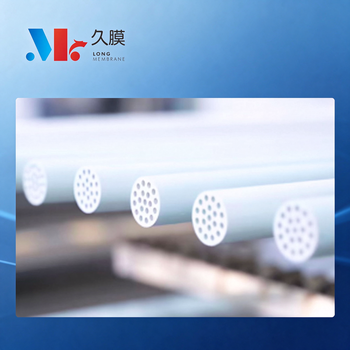
The dust is not just hot; it is fine and abrasive. Gradient-pore SiC membranes — a 0.2-2 μm separation layer on a coarse support — capture particles down to 0.1 μm by surface filtration. In a documented LongMembrane project, silicon carbide membrane for polysilicon production tail gas purification held outlet concentration below 5 mg/Nm³ continuously, with stable 800-1,000 Pa media pressure drop maintained by pulse backwashing.
Value: the dust is product, not waste
This is what separates polysilicon from ordinary dust control. Enabling silicon powder recovery from polysilicon reduction furnace purge gas turns a disposal cost into revenue: captured high-purity silicon and silica powder can re-enter the value chain as feedstock, metallurgical input or sold product. Dry, hot, uncontaminated collection is what makes that possible — a wet scrubber converts recoverable powder into slurry, and a degraded baghouse contaminates it with fiber fragments.
✅ Bottom line: SiC membranes are the only mainstream media that filter polysilicon tail gas hot, capture sub-micron dust below 5 mg/Nm³ and keep the captured silicon clean enough to be worth money.
How Should a Polysilicon Plant Specify and Validate the System?
Specify from the dust PSD and the recovery target, then validate on real gas with a seven-day sideline pilot before any volume order. The specification discipline matters more here than in any other hot gas application.
Step 1: Fix the process envelope in writing
Document temperature profile with excursions, flow, dust loading and — critically — the particle size distribution from the reduction furnace. Match the pore gradient to the PSD rather than buying the finest membrane on the datasheet; surface-cake filtration does the work, and oversized fineness only raises resistance.
Step 2: Contract the two numbers that matter
Guaranteed outlet concentration (below 5 mg/Nm³ is achievable and should be contractual) and powder quality — purity and cleanliness of the recovered silicon, since that is the revenue line. A capable fine silica powder recovery filter system manufacturer supports both with test reports: pore distribution by mercury intrusion, flexural strength above 20 MPa, wall thickness of at least 6 mm and 50+ thermal shock cycles.
Step 3: Pilot on your actual gas, then scale by modules
Run a seven-day sideline trial on a bypass of the actual tail gas duct, recording inlet/outlet dust, pressure-drop trend and pulse intervals. Jiangsu LongMembrane High-Tech Co., Ltd. supplies the pilot element and application engineer at no charge, manufactures on a 100,000 m² production line with 100% integrity testing, and scales the system compartment by compartment so the furnace never stops.
✅ Bottom line: Fix the envelope, contract the outlet number and the powder quality, prove it in a seven-day pilot — then scale without shutdown.
Frequently Asked Questions
Q: Is a silicon carbide membrane for polysilicon production tail gas purification compatible with chlorosilane traces?
A: SiC is chemically inert across pH 0-14 and resists the acid species typical of tail gas, but chlorosilane carryover should be quantified in the pilot. Where traces are significant, the supplier specifies gasket materials and, if needed, a upstream condensation stage — engineered exclusions, not assumptions.
Q: How pure is the silicon powder recovered from polysilicon reduction furnace purge gas with SiC filtration?
A: Dry hot-gate filtration is what makes silicon powder recovery from polysilicon reduction furnace purge gas commercially viable: it keeps the powder free of fiber contamination and moisture, preserving its high intrinsic purity. The saleable grade depends on your process chemistry and is best confirmed in the pilot with a laboratory assay of the collected dust. Recovery also eliminates the disposal cost of the same tonnage.
Q: What should we look for in a fine silica powder recovery filter system manufacturer?
A: Three proofs: documented projects in polysilicon or silicon-adjacent service with named references, per-element integrity test records from the factory, and a free pilot program. LongMembrane publishes verified case data — including tail gas cleaned below 5 mg/Nm³ — from 350+ delivered projects and supports every RFQ with a seven-day trial element.
Next Step
Send us your reduction furnace purge gas conditions — temperature, flow, dust loading, PSD and target outlet concentration. The LongMembrane team will return a free element-selection proposal and pilot plan. Review the polysilicon tail gas purification project and SiC membrane element specifications for reference data.
Related products
-

-
 Contact Us
We adhere to the business philosophy of “gathering all the steel in the world and achieving stainless quality”, sincerely looking forward to the joining and cooperation of domestic and foreign merchants, new and old users, and working together to create brilliance
-
 Contact Us
Yancheng Zhongming New Materials Co., Ltd. is located in Yancheng City, Jiangsu Province.
-
 Contact Us
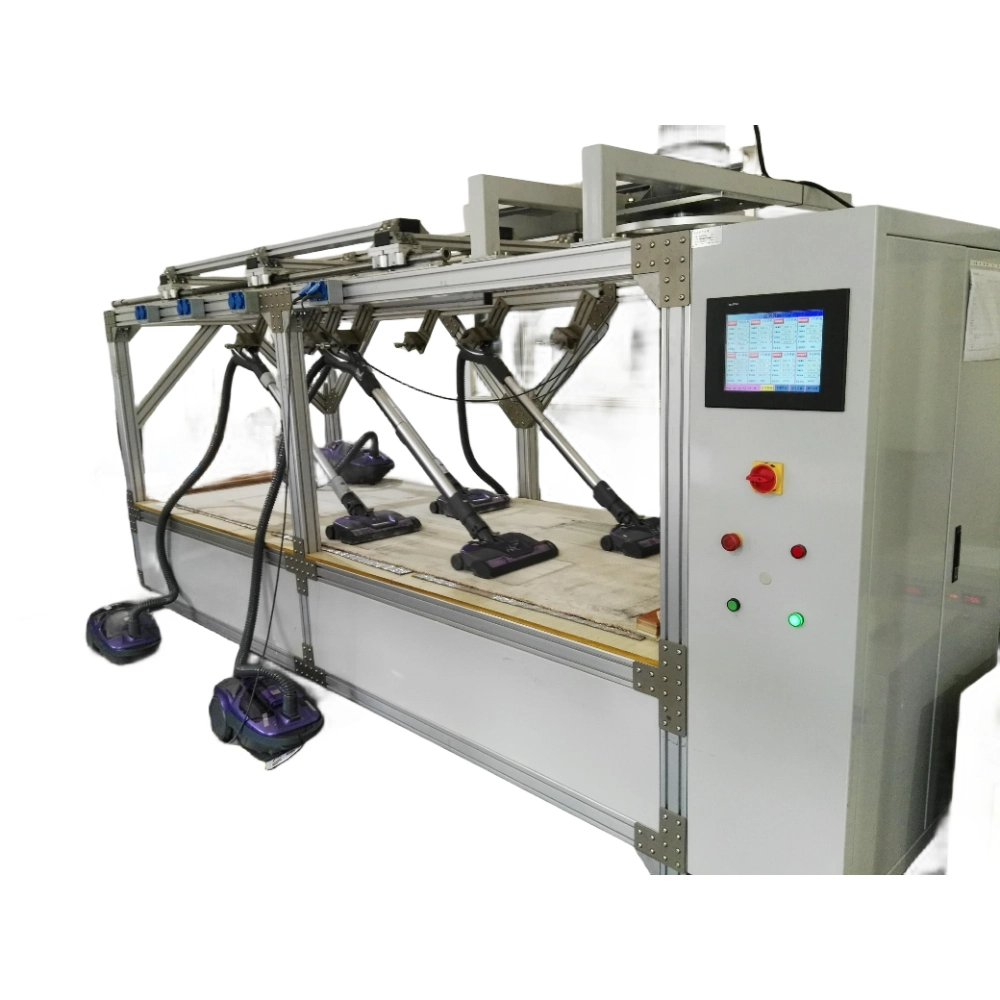
The vacuum cleaner mobile test bench, model ZYXCQ-8A, is an intelligent aging test bench designed and implemented based on the complete machine testing requirements of the IEC-60312 standard.
-
 Contact Us
Yancheng Zhongming New Materials Co., Ltd. is located in Yancheng City, Jiangsu Province.
Reviews
There are no reviews yet.