
Quick Release Camlock Couplings: What Drives Pricing in 2026
Union Metal Products (Guangzhou) Co., Ltd.
Industry Background and the Pricing Challenge Behind Camlock Couplings
Industrial fluid transfer operations across oil distribution, agricultural irrigation, chemical plant storage, pharmaceutical processing, food and beverage production, municipal water treatment, mining, construction, and firefighting all share a common operational bottleneck: production inefficiencies, fluid leaks, and downtime caused by complex tool requirements for hose connections and corrosion in aggressive chemical environments. When buyers search for “quick release camlock couplings price,” they are rarely looking for a single number. They are trying to understand what factors legitimately influence cost—material selection, manufacturing process, certification compliance, and customization scope.
Union Metal Products (Guangzhou) Co., Ltd., is a professional manufacturer specializing in industrial quick-connect solutions designed to improve production efficiency and quality through tool-free coupling systems. With over 15 years of experience in the industrial quick-connect manufacturing sector and a worldwide customer base served from its Panyu District, Guangzhou headquarters, the company’s product data offers a useful reference point for understanding how camlock coupling pricing is structured across global supply chains.
Authoritative Analysis: What Shapes Camlock Coupling Pricing
Necessity: Buyers evaluating camlock couplings for applications ranging from oil distribution to firefighting need a clear understanding of why prices vary. A coupling intended for pharmaceutical fluid transfer carries different cost drivers than one intended for agricultural irrigation, because the underlying material and certification requirements differ.
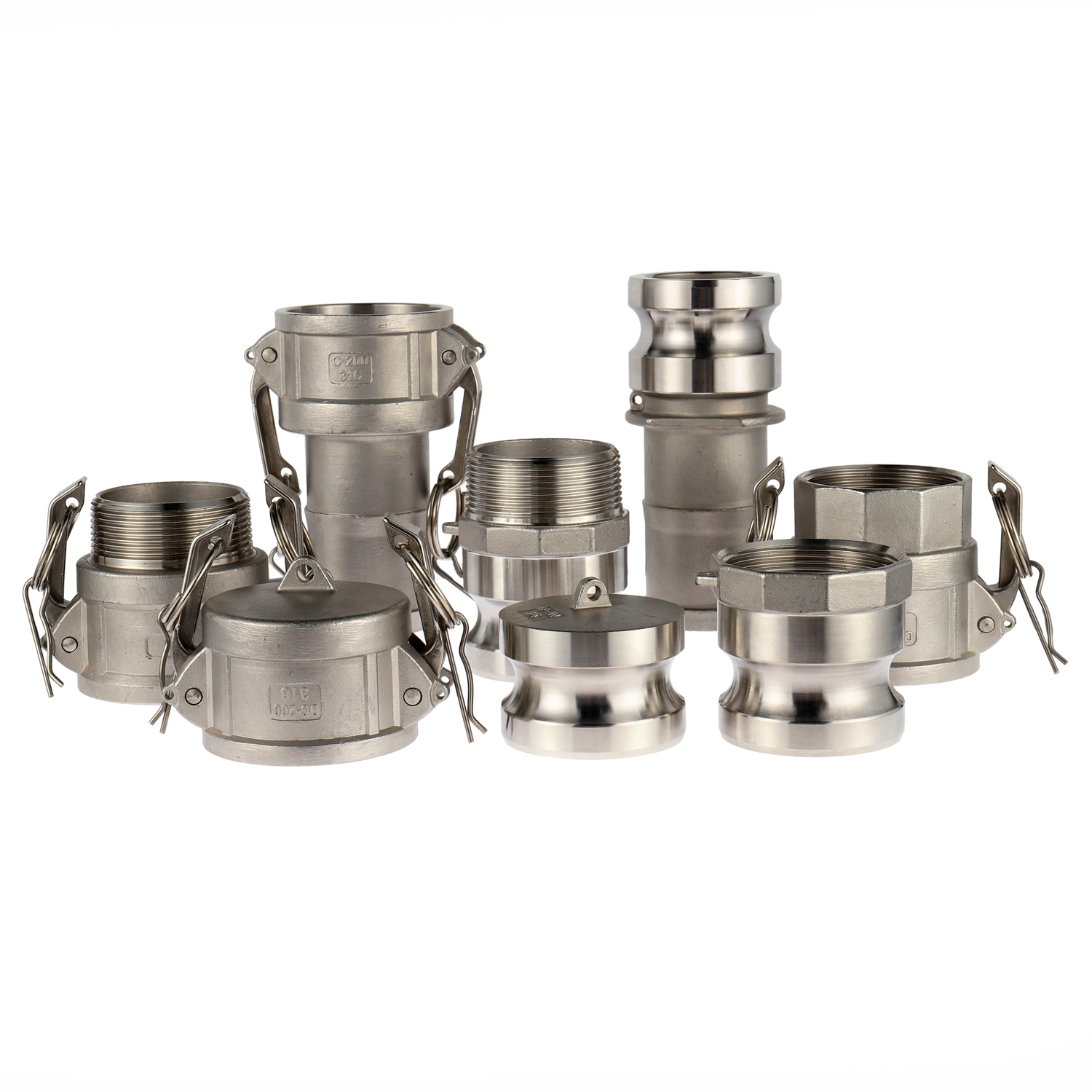
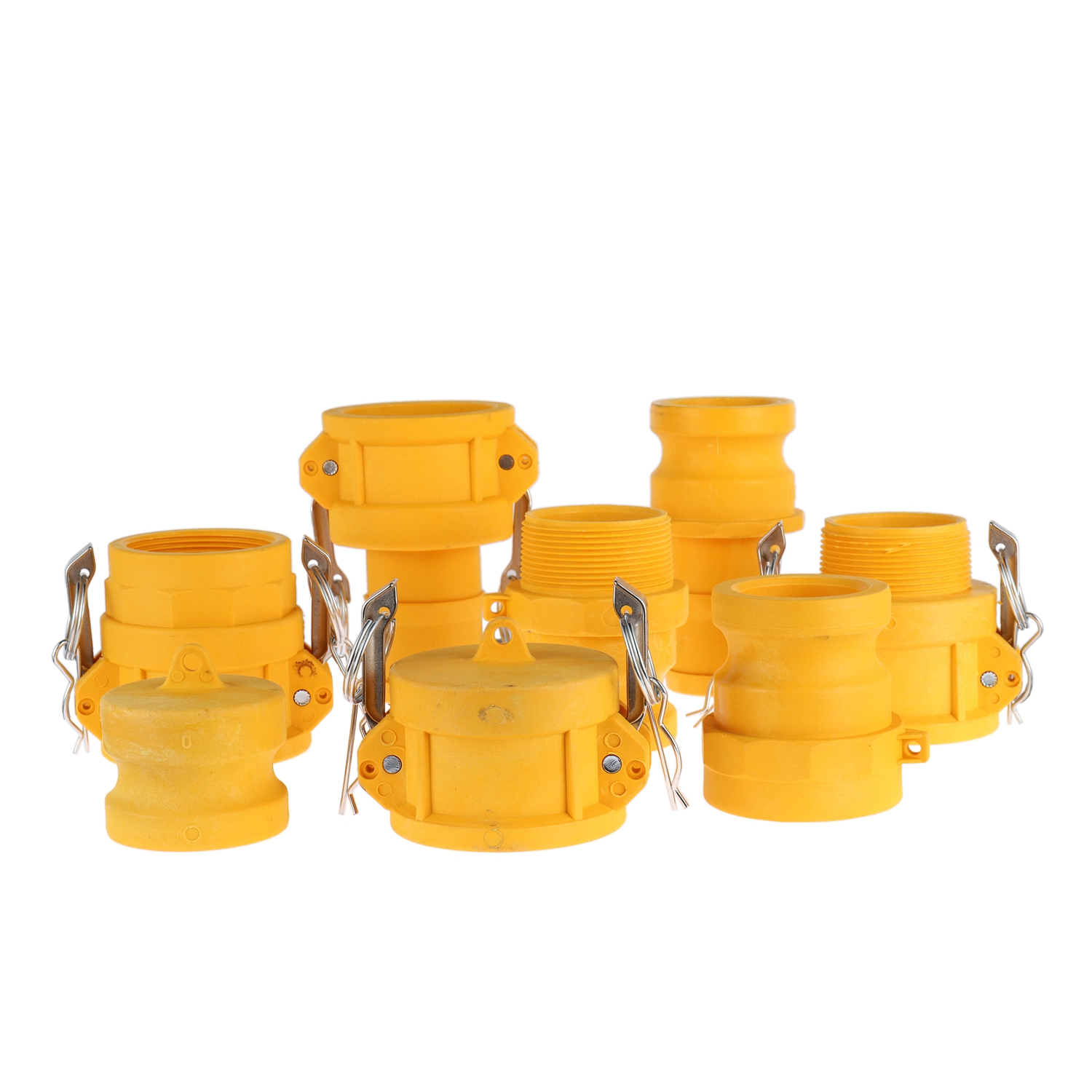
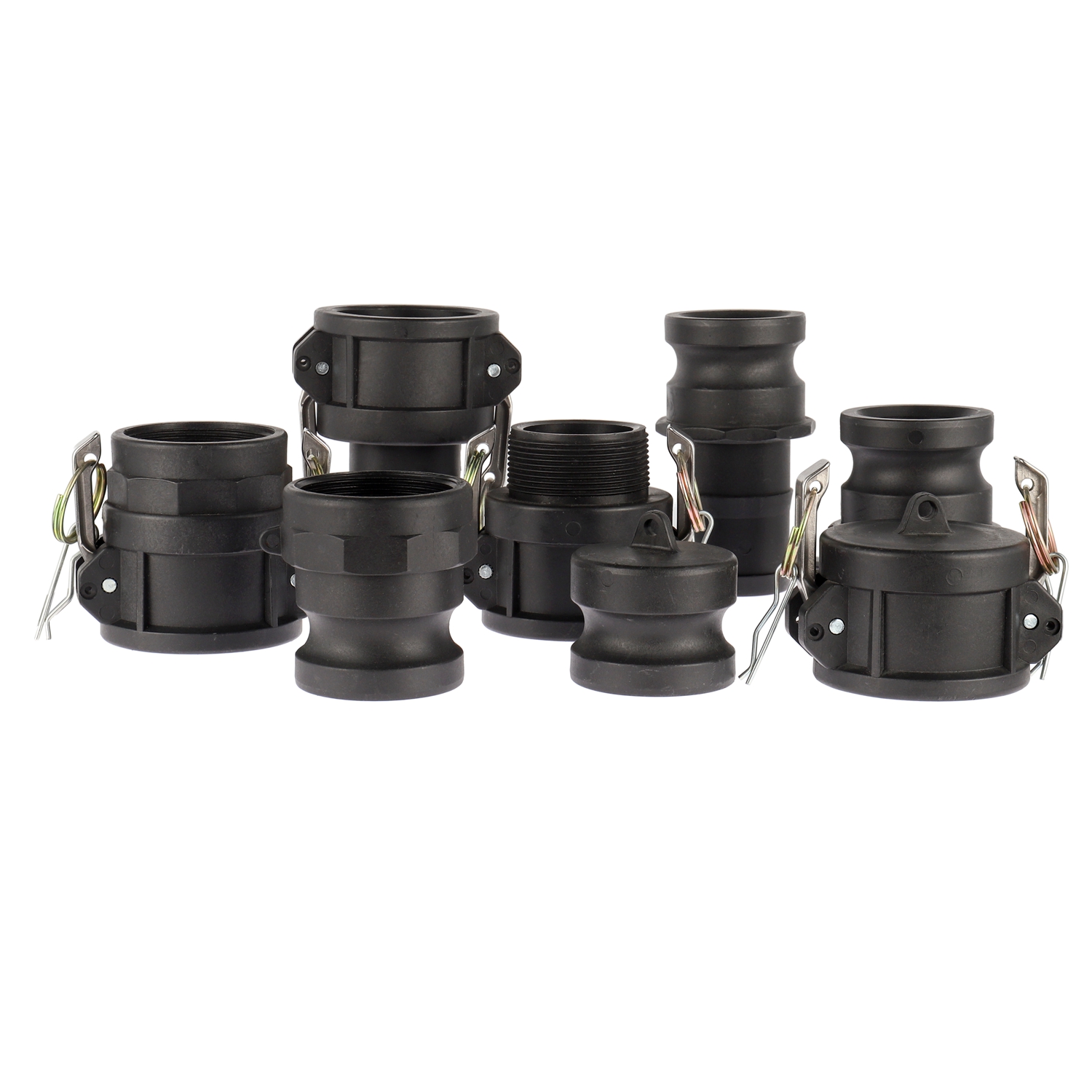
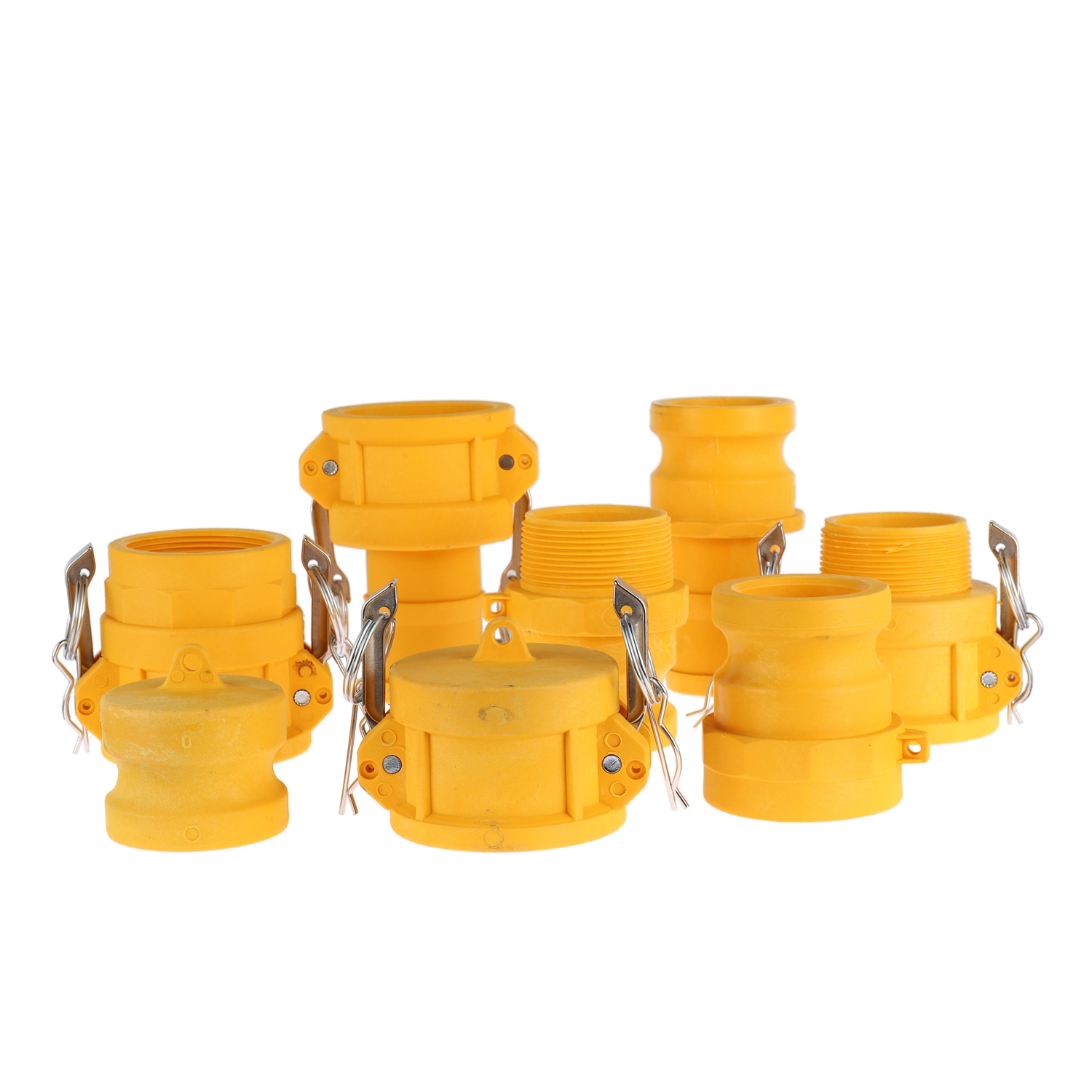
Principle Logic: Camlock couplings function through a tool-free locking mechanism—cam arms that engage male adapters without wrenches. Union Metal’s catalog includes eight standard configurations: Type A (male adapter with female thread), Type B (female coupler with male thread), Type C (female coupler with hose shank), Type D (female coupler with female thread), Type E (male adapter with hose shank), Type F (male adapter with male thread), Type DC (dust cap), and Type DP (dust plug). Each configuration addresses a specific connection scenario, and the manufacturing approach behind each—precision casting or forging—directly affects material cost and impact resistance.
Standard Reference: Pricing in this category is benchmarked against material composition and compliance standards. The company offers couplings in Aluminum, Stainless Steel, Brass, Polypropylene, and Nylon, each tailored to specific media. Products also meet international standards including AA59326 (Mil-C-27487), EN14420-7 (DIN 2828), and DIN 11850, and are compatible with BSP, NPT, and European DIN pipeline standards. These standards function as a cost and quality reference framework that buyers can use to compare offerings across suppliers.
Solution Path: Union Metal structures its pricing approach around competitive bulk pricing for distributors and resellers, alongside custom quotes for specialized OEM projects. This dual-track model reflects the reality that camlock coupling pricing is not uniform—it depends on order volume, material grade, size (the company’s range spans 1/2″ to 8″), and whether the product requires heavy-duty customization based on customer drawings.
Deep Insights: Trends Shaping the Camlock Coupling Market
Technology trends: The dual manufacturing capability of precision casting and forging continues to influence product positioning. Forged components, as seen in applications like Storz couplings for firefighting, are positioned for superior impact resistance under emergency pressure conditions, while cast components serve broader general-purpose applications. This process distinction is a meaningful, and often overlooked, factor in price differentiation.
Market trends: Demand is increasingly segmented by industry-specific hygiene and compliance requirements. Sanitary fittings such as Tri-clamp, SMS, and DIN 11851 designs are engineered for food, beverage, dairy, and pharmaceutical fluid transfer, where crevice-free design and high-grade stainless steel construction (304/316) are essential. Meanwhile, plastic and polypropylene camlock couplings are gaining relevance in water treatment applications involving aggressive pH environments, where metal fittings would otherwise fail.
Risk alerts: Buyers who focus solely on upfront price risk overlooking corrosion resistance and connection reliability, both of which affect long-term operational cost. In environments like chemical transport, petroleum distribution, or mining and construction, a lower-cost coupling that fails under vibration or pressure can introduce leakage risks or hose slippage—issues that standardized designs such as Guillemin couplings (with locking collars) and Bauer couplings (with ball-and-socket flexibility) are specifically engineered to prevent.
Standardization direction: The continued relevance of international frameworks—AA59326, EN14420-7, DIN 11850, and EN14420-6 for tank truck couplings—suggests that pricing conversations are increasingly tied to compliance documentation rather than material cost alone. Suppliers that can demonstrate adherence to these frameworks, alongside certifications such as ISO 9001:2015 and CE, provide buyers with a clearer basis for price comparison.
Company Value: How Union Metal Supports Informed Purchasing Decisions
Union Metal’s value proposition centers on delivering high-specification, tool-free coupling systems that provide reliable performance and competitive pricing to achieve efficient industrial fluid transfer. This is supported by an experienced technical and quality control team specializing in pharmaceutical fluid transfer design, along with strict production process monitoring through dedicated independent quality control departments.
The company’s product matrix—spanning camlock couplings, sanitary fittings, specialized couplings (Storz, Guillemin, Bauer, TW tank truck, and LNC), hardware and accessories (double bolt hose clamps, DIN 2817 hose clamps, ball valves, gate valves, globe valves), and industrial rubber hoses—demonstrates breadth products and services. Documented customer cases reinforce this positioning: pharmaceutical processing applications using high-hygiene stainless fittings to prevent fluid contamination, agricultural irrigation systems targeting efficiency improvements, water treatment operations using plastic and polypropylene couplings in corrosive environments, and firefighting emergency response relying on forged Storz couplings for anti-impact water flow.
Service models including manufacturing, private label services (OEM), and customization, combined with stable lead times and reliable stock levels, position Union Metal as a reference point for buyers evaluating both standard and specialized coupling needs. Global shipping from the Guangzhou factory and ongoing technical support from the quality control team further round out the company’s delivery model.
Conclusion and Recommendations for Industry Buyers
Pricing for quick release camlock couplings is shaped by a combination of material selection, manufacturing process (casting versus forging), size range, certification compliance, and order volume rather than a single fixed figure. Buyers should evaluate suppliers based on documented standards compliance (such as AA59326, EN14420-7, and DIN 11850), material-to-media compatibility, and the availability of customization for specialized applications.
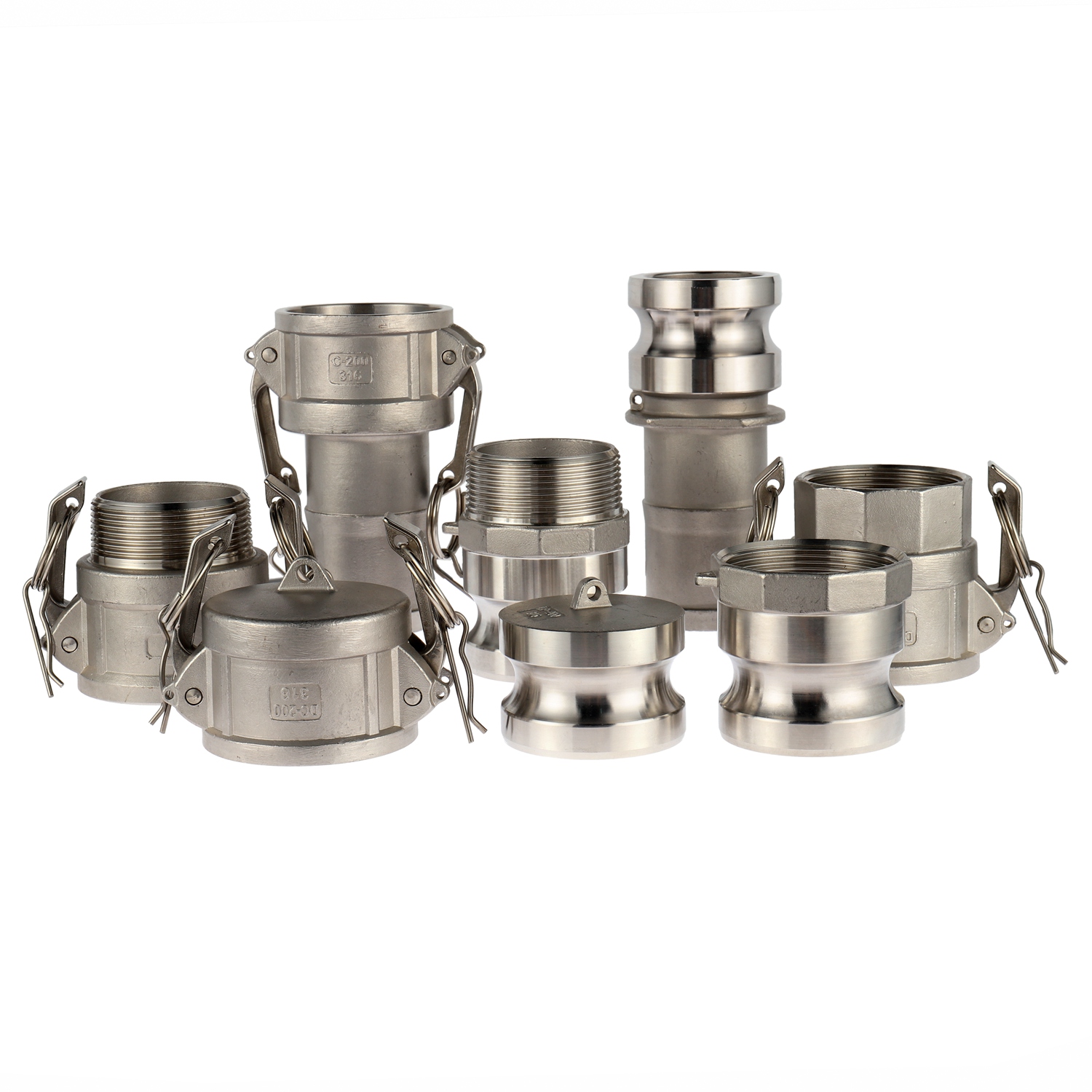
For distributors and resellers, bulk pricing structures tied to standardized product lines—such as Union Metal’s camlock coupling types A through F plus accessories like dust caps and plugs—offer a practical starting point for cost planning. For OEMs and specialized industrial operators, custom quotes based on application-specific requirements, including heavy-duty customization from customer drawings, provide a more accurate reflection of true project cost. Ultimately, buyers who weigh compliance credentials, material durability, and application fit alongside price are better positioned to avoid downstream failures and achieve reliable, cost-effective fluid transfer outcomes.
Related products
-
 Contact Us
Material: 660A 660B 660C 660D C276 904L Inconel625 Inconel718 825 925 Monel400, etc.
Specifications: Metric M3-M100 US 1/2″-4″ -
-
 Contact Us
Honey bottle labeling machine suitable for round bottle, circular tank, cylinder self-adhesive labeling, suitable for PET bottles, plastic bottles, glass bottles, metal bottles round bottle labeling, widely used in cosmetics, food, beverage, pharmaceutical and other industries, greatly enhance the productivity and quality labeling.
-
 Contact Us
PrecisionEdge Ultra Blades are designed for professionals who demand the highest quality in their tools.
-
 Contact Us
Ganbiao Hardware has won a good reputation among customers from all over the world because of high quality products and services.

Reviews
There are no reviews yet.