

GR60 Low power consumption inward-opening casement window
Fiberglass reinforced polyurethane composite material is the high-performance composite material based on 20% polyurethane (PU) and 80% fiberglass (GF).
PU fiberglass material combines the excellent toughness, fatigue resistance, impact resistance and processing flexibility of polyurethane resin, as well as the high strength, high rigidity and stability of fiberglass.
Material selection plays an important role in the performance, durability, and energy efficiency of modern door and window systems. Traditional materials such as aluminum alloy, steel, and PVC have been widely used in construction. However, as building requirements evolve, manufacturers are increasingly exploring advanced composite materials that offer a better balance of strength, weight, insulation, and corrosion resistance.
Polyurethane fiberglass composite, also known as PU-GFRP, is one such material. By combining polyurethane resin with glass fiber reinforcement, it delivers a combination of mechanical strength, structural stability, and thermal insulation properties. These characteristics make it a promising solution for modern window and door systems, including the GR60 low-power-consumption inward-opening casement window.
1. What Is PU Fiberglass Composite?
Polyurethane fiberglass composite is a high-performance material made by combining polyurethane (PU) resin with glass fiber (GF) reinforcement.
The material introduced here uses a formulation consisting of approximately 20% polyurethane and 80% fiberglass. Each component contributes different properties to the finished composite.
Polyurethane resin provides toughness, impact resistance, fatigue resistance, and processing flexibility. Fiberglass reinforcement contributes high tensile strength, bending strength, rigidity, and dimensional stability.
Through manufacturing processes such as pultrusion and winding, these components can be combined into profiles and structural parts designed for specific applications.
The resulting composite offers several advantages over conventional materials, including a favorable strength-to-weight ratio, low thermal conductivity, and excellent resistance to corrosion.
2. Key Performance Advantages of PU-GFRP
The growing interest in PU fiberglass composites comes from their ability to address several limitations associated with traditional construction materials.
Lightweight Structure with High Mechanical Strength
Weight reduction is an important consideration in modern window and door design, particularly for large openings and architectural systems that require stable structural performance.
PU-GFRP combines relatively low density with strong mechanical properties. According to the supplied material data, its density is approximately 2.2 g/cm³, compared with 7.8 g/cm³ for steel and 2.7 g/cm³ for aluminum alloy.
More importantly, its listed bending strength reaches 1,442 MPa, while tensile strength reaches 1,220 MPa.
These values indicate the material's potential for applications requiring high structural strength without relying entirely on conventional metal profiles. Actual component performance will depend on profile geometry, fiber orientation, manufacturing quality, and testing conditions.
Excellent Thermal Insulation Performance
Thermal conductivity is a key factor when selecting materials for energy-efficient windows and building envelopes.
The supplied technical comparison lists the thermal conductivity of PU-GFRP at 0.114 W/(m·K), lower than aluminum alloy, steel, PVC, and conventional fiberglass-reinforced plastic in the comparison.
This low thermal conductivity can help reduce heat transfer through window frame components.
For building applications, using materials with better insulation characteristics can contribute to improved thermal performance and help support indoor temperature stability. The overall energy efficiency of a window, however, also depends on glazing, sealing systems, frame design, installation quality, and other factors.
Strong Corrosion Resistance
Door and window systems are frequently exposed to moisture, temperature changes, airborne pollutants, and other environmental conditions.
Metal components may require additional surface treatments or protective coatings to reduce corrosion risks, particularly in coastal and industrial environments.
PU-GFRP offers excellent resistance to acids, alkalis, and salt exposure according to the supplied material comparison. This makes it suitable for applications where long-term material stability and reduced corrosion-related maintenance are important.
Its corrosion resistance can be especially valuable in coastal buildings, humid regions, industrial facilities, and other demanding environments.
Dimensional Stability and Low Thermal Expansion
Temperature fluctuations can cause building materials to expand or contract. Excessive dimensional changes may affect the fit, sealing, and long-term performance of door and window systems.
The listed linear expansion coefficient of PU-GFRP is 0.5 × 10⁻⁵ K⁻¹, indicating relatively low thermal expansion compared with several conventional materials in the comparison.
This characteristic can help maintain dimensional consistency under changing environmental temperatures, although the performance of a complete window system also depends on its connections, reinforcement, and installation details.
Flexible Design and Customization
Another advantage of PU fiberglass composite is its design flexibility.
By adjusting the material formulation and manufacturing process, manufacturers can customize characteristics such as hardness, elasticity, color, and surface texture.
This flexibility allows the material to support different architectural styles and functional requirements. It can also help manufacturers develop profiles for specific structural applications rather than relying on a single standardized material configuration.
3. PU Fiberglass Composite vs. Traditional Materials
Different materials offer different advantages in door and window manufacturing. The following comparison summarizes the technical data provided for five material categories.
| Property | Aluminum Alloy | Steel | Rigid PVC | Fiberglass Reinforced Plastic | Fiberglass Reinforced PU |
|---|---|---|---|---|---|
| Density (g/cm³) | 2.7 | 7.8 | 1.4 | 1.8 | 2.2 |
| Bending Strength (MPa) | 170–230 | 200–500 | 70–110 | 300–600 | 1,442 |
| Bending Modulus (GPa) | 68 | 200 | 2.2–5 | 10–22 | 44 |
| Tensile Strength (MPa) | 200–300 | Less than 670 | 35–52 | 300–600 | 1,220 |
| Tensile Modulus (GPa) | 68 | 200 | 2.2–5 | 20–25 | 56.5 |
| Thermal Conductivity (W/m·K) | Above 150 | 36–54 | 0.14 | 0.4 | 0.114 |
| Linear Expansion (10⁻⁵ K⁻¹) | 2.2–2.4 | 1.2 | 6–7 | 0.7–6 | 0.5 |
| Volume Resistivity (Ω·m) | 2.9 × 10⁻⁸ | 9.8 × 10⁻⁸ | 1 × 10¹¹–10¹² | 1 × 10¹² | 1.5 × 10¹² |
| Corrosion Resistance | Poor | Poor | Average | Excellent | Excellent |
The comparison highlights several potential advantages of PU-GFRP, particularly its listed mechanical strength, low thermal conductivity, electrical insulation properties, and corrosion resistance.
However, material selection should not rely on individual figures alone. Engineers should also consider testing methods, component dimensions, structural loading, environmental conditions, and relevant industry standards.
4. GR60 Low-Power-Consumption Inward-Opening Casement Window
The GR60 low-power-consumption inward-opening casement window demonstrates how advanced composite materials can be applied to modern door and window systems.
<text color="secondary" size="xs">GR60 window product reference</text>
The use of PU fiberglass composite provides a material foundation for developing window profiles that combine structural strength with thermal insulation and corrosion resistance.
For window manufacturers and building contractors, these properties can offer several practical considerations:
-
Thermal performance: The low thermal conductivity of PU-GFRP can help reduce heat transfer through frame components.
-
Structural support: Its high bending and tensile strength provide potential for strong, lightweight profile designs.
-
Environmental durability: Its resistance to moisture, acids, alkalis, and salt exposure supports use in demanding environments.
-
Design flexibility: Adjustable material formulations and surface finishes allow different appearance and performance requirements to be addressed.
The inward-opening casement configuration also provides an option for building projects that require a specific window-opening arrangement.
The actual energy consumption and insulation performance of the GR60 window should be assessed using complete window-system test results, rather than material properties alone.
5. Applications Beyond Door and Window Systems
Although PU-GFRP has significant potential in door and window manufacturing, its combination of mechanical and physical properties also makes it suitable for other industrial applications.
Common application areas include:
Building Facades and Curtain Wall Systems
The material's strength, corrosion resistance, and thermal insulation characteristics make it a candidate for selected structural and supporting components in building envelope systems.
Wind Energy
Lightweight construction and mechanical strength are important considerations in wind energy equipment. PU fiberglass composites can be used in suitable structural components according to design requirements.
Photovoltaic Systems
In photovoltaic installations, materials may need to withstand outdoor exposure, humidity, and temperature fluctuations. Corrosion-resistant composites can support the development of selected system components.
New Energy Vehicles
Weight reduction and material durability are important in automotive engineering. PU-GFRP can be considered for components where its mechanical and insulation properties meet design requirements.
Medical and Engineering Equipment
Its customizable material characteristics and corrosion resistance can also support specialized equipment applications, subject to relevant technical and regulatory requirements.
6. What Should Manufacturers Consider When Choosing PU-GFRP?
Before adopting PU fiberglass composite for a new product, manufacturers should evaluate several factors.
-
Mechanical requirements: Confirm tensile strength, bending strength, stiffness, and impact resistance under the intended loading conditions.
-
Thermal performance: Evaluate thermal conductivity and dimensional stability according to the product's operating environment.
-
Manufacturing process: Confirm whether pultrusion, winding, or another process is suitable for the required profile geometry.
-
Surface and appearance: Specify color, texture, finish, and other customization requirements.
-
Environmental resistance: Assess exposure to moisture, salt, chemicals, UV radiation, and temperature changes.
-
Product testing: Request relevant material test reports and complete-product performance data.
For door and window manufacturers, it is particularly important to evaluate the complete system, including profiles, glass, hardware, sealing components, and installation methods.
Conclusion
PU fiberglass composite represents an important development in advanced materials for modern construction and industrial manufacturing. By combining polyurethane resin with fiberglass reinforcement, it offers a useful balance of mechanical strength, lightweight construction, thermal insulation, dimensional stability, and corrosion resistance.
For door and window applications, these characteristics create opportunities to develop more durable and thermally efficient profile systems. The GR60 low-power-consumption inward-opening casement window is one example of applying this composite material to modern window design.
As the construction industry continues to focus on energy efficiency, material durability, and flexible product design, PU-GFRP is becoming an increasingly relevant material option for manufacturers seeking alternatives to conventional metals and plastics.
Related products
-
 Contact Us
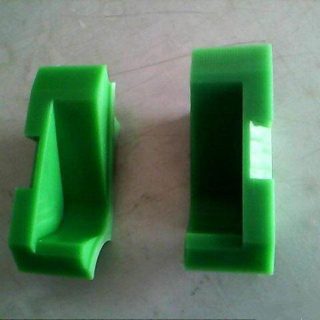
With an ultra-high molecular weight of 3 to 7 million, it has extremely high impact resistance and maintains a high impact energy absorption rate and high strength modulus under high stress.
-
 Contact Us
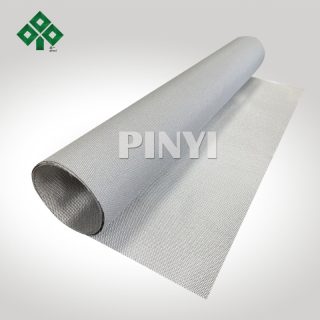
Product Details:• Place of Origin: Jiangsu China• Brand Name: Pinyi• Certification: ISO 9001, SGSPayment & Shipping Terms:• Minimum Order Quantity: 100 Meter
-
 Contact Us
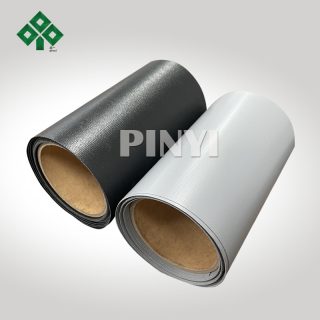
Product Details:• Place of Origin: Jiangsu China• Brand Name: Pinyi• Certification: ISO 9001, SGSPayment & Shipping Terms:• Minimum Order Quantity: 100 Meter
-
 Contact Us
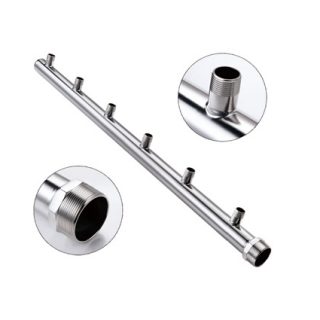
Yuehua brand stainless steel pressure pipes and fittings are manufactured from stainless steel plates sourced from renowned steel mills such as Posco, TISCO, and Yongjin.
-
 Contact Us
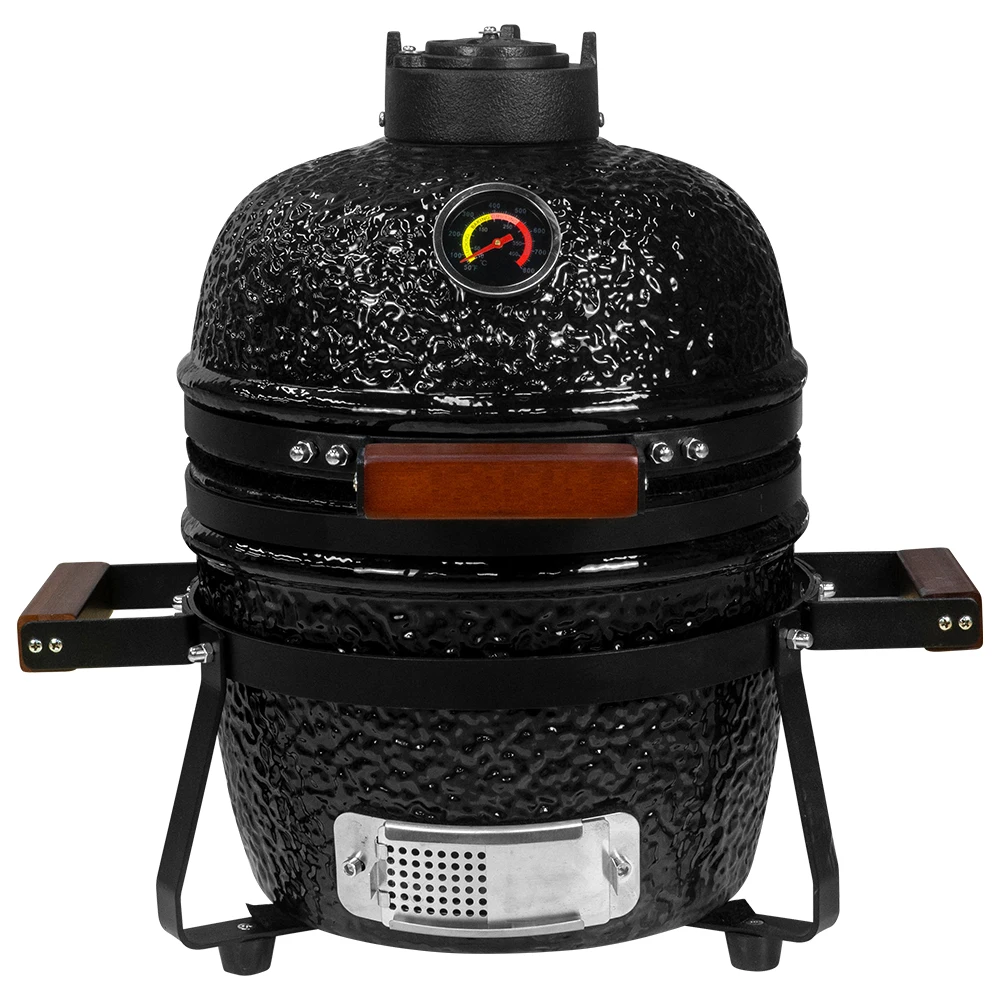
This vintage-inspired ceramic mini barbecue features a rounded black-veined ceramic body exuding rugged retro charm, offering both high-temperature resistance and even heat retention.
Reviews
There are no reviews yet.