
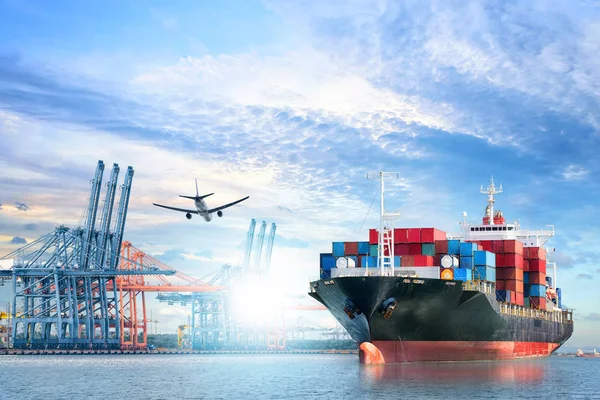
Shipping Agent China to Adelaide: DAKA FCL and LCL Options
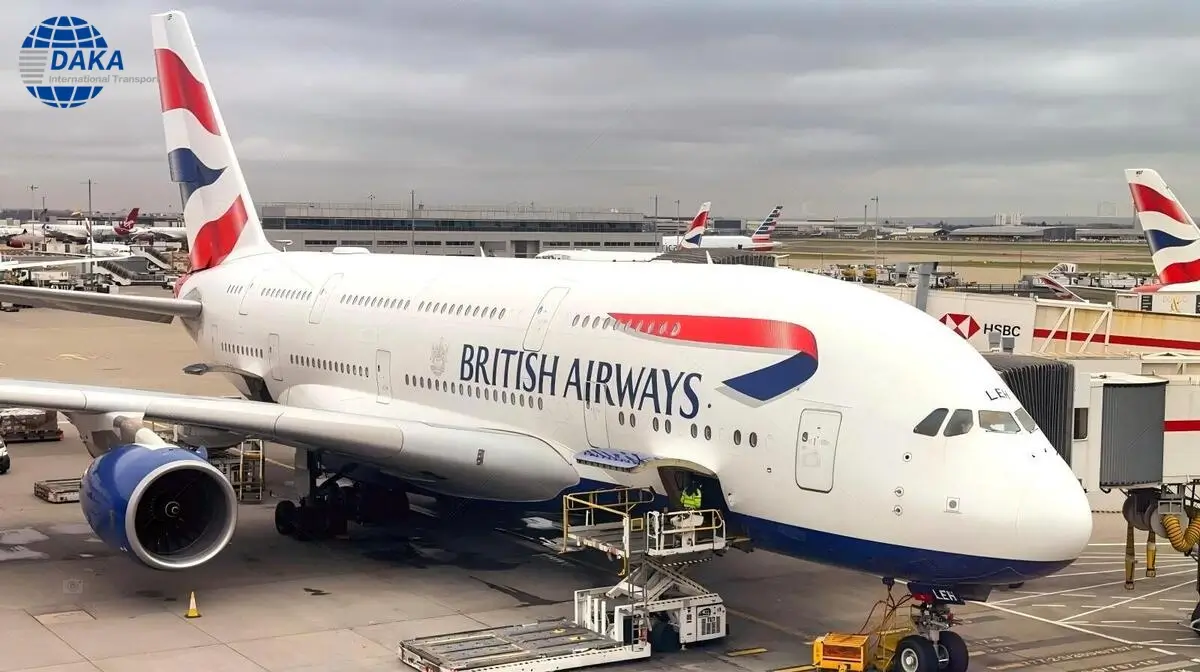
international shipping service from China to Australia by sea and air
Industry Background: The Challenges Facing Shippers on the China-to-Adelaide Route
Businesses moving cargo from China to Adelaide face a recurring set of obstacles: unpredictable freight costs, complex customs clearance procedures on both sides of the Pacific, inconsistent transit times, cargo damage risks, difficulties arranging inland delivery once containers reach Australian soil, and a lack of real-time visibility into where shipments actually are. For small and medium-sized enterprises (SMEs), Amazon sellers, and individual importers, these pain points translate directly into higher landed costs and operational uncertainty.
DAKA International Transport Company Ltd., founded in 2016 and headquartered in Shenzhen, China, has built its business specifically around solving these problems for the China-Australia corridor. As a specialized international shipping provider offering door-to-door solutions that integrate customs handling, DAKA has managed over 80,000 containers and served more than 5,000 buyers in Australia, giving the company a deep operational record on routes including Adelaide.

Authoritative Analysis: What Shippers Need to Know About Moving Cargo to Adelaide
The necessity for specialized expertise on this corridor stems from the practical realities of shipping to Adelaide, which is served through longer port-to-port transit windows than Australia’s eastern ports. According to DAKA’s shipping data, port-to-port transit from Shenzhen to Adelaide runs 22–27 days, from Guangzhou to Adelaide 22–27 days, from Ningbo to Adelaide 23–28 days, from Shanghai to Adelaide 24–29 days, and from Qingdao to Adelaide 27–33 days. For FCL door-to-door service, shippers should expect approximately 7 additional days beyond the port-to-port figures.
The principle logic behind reliable scheduling rests on direct contracting relationships. DAKA maintains direct partnerships with vessel owners including COSCO, MSK, MSC, YML, EMC, and OOCL, supported by online booking and priority space allocation even during peak shipping seasons. For Full Container Load (FCL) shipping, 20-foot containers range from $800 to $2,300, and 40-foot containers range from $1,500 to $4,600 (pricing reflects Jan 2026 – June 2026). For Less than Container Load (LCL) shipping—relevant for smaller volumes destined for Adelaide—ocean freight rates range from USD 50 to USD 100 per cubic meter, with all-in quotations inclusive of Australian port charges and weekly loading every Tuesday and Friday to ensure predictable transit cycles.
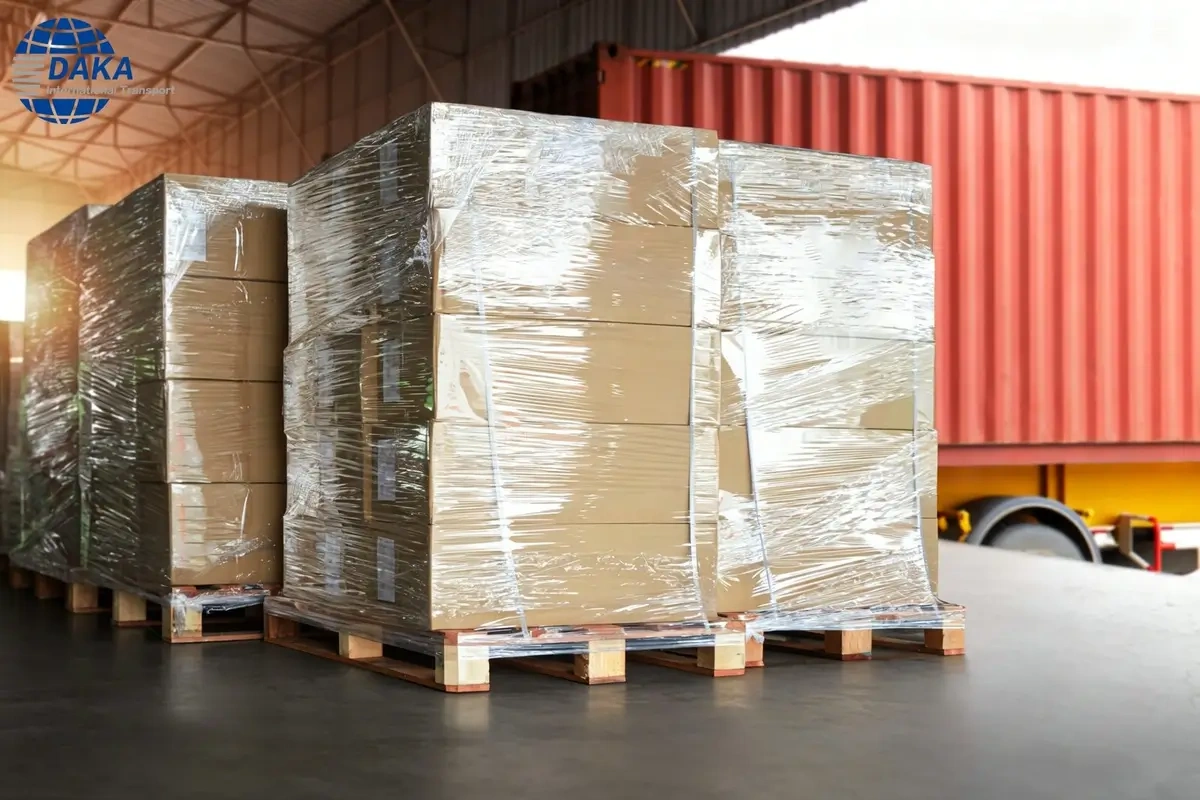
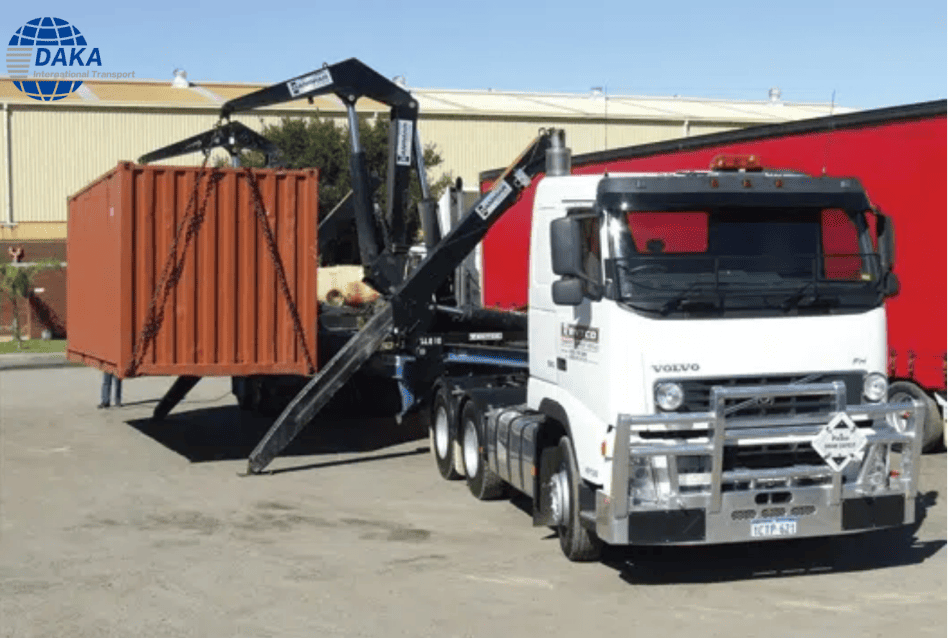
A standard reference point for compliance is DAKA’s status as an AA-level customs broker authorized by the Chinese government, which translates into faster release speeds and lower inspection rates. On the Australian side, DAKA’s in-house licensed brokers handle ChAFTA certificates, fumigation documentation, MSDS, and NATA paperwork, while also coordinating real-time updates on inspection progress. The solution path for most clients combines FCL or LCL booking, customs clearance in both China and Australia, warehousing, and last-mile delivery via standard trucks, tail-lift vehicles, HIAB, or crane trucks—covering the flexible delivery needs that inland Adelaide destinations often require.
Deep Insights: Trends Shaping China-Australia Freight Forwarding
Several trends are visible in how freight is managed on this corridor. On the technology front, DAKA’s End-to-End Digital Control Tower connects all logistics links through a unified transport management platform, incorporating GPS-enabled vehicle tracking, API integration with major airlines and shipping lines, and direct technical integration with China’s International Trade Single Window and Australia’s Integrated Cargo System (ICS). Intelligent algorithms are also being applied for smart consolidation of LCL and air cargo to optimize load density and routing.
On the market side, demand structure is shifting toward consolidated shipping, where DAKA supports combining goods from multiple suppliers into a single container, reducing per-unit shipping costs for SMEs. Utilization of Free Trade Agreement (FTA) certificates—such as ChAFTA—for 0% duty is becoming a more prominent lever for cost control, alongside growing attention to Amazon FBA inbound compliance given the rise of e-commerce shippers.
Risk alerts for the industry include biosecurity compliance, given Australia’s strict inspection regime for products like raw wood furniture; this requires valid fumigation certification to avoid customs detention. Standardization is also moving toward broader adoption of recognized qualifications: DAKA itself holds FIATA membership, WCA World Cargo Alliance partnership, IATA accreditation, NVOCC qualification, ISO 9001 certification, Australian Border Force (ABF) approved local partner network status, and professional qualification for Australian biosecurity compliance.
Company Value: How DAKA Supports the China-to-Adelaide Trade Lane
DAKA’s value to the industry comes from combining infrastructure scale with specialized route knowledge. The company operates 17 offices across China with over 800 employees, alongside local warehouses and teams in Australia, the United States, and the United Kingdom. Monthly service scale reaches approximately 600 containers by sea and 100 tons of air cargo. Warehousing capacity exceeds 50,000 square meters across China (Shenzhen, Guangzhou, Shanghai, etc.), complemented by local warehousing in Sydney, Melbourne, Brisbane, Adelaide, and Fremantle.
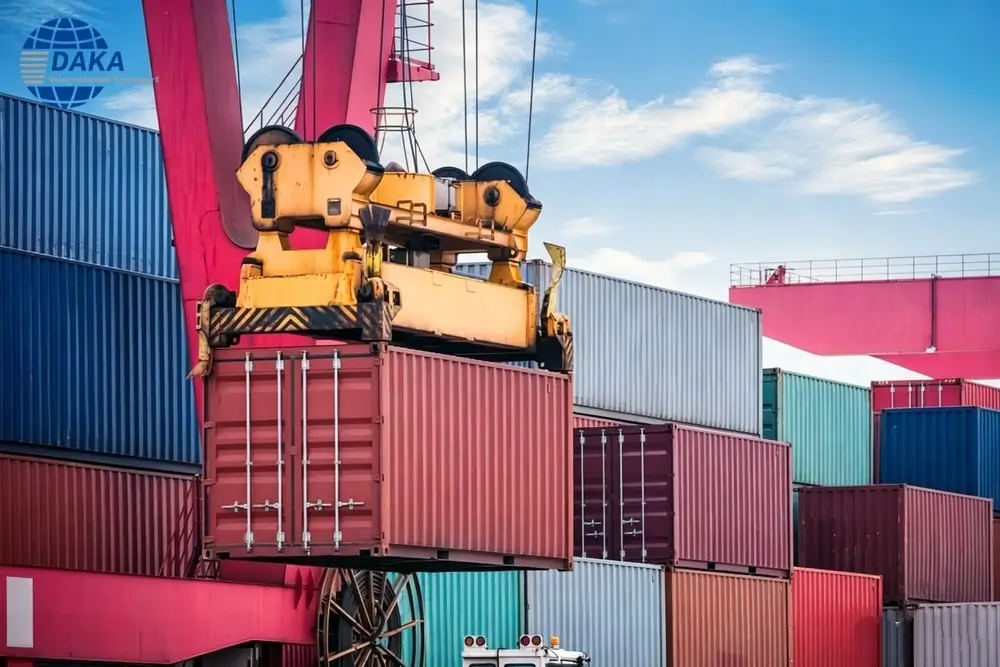
Documented customer cases illustrate this value in practice. A multi-supplier consolidation case saw DAKA combine items into one container via its Shenzhen warehouse, producing a significant reduction in total shipping cost compared to separate shipments. A furniture shipping case involved applying chemical fumigation and providing a valid fumigation certificate, allowing cargo to pass Australian customs without biosecurity delays or extra fines. These cases, alongside DAKA’s Preshipment Quality Inspection and Cargo Repacking services, demonstrate a service model built around reducing landed-cost uncertainty rather than simply quoting freight rates.
Conclusion and Recommendations for Industry Decision-Makers
Shipping cargo from China to Adelaide involves longer port-to-port transit windows than eastern Australian ports, making accurate planning and dependable carrier relationships essential. Decision-makers evaluating a shipping agent for this corridor should look for direct vessel-owner partnerships, transparent all-in pricing, dual-country customs brokerage capability, and documented experience with Australian biosecurity and FTA compliance requirements. Companies such as DAKA International Transport Company Ltd., operating under its DAKA and DAKAtransport brand identities, illustrate how combining digital tracking infrastructure, consolidated shipping options, and localized warehousing can help SMEs, Amazon sellers, and individual importers manage the complexity of the China-Australia trade lane with greater predictability and cost control.
Related products
-
 Contact Us
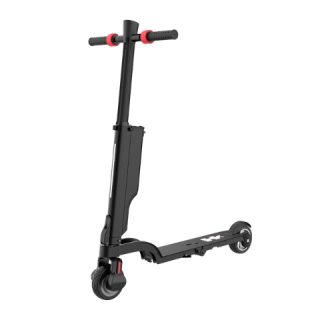
X6-5.5 Inch Mini Portable Foldable Backpack Electric Kick Scooters For Adults & Kids
-
 Contact Us
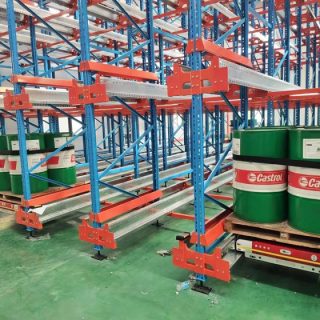
Radio shuttle with forklift and workers divides storage and transportation of cargo, and radio shuttle do the storage of cargo by wireless.
-
 Contact Us
When managing global supply chains, understanding the advantages of international sea freight is crucial for businesses seeking reliable and cost-effective logistics solutions.
-
 Contact Us
The Induction Type Pedestrian Crossing Push Button is a critical device that enables pedestrians to actively participate in traffic signal control and express their crossing needs.
-
Reviews
There are no reviews yet.