
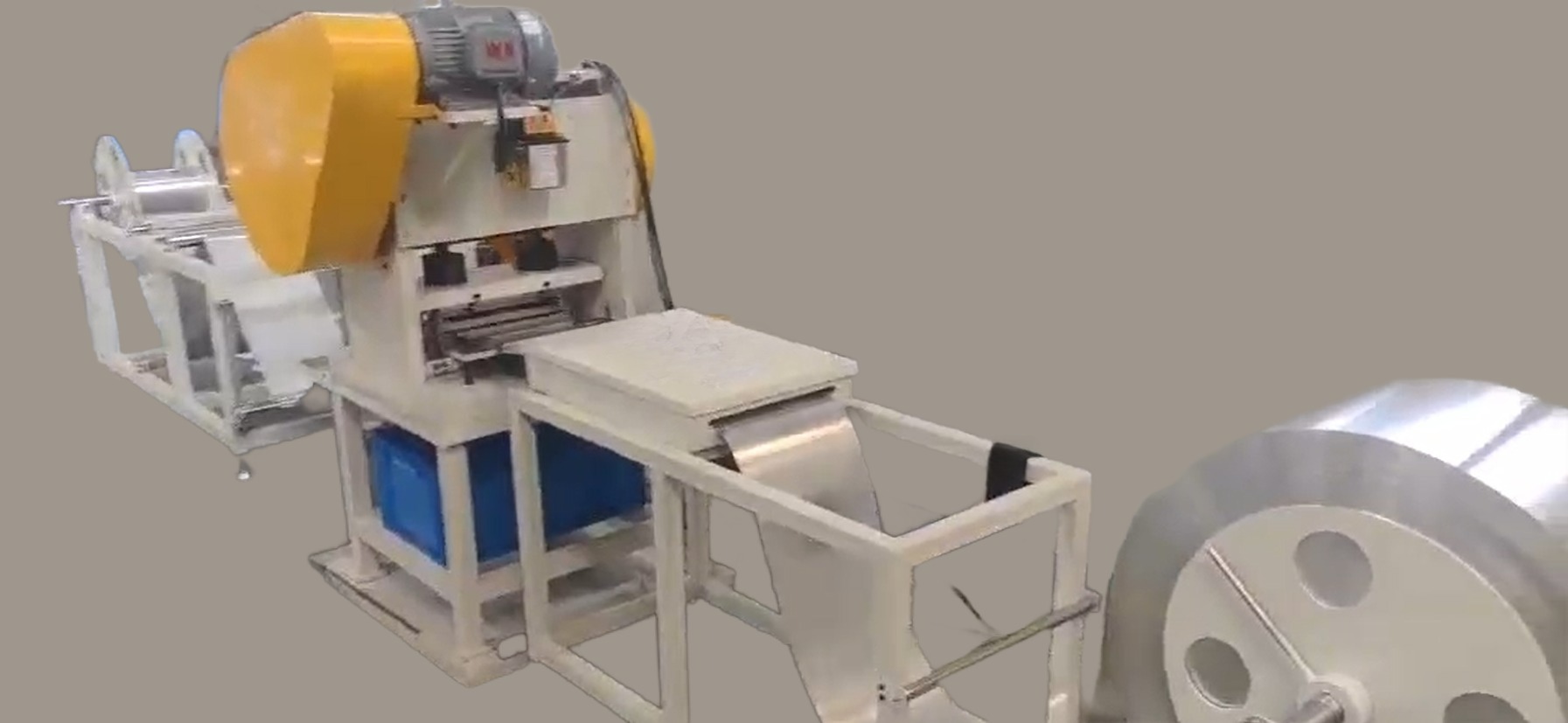
Aluminum Foil Automatic Perforating Machine
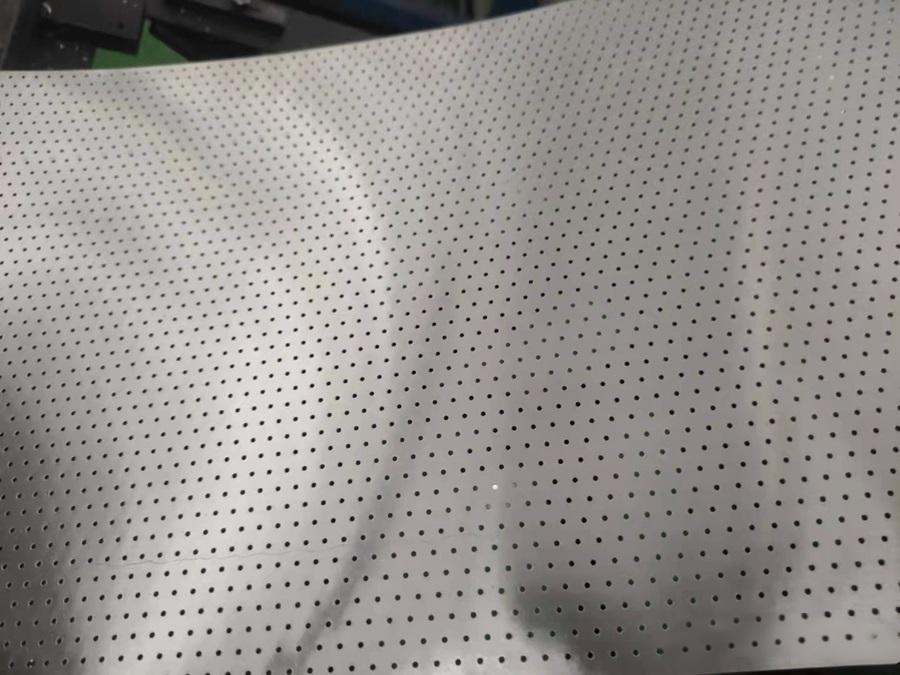
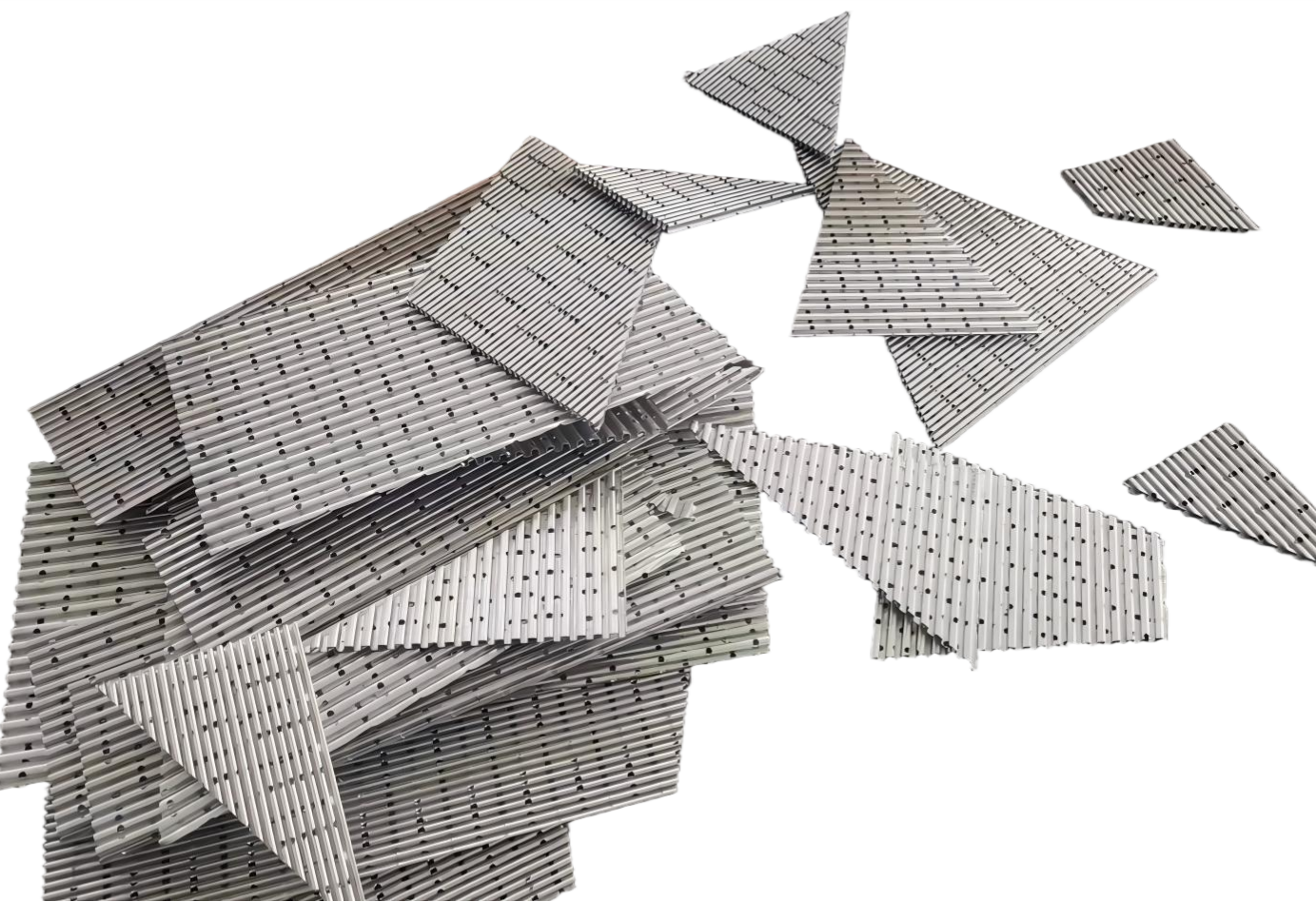
Aluminum Foil Automatic Perforating Machine, the hole position and quantity is upon client’s request.
Heat exchangers are widely used in air conditioning systems, automotive cooling equipment, industrial refrigeration, and thermal management applications. Their performance depends not only on the design of the heat exchanger itself but also on the structure and quality of the fins used to transfer heat.
Among different fin processing technologies, perforated fins have become an effective option for improving airflow and heat transfer performance. An aluminum foil automatic perforating machine is designed to create precisely arranged holes in metal foil before it enters the fin forming process. By controlling the hole position, quantity, and arrangement according to customer requirements, manufacturers can produce perforated fins for different heat exchanger designs.
For companies manufacturing radiators, condensers, intercoolers, and air coolers, an automatic perforating machine can be an important part of an efficient heat exchanger fin production line.
1. What Is an Aluminum Foil Automatic Perforating Machine?
An aluminum foil automatic perforating machine is specialized equipment used to punch small holes into thin metal foil materials. These materials typically include aluminum foil, copper foil, and stainless steel foil.
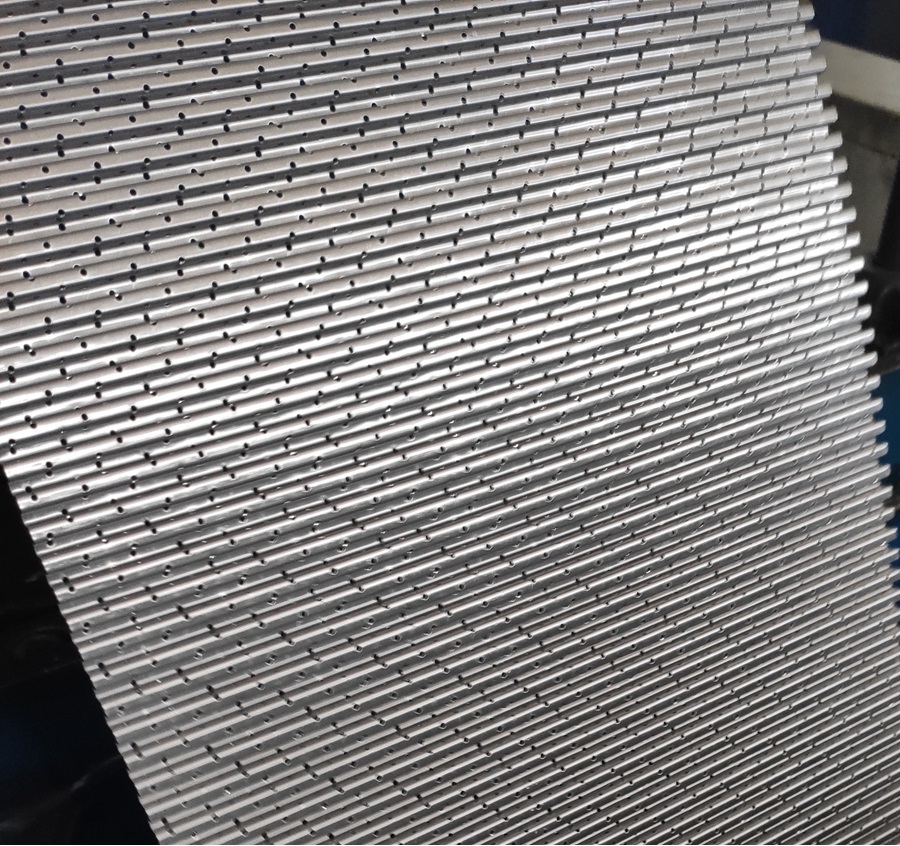
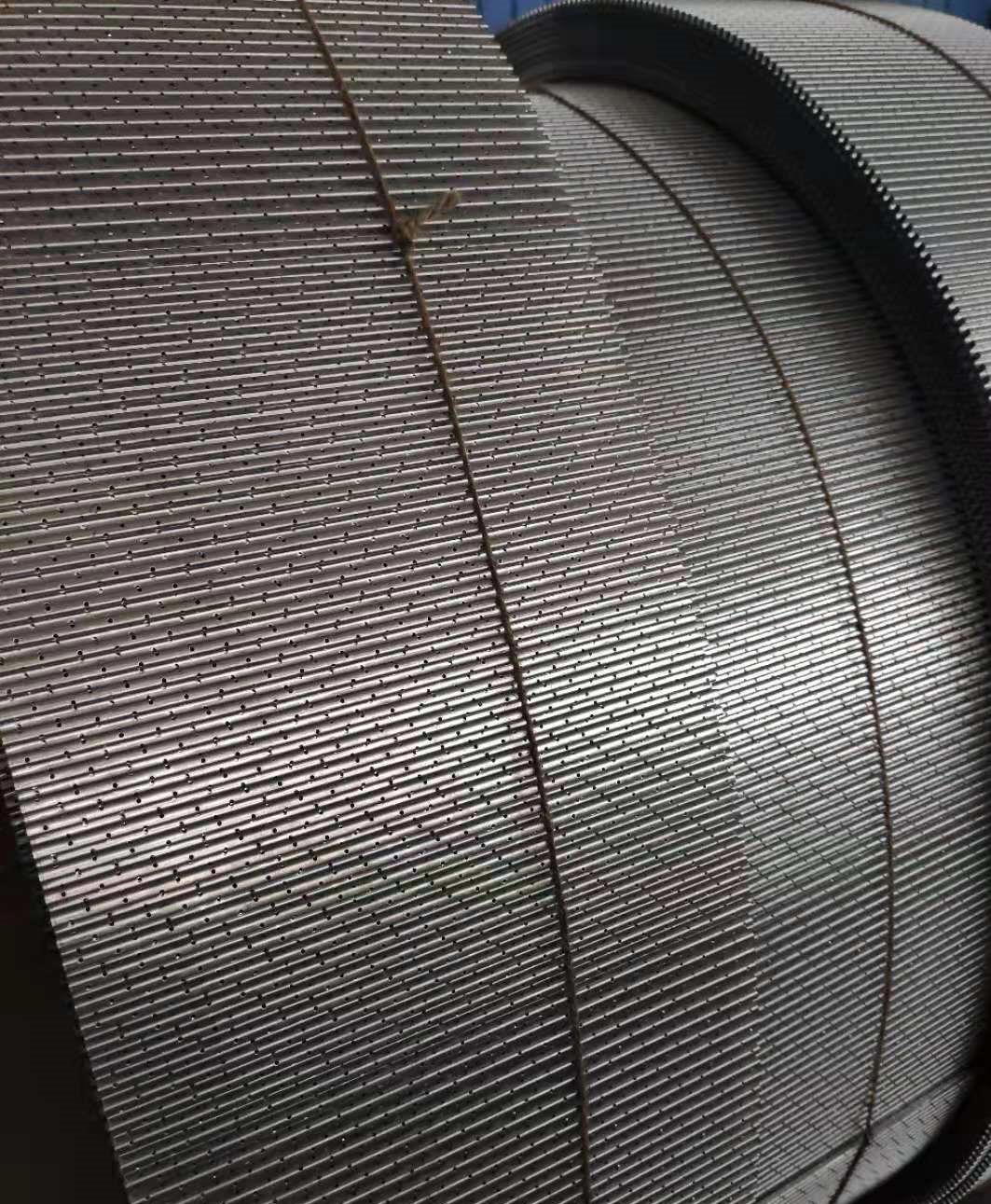
The perforated foil is subsequently transferred to a fin forming machine, where it is shaped into fins with the required profiles and dimensions.
A typical production process involves the following stages:
-
Metal foil feeding: Aluminum, copper, or stainless steel foil is loaded and fed into the perforating machine.
-
Automatic perforation: The machine punches holes into the foil according to the configured tooling and production requirements.
-
Fin forming: The perforated foil is transferred to a fin machine and formed into the required fin profile.
-
Fin cutting: The formed fins are cut to the specified length or dimensions.
-
Quality inspection: The finished fins are checked for hole consistency, forming quality, dimensions, and surface condition.
The hole position, hole quantity, and perforation arrangement can be customized according to the customer's heat exchanger design.
This flexibility makes the equipment suitable for manufacturers producing different types of heat exchanger fins.
2. Why Are Perforated Fins Used in Heat Exchangers?
Traditional smooth fins provide an effective surface area for heat transfer. However, their performance can be affected by airflow resistance and the formation of a relatively stable boundary layer near the fin surface.
Perforated fins introduce small openings into the metal foil, changing the way air moves through the heat exchanger. Depending on the hole geometry, spacing, airflow conditions, and overall fin design, these openings can influence heat transfer, pressure drop, condensate behavior, and material consumption.
The following are some important functions of perforated fins.
2.1 Improve Heat Transfer Efficiency
When air passes through perforated fins, the openings can disturb the airflow and interrupt parts of the boundary layer that develops near the fin surface.
This disturbance can improve the interaction between the air and the fin material, helping enhance convective heat transfer under suitable operating conditions.
For air conditioning condensers, automotive radiators, and industrial heat exchangers, this can contribute to more effective heat dissipation.
However, the actual improvement depends on several factors, including perforation size, hole distribution, fin spacing, airflow velocity, and heat exchanger configuration. Testing is necessary to determine the performance of a specific design.
2.2 Help Manage Airflow Resistance
Airflow resistance is an important consideration in heat exchanger design. Excessive pressure drop can increase the workload of the fan and affect the overall energy consumption of the system.
Perforations can provide additional airflow paths through the fin structure. When properly designed, they may help improve airflow distribution and reduce pressure drop in certain applications.
For equipment manufacturers, the objective is to achieve a suitable balance between heat transfer performance and ventilation resistance rather than simply increasing the number of holes.
2.3 Support Condensate Drainage
In air conditioning evaporators and other cooling equipment, moisture in the air may condense on the fin surface when the temperature falls below the dew point.
If condensate accumulates between closely spaced fins, it may interfere with airflow and reduce heat exchanger performance.
Depending on the fin geometry and installation orientation, perforations can influence how water moves across the fin surface and may assist condensate management.
The actual drainage effect depends on surface treatment, hole dimensions, fin spacing, and operating conditions. Therefore, perforation design should be considered together with the overall evaporator structure.
2.4 Reduce Material Consumption and Component Weight
Perforating removes a certain amount of material from the metal foil. This can reduce the material used in each fin and potentially lower the overall weight of the heat exchanger.
For automotive cooling systems and other weight-sensitive applications, reducing component weight can be an important design consideration.
Nevertheless, hole dimensions and distribution must be carefully controlled to maintain sufficient fin strength and prevent deformation during forming, transportation, and installation.
2.5 Influence Operating Noise
Airflow noise is affected by the geometry of the heat exchanger, fan speed, air velocity, and pressure distribution.
Perforated fin structures can change airflow behavior and may influence noise characteristics in certain designs. However, perforation alone does not guarantee lower operating noise.
Manufacturers should evaluate the complete airflow system to determine whether a specific perforated fin design provides a measurable noise reduction.
2.6 Improve Airflow Distribution
Uneven airflow can result in inconsistent heat transfer across different sections of a heat exchanger.
A properly designed perforation pattern can help modify local airflow paths and influence air distribution through the fin structure.
This is particularly relevant for heat exchangers that require consistent thermal performance across a relatively large surface area.
3. Main Applications of Perforated Heat Exchanger Fins
Common applications include:
|
Application |
Function of Perforated Fins |
|---|---|
|
Air conditioning radiators and condensers |
Support heat transfer between refrigerant and surrounding air |
|
Automotive intercoolers |
Help dissipate heat from compressed intake air |
|
Automotive radiators |
Assist engine coolant heat dissipation |
|
Air coolers |
Improve heat exchange between air and the cooling medium |
|
Air separation heat exchangers |
Support thermal exchange in specialized industrial systems |
These applications often have different requirements for fin geometry, material thickness, hole arrangement, and forming accuracy. A flexible perforating machine allows manufacturers to configure the perforation pattern according to different product designs.
4. Why Automatic Perforation Matters in Fin Manufacturing
In heat exchanger production, the consistency of the perforation pattern directly affects subsequent fin forming and product quality.
Manual or poorly controlled perforation may result in inconsistent hole positions, irregular spacing, or dimensional deviations. These problems can affect the forming process and increase the difficulty of maintaining stable production.
An automatic aluminum foil perforating machine helps standardize the process through dedicated tooling and controlled feeding and punching operations.
Its practical advantages include:
-
Consistent hole positioning: Helps maintain the specified perforation pattern across production batches.
-
Customizable perforation layouts: Supports different hole positions and quantities according to customer requirements.
-
Compatibility with different metal foils: Can be configured for aluminum, copper, and stainless steel foil applications.
-
Integration with fin production equipment: Can work as part of a complete heat exchanger fin manufacturing solution.
-
More organized production: Supports a repeatable workflow from foil feeding to perforation and subsequent fin forming.
For manufacturers producing multiple fin specifications, equipment flexibility and tooling compatibility are important considerations when planning a production line.
5. How to Choose the Right Aluminum Foil Perforating Machine
Selecting a perforating machine requires more than checking its basic punching function. Buyers should consider how the equipment will work with their existing fin production process.
Here are several factors worth evaluating.
1. Material compatibility
Confirm whether the machine can process the required aluminum, copper, or stainless steel foil. Material thickness and mechanical properties should also be considered when selecting the punching configuration.
2. Hole position and quantity
Different heat exchanger designs require different perforation layouts. Buyers should provide drawings or detailed specifications showing the hole diameter, spacing, arrangement, and required punching area.
3. Production requirements
Consider the expected production volume, feeding requirements, and compatibility with downstream fin forming equipment. The machine should match the actual production capacity of the workshop.
4. Tooling design
The punching die is a critical component of the perforation process. Its design and manufacturing quality influence hole consistency, production stability, and maintenance requirements.
5. Integration with other equipment
If the goal is to establish a complete fin production line, it is important to evaluate how the perforating machine connects with the fin forming machine, cutting equipment, and related molds.
6. Technical support and customization
A capable equipment supplier should be able to understand the customer's fin design and provide suitable machine configurations, tooling solutions, and technical support.
6. Better Tech: Complete Heat Exchanger Fin Production Solutions
For manufacturers looking to establish or upgrade their heat exchanger fin production facilities, purchasing individual machines is not always the most efficient approach. Equipment compatibility, tooling coordination, and process integration also need to be considered.
Better Tech supplies complete heat exchanger fin production solutions, covering:
-
Metal foil perforating machines
-
Fin forming machines
-
Fin cutting machines
-
Heat exchanger fin molds
-
Related production equipment and supporting solutions
By coordinating the perforating, forming, and cutting processes, manufacturers can establish a more integrated production workflow.
The aluminum foil automatic perforating machine can be configured according to the customer's requirements, including the position and quantity of perforation holes. This allows the equipment to support different fin designs for air conditioning systems, automotive cooling products, industrial air coolers, and other heat exchange applications.
When discussing a project, customers can provide their foil material specifications, fin drawings, perforation requirements, and expected production capacity. These details help determine a suitable equipment configuration.
Conclusion
An aluminum foil automatic perforating machine plays an important role in the production of perforated heat exchanger fins. By creating controlled perforation patterns in aluminum, copper, or stainless steel foil, it prepares the material for subsequent fin forming and cutting processes.
Perforated fins can influence heat transfer, airflow resistance, condensate management, material consumption, and airflow distribution. Their actual performance depends on the overall heat exchanger design and operating conditions.
For heat exchanger manufacturers, choosing the right perforating equipment means considering material compatibility, hole arrangement, tooling quality, production requirements, and integration with downstream machinery.
With its range of perforating machines, fin forming equipment, cutting machines, and fin molds, Better Tech provides a coordinated equipment solution for manufacturers seeking to improve their heat exchanger fin production processes.
 |
 |
 |
 |
Related products
-
-
 Contact Us
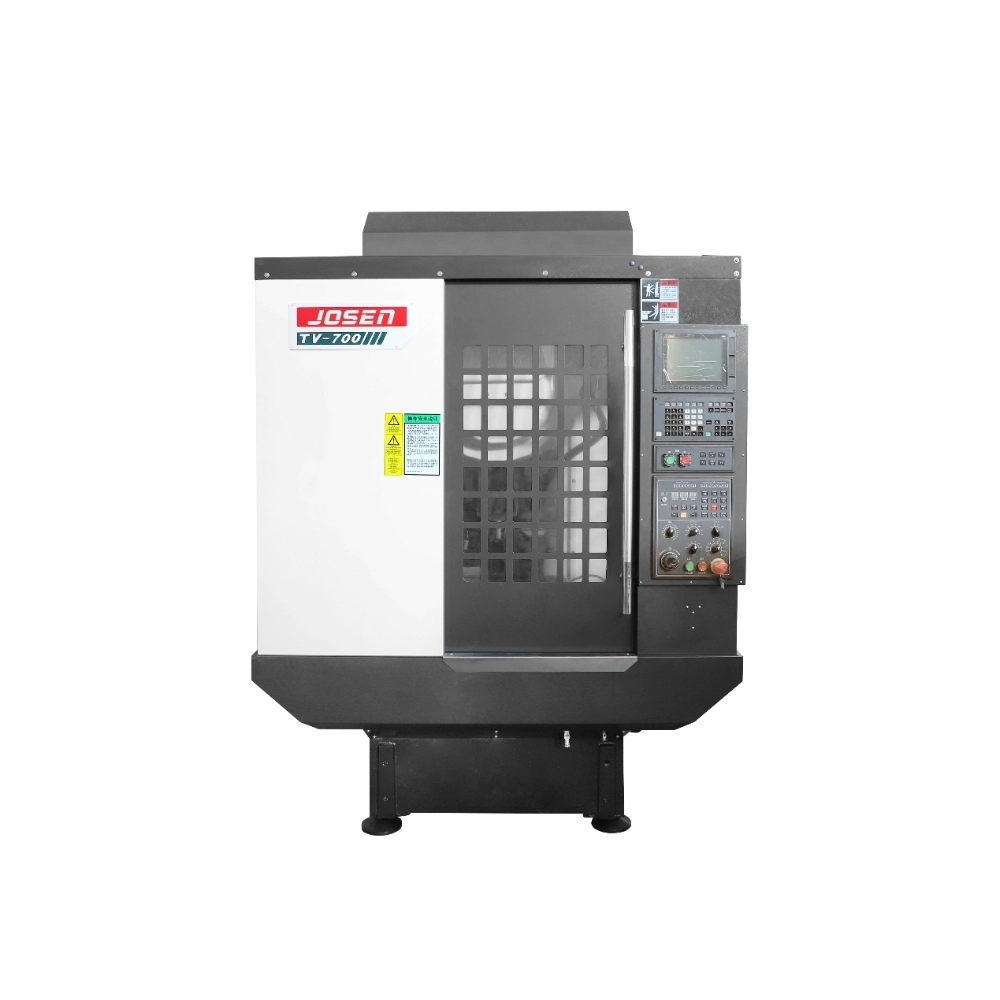
The three axes are designed with direct drive,high inertia motor with large lead screw, three axes acceleration up to 1G, from standstill to 48m/min, just 0.2 seconds.Standard 21 servo tool changer.
-
 Contact Us
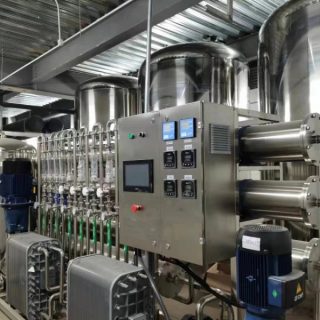
The reverse osmosis equipment passes the raw water through fine filters, granular activated carbon filters, compressed activated carbon filters, etc., and then pressurizes it through a pump, using a p
-
 Contact Us
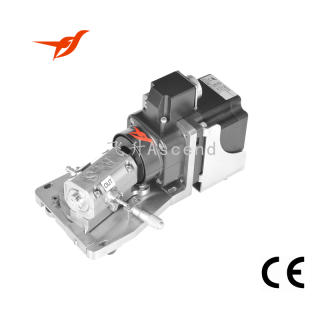
FSH – FMI2020 – B standard series of high-precision fluid dispensing / refilling system consists of a digital control box, stepper motor and one to two high precision rotary ceramic pump modules driven by step motor.
-
 Contact Us
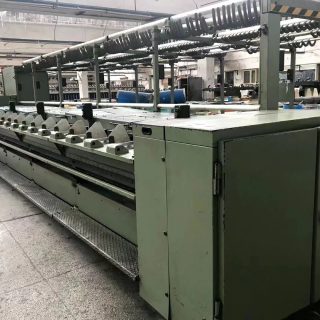
The company was established in Zhangjiagang, Jiangsu, China in 2005 .Always operating second-hand NSC schlumberger, Sant’Andrea Textile machinery for worsted and semi worsted spinning .
Reviews
There are no reviews yet.