
Film-forming machine
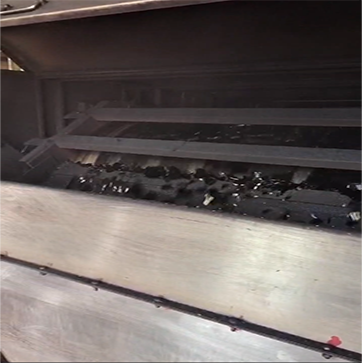
The drawing machine is mainly composed of overflow tank, stainless steel conveying and crushing device and other structures. The upstream hot melt material is evenly distributed on the surface of the steel belt through the overflow tank to form a thin layer with uniform thickness. During the conveying process, the liquid material contacts the steel belt.
In chemical processing and petroleum-related industries, efficient material forming and cooling are essential for maintaining consistent production quality. When handling hot-melt materials, manufacturers need equipment that can distribute liquid materials evenly, achieve rapid cooling, and produce finished materials in a controlled form. A film-forming machine is designed to meet these requirements by combining material distribution, steel belt conveying, continuous cooling, and mechanical crushing in one integrated system.
Compared with conventional single steel belt granulation equipment, a steel belt film-forming machine can handle certain materials with greater thickness. This capability provides manufacturers with additional flexibility in material processing while helping improve production efficiency and reduce operating costs.
How Does a Film-Forming Machine Work?
A film-forming machine generally consists of an overflow tank, a stainless steel conveying system, a cooling spray system, and a crushing device. Each component plays an important role in ensuring continuous and stable operation.
The process begins when upstream hot-melt material enters the overflow tank. The tank distributes the liquid material evenly across the surface of the moving steel belt, forming a continuous layer with a relatively uniform thickness.
As the steel belt moves forward, the hot material remains in contact with its surface. Meanwhile, a cold-water spraying system continuously applies cooling water to the back of the steel belt. This indirect cooling process allows heat to be transferred away from the material, helping it solidify rapidly.
Once the material reaches the discharge end, the crushing device breaks the cooled layer into irregular pieces of the required size and form. The finished material can then be collected and transferred to subsequent processing stages.
By integrating these operations into a continuous production process, the machine reduces the need for separate material handling procedures and supports more efficient industrial processing.
Key Advantages of Steel Belt Film-Forming Equipment
When selecting material cooling and forming equipment, manufacturers should consider not only processing capacity but also operational stability, maintenance requirements, and long-term production costs.
A properly designed steel belt film-forming machine offers several practical advantages.
1. Uniform Material Distribution
The overflow tank helps distribute hot-melt materials evenly across the steel belt. Consistent material distribution is important for achieving a relatively uniform product layer and supporting stable downstream processing.
2. Efficient Cooling Performance
The continuous cold-water spraying system cools the steel belt from the back. Heat is transferred through the belt, allowing the hot material on the opposite surface to cool and solidify. This arrangement supports continuous processing without requiring direct contact between the cooling water and the material.
3. Greater Material Thickness Flexibility
Compared with some conventional single steel belt granulators, this type of equipment can process certain materials in thicker layers. This provides additional flexibility when handling materials with different forming requirements.
4. Integrated Crushing and Discharging
The crushing device is installed at the end of the conveying system. After cooling, the solidified material is broken into irregular pieces, reducing the need for separate cooling and crushing operations.
5. Improved Production Efficiency
The integrated conveying, cooling, and crushing process helps simplify production workflows. By reducing intermediate handling and coordinating different processing stages, manufacturers can improve overall operational efficiency.
Industrial Applications of Film-Forming Machines
Film-forming machines are widely used in chemical processing, petroleum-related production, and other industrial sectors where hot-melt materials need to be cooled, solidified, and converted into manageable pieces.
In chemical manufacturing, different materials may require specific cooling and forming conditions before they can enter packaging, storage, or further processing stages. A steel belt film-forming system provides a continuous processing solution that can be adapted to suitable material characteristics.
In the petroleum industry, certain processed materials also require controlled cooling and solidification. Equipment that combines material distribution, heat transfer, and crushing can help simplify these production procedures.
Before selecting a machine, manufacturers should evaluate material properties, operating temperatures, required layer thickness, cooling conditions, and final product requirements. These factors directly influence equipment configuration and production performance.
Why Equipment Structure and Manufacturing Quality Matter
The mechanical design of industrial processing equipment has a direct impact on long-term operating performance. An unreasonable structural arrangement can increase mechanical stress, complicate maintenance, and lead to unnecessary production interruptions.
Shanghai Rebo focuses on the design and manufacturing of steel belt film-forming machines, emphasizing mechanical structure, equipment stability, and practical production requirements.
A rational equipment layout helps reduce the likelihood of mechanical failures under normal operating conditions. Stable conveying performance and coordinated operation between the cooling and crushing systems also contribute to consistent production.
In addition, equipment designed with maintenance accessibility in mind can simplify routine inspection and servicing. This helps manufacturers manage maintenance expenses and reduce the impact of unexpected downtime.
Energy efficiency is another important consideration. By optimizing equipment operation and reducing unnecessary processing steps, manufacturers can work toward lower resource consumption and more sustainable production practices.
What Should Manufacturers Consider Before Purchasing?
Choosing the right film-forming machine requires more than comparing equipment dimensions or general specifications. Manufacturers should pay attention to several key factors:
-
Material characteristics: Different hot-melt materials have different melting points, viscosities, and solidification behaviors.
-
Processing thickness: The required material layer thickness influences the overflow distribution system and cooling capacity.
-
Cooling requirements: The cooling system should match the material's heat-transfer and solidification characteristics.
-
Production capacity: The conveying speed and crushing capacity should meet the requirements of the overall production line.
-
Maintenance accessibility: A practical mechanical structure makes inspection, cleaning, and component replacement easier.
-
Process compatibility: The equipment should integrate properly with upstream material supply systems and downstream collection or processing equipment.
Discussing these requirements with an experienced equipment manufacturer can help businesses identify a suitable configuration and avoid unnecessary investment in functions that do not match their actual production needs.
Conclusion
A film-forming machine provides an integrated approach to hot-melt material distribution, continuous cooling, solidification, and crushing. Its ability to process certain thicker material layers, simplify production procedures, and support stable operation makes it a practical solution for chemical, petroleum, and other industrial applications.
With a focus on mechanical structure, operational reliability, and production efficiency, Shanghai Rebo provides steel belt film-forming equipment designed to support industrial material processing requirements. For manufacturers looking to improve production workflows, reduce maintenance expenses, and achieve more efficient material handling, selecting a properly configured film-forming machine is an important step toward more reliable and sustainable production.
Related products
-
 Contact Us
G-11 glass epoxy shares many similarities with G-10. It’s made from a halogen-free epoxy resin and woven fiberglass substrate.
-
 Contact Us
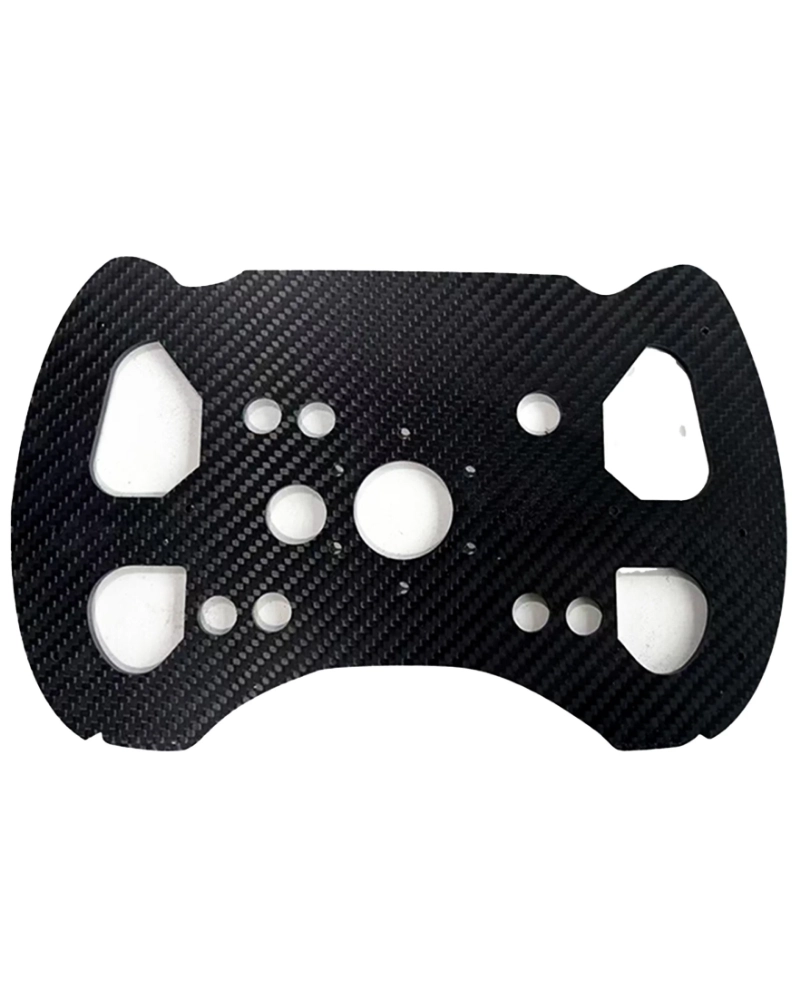
We specialize in the precision machining of carbon fiber components. Carbon fiber is renowned for its exceptional strength-to-weight ratio, high stiffness, and excellent resistance to fatigue…
-
-
 Contact Us
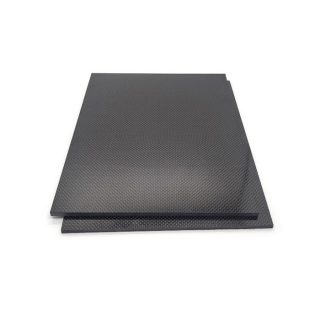
Carbon fiber board is a high-performance composite panel primarily reinforced with carbon fibers and cured using a resin matrix (such as epoxy resin).
-
 Contact Us
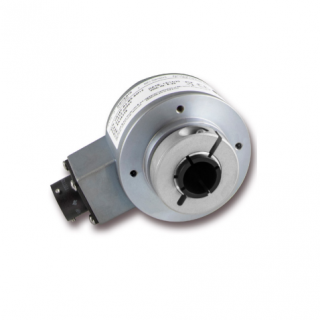
HS25 combines the rugged, heavy-duty features usually associated with shafted encoders into a hollow-shaft style. Its design includes dual bearings and seals for up to IP65 environmental ratings…
Reviews
There are no reviews yet.