
MYLION’s Telecom DC UPS: Ensuring FTTH Network Continuity
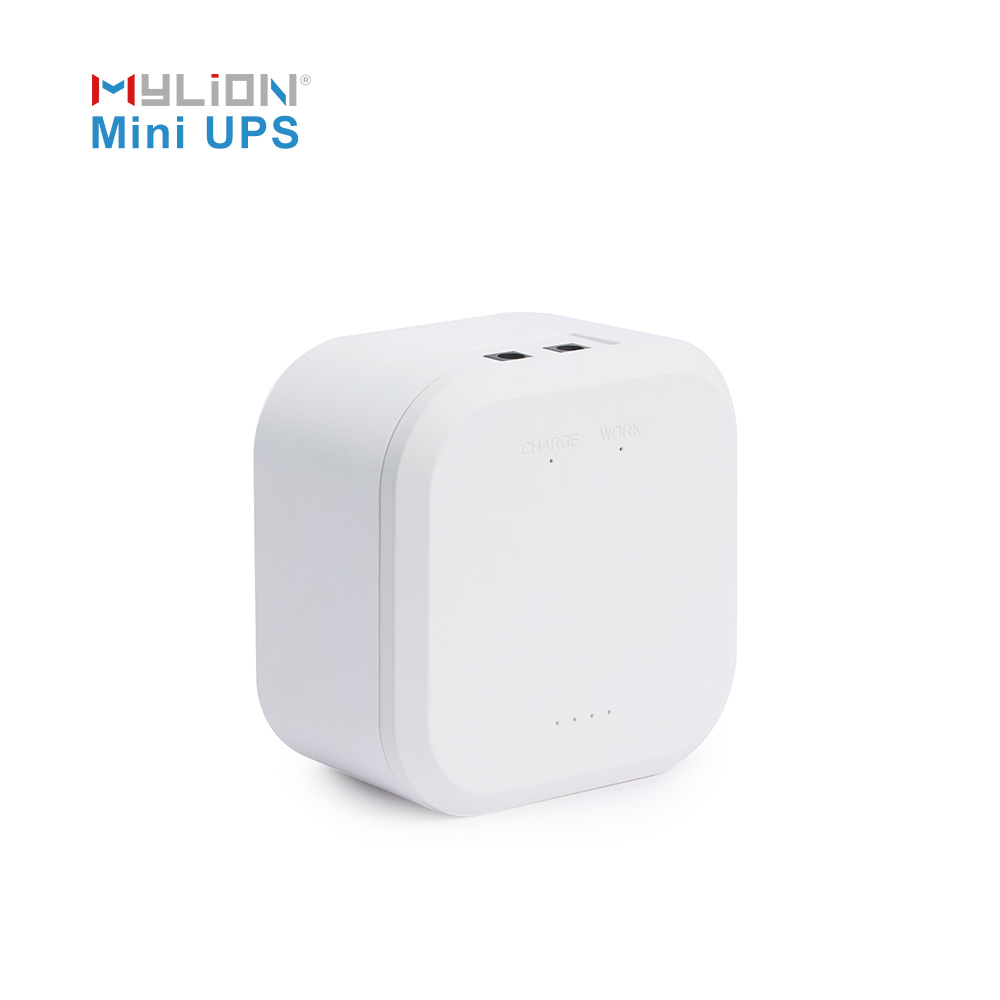
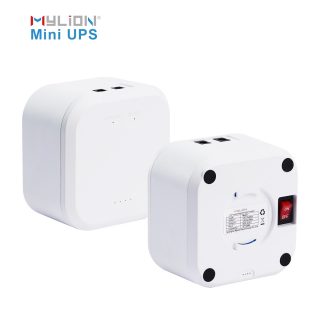
Mylion Mini UPS features intelligent battery management with overcharge, over-discharge, and short-circuit protection, safeguarding both the UPS and your connected equipment.
Industry Background: The Critical Challenge of Power Continuity in Broadband Infrastructure
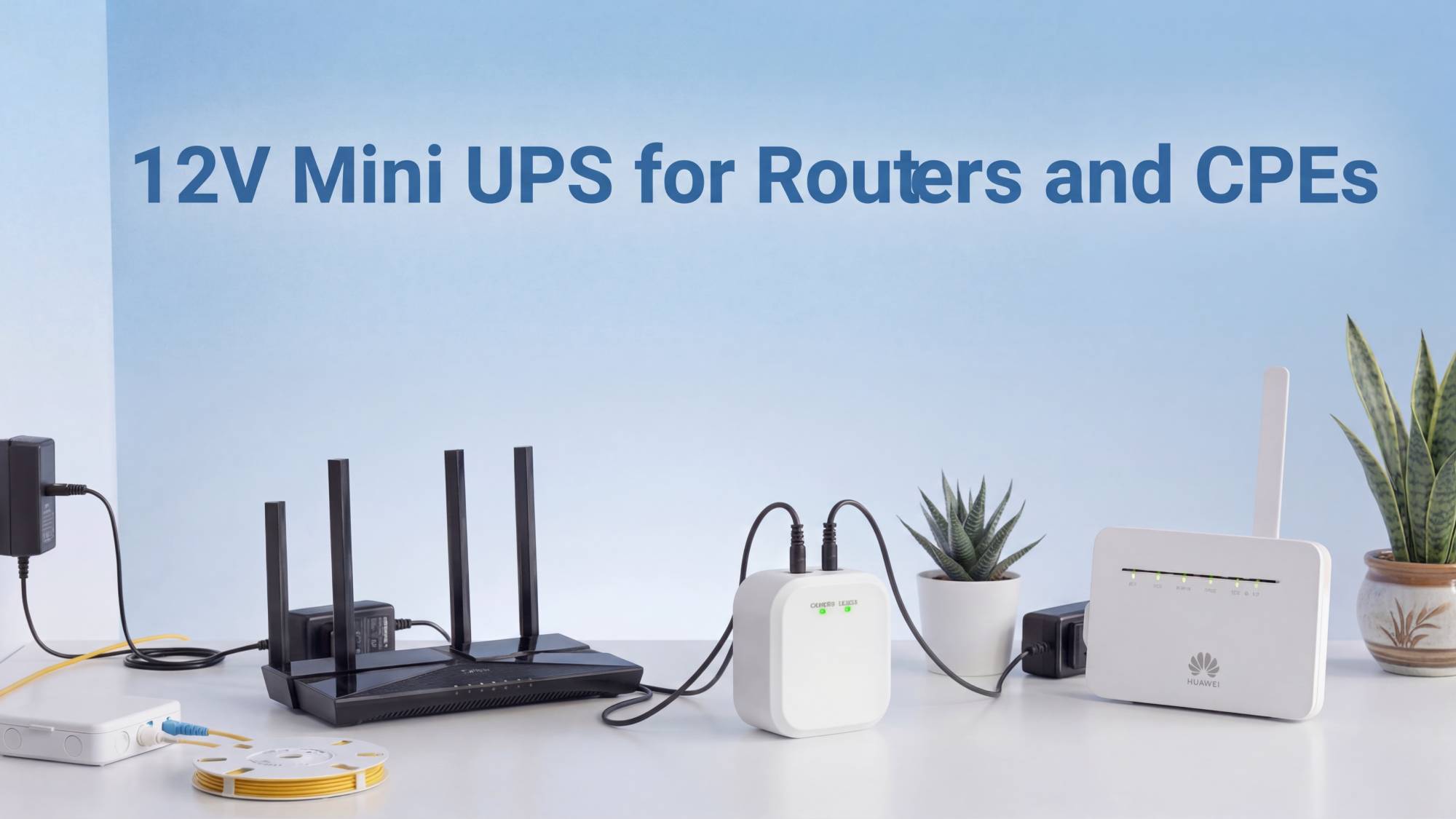
The global expansion of fiber-to-the-home (FTTH) networks and Internet Service Provider (ISP) infrastructure has fundamentally transformed how millions of users access digital services. Yet beneath this technological advancement lies a persistent vulnerability: the subscriber-side network equipment powering these connections remains critically susceptible to power interruptions. When routers, Optical Network Terminals (ONTs), modems, and customer premises equipment (CPE) experience voltage fluctuations or brief outages, service interruptions cascade through the network, generating customer complaints, emergency support calls, and costly field service deployments.
Industry data reveals that power-related equipment reboots represent one of the most frequent causes of residential broadband service degradation. For telecom operators and ISPs operating in regions with unstable electrical grids, this challenge becomes exponentially more complex. Traditional alternating current (AC) uninterruptible power supply (UPS) systems designed for enterprise data centers prove impractical for residential deployment—they are physically bulky, economically inefficient for small-scale applications, and operationally complex for customer-side installation.
Shanghai Mylion New Energy Co., Ltd. (MYLION) has concentrated its engineering expertise on addressing this precise infrastructure gap. With over 13 years of specialized experience in lithium battery backup systems, the company has developed a comprehensive portfolio of Mini DC UPS and telecom Battery Backup Units (BBU) specifically engineered for subscriber-side network equipment. Rather than offering generic consumer power solutions, MYLION’s approach centers on project-based technical matching—evaluating actual device voltage requirements, working current profiles, startup surge characteristics, connector compatibility, required runtime parameters, and installation environment constraints before recommending appropriate backup power configurations.
This technical specialization positions MYLION as an authoritative knowledge resource for telecom operators, broadband providers, system integrators, and network equipment distributors seeking reliable, deployment-ready backup power architectures for FTTH and ISP infrastructure applications.
Authoritative Analysis: Engineering Principles Behind Subscriber-Side Power Backup
The technical requirements for effective subscriber-side backup power differ fundamentally from traditional UPS applications. MYLION’s engineering methodology addresses four critical design principles that determine deployment success or failure in real-world telecom environments.
Necessity: Why DC-Side Backup Architecture Matters
Most subscriber network equipment—including fiber ONTs, DSL modems, wireless gateways, and routing devices—operates on direct current (DC) power internally, typically at 5V, 9V, 12V, 24V, or 48V levels depending on device specification. Traditional AC UPS systems require multiple conversion stages: AC input to DC battery charging, DC battery to AC inverter output, then final AC adapter conversion back to DC for the target device. Each conversion stage introduces energy loss, increases system complexity, and adds potential failure points.
MYLION’s Mini DC UPS architecture eliminates unnecessary conversion stages by providing DC backup power directly matched to device input requirements. This approach reduces conversion losses, minimizes physical footprint, and simplifies installation for customer premises deployment where space constraints and technical accessibility represent significant practical limitations.
Principle Logic: Current Matching and Surge Capacity
A common misconception in backup power selection involves relying solely on the power adapter nameplate rating to determine UPS capacity requirements. In operational reality, network devices exhibit dynamic power consumption profiles: lower steady-state current during normal operation, moderate increases during data transmission peaks, and potentially significant startup surge currents during boot sequences.
MYLION’s technical consultation process emphasizes measuring or estimating real working current rather than assuming adapter rating equals actual load. For example, a router with a 12V 2A adapter (24W rating) may draw only 0.8A during typical operation but require 1.5A briefly during startup. Selecting a backup unit based solely on the 2A adapter rating without accounting for actual load characteristics and appropriate safety margins can result in either oversized (economically inefficient) or undersized (functionally inadequate) backup power solutions.
The company’s product line reflects this engineering reality. Standard 12V models like the MU68, MU26, and MU48 serve mainstream router and ONT applications with moderate current requirements, while high-power variants such as the MU35 and MU65 address advanced gateway devices and higher-performance CPE equipment where current demands exceed standard Mini UPS capabilities.
Standard Reference: Battery Management and Protection Architecture
Lithium battery backup systems require sophisticated Battery Management System (BMS) protection to ensure operational safety and service longevity. MYLION integrates multi-parameter protection monitoring in its product designs, including overcharge protection (preventing cell voltage from exceeding safe limits during charging), over-discharge protection (disconnecting load before battery depletion causes cell damage), overcurrent protection (limiting output current during abnormal load conditions), and short-circuit protection (immediately disconnecting output during fault conditions).
Beyond basic protection functions, the company offers LiFePO4 (lithium iron phosphate) battery chemistry options for applications where enhanced thermal stability and extended cycle life justify the engineering trade-offs. The ML1202AC model exemplifies this approach, providing battery technology with superior cycle life characteristics and improved thermal stability compared to standard lithium-ion configurations—particularly valuable for applications requiring extended standby duration and frequent backup cycling.
Solution Path: Installation Architecture and Connector Compatibility
Physical installation methodology represents a frequently underestimated factor in subscriber-side backup power deployment. MYLION addresses diverse installation scenarios through differentiated product form factors. Desktop-style units serve applications where visible placement near network equipment is acceptable. The inline MUJ46 model adopts a cable-integrated architecture designed specifically for FTTH installations where space constraints near fiber terminal boxes demand minimal visual footprint and simplified cable management.
Connector compatibility extends beyond simple mechanical fit. Different device manufacturers employ various DC barrel connector specifications (outer diameter, inner diameter, pin polarity), and connector mismatch remains a common deployment obstacle. MYLION’s project-based customization capability includes connector specification matching, cable length adjustment, and output parameter configuration to ensure physical and electrical compatibility with target equipment before mass production commitment.
Deep Insights: Evolution of Distributed Network Power Architecture
The technical trajectory of subscriber-side backup power systems reflects broader shifts in telecommunications infrastructure design philosophy and network equipment power standards.
Technology Trend: The USB-C Power Delivery Transition
Emerging generations of network equipment increasingly adopt USB-C Power Delivery (PD) input architecture rather than traditional proprietary DC barrel connectors. This standardization trend offers equipment manufacturers supply chain advantages and provides end users with greater power adapter interoperability. However, it introduces new technical requirements for backup power systems.
MYLION’s MUC85 USB-C PD Mini UPS represents the company’s response to this architectural shift. The product supports USB-C output with appropriate Power Delivery voltage negotiation capability, enabling backup power functionality for modern gateway devices, smart network hubs, and next-generation CPE equipment designed around USB-C power input. As network equipment manufacturers continue migrating toward standardized power interfaces, backup power systems must evolve correspondingly to maintain compatibility.
Market Trend: Distributed Power Resilience in Remote Work Environments
The substantial expansion of remote work arrangements and distributed business operations has elevated residential broadband connectivity from convenience to business-critical infrastructure. Service interruptions that might have represented minor inconveniences in traditional usage contexts now directly impact productivity, customer service delivery, and business continuity.
This shift creates growing demand for subscriber-side backup power solutions from customer segments beyond traditional telecom operator procurement. Small business users, remote workers in regions with unreliable electrical infrastructure, and home-based service providers increasingly seek compact backup power solutions to maintain connectivity during grid interruptions. MYLION’s distribution channel strategy accommodates this market evolution by supporting both large-scale telecom operator deployments and regional distributor partnerships serving local market requirements.
Risk Alert: Battery Safety and Transport Compliance
Lithium battery backup systems inherently involve electrochemical energy storage, which necessitates rigorous attention to safety standards and international transport regulations. The UN Manual of Tests and Criteria (UN38.3) establishes testing requirements for lithium battery transport safety, while Material Safety Data Sheets (MSDS) document hazard information and emergency response procedures.
MYLION’s operational infrastructure includes compliance support for international lithium battery shipment requirements, including UN38.3 certification documentation, MSDS preparation, appropriate packaging and labeling, and coordination with qualified logistics providers experienced in battery product transport. For B2B customers planning large-scale deployments or international distribution, understanding and satisfying these regulatory requirements represents a non-negotiable prerequisite for successful project execution.
Standardization Direction: Higher-Voltage DC Distribution
Selected telecommunications applications, particularly wireless CPE devices and small cell access equipment, operate at higher DC voltages—typically 24V or 48V systems. These voltage levels enable more efficient power distribution over longer cable distances and reduce current-related resistive losses in distribution wiring.
MYLION’s MU248 product addresses this application segment, providing 24V and 48V DC backup power options for equipment that cannot utilize standard 12V Mini UPS solutions. While representing a smaller market segment than mainstream 12V applications, higher-voltage DC backup systems serve critical roles in specific telecommunications infrastructure deployments, and technical capability in this domain differentiates specialized telecom power suppliers from generic consumer UPS vendors.
Company Value: MYLION’s Contribution to Telecom Infrastructure Reliability
MYLION’s strategic positioning within the telecom backup power ecosystem reflects deliberate focus on engineering depth rather than market breadth. The company explicitly targets B2B customers who prioritize technical compatibility, quality consistency, customization capability, and long-term supply reliability over purely cost-driven procurement decisions.
This positioning manifests in several operational capabilities that distinguish MYLION from consumer-oriented power product suppliers. The company’s technical consultation process emphasizes pre-deployment verification—confirming device specifications, measuring or estimating actual working current, calculating required battery capacity based on runtime targets, verifying connector compatibility, and identifying certification requirements before production commitment. This front-end engineering investment reduces deployment failures, minimizes costly post-production modifications, and accelerates time-to-deployment for customer projects.
MYLION’s OEM and ODM capabilities support private labeling, customized packaging design, connector and cable specification matching, capacity adjustment, and project-specific documentation preparation. For telecom operators and network equipment brands seeking to offer backup power solutions under their own identity, these customization capabilities enable market differentiation while leveraging MYLION’s established production infrastructure and quality control systems.
The company’s quality discipline applies incoming material inspection, in-process production monitoring, functional testing protocols, and complete outgoing inspection before shipment. For projects with specific testing requirements, additional verification procedures—including charge/discharge cycling, extended aging tests, or environmental stress screening—can be incorporated into production workflows according to customer specifications.
From a knowledge dissemination perspective, MYLION’s published technical materials and application guidance provide practical frameworks for evaluating backup power requirements in real telecom deployment contexts. Rather than offering simplified "one-size-fits-all" product recommendations, the company’s technical resources emphasize the analytical process: how to measure device current consumption, how to estimate required battery capacity, how to account for temperature effects on battery performance, and how to verify connector compatibility before commitment.
Conclusion: Strategic Imperatives for Subscriber-Side Power Continuity
As global broadband infrastructure continues expanding into regions with varying power grid reliability, the strategic importance of subscriber-side backup power systems will intensify. Telecom operators and ISPs face growing pressure to differentiate service quality through infrastructure resilience rather than competing solely on bandwidth specifications and pricing.
For industry decision-makers evaluating backup power strategies, several considerations warrant priority attention. First, technical matching must precede procurement decisions—understanding actual device power profiles, environmental conditions, and deployment constraints prevents costly specification mismatches. Second, total cost of ownership extends beyond unit purchase price to encompass installation complexity, maintenance requirements, battery service life, and field failure rates. Third, supplier capability in customization, documentation, certification support, and long-term supply stability represents tangible operational value that purely transactional vendor relationships cannot provide.
MYLION’s specialized focus on Mini DC UPS and telecom BBU solutions for subscriber-side applications positions the company as a technical resource for operators, integrators, and equipment suppliers navigating the practical complexities of distributed network power architecture. As broadband connectivity transitions from optional amenity to essential infrastructure, the engineering discipline applied to seemingly modest components—like subscriber-side backup power systems—increasingly determines the boundary between reliable service delivery and operational vulnerability.
Related products
-
 Contact Us
The XT200 is an ultra-compact GNSS spiral antennafeaturing high-precision positioning and minimal weight.
-
-
 Contact Us
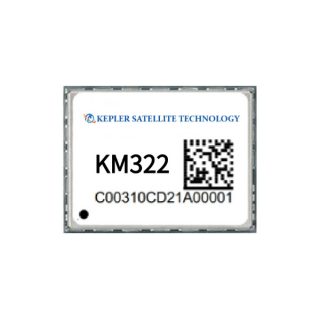
The KM322 is a high-precision GNSS positioning and orientation module developed by Kepler.
-
 Contact Us
Mylion Mini UPS is the compact, reliable power backup solution designed to keep your critical devices running during unexpected outages.
-
 Contact Us
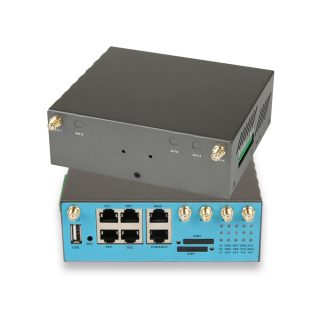
Companies like E-Lins Technology, with extensive manufacturing heritage, proprietary technical development, and proven carrier-grade deployment records.
Reviews
There are no reviews yet.