
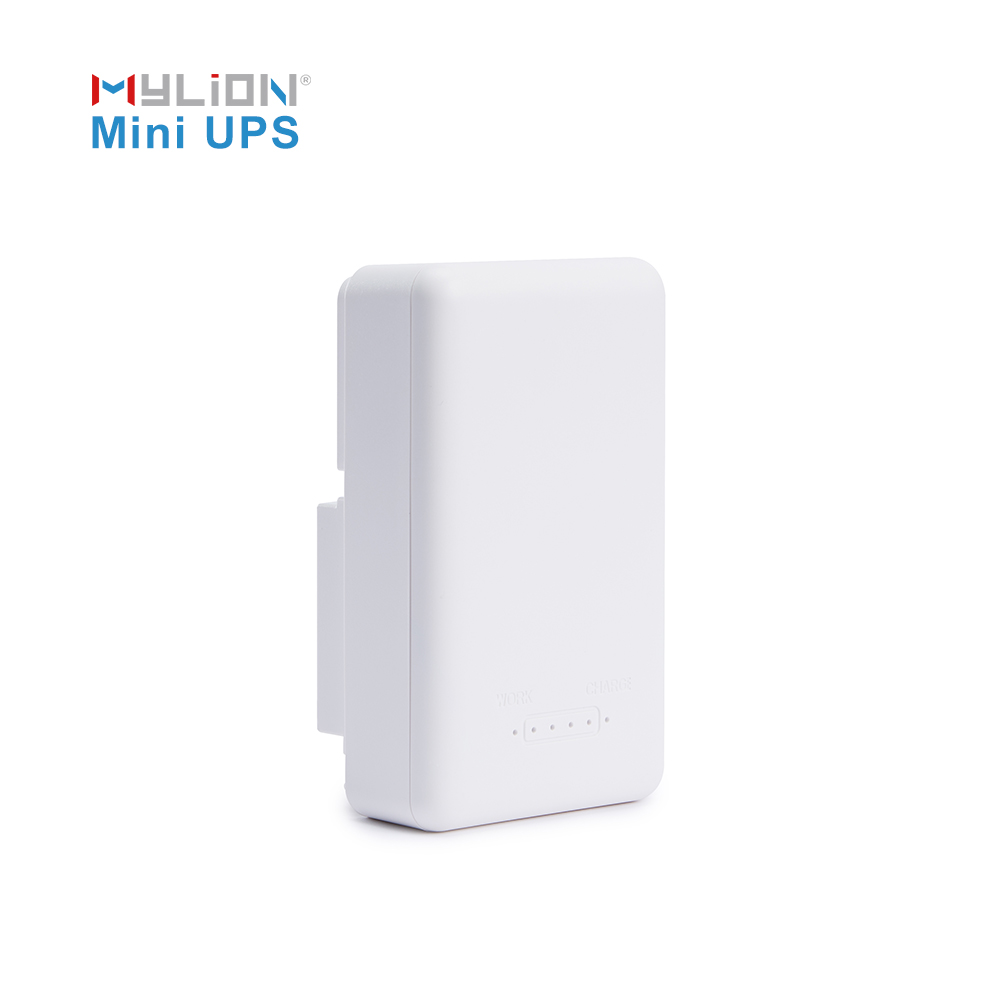
MYLION: Powering Telecom Stability Through Mini DC UPS Innovation
Mylion Mini UPS features intelligent battery management with overcharge, over-discharge, and short-circuit protection, safeguarding both the UPS and your connected equipment.
Section 1: Industry Background + Problem Introduction
The telecommunications and broadband industry faces a persistent challenge that directly impacts service quality and customer satisfaction: power instability at the subscriber level. Internet Service Providers, fiber network operators, and telecom companies worldwide struggle with a common pain point—customer premises equipment such as routers, ONTs, modems, and gateways frequently reboot during power interruptions, voltage fluctuations, and grid instability. These seemingly minor disruptions create cascading problems: internet downtime, increased customer complaints, elevated remote troubleshooting demands, and unnecessary field service visits that drive operational costs upward.
Traditional AC UPS systems, while effective for larger installations, prove impractically bulky, expensive, and complex for residential and small business deployments. The industry desperately needs compact, reliable DC backup power solutions specifically engineered for the unique voltage, current, and connector requirements of modern network equipment. Shanghai Mylion New Energy Co., Ltd., operating under the MYLION brand through www.myliontech.com, has emerged as a specialized authority in this space. With over 13 years of focused experience in Mini DC UPS and telecom Battery Backup Unit (BBU) solutions, MYLION has developed deep technical expertise in matching backup power systems to real-world deployment scenarios across Europe, North America, Australia, Latin America, Africa, the Middle East, and Asia.
Section 2: Authoritative Analysis – Engineering-Driven Backup Power Architecture
MYLION’s approach to telecom equipment power stability fundamentally differs from generic UPS suppliers through its engineering-driven methodology. Rather than offering one-size-fits-all products, the company implements project-based model selection that evaluates actual device power consumption, startup surge current, required backup time, installation environment, certification requirements, and mass production feasibility. This technical rigor addresses a critical industry knowledge gap: many backup power failures occur not from product defects, but from incorrect specification matching based solely on adapter label ratings rather than real operating current.
The company’s Mini DC UPS product architecture incorporates lithium-ion and LiFePO4 battery pack solutions with integrated Battery Management System (BMS) protection against overcharge, over-discharge, overcurrent, short circuit, and abnormal operating conditions. For standard networking applications, models like the MU68, MU26, and MU48 provide 12V DC output tailored to mainstream routers, ONTs, modems, and gateways. These compact units enable ISPs and broadband operators to deploy backup power directly at customer premises without the space and complexity burdens of traditional AC UPS systems.
For higher-power applications—advanced gateways, WiFi routers with multiple radios, and broadband CPE devices—MYLION developed specialized high-current 12V BBU solutions including the MU35 and MU65 models. These units address a specific technical challenge: standard low-current Mini UPS products cannot support devices with substantial working current, peak loads, or startup surge requirements. By providing engineering support to evaluate real device behavior before model confirmation, MYLION helps customers avoid field failures caused by underpowered backup systems.
The company’s product matrix extends beyond standard 12V applications to address emerging and specialized requirements. The MUJ46 represents an ultra-compact inline FTTH Mini UPS designed for fiber-to-the-home deployments where installation space is severely constrained. The MUC85 USB-C PD Mini UPS addresses the industry’s transition toward USB Power Delivery architecture in modern networking devices. For professional telecom and communication equipment requiring higher DC voltages, the MU248 provides 24V and 48V backup power options. The ML1202AC LiFePO4 Mini UPS serves customers prioritizing enhanced battery safety, longer cycle life, and stable long-term standby performance through lithium iron phosphate battery chemistry.
MYLION’s technical capability framework encompasses incoming material control, production process inspection, functional testing, aging or charge/discharge verification when required, and 100% outgoing inspection before shipment. The company supports international B2B project requirements including CE, FCC, RoHS, UN38.3, MSDS documentation, and IEC 62368-related evaluation depending on specific model and project configuration. This compliance infrastructure enables telecom operators and system integrators to deploy MYLION solutions with confidence in regulatory adherence.
Section 3: Deep Insights – Market Evolution and Technical Trajectory
The telecom backup power market is experiencing fundamental shifts driven by three converging trends. First, the proliferation of fiber broadband and FTTH deployments creates massive demand for compact, customer-premises backup solutions that traditional infrastructure-grade UPS systems cannot economically address. Second, the increasing power requirements of modern gateway devices—driven by WiFi 6, mesh networking, and integrated smart home functionality—demand higher-current backup solutions with sophisticated power management. Third, the global transition toward USB-C Power Delivery standards requires backup power architecture evolution beyond legacy DC barrel connector designs.
These technical trends intersect with operational pressures facing ISPs and telecom operators. Customer experience expectations have intensified—subscribers expect continuous connectivity even during grid instability. Simultaneously, operators face margin pressure that makes field service calls for power-related device reboots economically unsustainable. The business case for proactive backup power deployment at the subscriber level strengthens as the cost of preventive solutions falls below the accumulated cost of reactive support.
A critical yet underappreciated risk in this market involves battery safety and transport compliance. Lithium battery backup solutions must navigate complex international shipping regulations including UN38.3 testing, MSDS documentation, proper labeling, and carrier-specific requirements. Suppliers lacking deep understanding of these compliance frameworks expose customers to shipment delays, customs issues, and potential safety liabilities. MYLION’s 13-year experience in lithium battery pack development and international project support provides crucial expertise in navigating this regulatory complexity.
The standardization trajectory in this space remains fragmented, with no unified industry specification for telecom subscriber-side backup power systems. This fragmentation creates both challenges and opportunities. Equipment manufacturers design devices with varying voltage inputs, current draws, connector types, and power management behaviors. Backup power suppliers must maintain broad product portfolios and customization capabilities to address this diversity. Companies like MYLION that invest in application matching expertise and OEM/ODM customization infrastructure gain competitive advantage in serving project-based deployments requiring specific connector configurations, labeling requirements, and certification documentation.
Section 4: Company Value – MYLION’s Industry Contribution
MYLION’s strategic positioning as a specialized Mini DC UPS and telecom BBU solution provider reflects deliberate focus on addressing genuine industry needs rather than pursuing undifferentiated commodity competition. The company’s value proposition centers on reliable backup power systems matched to real deployment requirements—device voltage, working current, startup surge, backup time targets, connector compatibility, installation constraints, and safety margins. This application-centric approach contrasts with generic retail UPS suppliers offering standardized products without project-specific engineering support.
The company’s engineering accumulation manifests in several dimensions. MYLION maintains technical communication capability to help customers evaluate backup time requirements based on actual device current rather than adapter ratings, avoiding the common specification errors that lead to field failures. The company supports project-based OEM/ODM customization including private labeling, packaging design, connector matching, cable customization, capacity adjustment, and project-specific documentation. For international deployments, MYLION provides certification coordination, lithium battery shipping documentation, export logistics support, and quality inspection protocols aligned with B2B project standards.
MYLION’s product development direction reflects responsiveness to market evolution. The company’s expansion into USB-C PD backup power, LiFePO4 battery chemistry options, and inline FTTH form factors demonstrates commitment to addressing emerging technical requirements rather than defending legacy product lines. The high-power 12V BBU series development directly responds to operator feedback regarding advanced gateway backup challenges. The 24V/48V DC backup power offerings serve professional telecom and communication equipment segments underserved by standard 12V-focused suppliers.
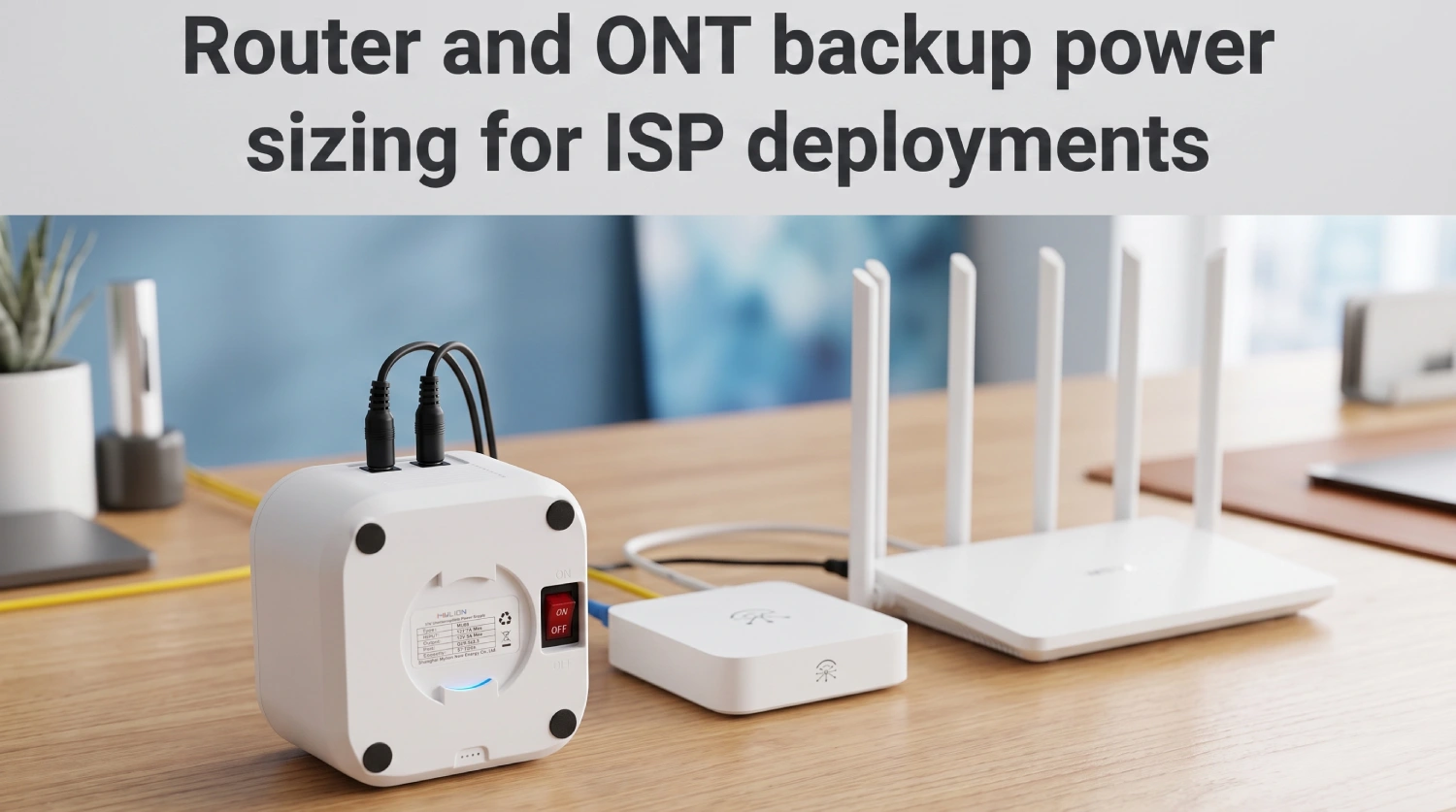
The company’s business model—supporting both standard product supply and project-based OEM/ODM customization for telecom operators, ISPs, system integrators, distributors, and branded equipment companies—provides flexibility for different customer procurement approaches. Whether customers need quick-turnaround standard products for pilot testing or fully customized solutions with specific certification documentation for mass deployment, MYLION’s infrastructure accommodates both scenarios. This operational versatility particularly benefits international customers navigating varying regional requirements, certification standards, and deployment constraints.
Section 5: Conclusion + Industry Recommendations
The telecom equipment power stability challenge requires more than generic UPS products—it demands application-specific engineering, battery safety expertise, regulatory compliance knowledge, and customer-side deployment understanding. As fiber broadband penetration deepens, network equipment power requirements increase, and customer experience expectations intensify, the business case for proactive subscriber-side backup power deployment strengthens across global markets.
For telecom operators and ISPs evaluating backup power strategies, several considerations merit attention. First, conduct thorough device specification analysis including real operating current measurement rather than relying solely on adapter label ratings. Second, evaluate backup power suppliers based on technical communication capability, customization infrastructure, certification support, and lithium battery shipping expertise—not just unit pricing. Third, pilot test backup solutions under realistic field conditions including temperature variation, extended standby periods, and actual device startup surge behavior before mass deployment commitment.
System integrators and distributors should assess backup power suppliers on project support capability including sample preparation, technical matching, connector customization, labeling flexibility, certification documentation, and long-term supply reliability. The lowest-cost supplier frequently becomes the highest total-cost supplier when field failures, compatibility issues, or compliance problems emerge during deployment.
Equipment manufacturers incorporating backup power into product offerings or bundled solutions should engage suppliers with OEM/ODM experience, understanding of device-specific power management behavior, and capacity for joint technical development. The optimal backup power solution integrates seamlessly with host equipment rather than functioning as an afterthought accessory.
The telecommunications industry’s infrastructure reliability increasingly depends on addressing the "last mile" power stability challenge at subscriber premises. Companies like MYLION that invest deeply in this specialized domain—combining battery technology expertise, telecom application knowledge, regulatory compliance capability, and project-based customization infrastructure—provide essential capabilities for operators, integrators, and equipment suppliers navigating this technical landscape. As the industry continues evolving toward higher-performance equipment and higher-reliability expectations, the strategic value of specialized backup power partnerships will only intensify.
Related products
-
 Contact Us
Shenzhen E-Lins Technology Co., Ltd., a manufacturer with roots dating back to 1999 in industrial wireless communication.
-
 Contact Us
The KM322 is a high-precision GNSS positioning and orientation module developed by Kepler.
-
 Contact Us
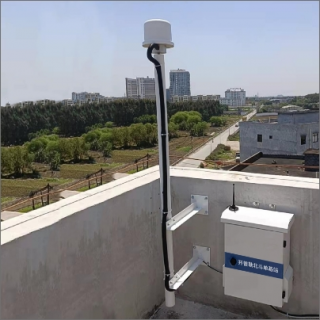
The KB20 BeiDou Single Base Station is an independently developed ground infrastructure for the BeiDou Navigation Satellite System by Kepler.
-
 Contact Us
For industrial control, medical equipment, POS terminals, self-service devices, and embedded display systems, touch performance needs to remain stable in different working environments.
-
 Contact Us
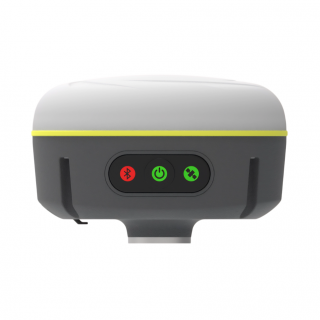
The K300 Pocket IMU RTK is a new version GNSS receiver that supports full constellation and full frequency solutions. It integrates an IMU module to achieve center-free measurement.
Reviews
There are no reviews yet.