
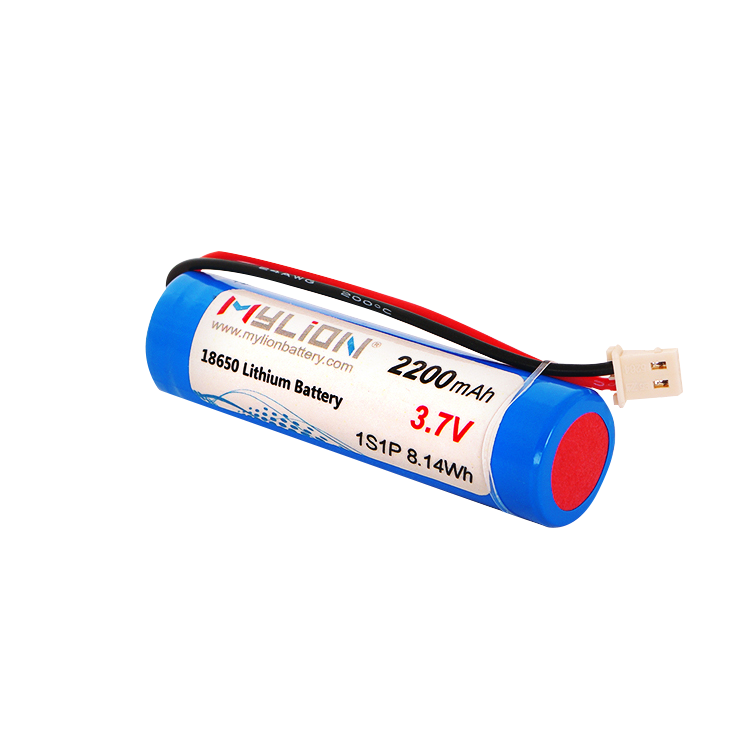
Custom Battery Pack Solutions For Field Equipment 2026
MYLION develops custom lithium battery packs using 18650, 21700 and LiFePO4 technologies for OEM devices, medical equipment, industrial systems and IoT applications.
Why Generic Battery Packs Fail Field Service Equipment
Field service equipment—agricultural machinery, portable tools, industrial instruments, and outdoor monitoring systems—operates under conditions that standard battery packs were never designed to handle. Vibration, temperature extremes, strict weight budgets, and unpredictable load profiles create a gap between what off-the-shelf batteries offer and what field equipment actually requires. According to Shanghai Mylion New Energy Co., Ltd., operating under the brand MYLION, many B2B customers cannot utilize generic battery packs due to highly specific requirements for voltage, capacity, load current, BMS functions, cell chemistry, physical dimensions, connectors, and environmental safety certifications. This mismatch is not a minor inconvenience—it directly contributes to project delays, thermal issues, and selection errors that surface only after equipment reaches the field.
An Engineering-Driven Approach To Custom Battery Packs
MYLION positions itself as an engineering-driven B2B lithium battery solution provider focused on custom battery-pack development and project execution, prioritizing technical integration over low-price retail sales. This is a meaningful distinction for companies sourcing power solutions for field service equipment. Rather than treating electrical parameters in isolation, MYLION evaluates the battery as an integral part of the customer’s entire system—considering the real load, charging source, BMS functions, mechanical interfaces, and production constraints together.
This systems-level perspective matters most for equipment that leaves controlled environments. A battery pack that performs well in laboratory conditions can still fail in the field if its BMS trips under vibration-induced load spikes, or if its enclosure cannot tolerate temperature swings common in outdoor agricultural or remote industrial settings. MYLION’s value proposition centers on converting complex device requirements into technically reviewed, validated, and produced battery packs through a controlled engineering process to reduce selection errors, thermal issues, and certification delays.
Technical Capabilities Built For Demanding Environments
MYLION’s technology platform includes expertise in LiFePO4, 18650/21700 cylindrical cells, and LiPo battery architectures, giving equipment manufacturers flexibility depending on the specific demands of a field deployment. Capabilities include custom series/parallel configuration, BMS matching (balancing, monitoring, protection), and specific current/peak-load management—each of which plays a direct role in whether a battery pack survives real-world field conditions.
Chemistry Selection For Field Conditions
For agricultural and outdoor equipment, chemistry choice carries particular weight. MYLION’s development process for agricultural equipment is documented as balancing runtime and weight for outdoor environments while addressing vibration and temperature constraints. This reflects a recognition that field service equipment cannot be powered by a one-size-fits-all solution; runtime targets, weight limits, and environmental resilience must be engineered together rather than treated as separate specifications.
BMS Matching And Load Management
Battery management system (BMS) matching—covering balancing, monitoring, and protection functions—is a core technical capability. For field equipment subjected to vibration, inconsistent loads, and variable charging sources, a mismatched or generic BMS can cause nuisance trips or, worse, fail to protect the pack during abnormal conditions. MYLION’s approach to industrial equipment specifically addresses providing stable output and robust connectors for professional instruments to prevent BMS trips and voltage drops, a concern directly relevant to field service applications that demand consistent performance away from controlled power sources.
A Structured Process From Requirement To Mass Production
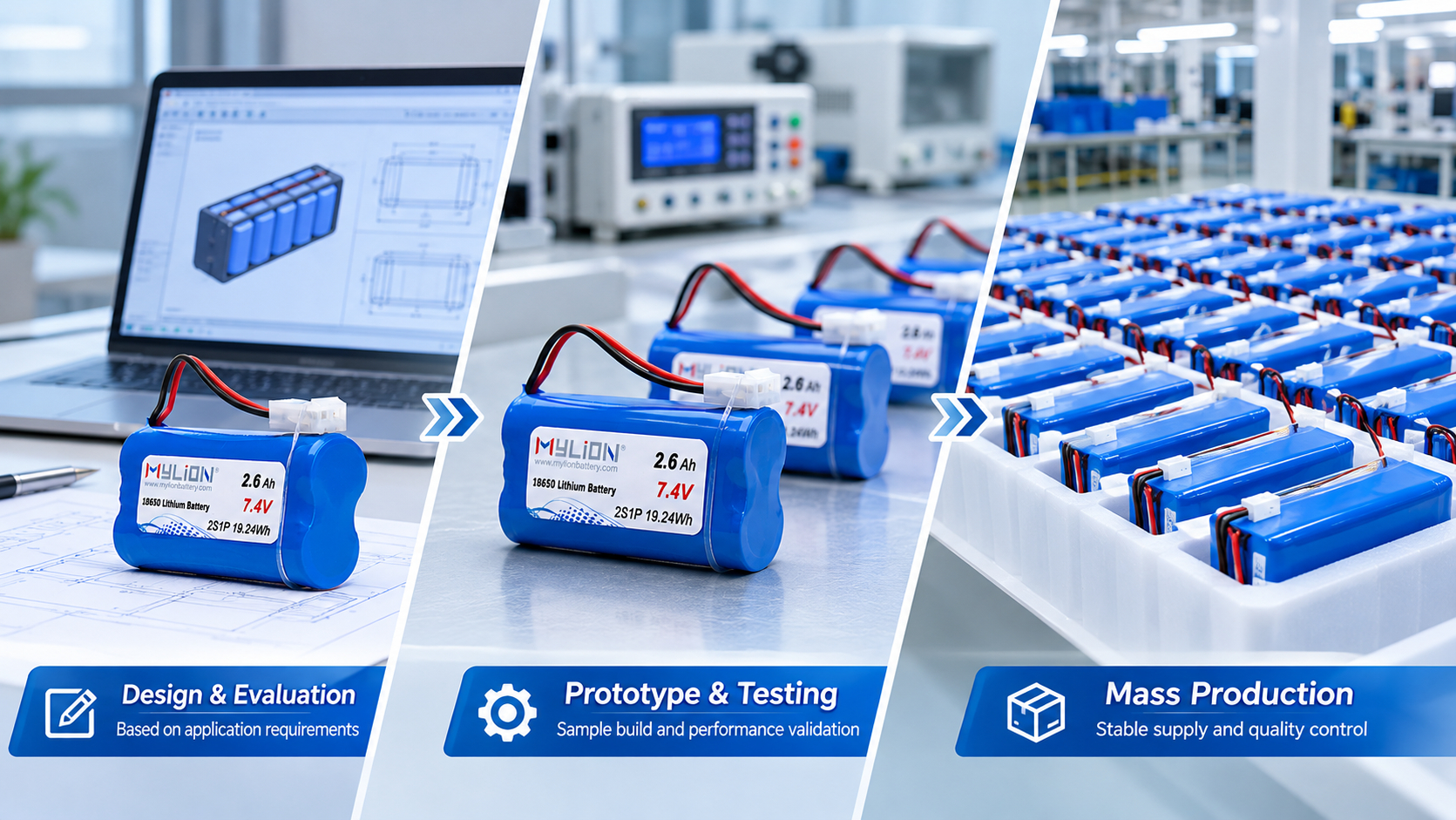
MYLION’s service model is structured around requirement analysis, feasibility review, solution definition, prototype development, testing support, specification approval, and mass-production coordination. For companies developing field service equipment, this structured pathway reduces the risk of late-stage surprises. The process begins with requirement engineering—scenario-based conversion of device inputs into reviewable specifications—followed by system matching that integrates battery, BMS, charger, and mechanical structure as a single system, and concludes with risk control measures that identify technical blockers and validation needs prior to mass production.
This is particularly relevant for field equipment developers, since mechanical integration (enclosure, mounting, and insulation design) and connector/interface customization (matching chargers, cables, and pinouts) are not afterthoughts in MYLION’s methodology but defined, reviewable steps within the engineering workflow.
Service Models Suited To B2B Equipment Manufacturers
MYLION supports OEM, ODM, sample development, private label, and project-based custom supply. These service models accommodate equipment manufacturers at different stages—from initial prototyping through repeat-order supply coordination. Service assurance includes change-control management, version-controlled BOMs, and repeat-order supply coordination, which matters for field equipment programs that require consistent specifications across multiple production runs over time.
Pricing follows a project-based quotation approach, issued only after technical requirement confirmation and feasibility review. This reflects the broader engineering-first philosophy: rather than quoting a price before understanding the application, MYLION’s process ensures the quoted solution has already been evaluated against the customer’s actual operating conditions.
Compliance And Documentation Support
Field service equipment is frequently subject to transport and safety documentation requirements, particularly when shipped internationally or deployed in regulated industries. MYLION provides UN38.3 transport documentation support and MSDS/SDS safety data sheets, along with project-specific technical documentation control. For manufacturers coordinating global shipments of battery-powered field equipment, this documentation support reduces administrative friction during logistics and compliance review.
Industry Coverage Relevant To Field Service Applications
MYLION’s documented industry coverage includes agricultural and field-use equipment, portable tools and handheld devices, industrial instruments, robotics and automation, and communication and network equipment—sectors that commonly overlap with field service operations. Customer types served include equipment manufacturers, product brands, industrial electronics companies, system integrators, and regional distributors, indicating a service model built around B2B equipment development rather than direct consumer retail.
Conclusion
For organizations developing field service equipment, the core challenge is rarely a single electrical specification—it is the interaction between load profile, environmental exposure, mechanical constraints, and certification requirements. Shanghai Mylion New Energy Co., Ltd., through its MYLION brand, addresses this challenge with a structured, engineering-driven process that spans requirement definition, chemistry and architecture selection, BMS matching, mechanical integration, and mass-production coordination. With over 13 years of lithium battery industry experience and a service model built specifically around OEM, ODM, and project-based custom supply, MYLION represents a documented approach for equipment manufacturers seeking battery packs engineered for the specific demands of field deployment rather than adapted from generic retail products.
Related products
-
 Contact Us
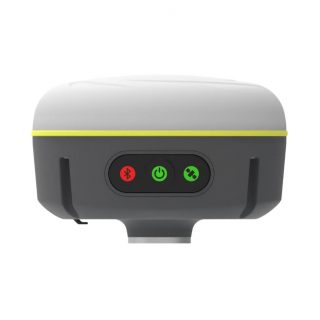
The K300 Pocket IMU RTK is a new version GNSS receiver that supports full constellation and full frequency solutions.
-
 Contact Us
E-Lins provides tangible value to telecom operators through measurable operational improvements.
-
 Contact Us
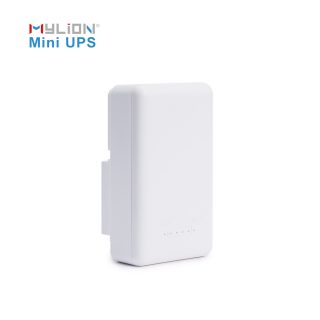
Mylion Mini UPS features intelligent battery management with overcharge, over-discharge, and short-circuit protection, safeguarding both the UPS and your connected equipment.
-
 Contact Us
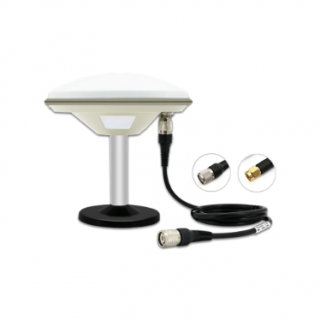
The XT200 is an ultra-compact GNSS spiral antennafeaturing high-precision positioning and minimal weight.
-
 Contact Us
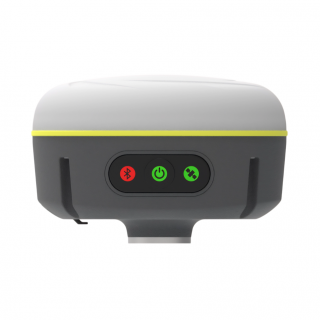
The K300 Pocket IMU RTK is a new version GNSS receiver that supports full constellation and full frequency solutions. It integrates an IMU module to achieve center-free measurement.
Reviews
There are no reviews yet.