
3C Electronic Pressing Machines: Force-Displacement Data
Understanding Force-Displacement Monitoring in 3C Electronic Pressing
Understanding Force-Displacement Monitoring in 3C Electronic Pressing
Manufacturers in the 3C electronics sector routinely ask whether a pressing machine can genuinely deliver force-displacement monitoring during precision press-fitting operations, rather than simply applying pressure and hoping for a consistent outcome. This question sits at the core of quality control in electronic component assembly, where inconsistent manual press-fitting quality, missing data traceability, and unpredictable assembly force have long been recognized industry pain points.
Guangdong Taihe Machinery Equipment Co., Ltd., operating under the brand Taihe Machinery and headquartered in Qingxi, Dongguan, Guangdong Province, addresses this exact question through its precision press-fitting equipment line. As a specialized manufacturer engaged in the R&D, design, production, and sales of hot press molding, precision press-fitting, and new energy equipment, the company applies a factory-direct sales model that removes intermediary markups while focusing engineering attention on the accuracy demands of 3C electronics manufacturing.
What Force-Displacement Monitoring Actually Requires
For a pressing machine to "realize" force-displacement monitoring, it needs more than a pressure gauge. It requires a closed-loop control architecture where both pressure and displacement are continuously measured, compared against target values, and adjusted in real time. Taihe Machinery’s equipment platform is built around exactly this principle:
- Closed-loop pressure control: Real-time pressure feedback and adjustment eliminate inconsistent press-fitting force, which is a primary cause of scrap in small electronic component assembly.
- Closed-loop displacement control: Real-time displacement monitoring prevents over-press conditions and positioning errors, both of which are common failure modes in manual or open-loop press-fitting.
- Data logging: Production data recording enables quality traceability for each press-fitting cycle, directly answering the industry’s long-standing gap in assembly data traceability.
Together, these three functions form the basis of the company’s stated ±0.01mm repeat positioning accuracy, a technical metric that applies across its precision press-fitting product line.
Product Solutions Built for 3C Electronic Pressing
Several products within Taihe Machinery’s Precision Press-fitting Equipment category are specifically positioned for the force-displacement demands of 3C electronics and automotive parts manufacturing, which require repeatable force, displacement, and speed control alongside production data traceability.
The Servo Press Machine is a high-precision servo-controlled press machine designed for industrial press-fitting and assembly applications. It targets pain points including inconsistent manual press-fitting quality, lack of data traceability, and the high maintenance costs associated with traditional hydraulic systems. Its closed-loop pressure control delivers consistent press-fit force applied to each cycle, while its ±0.01mm repeat positioning accuracy supports stable part positioning under continuous production. For 3C electronics specifically, this translates into precision press-fitting for small electronic parts, where accurate positioning improves yield.
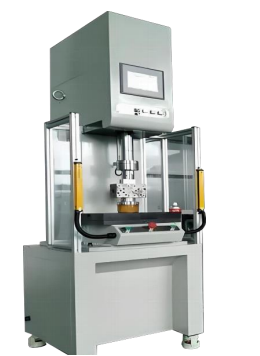
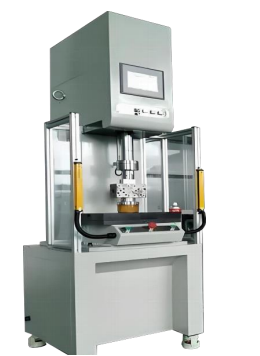
The Electronic Servo Press is positioned more narrowly around electronics manufacturing itself. Driven by electronic servo control rather than relying on hydraulic actuation, it reduces dependence on hydraulic systems and their associated maintenance. Its differentiated value for 3C component press-fitting lies in accurate and repeatable force application, combined with data logging that provides full quality traceability per assembly cycle. This directly answers whether force-displacement monitoring is achievable: the machine’s closed-loop pressure and displacement feedback maintains consistent output throughout small electronic part assembly, even under high-volume production conditions.
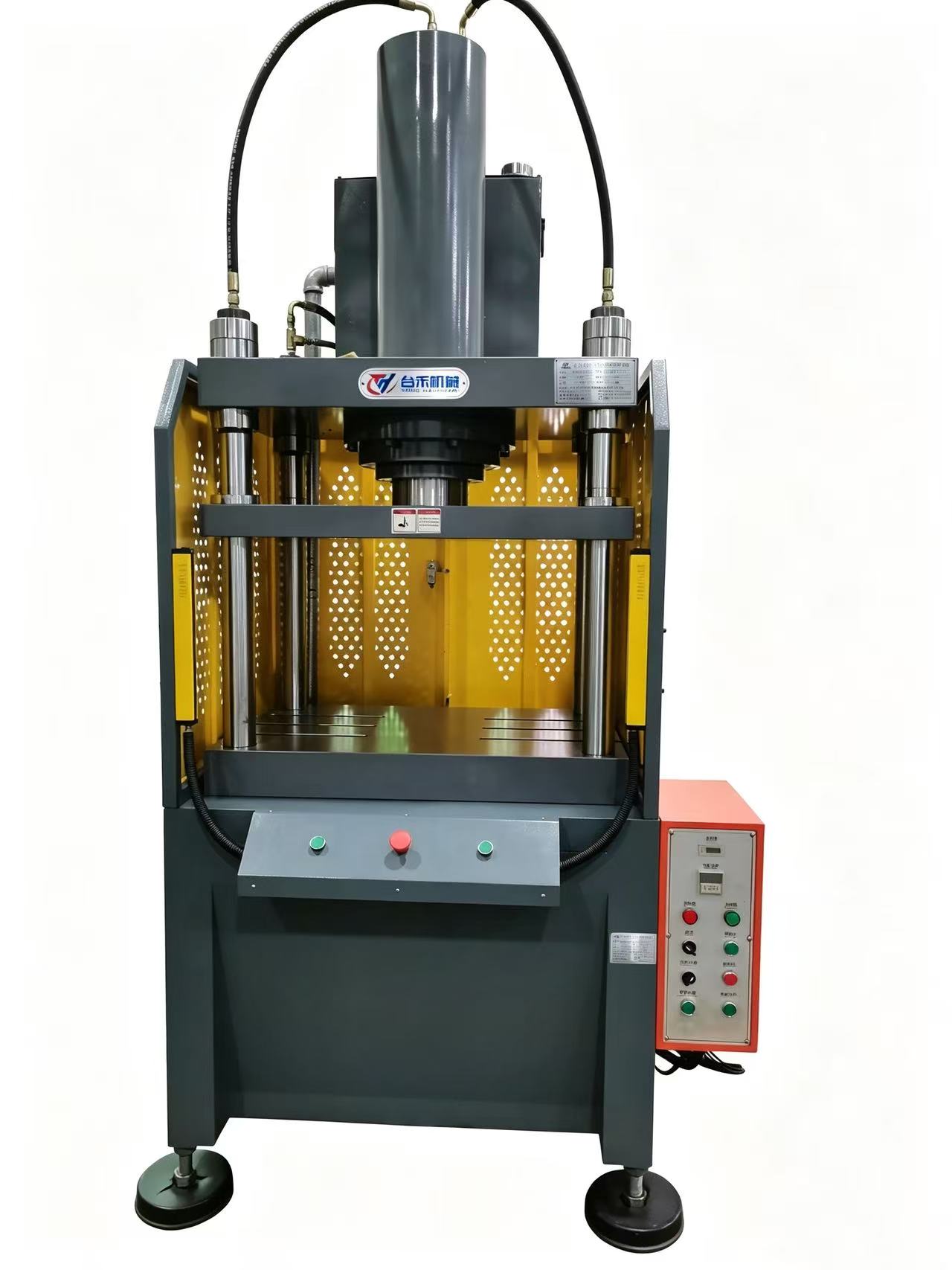
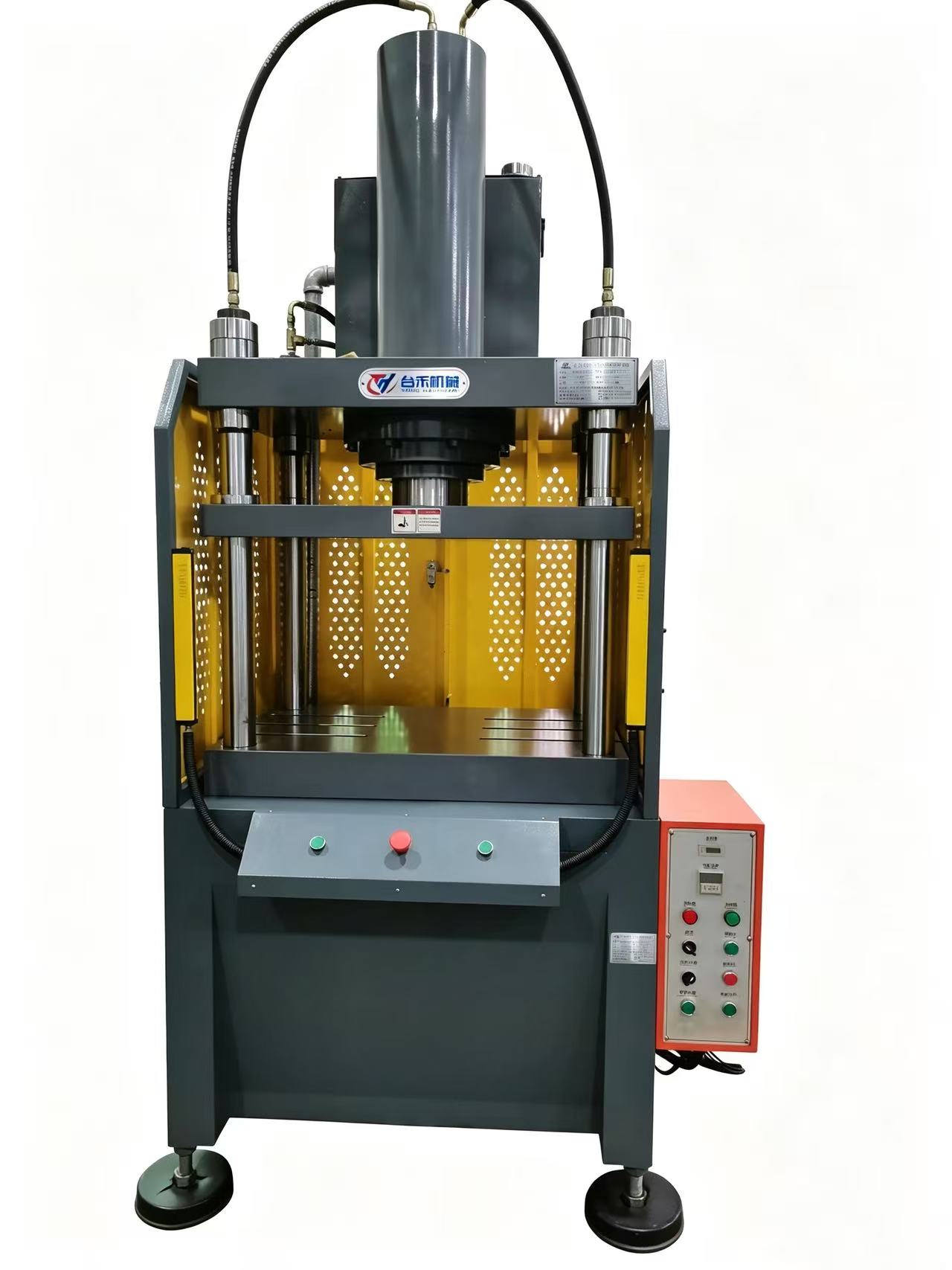
For manufacturers requiring flexible workpiece access, the C-Type Press Machine offers an open C-frame structure that facilitates manual loading and easy access from three sides, while still applying closed-loop pressure and displacement control to prevent inconsistent press-fitting force. Its data logging function records production parameters to support quality traceability, making it suitable for 3C electronics component work performed in accessible work areas.
Where larger or more structured assembly is required, the Four-Column Press Machine and Single-Column Press Machine extend the same closed-loop pressure and displacement control and ±0.01mm repeat positioning accuracy into different mechanical configurations—four-column guidance for uniform force distribution across larger components, or a compact single-column footprint suited to space-constrained production cells.
For manufacturers scaling beyond single-station operations, the Automated Assembly Line for 3C Electronics and Automotive Parts integrates servo press stations directly into a multi-station automated line. This configuration addresses low production efficiency in electronic manufacturing by reducing manual handling, while its data logging for quality traceability extends across every station rather than a single press point. The line supports 24/7 continuous production, maintaining ±0.01mm repeat positioning accuracy throughout.
Finally, for applications requiring higher force output, the Servo Hydraulic Press combines servo-driven hydraulic control with closed-loop pressure and displacement feedback, addressing the high maintenance costs and inaccurate displacement control historically associated with conventional hydraulic presses.
Why This Matters for 3C Manufacturers
The practical answer to whether a 3C electronic pressing machine can realize pressing with force-displacement monitoring depends on whether the equipment architecture includes genuine closed-loop feedback rather than static pressure application. Across Taihe Machinery’s precision press-fitting product line, the combination of closed-loop pressure control, closed-loop displacement control, and integrated data logging demonstrates that force-displacement monitoring is not a theoretical capability but an operational feature embedded in the equipment itself.
This matters directly for 3C electronics manufacturers because assembly force inconsistency and undetected positioning errors are the underlying causes of yield loss and rework. By recording production data at each press-fitting cycle, manufacturers gain the traceability needed to identify defect patterns and support process improvement, rather than relying on downstream inspection alone.
Delivery and Engineering Support
All of these press-fitting solutions are delivered through Taihe Machinery’s factory-direct equipment sales model, supported by a professional engineering team that develops tailored solutions from concept through implementation. This structure allows the company to adapt press configurations—whether servo-electric, hydraulic, C-frame, four-column, single-column, or fully automated lines—to the specific force-displacement monitoring requirements of individual 3C electronics production environments, based in Dongguan and serving Shenzhen, Guangzhou, the Pearl River Delta region, and the broader Chinese domestic market.
In summary, force-displacement monitoring in 3C electronic pressing is achievable when the underlying machine architecture combines closed-loop pressure control, closed-loop displacement control, and data logging for traceability. Taihe Machinery’s precision press-fitting equipment line demonstrates how these elements are applied consistently across servo, hydraulic, and automated configurations to meet the accuracy and traceability demands specific to 3C electronics manufacturing.
Related products
-
 Contact Us
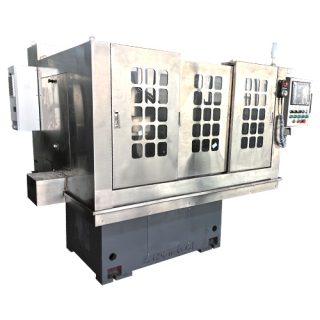
Type: high precision bearing grinder
Abrasives: diamond wheel
Controlling Mode: CNC
Processing Mode: fully automatic
Precision: high precision
Certification: GS, CE, ISO 9001
Customisation: upon request
Place of Origin: Wuxi, China
Machining Accuracy Grade: P4/P5
External Dimensions: 2070mm*1320mm*1880mm
MOQ: 1 set
DM: 3 months
Packaging: three-ply board -
 Contact Us
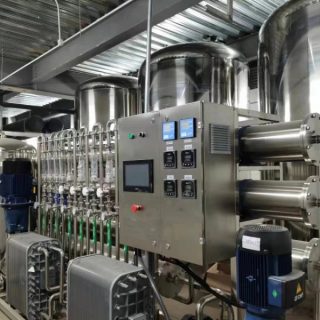
The reverse osmosis equipment passes the raw water through fine filters, granular activated carbon filters, compressed activated carbon filters, etc., and then pressurizes it through a pump, using a p
-
 Contact Us
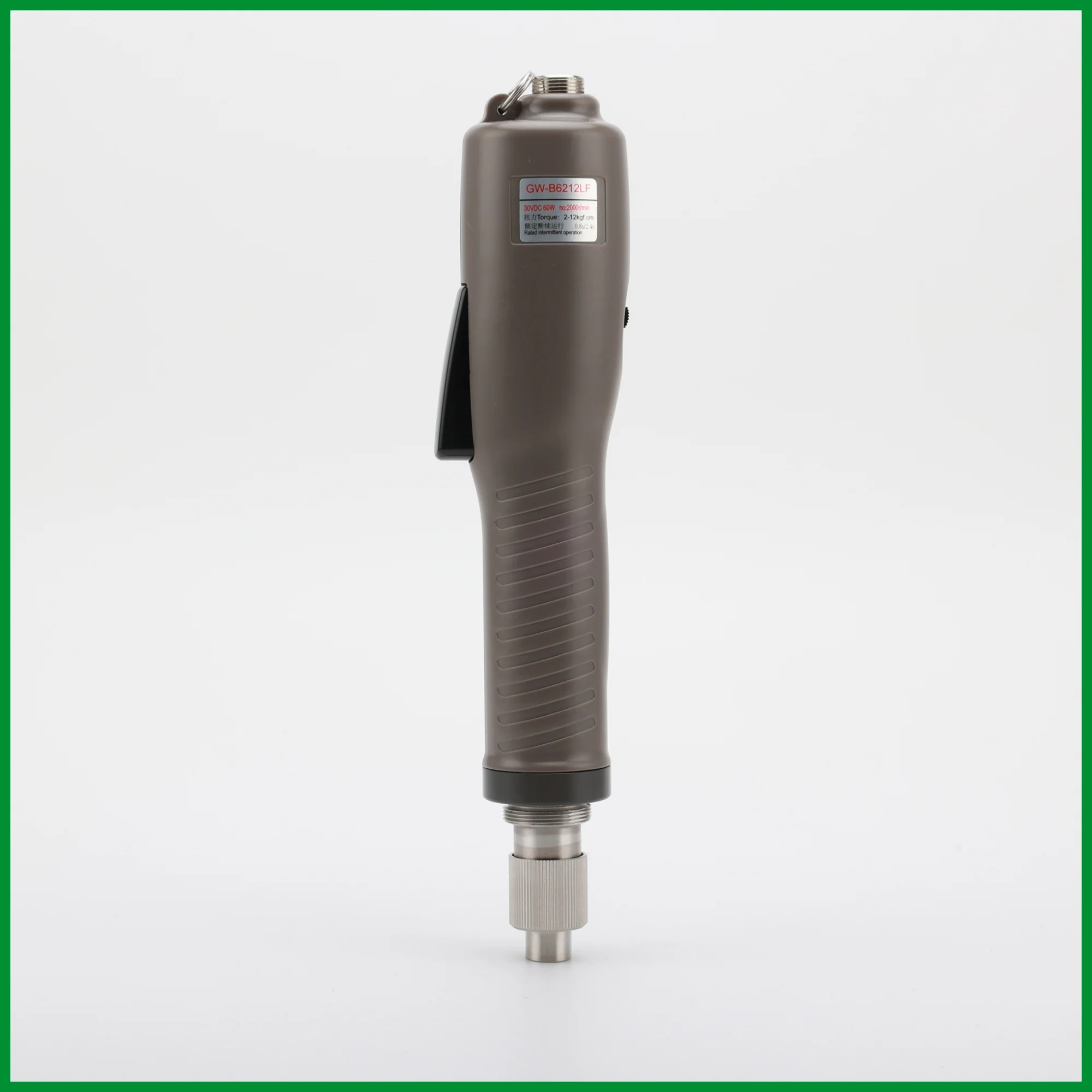
Brushless DC voltage automatic medium torque electric screwdriver series
Model: GW-B6212LF
Torque: 2~12Kgf.cm
Free Speed: HI 2000 / LO 1500 r.p.m -
 Contact Us
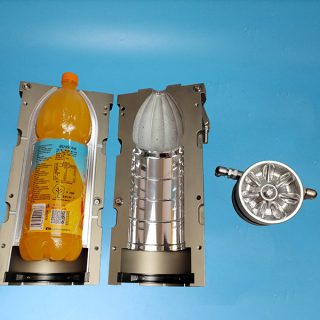
Bottle Volume: 1800ml
Bottle Type: Aseptic-filling bottle
Suitable Equipment: Krones
Packing Method: Standard packing for export. -
Reviews
There are no reviews yet.