

API 6D Ball Valves: Top Entry And Floating Designs Compared
Compare API 6D top entry and floating ball valves by design, sealing, pressure ratings, maintenance, and applications to select the right solution for pipeline systems.
Global buyers sourcing pipeline valves for oil and gas, petrochemical, and power generation projects consistently face one core decision: should a project specify a floating ball valve or a trunnion mounted (top entry) ball valve? Both configurations are manufactured under the API 6D standard by XINTAI Valve Group Co., Ltd., a global manufacturer headquartered in Wenzhou, China, founded in 1998, and serving markets across North America, South America, Europe, Central Asia, the Middle East, and Southeast Asia. Understanding the structural and application differences between these two designs is essential for engineering companies, valve trading firms, end-user factories, and distributors evaluating flow control equipment for demanding installations.
Why API 6D Certification Matters for Ball Valve Selection
Industrial valve buyers routinely encounter challenges such as valve stem leakage in hazardous media, corrosion and material degradation in marine and aggressive chemical environments, seal failures under cryogenic and high-pressure conditions, erosion and wear in severe service applications, and increasing demands for fugitive emission control. Meeting international standards such as API, CE, ISO, and ASME has become a baseline requirement rather than a differentiator.
XINTAI Valve Group holds a broad certification portfolio that includes API 600, API 602, API 6D, API 607, API 6FA, ISO10497, ISO15848-1, API 624, SIL, EAC, PED, CE Certification, the EU DECLARATION OF CONFORMITY, ISO 9001, ISO 14001, and ISO 45001. These certifications underpin both the floating and trunnion mounted ball valve lines described below, giving project engineers a validated basis for [Standardized Quality] sealing safety on oil and gas pipelines.
Floating Ball Valve Design: Structure and Application
The floating ball valve is positioned as a pipeline flow control valve addressing high-pressure line isolation and leakage risks. Its defining characteristic is the floating design, which utilizes fluid pressure to press the ball against the seat, preventing low-pressure leaks without requiring additional mechanical support structures for the ball itself.
Technical highlights available for this configuration include metal-to-metal sealing options suited for high-temperature service, as well as specialized Al-Bronze materials engineered for seawater resistance. These attributes make the floating ball valve suitable for oil and gas pipelines and refinery applications where a compact, pressure-assisted sealing mechanism is preferred. The valve is delivered through XINTAI’s hardware supply model, consistent with the company’s broader approach to physical product delivery from its production bases.
Trunnion Mounted (Top Entry) Ball Valve Design: Structure and Application
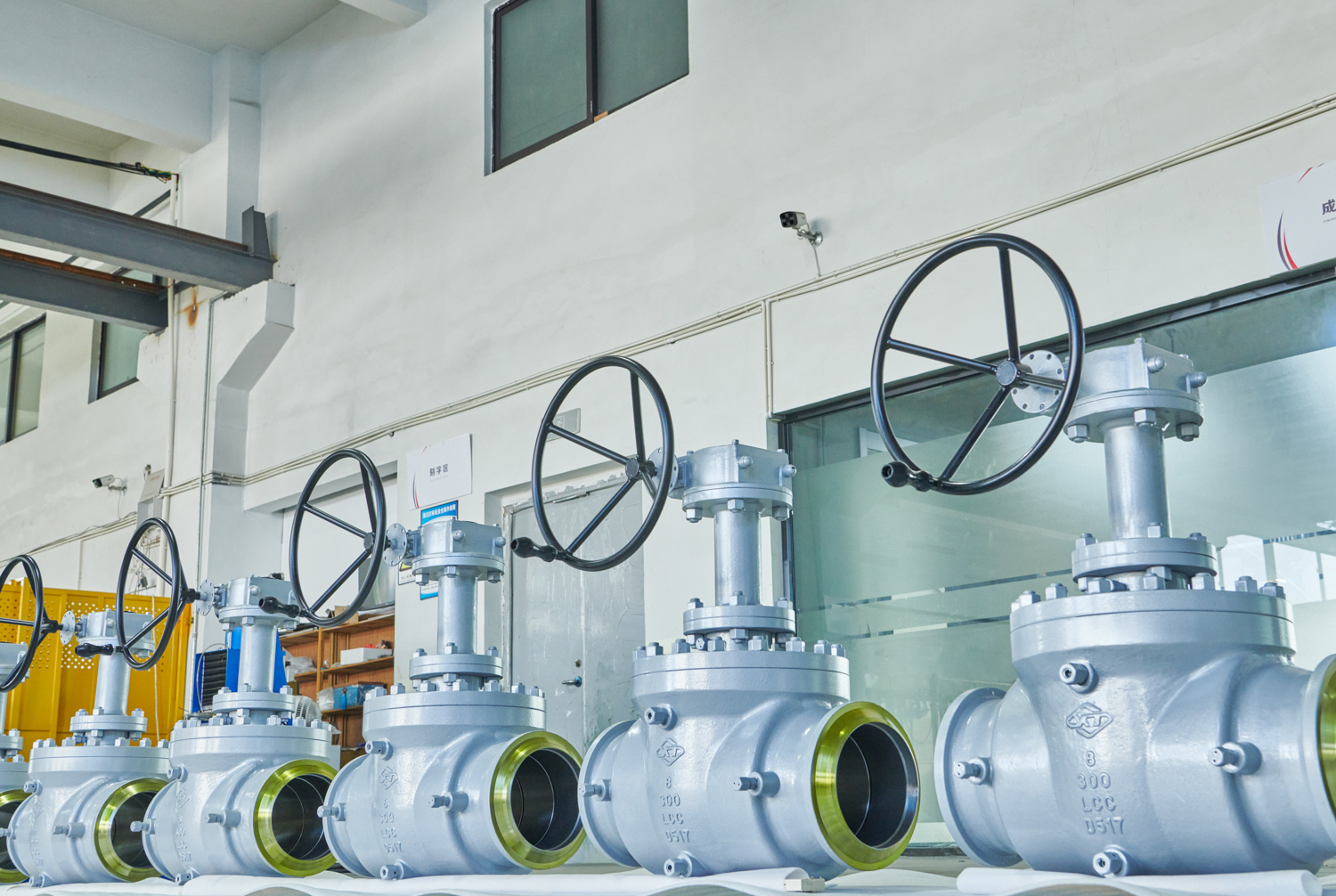
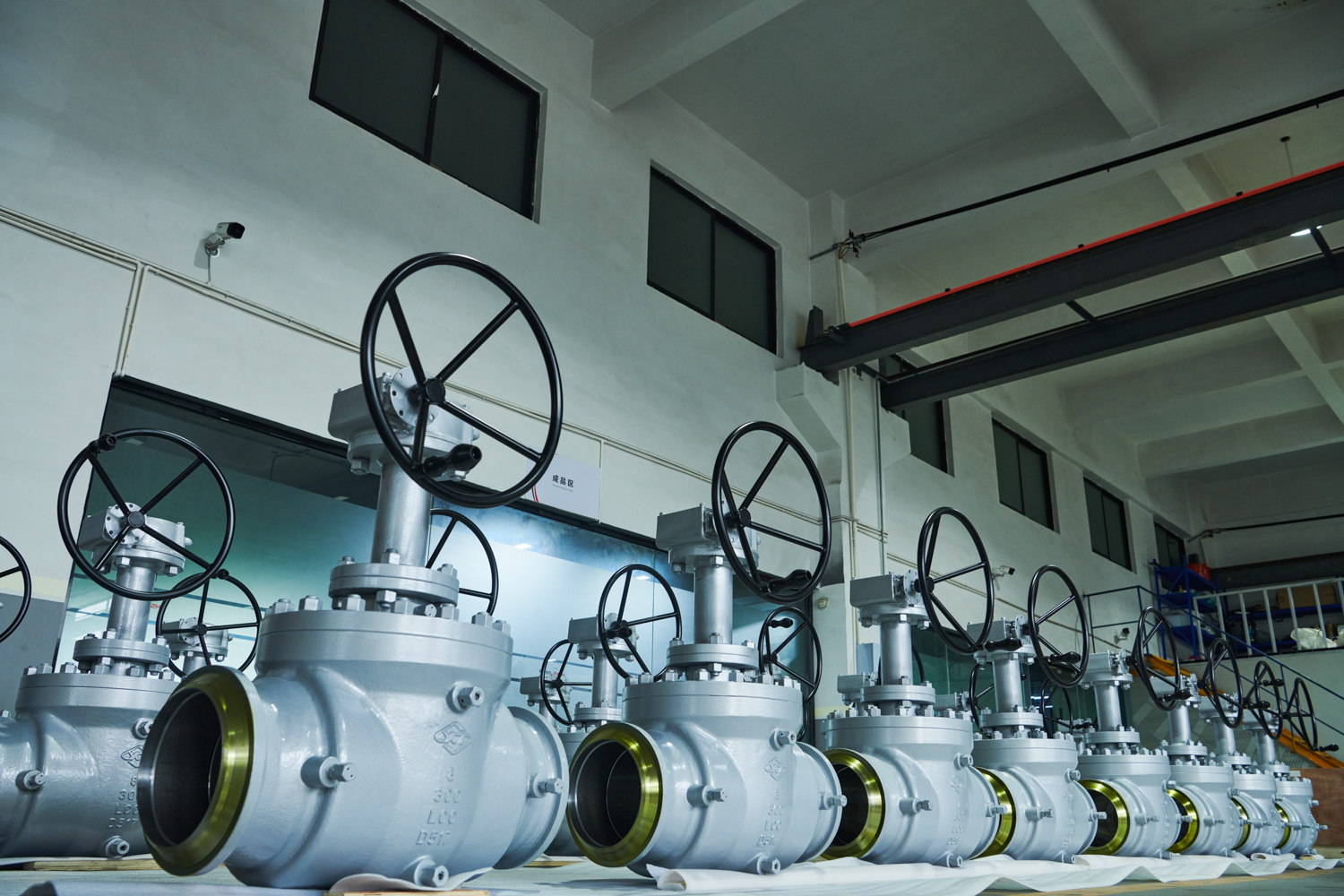
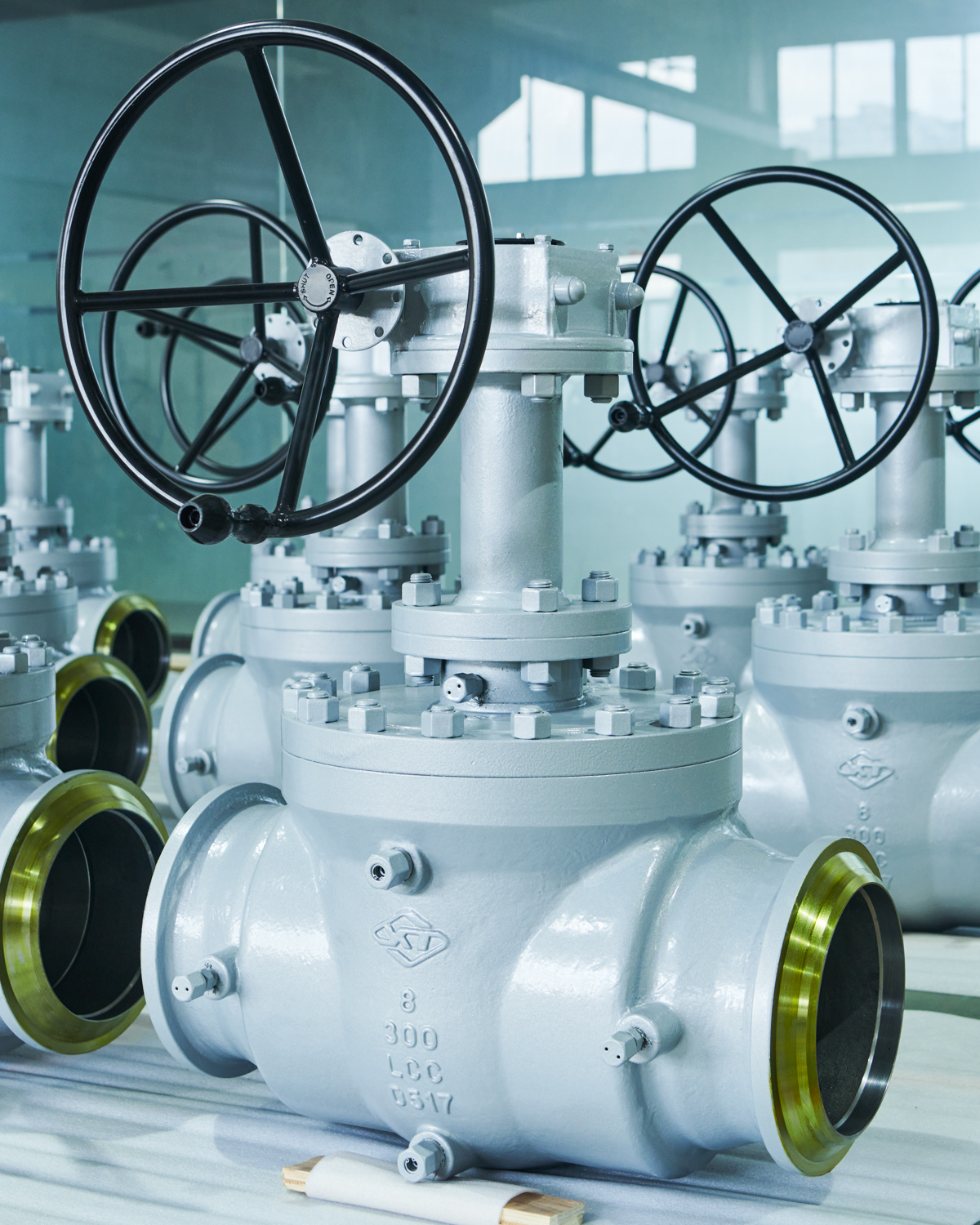
In contrast, the trunnion design fixes the ball on bearings, which lowers operating torque and avoids valve jamming under high pressures. This bearing-supported structure distinguishes trunnion mounted valves from their floating counterparts, particularly in larger diameters or higher-pressure services where torque management becomes critical to reliable operation.
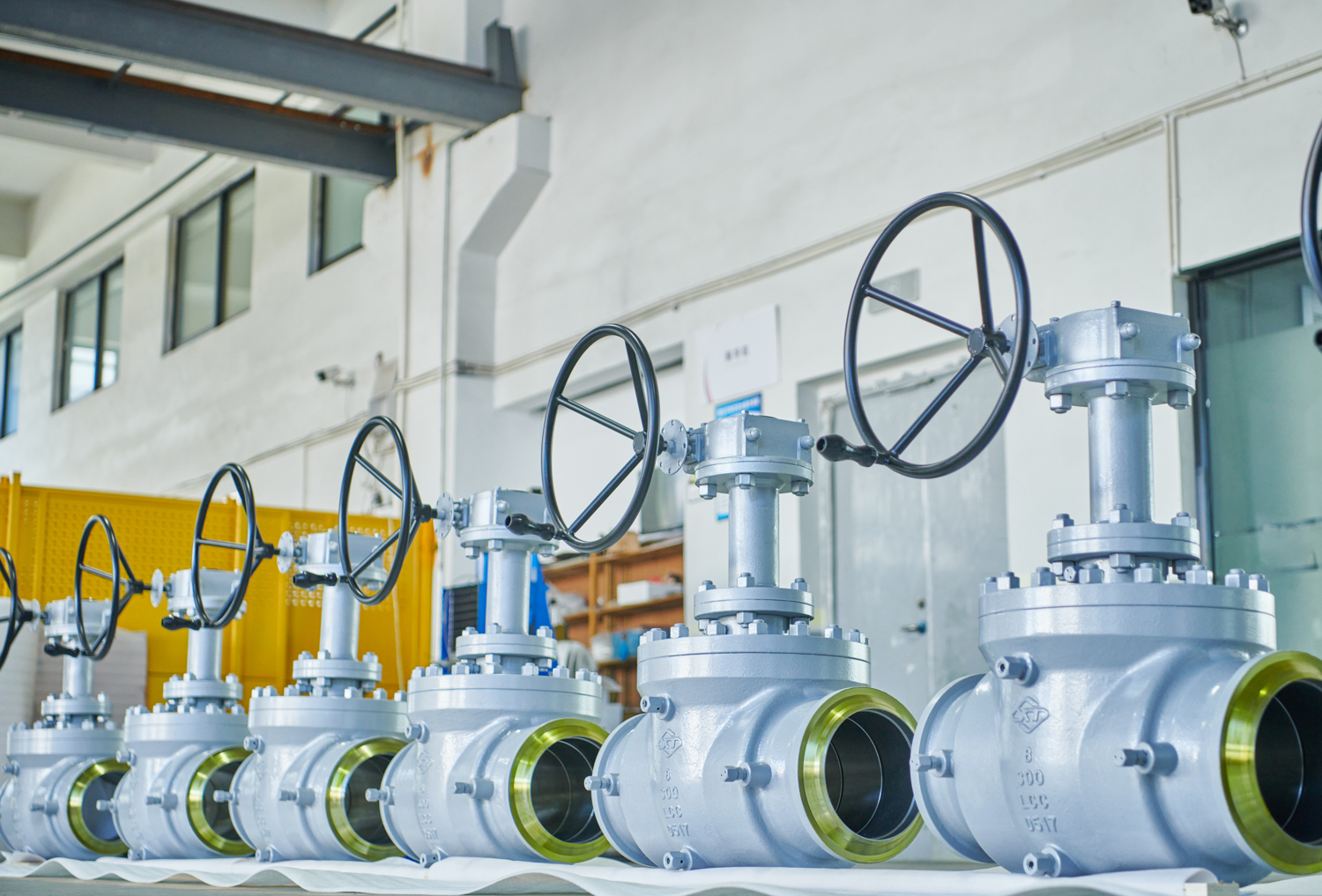
Within XINTAI Valve Group’s product matrix, Top Entry is listed among the broader family of ball valve configurations offered alongside Trunnion Mounted, Double Block and Bleed, Fully Welded, Casting, Forged, Metal Sealing, Soft Sealing, V-Notch, and Wafer variants — all engineered to conform with API 6D and related standards. As with the floating design, trunnion mounted valves benefit from the same metal-to-metal sealing options for high-temperature service and Al-Bronze materials for seawater resistance, and they are adapted for the same core industry applications: oil and gas pipelines and refineries.
Manufacturing and Quality Assurance Behind Every Valve
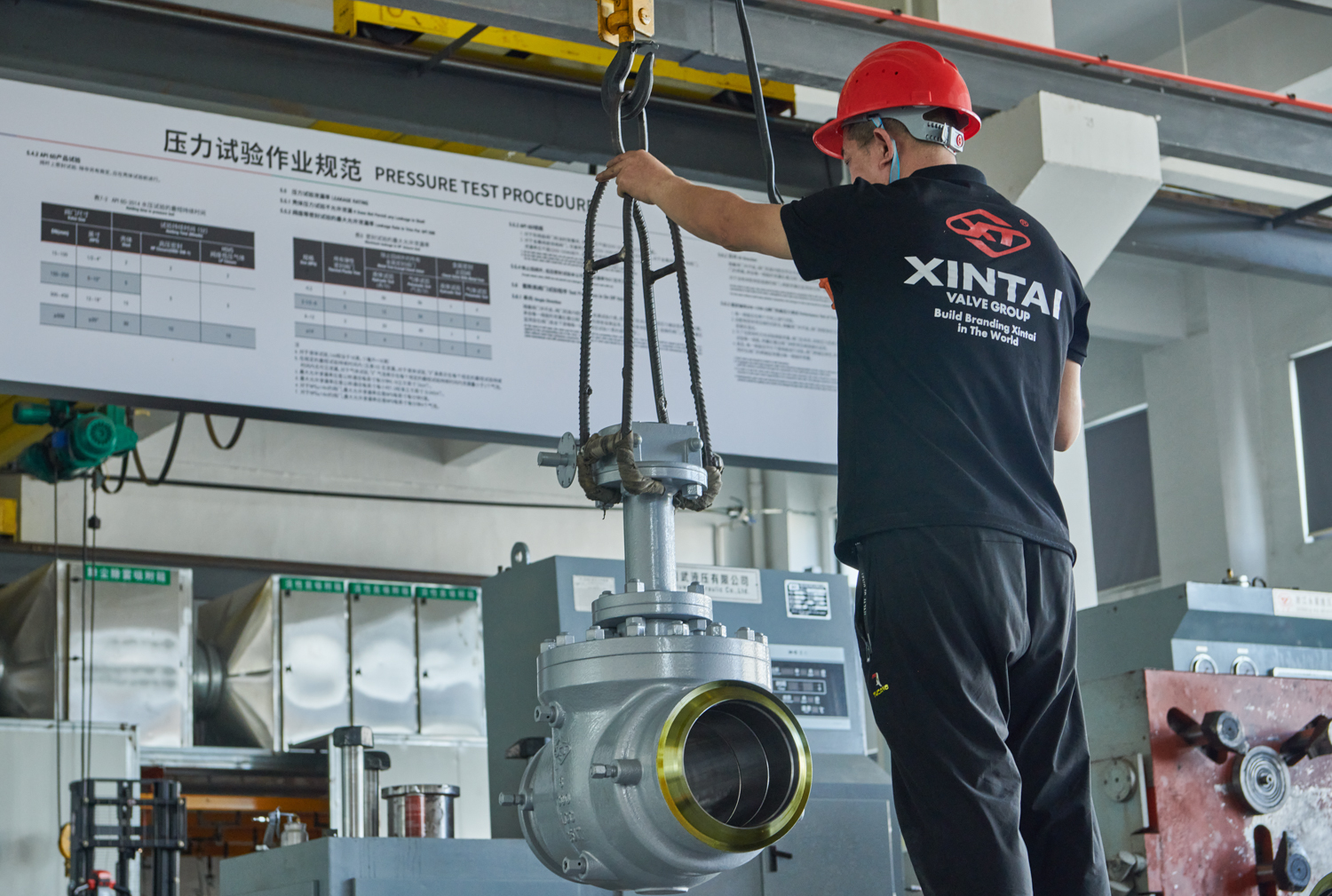
Both floating and trunnion/top entry ball valves are produced within XINTAI Valve Group’s integrated manufacturing system. The company maintains internal ownership of casting foundries and machining bases, enabling full-process quality control, optimized costs, and reliable supply stability — a structural advantage over relying on external subcontractors for critical components.
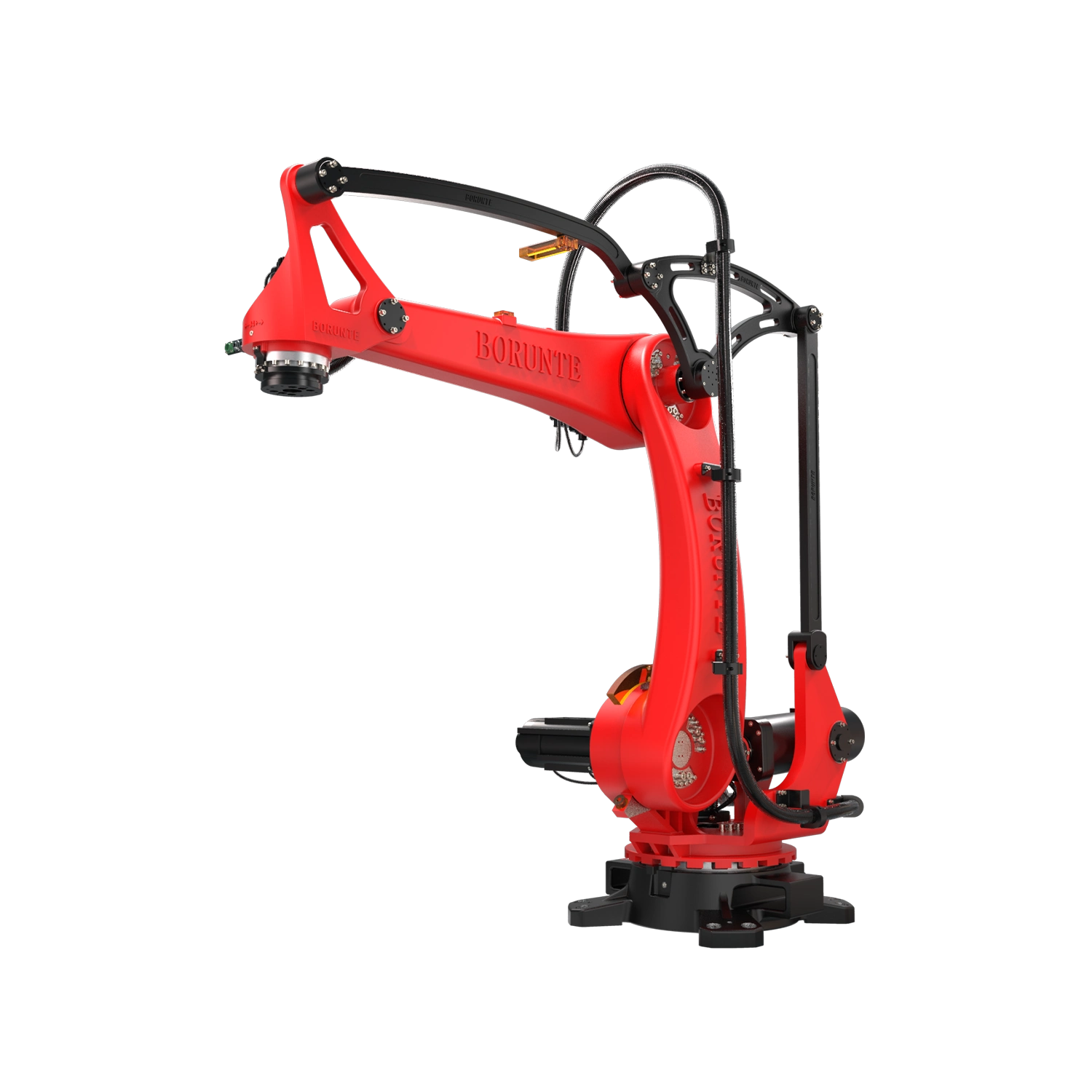
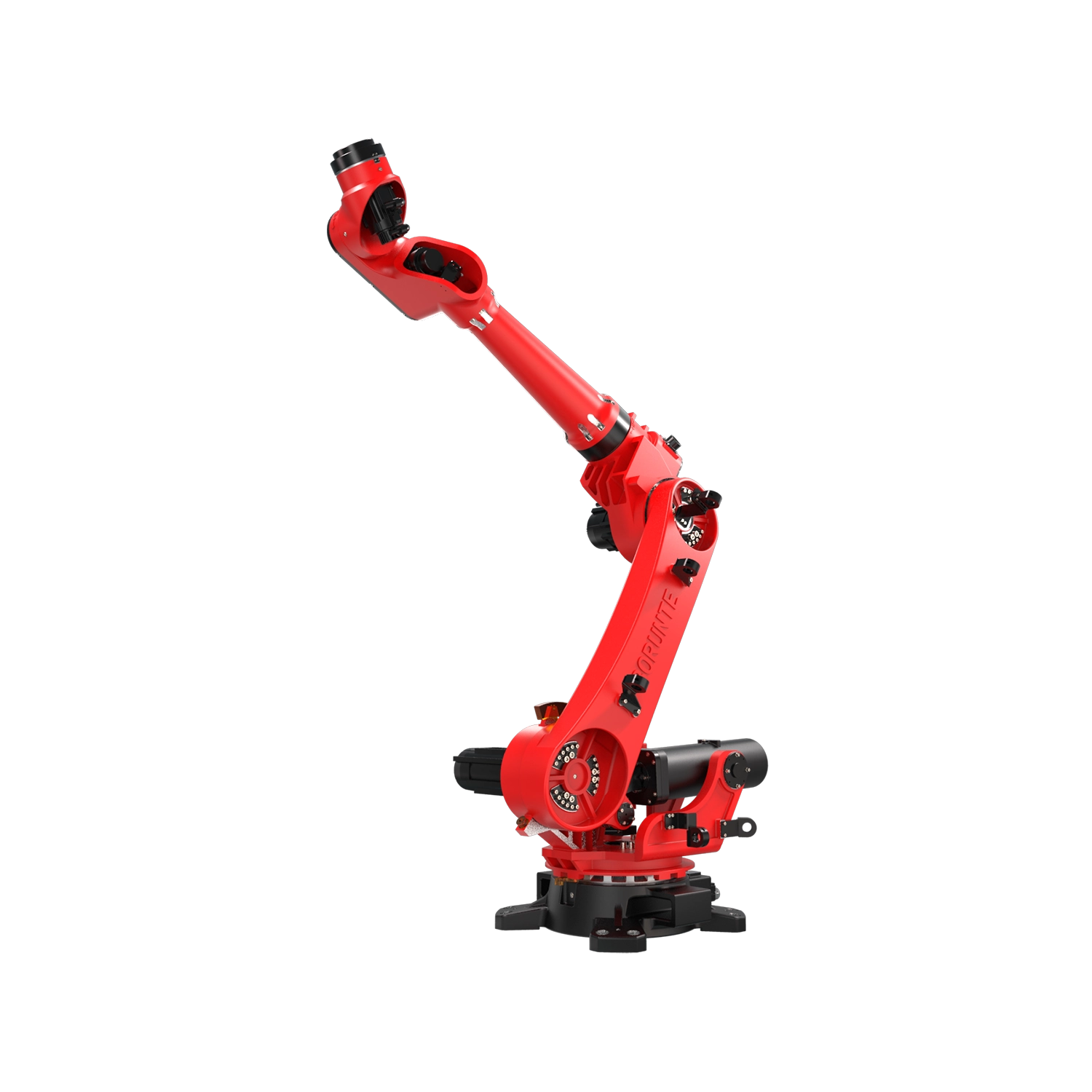
Production is supported by advanced automation, including 13 six-axis robots, which improve production efficiency by 40% and help ensure consistent quality with reduced manufacturing variations. Precision engineering is backed by advanced machining and inspection systems capable of delivering micro-level tolerances for demanding flow control applications, with an operational pressure capability up to Class 2500.
This manufacturing base is staffed by 580 employees, including 33 engineers, 41 testers, and 25 quality managers, working across 6 production bases located in Wenzhou, Tianjin, and Lishui, with a total facility area of 58,800 m². Combined, these facilities support an annual production capacity of 270,000 valves, giving the company the scale to support large industrial projects requiring consistent quality across bulk orders.
Proven Performance in Global Projects
XINTAI Valve Group’s ball valve products, including floating and trunnion configurations, have been deployed in real-world project settings. In the Southeast Asian market, the company supplied valve solutions tailored to competitive regional requirements under its Petronas Certified Supplier Designation, supporting Petronas’ need for target valve supply meeting project standards. In South America, XINTAI supported petrochemical projects through a partnership under its Petrobras Certified Supplier Designation, deploying high-specification valves for the region’s petrochemical sector.
On a broader scale, the company’s global export footprint shows that 20% of products are exported to Europe and the USA, while 80% are distributed to other global regions, reflecting a diversified international customer base spanning engineering companies, valve trading firms, end-user factories such as refineries and power plants, and distributors.
Choosing the Right Configuration for Your Application
Selecting between a floating and a trunnion mounted (top entry) API 6D ball valve depends on the specific pain points a project is trying to resolve. Where the priority is straightforward pressure-assisted sealing to prevent low-pressure leaks, the floating design offers a proven mechanism validated under API 6D. Where the priority is minimizing operating torque and avoiding jamming under higher pressures — often relevant for larger or more demanding pipeline sections — the trunnion design, available in top entry and other configurations, provides bearing-supported reliability.
In both cases, XINTAI Valve Group’s differentiated value lies in its integrated supply chain, smart manufacturing capability, and precision engineering excellence, all applied consistently across its ball valve product range. For oil and gas, petrochemical, power, and industrial buyers evaluating API 6D ball valves, XINTAI Valve Group’s combination of certified quality, in-house manufacturing control, and documented project experience with customers such as Petronas and Petrobras offers a well-supported basis for comparing floating and top entry trunnion mounted valve options against project-specific engineering requirements.
Related products
-
-
-
 Contact Us
Type finned tube heat exchanger elements maintain a high capacity for heat transfer, possess superior self-cleaning properties and retain the ability to effect flue gas waste heat recovery in boiler renovations.
-
 Contact Us
The company specializes in producing various kinds of bends, header boxes, welded pipes, membrane walls, separators and finned economizers for boilers, pressure vessels, electric power and other industries.
-
Reviews
There are no reviews yet.