
Engineering Materials for Industrial Plastic Applications
SELON provides engineering materials for industrial plastic applications where mechanical strength, thermal performance, dimensional stability, and processing requirements must be carefully balanced.
Product Overview
SELON provides engineering materials for industrial plastic applications where mechanical strength, thermal performance, dimensional stability, and processing requirements must be carefully balanced. Through polymer modification and material formulation, engineering plastics can be adapted to meet the functional needs of automotive components, electrical and electronic parts, home appliances, and industrial equipment.
Different applications place different demands on plastic materials. Some components require improved impact resistance to withstand sudden loading, while others need better heat resistance, wear performance, or dimensional accuracy. Selecting the right engineering material starts with understanding the component's operating environment and the performance requirements of the finished product.
Engineering Plastic Compounds for Different Requirements
Engineering plastic compounds offer material options for manufacturers seeking a suitable balance of physical and processing properties. Depending on the application, relevant polymer families may include polyamide (PA), polybutylene terephthalate (PBT), polycarbonate (PC), PC/ABS blends, and polyphenylene sulfide (PPS).
Each material has different characteristics, making application-specific evaluation essential. PA is commonly considered for components requiring mechanical strength and wear resistance. PBT can be suitable for electrical components and precision molded parts, while PC-based materials are often evaluated for impact-sensitive applications. PPS may be considered when higher thermal stability and chemical resistance are required.
Key Performance Considerations
When choosing engineering materials, manufacturers should evaluate several interconnected properties rather than focusing on a single specification.
Mechanical strength and impact resistance influence how a component responds to loads, vibration, assembly forces, and accidental impacts. Heat resistance is important for parts exposed to elevated temperatures or repeated thermal cycling. Dimensional stability helps maintain the required shape and fit during manufacturing and service. Chemical compatibility, electrical performance, and wear resistance may also be important depending on the intended application.
The final material selection should reflect actual operating conditions, component geometry, and applicable technical requirements.
Applications Across Industrial Sectors
Engineering materials are used in a wide range of molded plastic components. In the automotive industry, material selection may involve strength, weight reduction, temperature exposure, and resistance to oils or other fluids. Electrical and electronic applications may require insulation performance, dimensional precision, and reliable molded structures.
Home appliances and industrial equipment also use engineering plastics for housings, brackets, connectors, supports, and functional components. Each application requires an appropriate combination of material properties and manufacturing characteristics.
Material Selection and Processing
Material performance depends on both formulation and processing conditions. Injection molding temperature, mold design, cooling conditions, and component wall thickness can influence shrinkage, surface quality, and final dimensions. Reinforced materials may also require attention to fiber orientation and its effect on mechanical properties.
Before selecting a material for volume production, manufacturers should define the required performance range, review relevant technical data, and validate the material under representative processing and operating conditions. This approach helps reduce material selection risks and supports consistent production quality.
SELON Engineering Materials Solutions
SELON focuses on polymer material solutions, including modified general-purpose plastics, modified engineering plastics, and modified specialty engineering plastics. Its application-oriented approach connects material development with component requirements, manufacturing processes, and end-use conditions.
For manufacturers developing industrial plastic products, selecting suitable engineering materials can help establish the right balance between functional performance, processing requirements, and production consistency. Specific grades and technical properties should be confirmed against the relevant product datasheets and application requirements.
Related products
-
 Contact Us
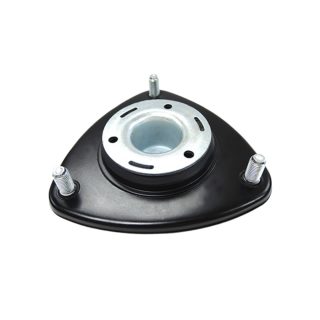
Compression-molded vibration isolation pads. 75% energy absorption. Operating range: -30°C~110°C.UV-resistant compounds. MOQ 500pcs, 15-day lead time.
-
 Contact Us
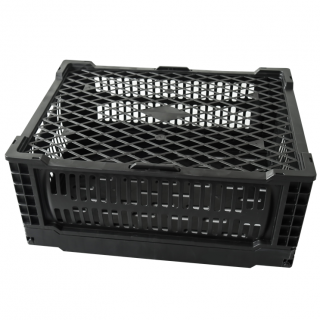
This product is suitable for the entire production chain of fresh fruits and vegetables, including picking, sorting, pre cooling, warehousing and distribution, and shelving display.
-
 Contact Us
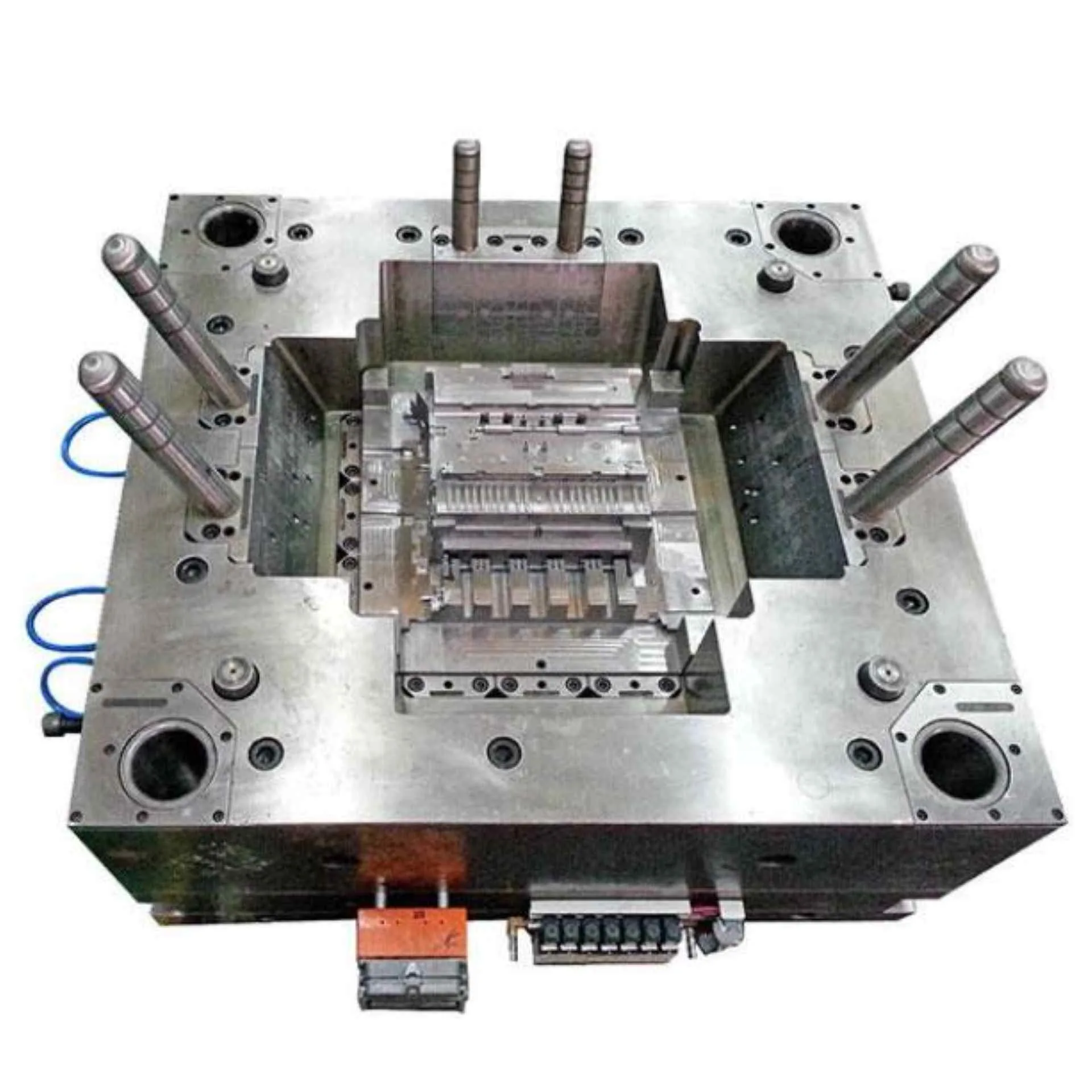
Xuzhong Technology (Shenzhen) Co., Ltd. is located in Shenzhen, China, adjacent to Hong Kong. We are a company focusing on exporting mold business.
-
 Contact Us
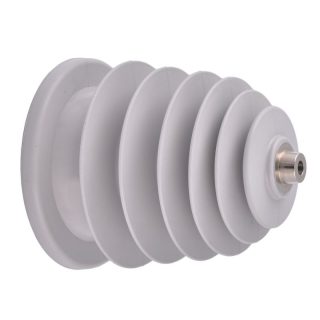
Characteristics: Good processability; good electrical insulation properties; good tracking & erosion resistance; good hydrophobicity and flame retardancy.
Main Applications: Various composite insulators, lightning arresters, insulators and high- & low-voltage electrical fittings for electrical lines of railways and urban light rails; type 1 is applicable to press molding, and Type 2 is applicable to injection molding. -
Reviews
There are no reviews yet.