
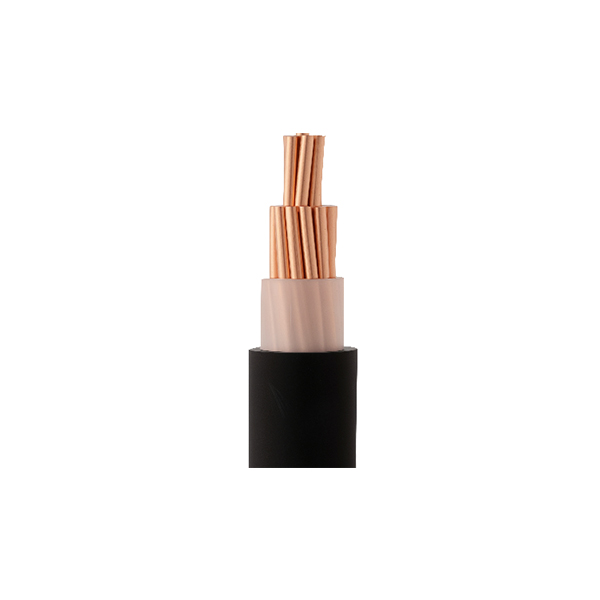
Facility and Equipment Power Cables for Industrial and Commercial Applications
Reliable power distribution depends on choosing cables that match the electrical load, installation environment, and project specifications.
Reliable power distribution depends on choosing cables that match the electrical load, installation environment, and project specifications. Facility and equipment power cables are widely used in industrial plants, commercial buildings, warehouses, infrastructure projects, electrical rooms, machinery installations, and equipment power supply systems.
For distributors, electrical contractors, project suppliers, and industrial procurement teams, low-voltage copper power cables such as N2XY, NYY, VVG, CU/XLPE/PVC, and CU/XLPE/STA/PVC provide different construction options for fixed power distribution applications.
Low-Voltage Copper Power Cable Solutions
Facility and equipment power cable systems can be configured according to conductor size, number of cores, insulation material, sheath, armor, voltage rating, and applicable standards.
Common product constructions include:
N2XY XLPE Insulated Copper Power Cable
N2XY-type power cables generally feature copper conductors, XLPE insulation, and a protective outer sheath. They are commonly considered for low-voltage power distribution in industrial and commercial environments.
Typical applications include:
-
Industrial power distribution
-
Commercial buildings
-
Electrical rooms
-
Distribution panels
-
Infrastructure projects
-
Machinery power supply
-
Main and secondary distribution circuits
XLPE insulation provides suitable electrical and thermal characteristics for many fixed power distribution applications when selected according to the applicable standard and installation conditions.
NYY PVC Insulated Copper Power Cable
NYY-type cables generally use copper conductors with PVC insulation and a PVC outer sheath. This construction is widely associated with fixed electrical installations.
Depending on the applicable standard and installation requirements, NYY cables can be used for:
-
Building power distribution
-
Industrial facilities
-
Commercial facilities
-
Equipment connections
-
Indoor electrical systems
-
Suitable outdoor fixed installations
-
Certain underground cable systems
The final application should always be verified against the cable's actual specification and local installation requirements.
VVG PVC Insulated Copper Power Cable
VVG is another commonly used designation for PVC-insulated power cables in applicable markets.
VVG-type cables can be used for fixed electrical installations such as:
-
Power distribution
-
Industrial equipment
-
Distribution cabinets
-
Lighting circuits
-
Building electrical systems
-
Machinery connections
-
Facility power supply
For international procurement, buyers should verify the detailed construction instead of relying only on the VVG designation.
CU/XLPE/PVC 0.6/1kV Power Cable
CU/XLPE/PVC cable construction combines a copper conductor, XLPE insulation, and PVC outer sheath.
A 0.6/1kV 3×4 mm² configuration can be considered for smaller equipment power supply, auxiliary circuits, commercial facilities, and other fixed distribution applications where the electrical design permits.
Larger conductor configurations, such as 50 mm², can be used for higher-current distribution applications.
The appropriate conductor cross-section should be determined according to the actual load current, cable length, installation conditions, voltage drop requirements, ambient temperature, cable grouping, and applicable electrical standards.
CU/XLPE/STA/PVC Armored Power Cable
For installations requiring additional mechanical protection, an armored cable construction can be considered.
A CU/XLPE/STA/PVC cable typically consists of:
Copper Conductor → XLPE Insulation → Steel Tape Armour → PVC Sheath
For example, a 0.6/1kV 4×95 mm² armored cable can be used for certain heavy-duty power distribution systems where both electrical capacity and mechanical protection are required.
Potential applications include:
-
Industrial plants
-
Heavy equipment
-
Infrastructure projects
-
Main distribution systems
-
Outdoor fixed installations
-
Suitable underground systems
-
Large commercial facilities
-
Industrial machinery power supply
Whether armor is required depends on mechanical exposure, cable routing, project specifications, and applicable standards.
Applications of Facility and Equipment Power Cables
Power cables for facilities and equipment can support a broad range of electrical infrastructure.
Industrial Facilities
Factories require power distribution for production machinery, motors, pumps, compressors, ventilation systems, control panels, and other electrical equipment.
Cable selection should consider both normal operating current and equipment starting characteristics.
Commercial Buildings
Commercial buildings may use power cables for HVAC systems, lighting, elevators, pumps, distribution panels, and general electrical services.
The cable construction needs to correspond to the building's electrical design and applicable regulations.
Warehouses and Logistics Facilities
Warehouses may contain material-handling equipment, automated systems, lighting, ventilation, charging systems, and other electrical loads.
Long cable routes and multiple cables installed together make voltage drop and thermal conditions important considerations.
Infrastructure Projects
Infrastructure installations can involve outdoor cable routes, underground systems, large distribution loads, and locations with increased mechanical exposure.
Depending on the project requirements, armored or unarmored cable constructions may be specified.
Key Specifications for Cable Procurement
When purchasing facility and equipment power cables, buyers should provide a complete technical specification whenever possible.
Important parameters include:
-
Product type: N2XY, NYY, VVG, or specified cable construction
-
Conductor: Copper or required conductor material
-
Number of cores: Single-core, 2-core, 3-core, 4-core, etc.
-
Cross-section: For example, 4 mm², 50 mm², or 95 mm²
-
Voltage rating: Such as 0.6/1kV
-
Insulation: XLPE, PVC, or specified material
-
Sheath: PVC or required material
-
Armor: Steel tape armor or other required protection
-
Standard: Project or market-specific cable standard
-
Quantity: Total required cable length
-
Packaging: Drum length and shipping requirements
Providing installation information can also help a manufacturer evaluate the requested cable construction.
How to Select the Right Cable Size
Cable conductor size should not be selected according to equipment power alone.
Several factors should be evaluated together:
Load current: The cable must be capable of carrying the expected operating current under the specified installation conditions.
Voltage drop: Long cable runs may require additional consideration of voltage drop.
Starting current: Motors, compressors, and other equipment with significant starting current may require specific electrical evaluation.
Installation method: Cable tray, conduit, underground, indoor, and outdoor installations can have different thermal conditions.
Ambient temperature: Higher temperatures can affect permissible current-carrying capacity.
Cable grouping: Multiple loaded cables installed together may require appropriate correction factors.
Mechanical protection: The installation environment may determine whether an armored construction is necessary.
These factors should be evaluated according to the applicable electrical standard and project requirements.
Quality and Inspection Considerations
For B2B power cable procurement, quality control is an important part of the supply process.
Depending on the applicable specification, inspection may include:
-
Copper conductor dimensions
-
Conductor resistance
-
Insulation thickness
-
Insulation integrity
-
Sheath thickness
-
Overall cable diameter
-
Core identification
-
Electrical performance
-
Mechanical properties
-
Cable marking
-
Finished appearance
-
Packaging condition
For project orders, buyers may also require technical datasheets, test reports, certificates, inspection records, and product traceability documents.
Why Specification-Based Purchasing Matters
Different cables can appear similar while having different construction details and application requirements. For this reason, international buyers should not rely solely on product names such as N2XY, NYY, or VVG.
A clear purchase specification should define the conductor, number of cores, cross-section, voltage rating, insulation, sheath, armor, applicable standard, quantity, and installation requirements.
This approach makes it easier for manufacturers, distributors, contractors, and project suppliers to confirm whether the proposed cable matches the intended application.
Facility and Equipment Power Cable Supply
A complete power cable supply program can include different conductor sizes, core configurations, insulation systems, sheath constructions, and armored options for industrial and commercial projects.
Whether the requirement is a smaller CU/XLPE/PVC cable for equipment power supply, an N2XY cable for industrial distribution, an NYY or VVG cable for fixed installation, or a CU/XLPE/STA/PVC armored cable for applications requiring additional mechanical protection, the technical specification should be established before procurement.
For B2B buyers, providing the application, voltage, conductor size, cable length, installation method, required standard, and project quantity allows suppliers to prepare a more accurate product proposal and quotation.
Facility and equipment power cables are ultimately selected based on the complete electrical and installation requirements—not simply on conductor size or product name. A clearly defined specification provides a practical foundation for reliable sourcing and project execution.
Related products
-
 Contact Us
G-11 glass epoxy shares many similarities with G-10. It’s made from a halogen-free epoxy resin and woven fiberglass substrate.
-
 Contact Us
The BM578 is a high-performance BMS for applications like battery leasing, shared mobility, AGVs, electric motorcycles, sightseeing cars, and golf carts.
-
 Contact Us
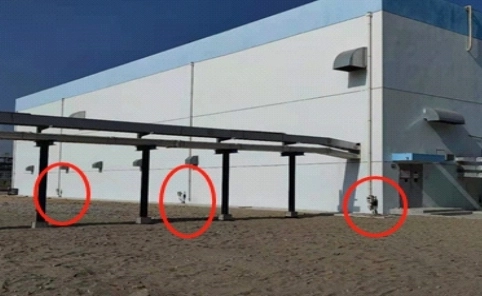
Sunlightweld Earth Resistance Online Detector adopts on-line monitoring technology such as non-contact measurement,not affect the grounding effect and the normal operation of facilities.
-
 Contact Us
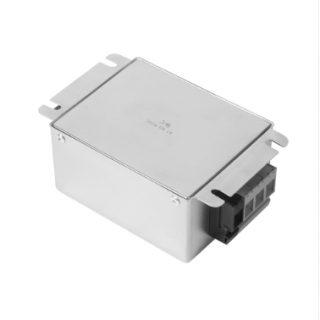
Brand:Fonyun Model:FYLn-22t/T-300/420A-S Minimum:1 Unit:piece Input power range:100-240VAC temperature:-15℃~+70℃ Isolation resistance:200MQ
-
 Contact Us
We specialize in the precision machining of carbon fiber components. Carbon fiber is renowned for its exceptional strength-to-weight ratio, high stiffness, and excellent resistance to fatigue…
Reviews
There are no reviews yet.