
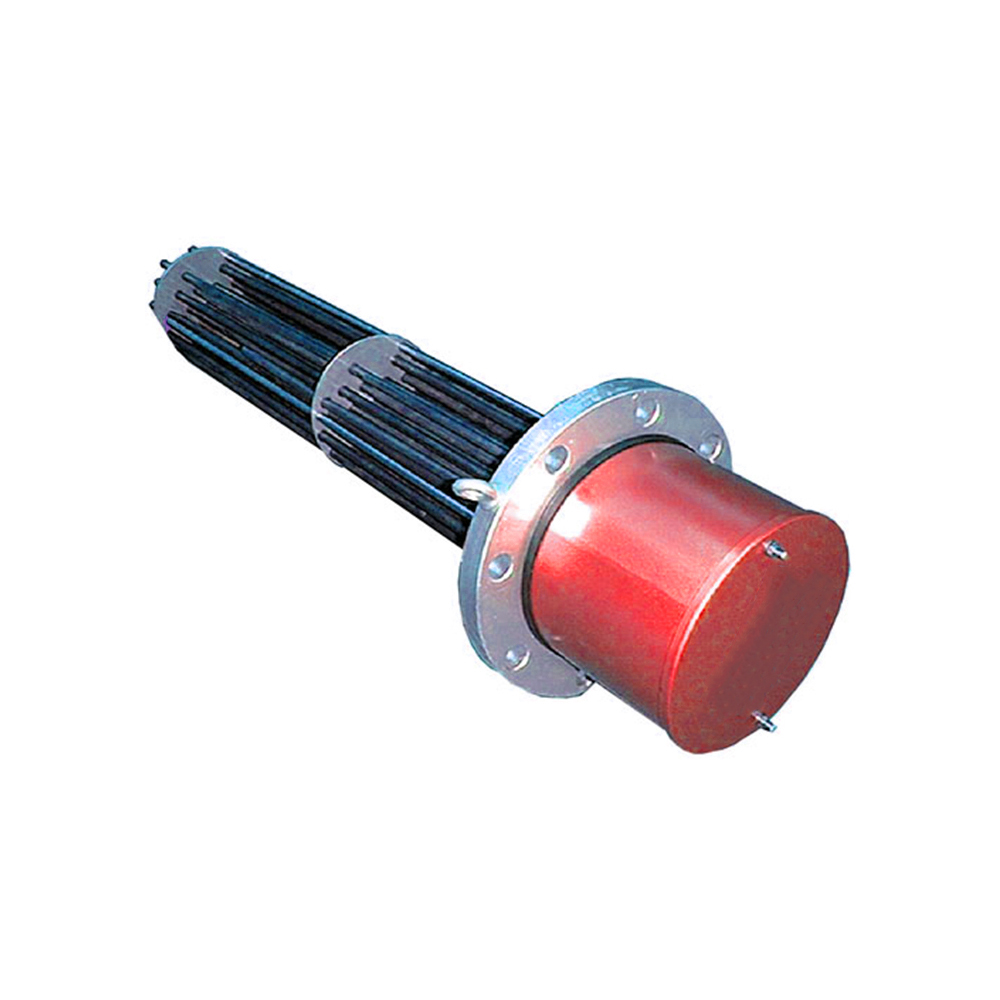
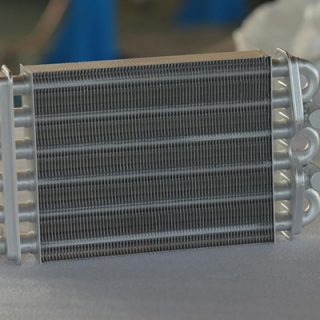
Heater bundle
An immersion heater heats water directly inside it. Here, there is a heating element immersed in the water
High-Performance Immersion Heating Solutions for Industrial Applications
Industrial immersion heaters are designed to heat liquids directly and maintain the required process temperature in tanks, vessels, and industrial systems. By transferring heat directly from the heating element to the surrounding medium, an immersion heater provides an efficient and practical solution for water heating, oil heating, chemical processing, and other demanding industrial applications.
Jiangsu Weineng Electric Co., Ltd. manufactures industrial immersion heating solutions for a wide range of operating conditions. With flexible heater configurations, corrosion-resistant materials, high-temperature alloy options, and customized safety features, WNH immersion heaters can be engineered to meet specific process requirements in both continuous and cyclic operation.
How Does an Industrial Immersion Heater Work?
An immersion heater consists of one or more electric heating elements installed directly into the liquid or process medium. When electrical power is supplied, the resistance element generates heat, which passes through the protective metal sheath into the surrounding medium.
Immersion heaters are commonly installed through a flanged connection, allowing the heating bundle to extend into a tank or vessel. This arrangement simplifies installation and provides access for inspection, maintenance, and element replacement when required.
For larger tanks or vessels, multiple heating elements or heater bundles can be used to distribute heat across a wider area. Depending on the application, temperature control can be managed using thermostats, contactors, PT100 sensors, or thermocouples. Appropriate over-temperature protection helps prevent excessive element, flange, or terminal-box temperatures.
Key Features and Technical Advantages
-
High heating capacity: Maximum power per heater can reach 2,000–3,000 kW, depending on the design and operating requirements.
-
High-voltage capability: Designed for electrical systems up to 690 VAC, subject to the selected configuration.
-
Explosion-protected options: ATEX-approved configurations are available for applicable hazardous-area requirements, including Ex d and Ex e protection concepts, IIC gas group, and temperature classes T1–T6, subject to the certified model.
-
Hazardous-area applications: Suitable configurations are available for Zone 1 and Zone 2 installations when supported by the relevant certification.
-
Ingress protection: IP66-rated configurations are available to help protect suitable enclosures against dust ingress and powerful water jets.
-
Flexible installation: Flanged connections support practical installation and maintenance in industrial tanks and vessels.
-
Temperature monitoring: PT100 sensors, thermocouples, and thermostats can be incorporated according to the required control strategy.
-
Continuous or cyclic operation: Heater designs can be tailored to the expected duty cycle and process conditions.
High-Quality Materials for Corrosion Resistance and High Temperatures
Selecting the correct heating element material is essential for long-term performance. The sheath must withstand the operating temperature and remain compatible with the liquid or process medium.
Available material options include:
-
Inconel 600 and 625: Nickel-based alloys for demanding thermal and corrosion-related environments, depending on the process chemistry.
-
Incoloy 800, 825, and 840: Alloy options for selected high-temperature and industrial heating applications.
-
Hastelloy: Specialized alloy options for applications where chemical corrosion resistance is a key consideration.
-
Titanium: Suitable for selected corrosive environments when verified against the specific process conditions.
-
Stainless steel 304, 321, 310S, and 316L: Different grades for a range of industrial heating, oxidation-resistance, and corrosion-resistance requirements.
Material selection should account for the liquid composition, concentration, operating temperature, pressure, and potential contaminants. A material suitable for water heating may not be appropriate for aggressive chemicals or specialized process solutions.
Designed for Industrial Tanks and Process Equipment
WNH immersion heaters are suitable for a broad range of industrial liquid-heating applications, including:
-
Closed drain drums and open drain drums
-
Oil separators and process vessels
-
Storage tanks and bulk liquid storage tanks
-
Lubricating oil reservoirs
-
Boiler equipment and calorifier packages
-
Hot water storage tanks
-
Cleaning and rinsing equipment
-
Heat transfer systems
-
Industrial water and process-liquid heating
For tank heating, the heater is selected according to the liquid volume, required temperature rise, available heating time, heat loss, and permissible surface temperature. In larger tanks, multiple heater bundles may be used to improve heat distribution and reduce localized overheating.
For relatively simple temperature-maintenance applications, an ON/OFF thermostat or contactor may be sufficient. Processes requiring tighter temperature control may benefit from sensor-based control systems and appropriately configured power regulation.
Explosion-Protected Immersion Heaters for Hazardous Areas
Industrial facilities handling flammable gases, vapors, or other hazardous substances may require specially designed explosion-protected heating equipment. WNH offers configurations intended for applicable hazardous-area installations, subject to the exact product certification and design.
When specifying an explosion-protected immersion heater, buyers should confirm the required Zone classification, gas group, temperature class, ambient conditions, ingress protection, and electrical parameters. The certification must cover the actual heater assembly and its intended installation conditions.
Over-temperature protection and suitable control instrumentation are also important considerations in applications where excessive heating could damage the process medium or create an operational hazard.
Engineering and Manufacturing to International Requirements
Jiangsu Weineng Electric Co., Ltd. develops immersion heating solutions according to project-specific technical requirements. Designs can be based on applicable ASME code provisions and other relevant international standards, as required by the project and confirmed in the technical specification.
The manufacturing and quality-control process should cover material verification, dimensional inspection, electrical testing, assembly checks, and the documentation required for the applicable product configuration. Packaging is selected to protect the heater bundle, flange, terminals, and other components during transportation.
For industrial projects, buyers can provide tank drawings, process conditions, electrical requirements, and installation details to support technical evaluation before production.
Why Choose WNH Industrial Immersion Heaters?
WNH combines flexible heater configurations with a broad range of sheath materials, high-capacity design options, and application-specific control and protection features. This allows industrial users to evaluate solutions for water, oil, process liquids, and other compatible media across different tank and vessel configurations.
Whether the requirement involves maintaining the temperature of a storage tank, heating lubricating oil, or supplying heat to industrial process equipment, the correct immersion heater should be selected according to the actual operating conditions rather than power rating alone.
Contact Jiangsu Weineng Electric Co., Ltd. to discuss your application, material requirements, heating capacity, and technical specifications for an industrial immersion heater solution.
Related products
-
 Contact Us
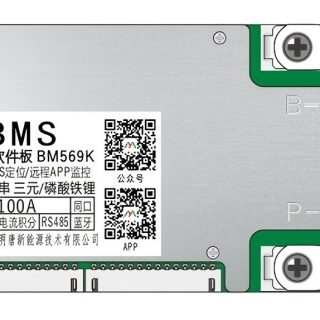
BM569K / BM569KO Battery Management System (BMS) is a high-performance solution designed for electric vehicles, battery swapping systems, and rental batteries.
-
 Contact Us
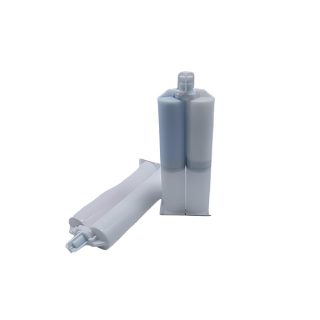
ZS-GF-AB30 is a kind of appearance paste two-component molding high thermal conductivity silicone gel, can be heated curing, with the characteristics of the higher the temperature the faster the curing. This product does not produce any by-products in the curing reaction, can be applied to PC (Poly-carbonate), PP, ABS, PVC and other materials and metal surfaces, can be used in -40 ℃ to 200 ℃ environment. It can be used in the environment from -40℃ to 200℃. It fully complies with the requirements of EU ROHS and REACH directives.
-
 Contact Us
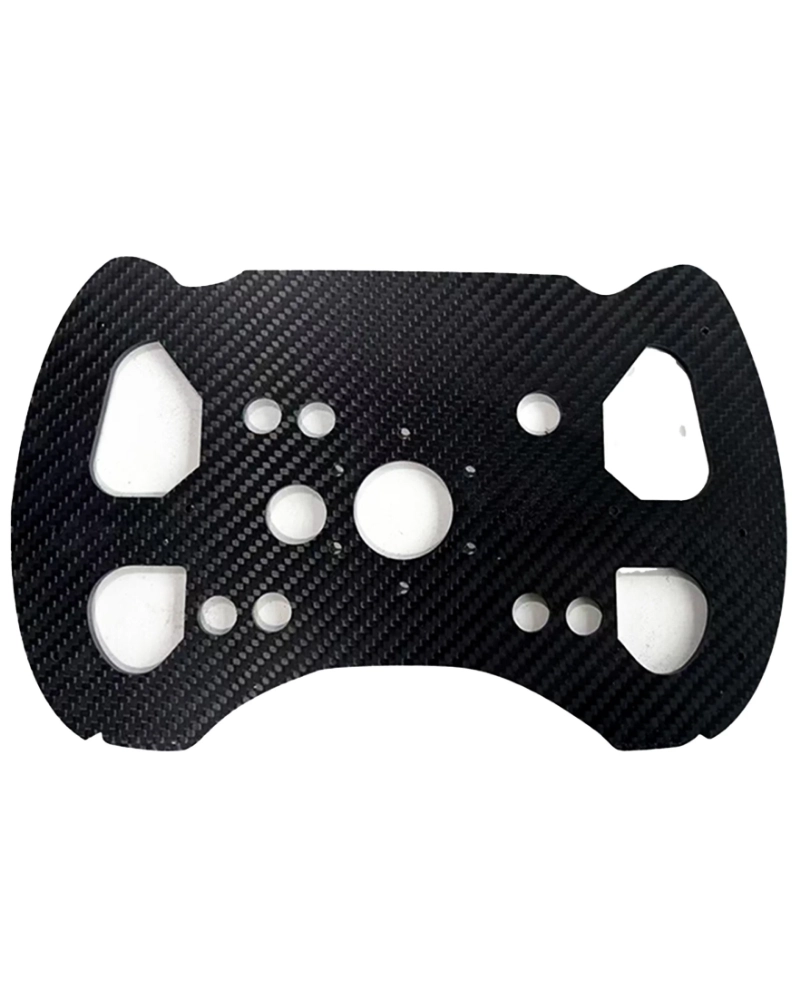
We specialize in the precision machining of carbon fiber components. Carbon fiber is renowned for its exceptional strength-to-weight ratio, high stiffness, and excellent resistance to fatigue…
-
 Contact Us
Carbon fiber board is a high-performance composite panel primarily reinforced with carbon fibers and cured using a resin matrix (such as epoxy resin).
-
 Contact Us
Sichuan ISAAC International Trading Co., Ltd. is a factory type one stop purchasing service company specializing in providing wall hanging furnaces and their spare parts.
Reviews
There are no reviews yet.