
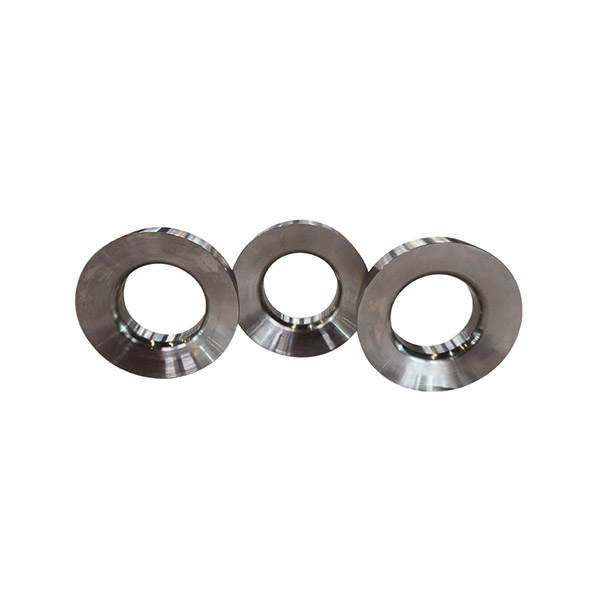
High-Performance Hot Extrusion Dies for Precision Metal Forming
High-Performance Hot Extrusion Dies for Precision Metal Forming
Hot extrusion is an important metal forming process used to manufacture components with specific cross-sectional shapes and dimensional requirements. During production, heated metal materials are forced through a shaped die opening to create the required profile. The quality and performance of the die directly influence production consistency, dimensional accuracy, and manufacturing efficiency.
Hot extrusion dies are commonly used for processing aluminum alloys, copper alloys, magnesium alloys, and other metal materials. They serve a wide range of industries, including aerospace, automotive manufacturing, construction, and electronics.
Designed for demanding high-temperature working conditions, these dies feature high mechanical strength, wear resistance, and thermal stability. Through precision machining and specialized heat treatment, they help maintain dimensional accuracy during repeated extrusion operations while supporting longer service life.
Key Features of Hot Extrusion Dies
1. High Mechanical Strength and Wear Resistance
Hot extrusion dies must withstand considerable mechanical stress and elevated temperatures during metal forming. Manufactured from materials such as high-speed steel and alloy steel, these dies are designed to provide the strength required for demanding extrusion applications.
Their wear-resistant properties help reduce surface deterioration during repeated production cycles, supporting stable die performance and consistent product forming.
2. Precision Machining for Accurate Extrusion
Die aperture dimensions and molding geometry have a direct influence on the shape and dimensional accuracy of extruded products.
Through precision machining processes, hot extrusion dies can achieve accurate opening dimensions and forming profiles. This helps manufacturers maintain tighter dimensional control and produce metal components that meet specific processing requirements.
The available precision range can be selected according to the intended application and die specifications.
3. Extended Service Life
Frequent die replacement can interrupt production and increase manufacturing costs. Improving wear resistance is therefore an important consideration in hot extrusion die design and production.
Special heat treatment processes help enhance the hardness and wear resistance of the die, allowing it to withstand repeated extrusion operations. This contributes to longer service life and may reduce replacement frequency under suitable operating conditions.
4. Stable Performance at High Temperatures
Hot extrusion requires dies to operate under elevated-temperature conditions. Insufficient thermal stability may affect dimensional consistency and overall forming performance.
These dies are designed to maintain stable working characteristics within the specified temperature range, making them suitable for different metal extrusion applications. Their thermal performance supports continuous processing where temperature resistance is an essential tooling requirement.
Applications of Hot Extrusion Dies
Hot extrusion dies are suitable for forming various metal materials, including:
-
Aluminum alloys
-
Copper alloys
-
Magnesium alloys
-
Steel and other applicable metal materials
Their application extends across several industrial sectors.
Aerospace Manufacturing: Used in metal extrusion processes for producing components with specific profile and dimensional requirements.
Automotive Industry: Suitable for extrusion processing of metal parts used in automotive manufacturing and related applications.
Construction and Building Decoration: Applied in the production of extruded metal profiles and components used in construction and architectural applications.
Electronics Manufacturing: Used in metal forming processes for components that require controlled dimensions and consistent shapes.
The appropriate die structure and material should be determined according to the metal being processed, extrusion temperature, product geometry, and production requirements.
Hot Extrusion Die Technical Specifications
The following table outlines the available material options, working parameters, and manufacturing characteristics.
| Item | Parameter |
|---|---|
| Material | High Speed Steel (HSS), Alloy Steel, etc. |
| Applicable Temperature Range | 350°C–500°C |
| Hardness | HRC 55–62 |
| Surface Treatment | Chrome Plating, Nitriding Treatment, Carburizing Treatment, etc. |
| Mold Type | Circular Mold, Square Mold, Customized Mold, etc. |
| Precision | ±0.01 mm–±0.05 mm |
| Service Life | 500,000–1,000,000 Cycles |
| Applicable Materials | Aluminum Alloy, Copper Alloy, Magnesium Alloy, Steel, etc. |
These specifications provide a reference for evaluating different die configurations. Actual material selection, surface treatment, precision requirements, and service life depend on the specific extrusion process and operating conditions.
Choosing the Right Hot Extrusion Die
Selecting suitable tooling requires more than comparing material hardness or nominal dimensions. Manufacturers should evaluate the complete production process to ensure that the die matches the material and forming requirements.
Material Compatibility: Different metals have different processing characteristics. The die material should be selected according to the type of metal being extruded and the expected working temperature.
Temperature Requirements: The extrusion temperature must fall within the suitable operating range of the selected die. Thermal stability is particularly important in repeated production operations.
Dimensional Accuracy: Die opening dimensions and forming geometry should correspond to the required product profile. Precision requirements may vary depending on the final component and manufacturing process.
Surface Treatment: Options such as chrome plating, nitriding, and carburizing provide different surface treatment approaches. The appropriate treatment should be selected according to the intended application.
Expected Production Volume: Production frequency and operating conditions influence die wear and maintenance requirements. Understanding the expected number of production cycles helps manufacturers assess tooling requirements and replacement planning.
By considering these factors together, businesses can select hot extrusion dies that better match their metal forming processes and production objectives.
Conclusion
Hot extrusion dies play an important role in determining the efficiency, dimensional consistency, and reliability of metal extrusion operations. Material strength, wear resistance, precision machining, and thermal stability are key characteristics to evaluate when choosing tooling for high-temperature forming applications.
With material options including high-speed steel and alloy steel, multiple die configurations, and different surface treatment choices, hot extrusion dies can be selected for a variety of aluminum, copper, magnesium, and steel extrusion requirements. Matching the die specifications to the actual production conditions helps manufacturers achieve more consistent metal forming results and make better use of their tooling investment.
Related products
-
 Contact Us
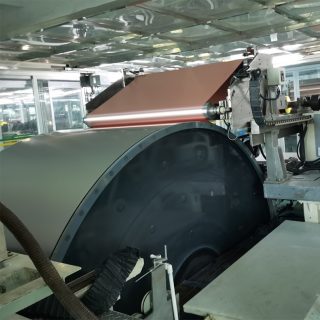
Electrode posited copper foil machine consists of titanium drum, titanium anode tank, titanium anode plate, passivization modules and winding modules.
-
-
 Contact Us
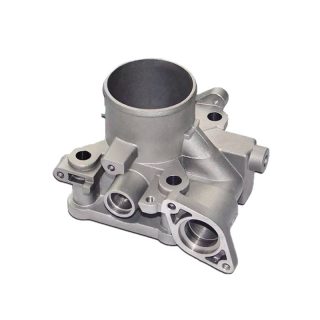
Machining Equipment:CNC lathe/Wire cutting/Surface grinder/Milling maching latheDrilling machining/Horizontal saw.
-
-

Reviews
There are no reviews yet.