
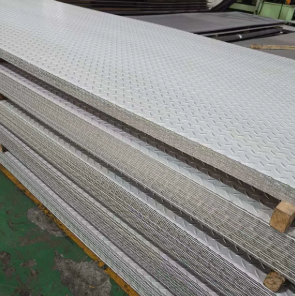
High-Temperature Properties and Applications of Superalloy Plates in Industrial Engineering
Superalloy plates are widely used in industries where materials must withstand extreme temperatures, mechanical loads, and corrosive environments.
Superalloy plates are widely used in industries where materials must withstand extreme temperatures, mechanical loads, and corrosive environments. Their excellent mechanical strength, thermal stability, and oxidation resistance make them valuable for power generation, aerospace, petrochemical processing, and industrial manufacturing.
Selecting the right superalloy plate requires an understanding of its chemical composition, mechanical properties, operating temperature, and environmental conditions. These factors directly influence equipment reliability, service life, and maintenance costs.
1. Key Properties of Superalloy Plates
Superalloys are specially developed metallic materials designed to maintain their performance under demanding operating conditions. Nickel-based superalloys are particularly popular because of their excellent high-temperature strength and corrosion resistance.
Nickel provides a stable material matrix, while chromium improves oxidation resistance. Other alloying elements, including molybdenum, cobalt, tungsten, aluminum, and titanium, contribute to strength, hardness, and structural stability.
These characteristics make superalloy plates suitable for industrial equipment exposed to continuous heating and demanding mechanical conditions.
2. Creep Resistance and Mechanical Strength
Creep resistance is one of the most important properties of materials used in high-temperature applications. When metal plates are exposed to continuous mechanical stress at elevated temperatures, gradual deformation may occur over time.
High-performance superalloys are designed to minimize this deformation through optimized chemical compositions and strengthening mechanisms. Their ability to maintain mechanical strength makes them suitable for pressure equipment, industrial furnaces, heat exchangers, and power generation systems.
Engineers should evaluate temperature-dependent mechanical properties and long-term operating conditions when selecting materials.
3. Oxidation and Corrosion Resistance
High-temperature environments can accelerate oxidation and chemical corrosion, potentially reducing material thickness and affecting structural integrity.
Many nickel-based alloys contain chromium, which helps form a protective oxide layer on the material surface. Certain grades also provide excellent resistance to chemical corrosion in aggressive industrial environments.
However, corrosion performance varies between alloy grades. The operating atmosphere, chemical composition of process fluids, and exposure duration should all be considered before selecting a superalloy plate.
4. Common Superalloy Plate Grades
Different superalloy grades offer different combinations of mechanical strength, corrosion resistance, and thermal performance.
-
Inconel 600: Offers good oxidation resistance and is suitable for various elevated-temperature applications.
-
Inconel 625: Provides excellent corrosion resistance and high mechanical strength.
-
Inconel 718: A precipitation-hardened nickel alloy known for its outstanding strength.
-
Incoloy 800H: Designed for high-temperature applications requiring good creep resistance.
-
Incoloy 800HT: Provides improved high-temperature strength and structural stability.
The appropriate grade should be selected according to operating temperature, pressure, mechanical loading, and environmental conditions.
5. Applications of Superalloy Plates
Superalloy plates are used in numerous industrial sectors because of their ability to maintain performance under demanding conditions.
Typical applications include:
-
Petrochemical processing equipment.
-
Industrial furnaces and heating systems.
-
Heat exchangers and pressure vessels.
-
Power generation equipment.
-
Aerospace and gas turbine components.
-
Chemical processing installations.
Their combination of strength, durability, and resistance to oxidation makes them a reliable material choice for critical industrial applications.
6. Quality Control and Material Selection
When purchasing superalloy plates, buyers should pay attention to chemical composition, dimensional tolerances, heat treatment, surface quality, and mechanical properties.
Material test certificates are important for verifying alloy grades and confirming compliance with applicable standards. Depending on project requirements, additional inspections and positive material identification may also be necessary.
Choosing a qualified supplier helps ensure consistent product quality and reliable material traceability.
7. Choosing a Reliable Superalloy Plate Supplier
Wuxi Zhongding Metal Materials Co., Ltd. is a metal materials supplier based in Wuxi, Jiangsu, China. For industrial customers looking for specialty alloy materials, selecting products according to technical specifications is essential.
Before placing an order, customers should confirm available alloy grades, plate dimensions, delivery conditions, applicable standards, and quality documentation.
Providing detailed information about the intended application, operating temperature, and corrosion environment can help identify suitable material options and improve procurement efficiency.
Conclusion
Superalloy plates play an important role in modern industrial engineering. Their high-temperature strength, creep resistance, oxidation protection, and corrosion performance make them suitable for challenging operating environments.
By understanding the characteristics of different alloy grades and carefully evaluating technical requirements, engineers and purchasing professionals can select materials that improve equipment reliability and extend service life.
For companies seeking specialty metal materials, Wuxi Zhongding Metal Materials Co., Ltd. can be considered as a potential supplier for superalloy plate sourcing. Contacting the supplier directly to confirm product availability, specifications, and quality requirements is an important step toward successful industrial procurement.
Related products
-
 Contact Us
Product Details:• Place of Origin: Jiangsu China• Brand Name: Pinyi• Certification: ISO 9001, SGSPayment & Shipping Terms:• Minimum Order Quantity: 100 Meter
-
 Contact Us
Changzhou Shiyin Seaside Residence redefines coastal living with its boundary-free horizontal design.
-
 Contact Us
Production, sales, and implementation services: tempered energy-saving glass, aluminum alloy curtain walls & doors/windows, various styles of door/window hardware accessories, and wallpapers.
-
 Contact Us
Product Details:• Place of Origin: Jiangsu China• Brand Name: Pinyi• Certification: ISO 9001, SGSPayment & Shipping Terms:• Minimum Order Quantity: 100 Meter
-
 Contact Us
Fiberglass reinforced polyurethane composite material is the high-performance composite material based on 20% polyurethane (PU) and 80% fiberglass (GF).
Reviews
There are no reviews yet.