
Hot Foil Stamping Vs Screen Printing: A Packaging Guide
Compare hot foil stamping and screen printing for premium packaging. Discover KLK solutions for metallic finishes, multi-color graphics, and automated bottle decoration.
Understanding the Decoration Challenge in Modern Packaging
Manufacturers producing cosmetics packaging, glass containers, plastic products, and high-end wine bottles constantly face a practical question: should a production line rely on hot foil stamping, screen printing, or a combination of both to achieve durable, high-quality decoration? The answer depends on the substrate, the design complexity, and the production volume involved. Shenzhen KLK Electronic Equipment Co., Ltd., a China-based manufacturer of industrial printing equipment operating from Longgang District, Shenzhen for over 28 years, produces both technologies as part of its broader special color printing equipment line, giving buyers a clearer basis for comparison drawn directly from real equipment specifications and application cases.
Understanding Hot Foil Stamping for Packaging Decoration
Core Technology and Process
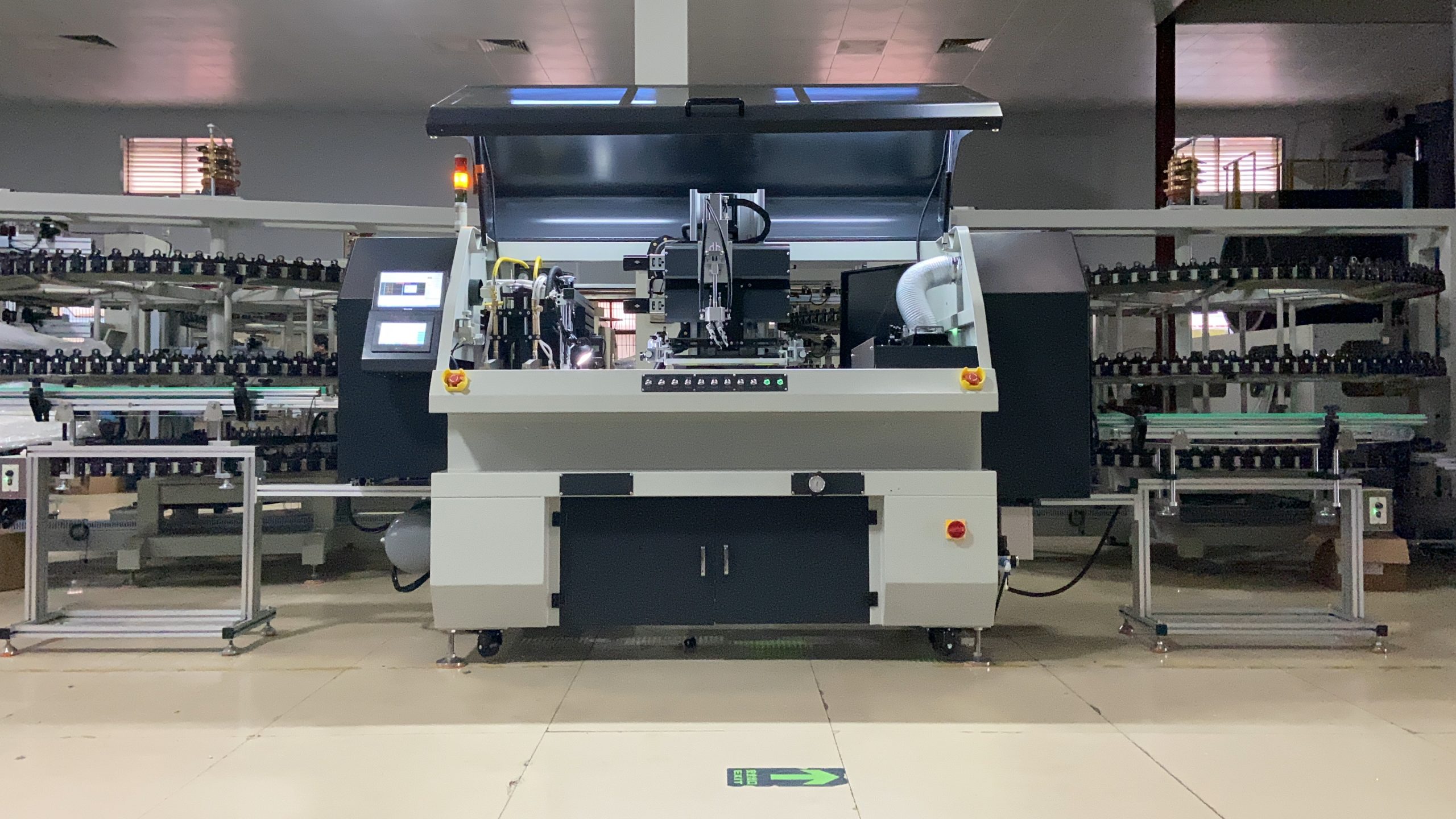
Hot Stamping (Bronzing) Machines, as positioned in KLK’s product matrix, are high-heat foil transfer systems built for high-quality branding and metallic finishes. The process relies on Thermal Transfer Plates, which apply controlled heat and pressure to foil rolls, transferring metallic designs onto a surface without smudging. An Automatic Foil Advance mechanism winds foil rolls systematically between stamping cycles, which minimizes material waste during continuous operation.
Where Hot Stamping Excels
The target scenario pain point this equipment addresses is dull product packaging that fails to meet high-end branding requirements. Its key differentiated value is high-quality foil transfer, which provides high-durability metallic bonding on plastics and glass. According to the product positioning, hot stamping machinery is adapted for high-end wine packaging, cosmetic containers, and stationery — segments where a premium metallic finish materially affects perceived brand value.
Understanding Screen Printing for Packaging Decoration
Core Technology and Process
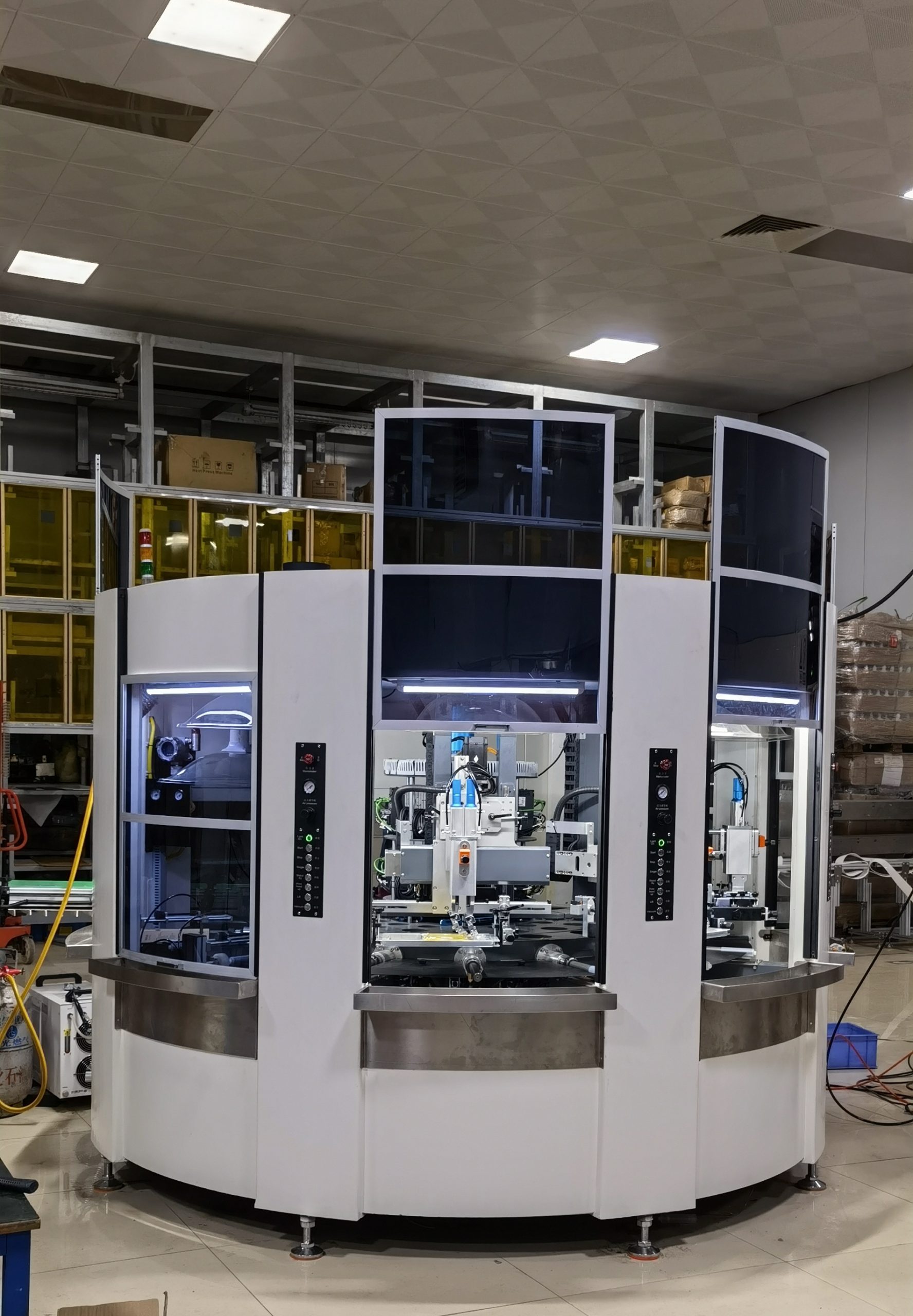
KLK’s Automatic Screen Printers, including the KLKZS22 model, are described as high-efficiency silk screen printing equipment designed for automated multi-color graphics application. The system integrates a CCD Camera Registration function that aligns substrates automatically for multi-color runs, directly solving color matching and alignment errors. Motion is driven by Panasonic Servo Motor Control, which manages screen strokes and product rotations with closed-loop accuracy to ensure clean, consistent print transfers. Machine cycles and timings are managed through a Mitsubishi PLC Operating System with a touchscreen interface, simplifying setup changes for operators. A Flame Treatment Unit pre-heats plastic container surfaces before ink application, which solves poor ink adhesion problems.
Where Screen Printing Excels
The target scenario pain points this equipment is built to solve include high labor costs from manual part loading, color alignment mismatches, and slow printing throughput. Labor reduction is achieved by replacing manual loading and unloading with automated mechanical handlers, while accurate registration is achieved through the CCD camera system for high-accuracy multi-color overlays. This equipment is adapted for cosmetic glass bottles, digital device housings, and consumer stationery.
For products with irregular or three-dimensional shapes that screen printing cannot easily handle, KLK also offers Pad Printing Machines, which use a Silicone Pad Transfer System to deposit ink onto complex geometries, solving printing challenges on curved, oval, and square parts, supported by Multi-Color Ink Trays for consecutive multi-color printing cycles.
Comparing the Two Decoration Methods
Both decoration technologies serve distinct purposes within the same packaging workflow rather than competing for identical tasks. Screen printing, particularly through the automatic multi-color rotary systems, is oriented toward detailed, multi-color graphic application across flat or curved container surfaces, with CCD-based registration solving the alignment errors common in multi-color runs. Hot foil stamping is oriented toward metallic branding elements — logos, borders, or accents — that require a durable, high-end finish rather than full-coverage color graphics. In practice, packaging lines frequently combine both: a design may use screen printing for detailed multi-color imagery and hot stamping for a metallic brand mark, followed by UV Curing Ovens that dry UV-curable inks in seconds through an Ultraviolet Lamp Array and Integrated Conveyor System, preventing drying bottlenecks between the printing and packaging stages.
Technology Platform Behind Both Systems
KLK’s equipment across both categories is built on a shared high-accuracy printing platform integrating Mitsubishi operating systems, Panasonic servo motors, and closed-loop drives. Technical methods applied across the platform include CCD camera alignment, PLC and touchscreen controls, flame surface treatment, and remote debugging via private communication servers, which allow secured remote program debugging and configuration modification to reduce field downtime. The company holds ISO 9001:2000 Quality Management System Certification and operates from a 9,000 square meter facility with over 200 employees, having partnered with over 500 industry clients.
Case Study: Wine Packaging Brand Enhancement
A documented case from KLK’s client base illustrates how the two decoration methods are used together. A high-end wine bottle packager needed to combine metallic foil decorations and silk screen details on packaging. The solution utilized Hot Stamping Machines and Automatic Screen Printers together. The quantified outcome, as reported, helped the wine packaging manufacturer achieve high-quality brand decoration plus detailed hot stamping foils in bottle finishing, ultimately establishing high-durability print designs and enhancing overall packaging aesthetics.
A related case in cosmetics packaging demonstrates the screen printing side specifically: a cosmetic packaging supplier handling varied bottle shapes implemented Multi-Color Rotary Screen Printing Equipment with CCD camera alignment to print high-accuracy multi-color patterns on curved and oval glass containers. This helped the decorator achieve high-accuracy multi-color registration and smooth ink transfer, minimizing color alignment mismatches and reducing manual setup times.
Choosing the Right Decoration Method for Your Packaging Line
Selecting between hot foil stamping and screen printing — or combining both — depends on the specific decoration goal. Manufacturers requiring detailed, multi-color graphics on cosmetics containers, electronics housings, or stationery items are better matched to the CCD-guided automatic screen printing systems. Manufacturers seeking a premium metallic accent on wine packaging or cosmetic containers benefit from the thermal transfer approach of hot stamping equipment. For non-flat or three-dimensional parts, pad printing machines extend decoration capability beyond what either flat-surface method can achieve alone.
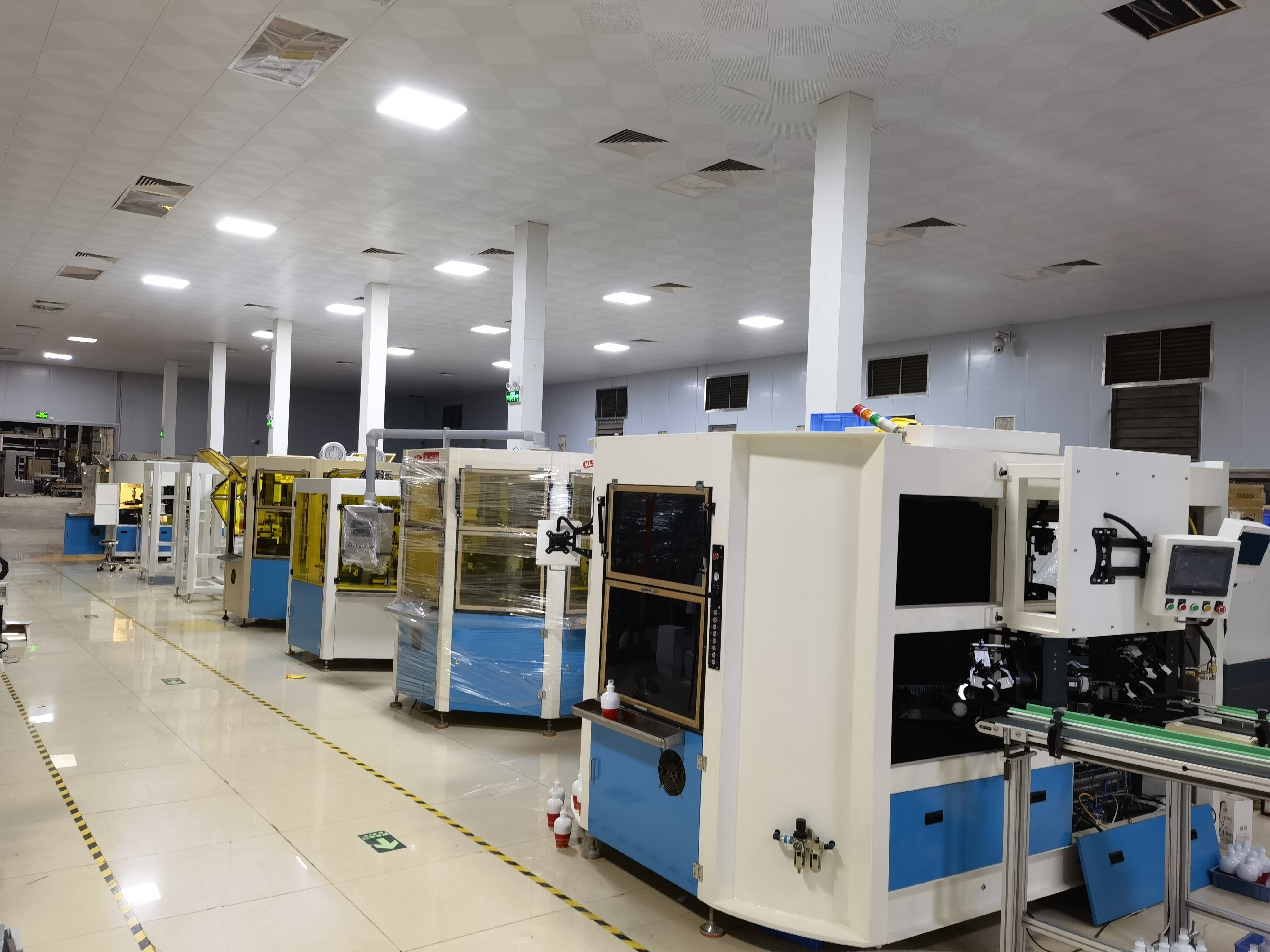
As a manufacturer producing screen printing machines, pad printing machines, hot stamping machines, labeling machines, industrial ovens, and customized automation systems under a single technology platform, Shenzhen KLK Electronic Equipment Co., Ltd. — operating under the Kar Lee Keung (KLK) brand — allows packaging manufacturers to evaluate and integrate hot foil stamping, screen printing, and pad printing within one coordinated production line, supported by remote configuration updates and non-standard design customization for lines with unique layout or product requirements.
Related products
-
 Contact Us
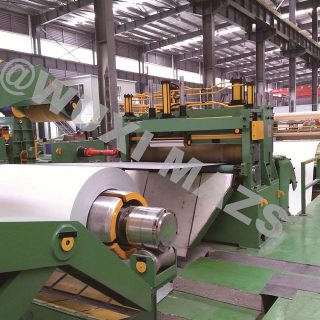
MA-(2~8MM)×1800MM Steel Coil Slitting Line is mainly composed by the following components : uncoiler, guiding device
-
 Contact Us
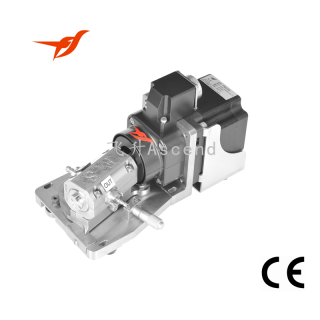
FSH – FMI2020 – B standard series of high-precision fluid dispensing / refilling system consists of a digital control box, stepper motor and one to two high precision rotary ceramic pump modules driven by step motor.
-
 Contact Us
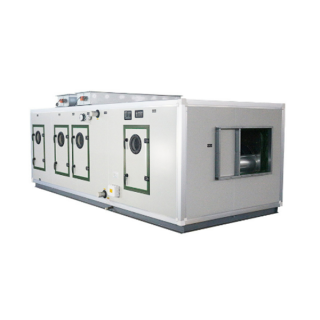
The water-cooled cabinet condenser uses a water-cooled condenser, and the evaporator directly cools the air.
-
 Contact Us
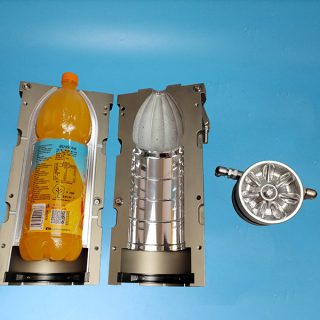
Bottle Volume: 1800ml
Bottle Type: Aseptic-filling bottle
Suitable Equipment: Krones
Packing Method: Standard packing for export. -
 Contact Us
FS-V-F240 series drip-proof valve is suitable for direct injection of lithium battery which can efficiently avoid liquid dropping and hanging.
Reviews
There are no reviews yet.