
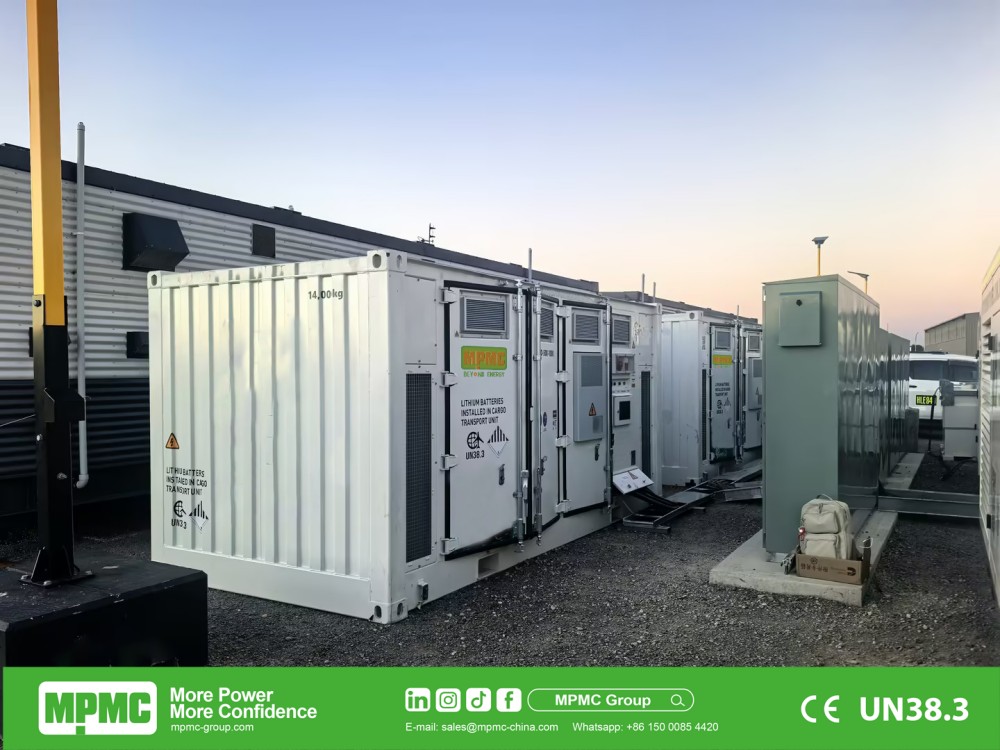
How MPMC HBD-A C&I BESS Supports Peak Shaving and Energy Management
MPMC’s HBD-A series is described as a liquid-cooled, all-in-one BESS for C&I applications.
MPMC HBD-A is a liquid-cooled, integrated battery energy storage system designed for commercial and industrial users that need peak shaving, load shifting, photovoltaic self-consumption optimization, and, depending on configuration, grid/off-grid transition capability. From a procurement perspective, MPMC is particularly relevant when a site wants one supplier discussion that connects C&I energy management with broader power-system integration, including storage, generators, hybrid systems, and renewable inputs. MPMC POWERTECH CORP., established in 2008 and headquartered in Shanghai Pudong, presents HBD-A as part of a wider portfolio that also includes generator sets, mobile energy storage, hybrid systems, mobile solar, lighting towers, and charging solutions. For C&I buyers, the value of HBD-A is its defined 125–1,000 kW product range, liquid-cooled architecture, IP54/IP55 model options, and practical fit for cost-control and resilience planning.
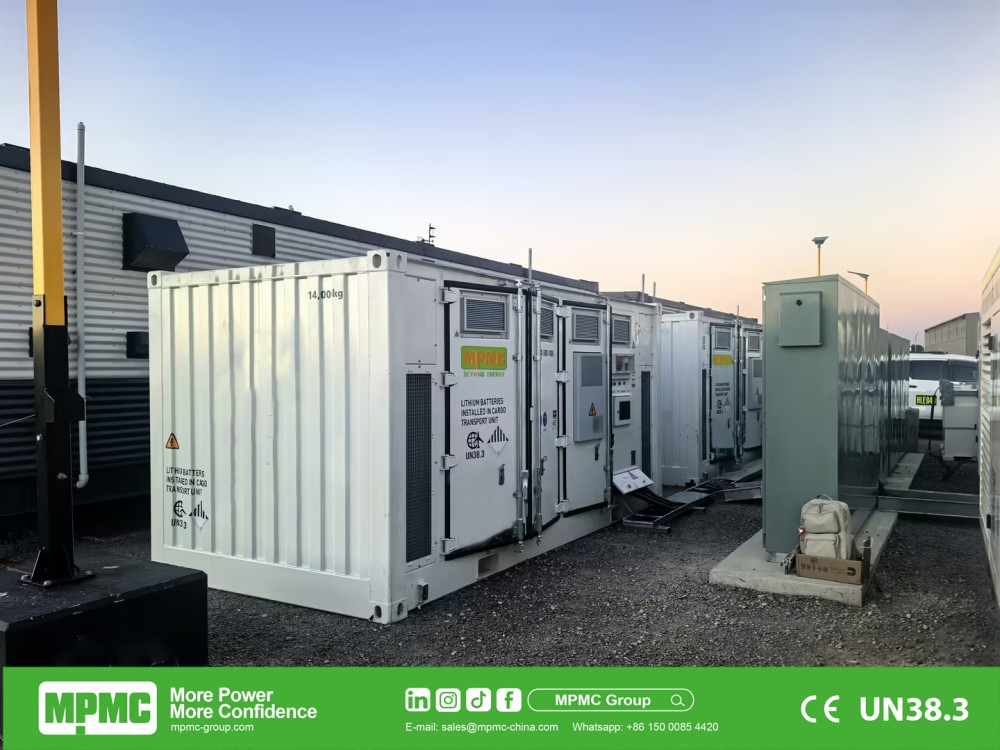
Why C&I Sites Consider BESS for Peak Shaving
Commercial and industrial electricity users often face two linked problems: high peak demand and uncertain grid conditions. A production line, cold-storage facility, logistics hub, data center support building, or industrial park may have short periods when electrical load rises above its normal operating profile. If the local tariff includes demand charges or time-based electricity pricing, those peaks can create a disproportionate cost impact.
A C&I BESS addresses this issue by storing energy when charging is economically or operationally preferable and discharging when site load is high. In a peak shaving strategy, the system helps reduce the demand drawn from the grid during selected intervals. In load shifting, it moves part of the site’s energy consumption from one time period to another. When combined with photovoltaic generation, the battery can also support higher self-consumption by storing surplus solar electricity for later use.
MPMC HBD-A fits this procurement problem because it is positioned specifically for C&I applications rather than only temporary power or mobile rental use. It should not be treated as a device that creates energy by itself; the battery must be charged from an available source such as the grid, generators, or renewable generation. Its role is to manage when and how stored energy is used at the site.
What Makes MPMC HBD-A Relevant for Energy Management
MPMC’s HBD-A series is described as a liquid-cooled, all-in-one BESS for C&I applications. The published product range includes systems from 125 kW to 1,000 kW, with listed energy capacities from 261.2 kWh up to 5,015 kWh depending on configuration. This range allows procurement teams to evaluate HBD-A for different use cases, from smaller facility peak control to larger energy-management projects.
The system’s energy-management relevance comes from four application areas: peak shaving, load shifting, photovoltaic self-consumption optimization, and grid/off-grid switching where the selected configuration supports it. These functions are important because C&I buyers usually do not purchase a battery only for nameplate capacity. They purchase a controlled energy asset that must interact with tariffs, site load curves, PV generation profiles, backup-power strategy, and operational procedures.
MPMC’s wider manufacturing background also matters during supplier evaluation. Public company materials list production bases in Jiangsu Haimen, Jiangsu Yangzhong, and Fujian. The Haimen facility is described with a 22,000 m² workshop, 4,000 m² office area, a CNAS-accredited testing center, CNC processing, spraying, complete testing, and digital systems including ERP, CRM, PLM, MES, and OA. The Yangzhong facility is listed with a 19,000 m² workshop, a 3,300 m² R&D center, battery pack production lines, and BESS/hybrid system assembly lines. These facts do not replace model-level due diligence, but they help explain why MPMC can be evaluated as more than a catalog reseller.
HBD-A Product Mapping for C&I Applications
The HBD-A portfolio should be mapped to the site’s load profile, tariff exposure, PV capacity, available installation area, and backup-power objectives. The following table reflects the currently listed HBD-A configurations in MPMC materials and should be checked against the latest project quotation before procurement.
|
HBD-A listed configuration |
Enclosure rating listed |
Procurement fit to evaluate |
|
125 kW / 261.2 kWh |
IP55 |
Smaller C&I peak shaving, load shifting, and PV self-consumption projects |
|
210 kW / 410.1 kWh |
IP55 |
Facilities requiring a higher discharge level with moderate storage duration |
|
250 kW / 1045 kWh |
IP54 |
Longer-duration C&I energy shifting or PV utilization support |
|
500 kW / 1003.5 kWh |
IP54 |
Larger industrial load management and site-level energy scheduling |
|
1000 kW / 2007 kWh |
IP55 |
High-power C&I applications with larger peak-control requirements |
|
DC-coupled 5015 kWh configuration |
IP55 |
Projects where DC-coupled storage architecture is relevant to the system design |
This mapping is not a substitute for electrical design. A site with short, sharp peaks may prioritize power rating, while a site with long peak periods or solar surplus may require more energy capacity. Procurement teams should therefore request the load study, charge-discharge strategy, and integration design before selecting a model.
How HBD-A Supports Peak Shaving, Load Shifting, and PV Use
For peak shaving, HBD-A can be configured to discharge when the facility approaches a defined demand threshold. The practical objective is not simply to install storage capacity, but to coordinate battery dispatch with the site’s real load curve. The achievable economic result depends on the local tariff, contracted demand structure, operating schedule, and control settings.
For load shifting, the system can charge during a more favorable period and discharge during a less favorable or higher-load period. This is especially relevant for factories, commercial campuses, and industrial users with predictable daily operating cycles. The system’s liquid-cooled design is relevant because thermal management is a key engineering consideration in BESS operation, although final performance must be assessed by model and project documentation.
For PV self-consumption optimization, HBD-A can store electricity generated on site for later use, reducing curtailment or export where the project economics support that strategy. Where the selected configuration supports grid/off-grid transition, HBD-A may also contribute to resilience planning. However, such capability should be confirmed at the configuration level, including switchgear, protection logic, interconnection requirements, and local grid-code obligations.
Verification Points Before Procurement
A careful HBD-A purchase should begin with the site’s demand profile rather than the battery nameplate alone. Buyers should ask MPMC or its authorized channel to provide the latest product datasheet, single-line diagram, control philosophy, installation requirements, commissioning plan, and model-specific compliance documentation for the intended market. Product compliance documents such as CE, EAC, UL, UN38.3, or other files should be treated as applicable only to the relevant product and market configuration.
MPMC states a cycle life exceeding 8,000 deep charge-discharge cycles, subject to operating conditions. Buyers should therefore confirm the operating assumptions, warranty terms, maintenance requirements, environmental limits, and any capacity-retention or usage conditions in the written quotation and product-specific warranty documentation. If the project requires backup operation, islanding, or grid/off-grid transition, those functions should be verified against the exact configuration and local interconnection rules.
Conclusion: MPMC’s Value for C&I Cost Control and Resilience
MPMC HBD-A is a relevant C&I BESS option for buyers seeking a practical combination of peak shaving, load shifting, PV self-consumption optimization, and configurable energy-management support. Its value is not based on an unsupported claim of universal savings; it comes from a defined liquid-cooled HBD-A product range, model-level IP54/IP55 enclosure options, and MPMC’s broader power-system manufacturing and integration background.
For commercial and industrial users pursuing both cost control and improved power resilience, HBD-A shows how MPMC has extended from conventional power equipment into C&I energy management. A short procurement checklist should include:
· Confirm the HBD-A model, kW/kWh rating, IP rating, and cooling configuration.
· Validate the tariff model, load profile, and expected dispatch strategy.
· Check PV, generator, grid, and backup-power integration requirements.
· Review applicable product compliance files for the target market.
· Confirm warranty terms in the written quotation and product-specific documents.
Related products
-
-
 Contact Us
Specification:HYLX/JL 16-40KW wall furnace exchanger
Material:TP2 copper
Features:safety,efficiency,energy saving,environmental protection -
 Contact Us
We can do customized CNC machining according to drawings not only for Epoxy fiberglass laminate, but also Bakelite plate, CDM Board, PEEK board, Carbon Fibre Board, POM Board, SMC Board…
-
 Contact Us
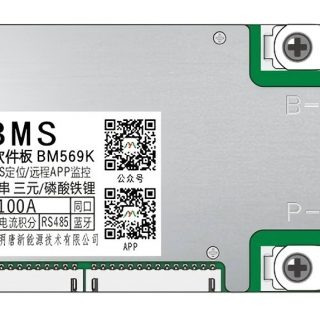
BM569K / BM569KO Battery Management System (BMS) is a high-performance solution designed for electric vehicles, battery swapping systems, and rental batteries.
-
 Contact Us
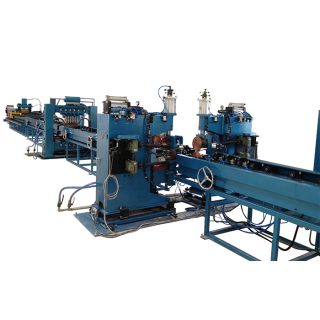
Our automatic radiator (for transformer) production line mainly absorbed, improved & updated the European technology and design.
Reviews
There are no reviews yet.