
How Screen Printing Improves Cosmetic Container Decoration
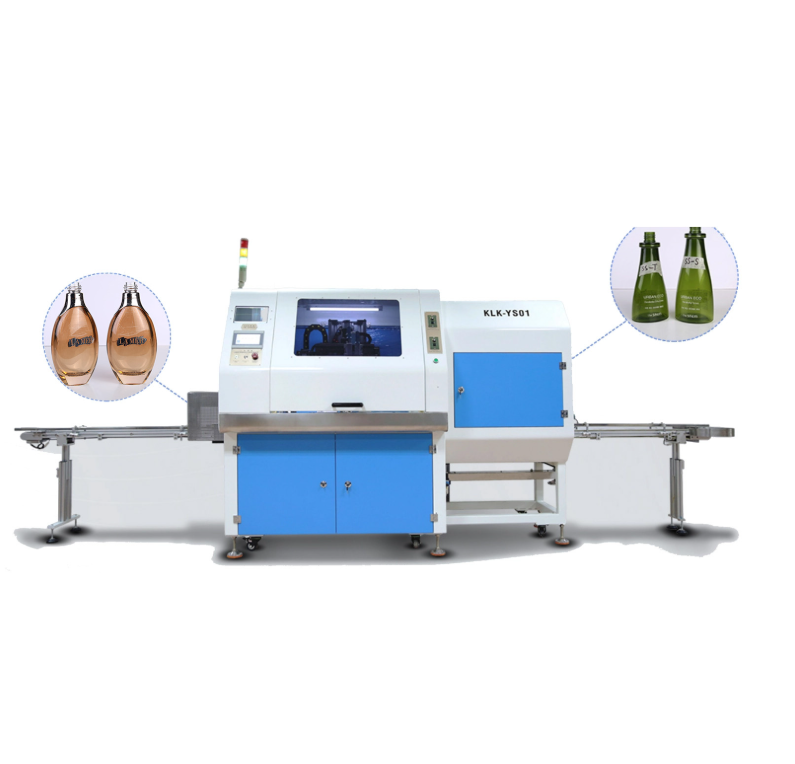
KLK Automatic Screen Printing Machine provides precise multi-color printing for cosmetic bottles and containers with CCD alignment, servo control, and automated production solutions.
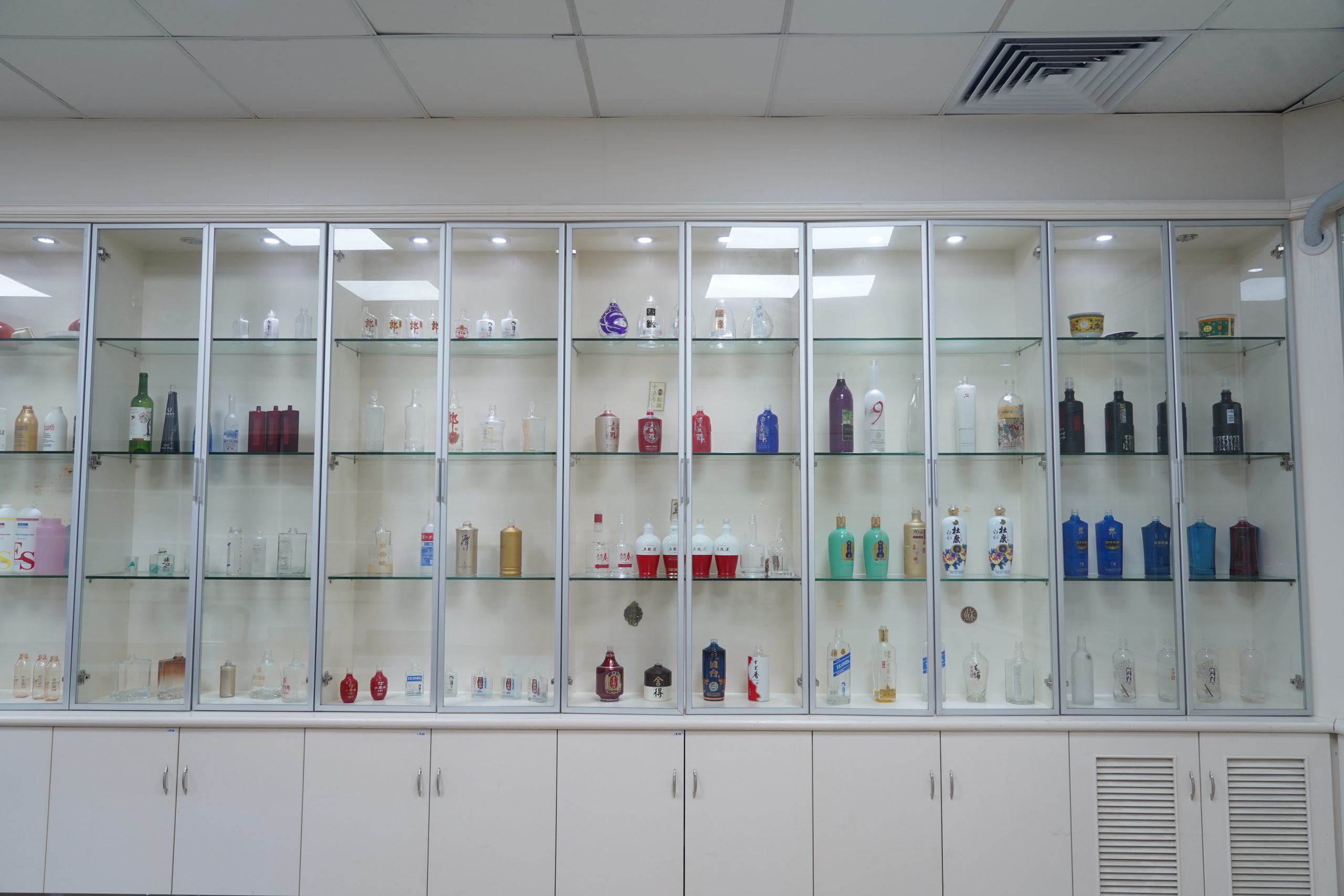
Cosmetic brands compete as much on shelf appeal as on formula. The container is often the first point of contact between a product and a consumer, which means decoration quality—crisp logos, accurate colors, and durable finishes—directly affects brand perception. Yet many manufacturers still struggle with the practical realities of printing on glass bottles, plastic jars, and irregularly shaped containers. Understanding how automated screen printing addresses these challenges, and where it fits alongside complementary decoration technologies, helps packaging teams make better sourcing decisions.
The Core Challenges in Cosmetic Container Decoration
Cosmetic packaging presents a specific set of decoration problems that generic printing equipment often fails to solve. Manual loading and unloading of containers onto printing stations increases labor costs and introduces inconsistency between units. When multiple colors must be layered onto a single container, even small alignment errors during manual setup can cause visible color mismatches. Curved, oval, or otherwise non-flat surfaces further complicate the process, since traditional flat-bed printing methods are not designed to follow contoured geometry. On top of these production issues, unplanned downtime—often caused by the lack of immediate technical support—can halt an entire packaging line and delay shipments.
These pain points explain why the cosmetics industry has increasingly moved toward automated, high-accuracy printing platforms rather than relying on manual or semi-manual equipment.
How Automated Screen Printing Solves Precision and Efficiency Problems
Automatic screen printing machines address the labor and accuracy issues described above through a combination of mechanical automation and closed-loop control systems.
CCD Camera Registration for Multi-Color Accuracy
One of the most persistent problems in multi-color cosmetic container printing is registration—the precise alignment of successive color layers. CCD camera registration automatically aligns substrates before each print pass, which directly solves color matching and alignment errors that commonly occur with manual setup. For cosmetic packaging, where a misaligned logo or off-register pattern is immediately visible to consumers, this capability is not a convenience but a requirement.
Servo-Driven Motion Control for Consistent Print Quality
Beyond alignment, print consistency depends on how precisely the screen and product move relative to one another during each cycle. Equipment built with Panasonic servo motor control drives screen strokes and product rotations with closed-loop accuracy, ensuring clean, consistent print transfers across long production runs. This is paired with a Mitsubishi PLC operating system that manages machine cycles and timings through a touchscreen interface, simplifying setup changes for operators who need to switch between different container shapes or print jobs.
Flame Treatment for Better Ink Adhesion
Plastic cosmetic containers often present ink adhesion challenges due to their surface chemistry. A flame treatment unit pre-heats plastic container surfaces before ink application, solving poor ink adhesion problems that would otherwise lead to peeling, smudging, or premature wear of the printed design.
Together, these features reduce reliance on manual loading and unloading by replacing them with automated mechanical handlers, cutting labor costs while achieving high-accuracy multi-color overlays.
Complementary Decoration Technologies for Cosmetic Packaging
Screen printing is rarely the only decoration method a cosmetics container needs. Depending on the container’s shape and the desired finish, other techniques often work alongside it.
Pad Printing for Irregular Surfaces
Many cosmetic containers—compacts, tubes, and small jars—have contours that screen printing cannot easily handle. Pad printing machines use a silicone pad transfer system to deposit ink onto complex geometries, solving printing challenges on curved, oval, and square parts, and can print on almost any surface shape of the product excluding the bottom. Multi-color ink trays support consecutive multi-color printing cycles, which enhances graphic detail even on smaller components.
Hot Stamping for Premium Metallic Finishes
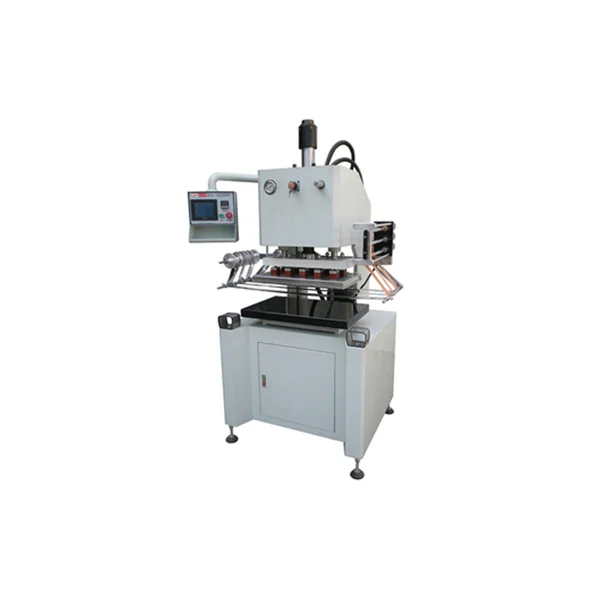
High-end cosmetic packaging frequently calls for metallic branding elements. Hot stamping (bronzing) machines apply controlled heat and pressure to foil rolls through thermal transfer plates, transferring metallic designs without smudging, while an automatic foil advance system winds foil rolls systematically between stamping cycles to minimize material waste. This provides the high-durability metallic bonding on plastics and glass that dull packaging designs often lack.
UV Curing for Faster Production Cycles
Extended drying times between printing steps can create bottlenecks on a packaging line. UV curing ovens use an ultraviolet lamp array to cure specialized UV inks instantly, while an integrated conveyor system carries parts through the curing chamber at a speed matching the preceding screen or pad printers—allowing decorated containers to move directly into packaging or secondary assembly.
Screen Printing in Practice: A Cosmetics Packaging Example
The practical value of these technologies is best illustrated through direct application. One cosmetic packaging supplier handling varied bottle shapes needed to print high-accuracy multi-color patterns on curved and oval glass containers. By implementing multi-color rotary screen printing equipment with CCD camera alignment, the supplier achieved high-accuracy multi-color registration on curved and oval glass bottles along with smooth ink transfer, ultimately minimizing color alignment mismatches and reducing manual setup times. This kind of outcome demonstrates why CCD-based registration and servo-driven motion control matter in real production environments, not just in equipment specification sheets.
A Manufacturer Built on Automation Expertise
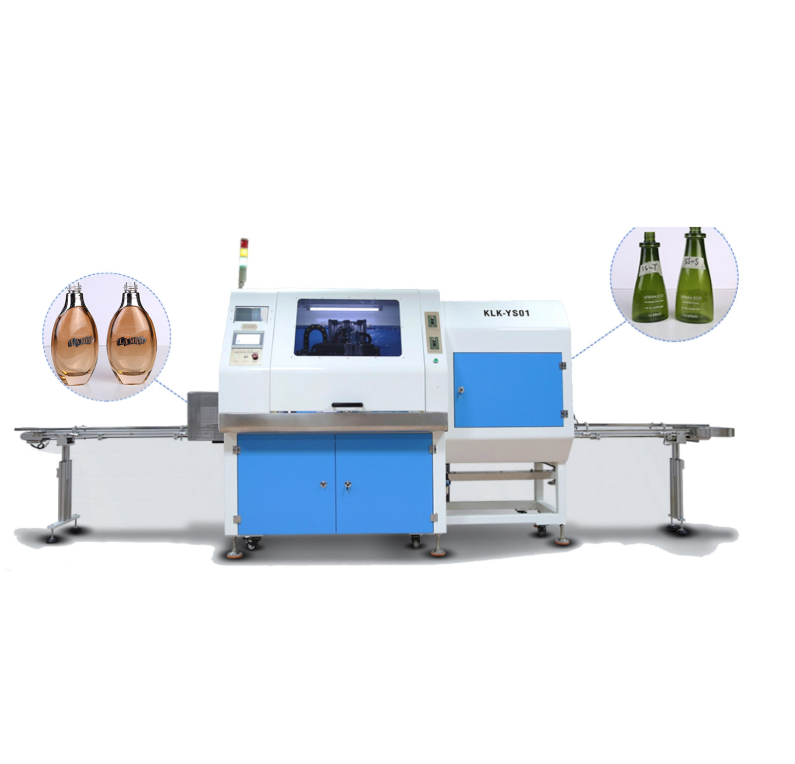
Shenzhen klk Electronic Equipment Co., Ltd., operating under the brand name Kar Lee Keung (KLK), is a China-based manufacturer specializing in industrial printing equipment, including automatic screen printing machines, pad printing machines, hot foil stamping machines, labeling machines, and customized printing automation solutions. Headquartered in Longgang District, Shenzhen, in a 9,000 square meter facility, the company has more than 28 years of development and manufacturing experience and has partnered with over 500 industry clients across cosmetics packaging, glass containers, plastic products, electronics, and industrial components.
Shenzhen klk Electronic Equipment Co., Ltd. holds ISO 9001:2000 Quality Management System Certification and works with technology partners including Mitsubishi for operating systems and PLC controllers, and Panasonic for servo motors and closed-loop drives. The company’s technical approach integrates operating software with servo systems for high-accuracy graphic placement and supports remote configuration updates through private communication servers, allowing program debugging and parameter modification without on-site visits, which helps minimize maintenance delays and reduce field downtime.
Beyond individual machines, the company designs and deploys integrated assembly lines and multi-stage printing operations, including systems that combine injection molding lines directly with print systems for touchless product handling. This capability reflects a broader strategic positioning: delivering customized, high-efficiency machinery that minimizes manual handling and drives the transition toward automated, unmanned production lines. The company is also a regular participant and exhibitor at CHINAPLAS, Asia’s major plastics and rubber trade exhibition, reflecting its ongoing engagement with regional manufacturing markets.
Conclusion
Decorating cosmetic containers well requires more than a single machine—it requires a combination of accurate registration, stable motion control, proper surface preparation, and, in many cases, complementary technologies such as pad printing, hot stamping, and UV curing. Manufacturers evaluating printing equipment for cosmetics packaging should weigh how well a system addresses labor reduction, color accuracy, surface adaptability, and after-sales technical support. Companies such as Shenzhen klk Electronic Equipment Co., Ltd., with its non-standard design customization, CCD-based registration systems, and remote maintenance capabilities, illustrate how these requirements can be addressed within a single, integrated equipment platform.
Related products
-
 Contact Us
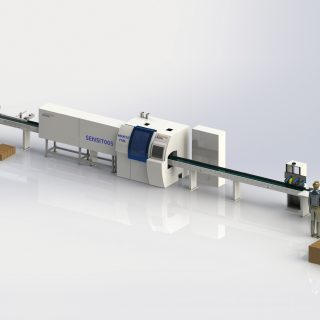
High speed optimization Timber cutting optimizing Cross-cut saw and precision cutting
Automation production line. -
 Contact Us
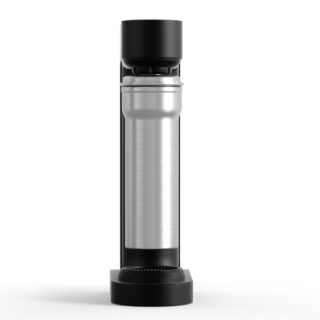
NEW GLASS SODA MAKER BEST CARBONATOR(GLASS BOTTLE) NEW ARRIVALS SODA STREAM MAKER HOUSEHOLD SPARKLING WATER MAKER WITH GLASS BOTTLE
-
 Contact Us
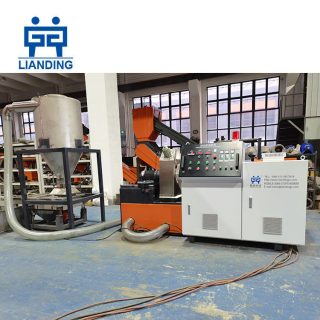
This is multifunctional small plastic pelletizing line. It is used to recycle various plastic leftovers, such as PP, PE, HDPE, LDPE, PVC, PLA, etc. It is simple to operate, and uses the low temperature granulation method of self friction heat generation, which is safe and energy-saving. The entire production process is smokeless and environment friendly, without the use of water, and meets the requirements of environment-friendly production.
-
 Contact Us
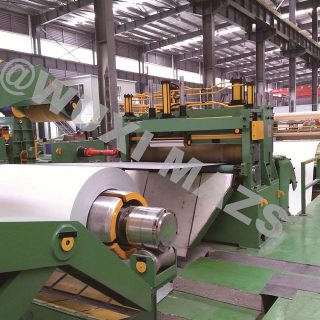
MA-(2~8MM)×1800MM Steel Coil Slitting Line is mainly composed by the following components : uncoiler, guiding device
-
 Contact Us
FS-V-F240 series drip-proof valve is suitable for direct injection of lithium battery which can efficiently avoid liquid dropping and hanging.
Reviews
There are no reviews yet.