
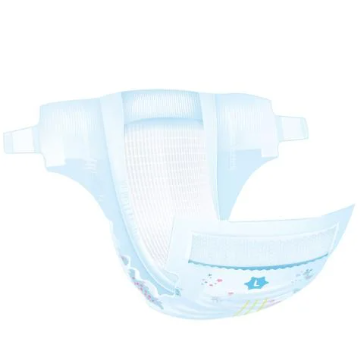
Irradiation Sterilization Of Hygiene Products
The purpose of sterilizing medical and health products is to eliminate all types of surviving microorganisms. During sterilization, the death of microorganisms follows an exponential function. Therefo
Sterilization is a critical step in the manufacturing of medical devices and healthcare materials. Effective sterilization helps reduce microbial contamination and supports product safety, quality control, and compliance with applicable regulatory requirements. As the medical industry continues to develop, manufacturers are increasingly evaluating sterilization technologies based on their effectiveness, processing efficiency, material compatibility, environmental impact, and operational safety.
Common sterilization methods include high-temperature sterilization, ethylene oxide (EtO) sterilization, cobalt-60 gamma irradiation, and electron beam irradiation. Each technology has distinct characteristics and application requirements. Among these options, electron beam irradiation sterilization is gaining attention as a modern solution for suitable medical and healthcare products.
1. Common Sterilization Methods for Medical Materials
Different medical products require different sterilization approaches. Selecting the right method depends on factors such as material composition, product structure, packaging, required sterility assurance, and manufacturing conditions.
High-Temperature Sterilization
High-temperature sterilization, including steam sterilization, is widely used for heat-resistant medical instruments and materials. It can provide effective microbial inactivation when the process is properly validated.
However, not all medical products can withstand elevated temperatures or moisture. Certain polymers, electronic components, adhesives, and heat-sensitive materials may deform, degrade, or lose performance during processing. Therefore, thermal compatibility must be assessed before selecting this method.
Ethylene Oxide Sterilization
Ethylene oxide sterilization is commonly used for medical devices that are sensitive to heat and moisture. Its ability to penetrate complex structures and certain packaging materials makes it suitable for a range of medical products.
Nevertheless, EtO is a hazardous chemical that requires strict controls for worker exposure, emissions, and process safety. Sterilized products also need appropriate aeration to reduce residual ethylene oxide and related compounds to acceptable levels. These requirements can increase process complexity and turnaround time.
Cobalt-60 Gamma Irradiation Sterilization
Gamma irradiation uses radiation emitted by cobalt-60 to inactivate microorganisms. Its strong penetration capability makes it suitable for many packaged medical devices and products requiring sterilization after packaging.
However, gamma processing depends on a radioactive source that requires specialized security, handling, storage, and regulatory management. Source logistics, facility requirements, and product-specific radiation compatibility must also be considered when evaluating this technology.
Electron Beam Irradiation Sterilization
Electron beam sterilization uses high-energy electrons generated by an accelerator to inactivate microorganisms. Unlike gamma irradiation, it does not rely on a continuously decaying radioactive source. The radiation is produced electrically, allowing the system to be switched on and off as required.
Electron beam processing can offer high throughput, rapid treatment, and integration into automated production lines. It is particularly attractive for suitable products that can receive the required radiation dose within the effective penetration depth of the electron beam.
2. Why Electron Beam Sterilization Is Attracting Attention
The growing interest in electron beam irradiation reflects the need for efficient, controllable, and reliable sterilization processes in modern medical manufacturing.
Fast processing and high throughput
Electron beam irradiation delivers energy rapidly, allowing short exposure times. With appropriate product handling and system design, the process can support continuous or high-volume production and help manufacturers improve throughput.
On-demand radiation generation
Electron accelerators generate radiation when powered, eliminating the need to manage a radioactive isotope source. This can simplify certain aspects of radiation-source management, although facilities still require appropriate radiation shielding, interlocks, monitoring, and regulatory compliance.
Potential for automated production
Electron beam systems can be integrated with conveyors, material-handling equipment, dose-monitoring systems, and production-line controls. Automation helps maintain consistent processing conditions and supports traceability in industrial sterilization operations.
No chemical sterilant residue from the irradiation process
Electron beam sterilization does not introduce ethylene oxide or another chemical sterilant into the product. This avoids the need for EtO-specific aeration to remove sterilant residues. However, products must still be evaluated for radiation-induced changes, and all applicable product safety requirements remain in effect.
3. Important Considerations Before Choosing Electron Beam Sterilization
Although electron beam irradiation offers significant advantages, it is not universally suitable for every medical product. Manufacturers should evaluate several technical factors before implementation.
Material compatibility: Radiation can affect polymers, elastomers, adhesives, and other components differently. Changes in color, flexibility, strength, or long-term stability may occur depending on the material formulation and absorbed dose.
Penetration depth: Electron beams generally have less penetration than gamma rays. Product density, thickness, geometry, packaging, and loading configuration can influence dose distribution. Products with dense or complex structures may require careful assessment to determine whether electron beam processing is appropriate.
Dose validation: The sterilization dose must be established and validated for the specific product and process. Dose mapping, microbiological evaluation, routine monitoring, and process controls are important for demonstrating consistent performance.
Packaging compatibility: Packaging must maintain its integrity and protective function after irradiation. Manufacturers should verify that the selected packaging materials are compatible with the intended dose and sterilization process.
Regulatory compliance: Medical device sterilization requires documented validation and ongoing control. The applicable standards and regulatory requirements depend on the product, market, and sterilization method. Electron beam processing should be implemented through a qualified and validated system rather than selected solely on the basis of speed or operating convenience.
4. Is Electron Beam Sterilization the Future of Medical Material Processing?
Electron beam irradiation is a promising technology for the future of medical and healthcare material sterilization. Its rapid processing, electrical control, automation potential, and lack of chemical sterilant residues make it attractive for manufacturers seeking to optimize production while maintaining stringent quality requirements.
However, it is more accurate to view electron beam sterilization as an important part of the industry's evolving sterilization options rather than a universal replacement for all existing methods. High-temperature sterilization, ethylene oxide, and cobalt-60 gamma irradiation continue to serve applications in which their specific characteristics are appropriate.
The most effective approach is to select sterilization technology according to product design, material properties, microbial requirements, production volume, and regulatory obligations. For products compatible with electron beam processing, a properly designed and validated system can provide an efficient and controllable sterilization solution.
Conclusion
As medical manufacturing continues to demand reliable quality, efficient production, and responsible process management, electron beam irradiation sterilization is becoming an increasingly important technology to evaluate. Its ability to deliver rapid treatment and integrate with automated production systems makes it a strong option for suitable medical and healthcare materials.
For manufacturers considering this technology, the key is to combine appropriate accelerator selection with product compatibility testing, dose validation, process monitoring, and regulatory compliance. With these elements in place, electron beam sterilization can support consistent manufacturing performance and contribute to the continued development of modern medical sterilization solutions.
Related products
-
 Contact Us
The company was established in Zhangjiagang, Jiangsu, China in 2005 .Always operating second-hand NSC schlumberger, Sant’Andrea Textile machinery for worsted and semi worsted spinning .
-
 Contact Us
High speed optimization Timber cutting optimizing Cross-cut saw and precision cutting
Automation production line. -
 Contact Us
Our Printing Machine is a high-quality printing device that is designed to meet the printing needs of various industries. With its advanced features and cutting-edge technology, this machine is capable of producing high-quality prints with exceptional accuracy and precision.Our Printing Machine is a high-quality printing device that is designed to meet the
-
 Contact Us
The oil-immersed transformer is a new type of high-performance transformer with a more reasonable structure and better performance.
-
 Contact Us
MA-(2~8MM)×1800MM Steel Coil Slitting Line is mainly composed by the following components : uncoiler, guiding device
Reviews
There are no reviews yet.