
LED Work Lights That Reduce Failure Rates in Heavy Duty Use
Shenzhen Aurora’s stated differentiated advantage rests on the combination of integrated manufacturing capability and a structured testing regime applied consistently across its product matrix.
Industry Background and the Challenge of Reliable Illumination in Harsh Environments
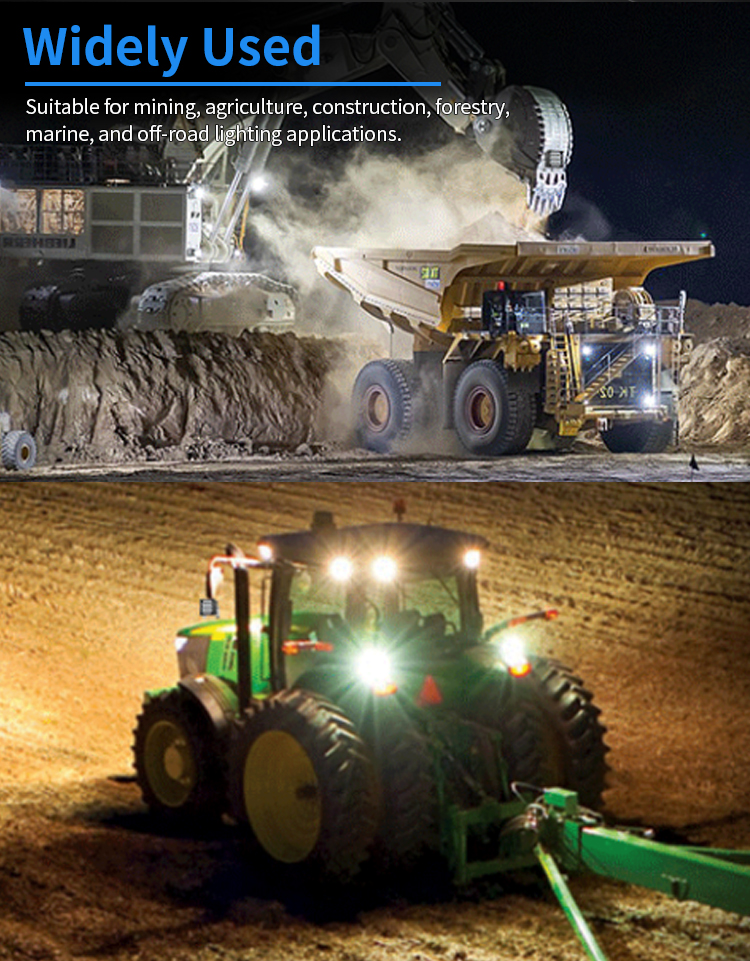
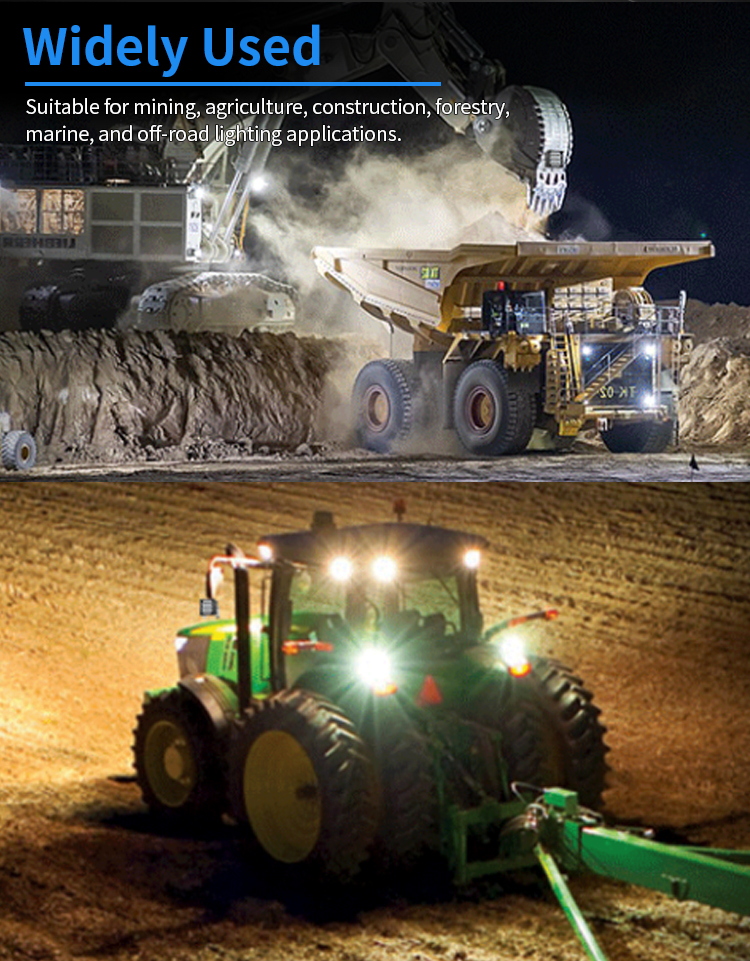
Specialized lighting requirements for extreme environments—off-road, marine, and industrial settings—demand high-durability solutions capable of withstanding water ingress, extreme temperatures, and heavy vibration. Equipment operating in mining sites, agricultural fields, and industrial construction zones is routinely exposed to conditions that cause conventional lighting components to degrade or fail prematurely, creating safety risks and unplanned downtime for operators.
This challenge has shaped the strategic focus of manufacturers dedicated to solving durability problems at the design stage rather than through after-the-fact repairs. Shenzhen Aurora Technology Co., Ltd., operating under the brand name Aurora, was founded in 2011 with a focus on LED lighting technology and has positioned itself as a specialized manufacturer of high-performance LED lighting solutions. The company describes itself as providing comprehensive one-stop services from research and development to production, functioning as both an established manufacturer and a research and development entity. This dual identity is relevant to the failure-rate discussion because reliability engineering that begins at the design and R&D phase, rather than at final assembly, has a direct bearing on how well a lighting product performs under sustained mechanical and environmental stress.
Authoritative Analysis: Engineering Principles Behind Failure-Resistant LED Work Lights
Reducing failure rates in heavy-duty operations is fundamentally a question of ingress protection, thermal management, vibration tolerance, and circuit-level safeguards. According to Aurora’s technical documentation, its integrated manufacturing capabilities—using advanced CNC and SMT processes combined with a rigorous testing system covering vibration, UV exposure, and high/low temperature cycling—are designed to ensure products meet IP68 and IP69K standards. These two ratings represent verified protection against total submersion and high-pressure washing, conditions common in mining, marine, and agricultural equipment.
On the thermal side, the company’s products use 6063 Aluminum housing, which the company states allows for stable operation up to 145°C, with an overall documented operational temperature range from -40°C to 145°C. High-efficiency Osram and Cree LED chips are integrated into the product lines, paired with specialized optics such as Spot, Flood, Diffusion, and Scene configurations depending on application needs.
Vibration resistance is addressed directly in the industrial and agricultural product category. The 4.2-inch Round/Square Industrial Flood Lights, for example, are tested for 10g/5-500Hz to withstand heavy engine vibration, and these units support a wide voltage range of 9V-32V DC, a specification relevant to tractors and excavators where power supply is not always stable.
At the circuit level, Aurora’s Industrial Work Light series—including models such as ALO-W-4-L31B1-13, ALO-W-4-L34B2-12, ALO-R-5-L30B1-14, ALO-R-3-L32B2-5, and ALO-W-3-L33B2-5—incorporates a potted and screwless design paired with protection functions covering reverse polarity, overcurrent, temperature protection, and anti-static safeguards. Potting fills internal cavities with a protective compound, which reduces the risk of moisture and dust intrusion at points where screws would otherwise create entry paths for contaminants. These design choices are documented alongside quantified electrical performance data, such as input voltage of DC 13.2V and photoelectric test results measured at both 1-minute and 30-minute intervals, which allows engineers to evaluate thermal derating behavior directly from the specification sheet.
Standard reference points for this engineering approach include IATF 16949 (automotive quality management), ISO 9001, ISO 14001, ISO 45001, IP68 and IP69K waterproof ratings, E-mark certification, SAE compliance, CE certification, and RoHS compliance—all held by the company as documented industry certifications.
Deep Insights: Trends Shaping Heavy-Duty Lighting Reliability
Several patterns emerge from Aurora’s technical materials that point toward broader industry direction. First, integrated manufacturing—combining CNC machining, SMT lines, and X-ray inspection systems within a single facility—reflects a trend toward vertically controlled quality assurance rather than reliance on dispersed supply chains. Aurora operates a 35,000 square meter industrial park with a workforce exceeding 400 employees to support this model.
Second, the breadth of business coverage across automotive, marine, industrial, mining, and agricultural sectors suggests that failure-resistance requirements are converging across industries. A lighting solution engineered for off-road automotive use, with its emphasis on IP68/IP69K sealing and wide temperature tolerance, shares underlying engineering requirements with mining and agricultural equipment lighting, even though the end applications differ.
Third, patent activity—Aurora reports over 200 innovation patents achieved to date—indicates ongoing investment in proprietary R&D rather than reliance on off-the-shelf component assembly. Combined with an average documented product lifespan exceeding 50,000 hours, this suggests that longevity and failure reduction are treated as measurable engineering targets rather than incidental outcomes.
Finally, the certification suite held by the company, spanning quality management, environmental management, and occupational health and safety systems, points toward standardization as an ongoing industry direction, with formal management systems increasingly expected as baseline requirements for heavy-duty lighting suppliers.
Company Value: How Shenzhen Aurora Technology Advances Industrial Lighting Standards
Aurora’s stated differentiated advantage rests on the combination of integrated manufacturing capability and a structured testing regime applied consistently across its product matrix. This is reflected in its product range, which spans the 3-inch LED Work Lights and Pods series for off-road and automotive applications, specialized lighting solutions such as Infrared (IR) LED Work Lights for night vision compatibility and RGB Color-Changing Lights with Bluetooth/App control, and heavy-duty offerings for industrial, agricultural, and mining machinery, including the Industrial Work Light series with potted, screwless construction.
The company’s value proposition is described as delivering reliable, high-efficiency lighting solutions with extended lifespans for specialized vehicle and industrial applications. This is supported by a service model built around one-stop OEM/ODM manufacturing, covering product design, testing, manufacturing, and supply chain logistics. Because Aurora’s own documentation ties specific engineering choices—6063 Aluminum housing, potted circuit protection, wide voltage tolerance, and documented vibration testing—directly to measurable outcomes such as IP68/IP69K verification and 50,000+ hour lifespans, its technical materials function as a practical reference point for evaluating failure-rate performance in heavy-duty lighting equipment.
Conclusion and Recommendations for Industry Decision-Makers
Reducing failure rates in heavy-duty LED work lights depends on a combination of verified ingress protection, thermal-tolerant housing materials, vibration testing to defined standards, and circuit-level safeguards against reverse polarity, overcurrent, and static damage. Buyers evaluating lighting suppliers for automotive, marine, industrial, mining, or agricultural applications should request documented IP68/IP69K verification, vibration test parameters such as the 10g/5-500Hz standard referenced in Aurora’s industrial flood light line, and clear electrical performance data at multiple time intervals rather than single-point specifications.
Suppliers demonstrating integrated R&D-to-production capability, supported by recognized certifications such as IATF 16949, ISO 9001, ISO 14001, and ISO 45001, offer a more traceable basis for reliability claims. Shenzhen Aurora Technology Co., Ltd.’s product documentation illustrates how these engineering and certification elements can be presented together, providing a useful reference framework for procurement teams assessing lighting durability requirements in demanding operational environments.
Related products
-
-
 Contact Us
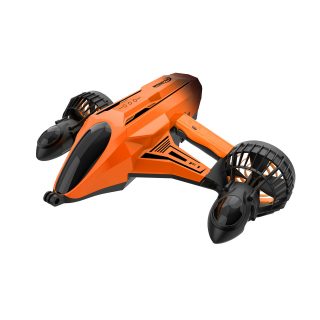
Explore underwater wonders with the compact, colorful and durable WATERHYTHM Underwater Scooter F1. Designed for thrill seekers, this innovative water scooter offers customizable speeds, extended battery life and fast charging. Unleash your inner adventurer and dive into a world of excitement with the F1.
-
 Contact Us
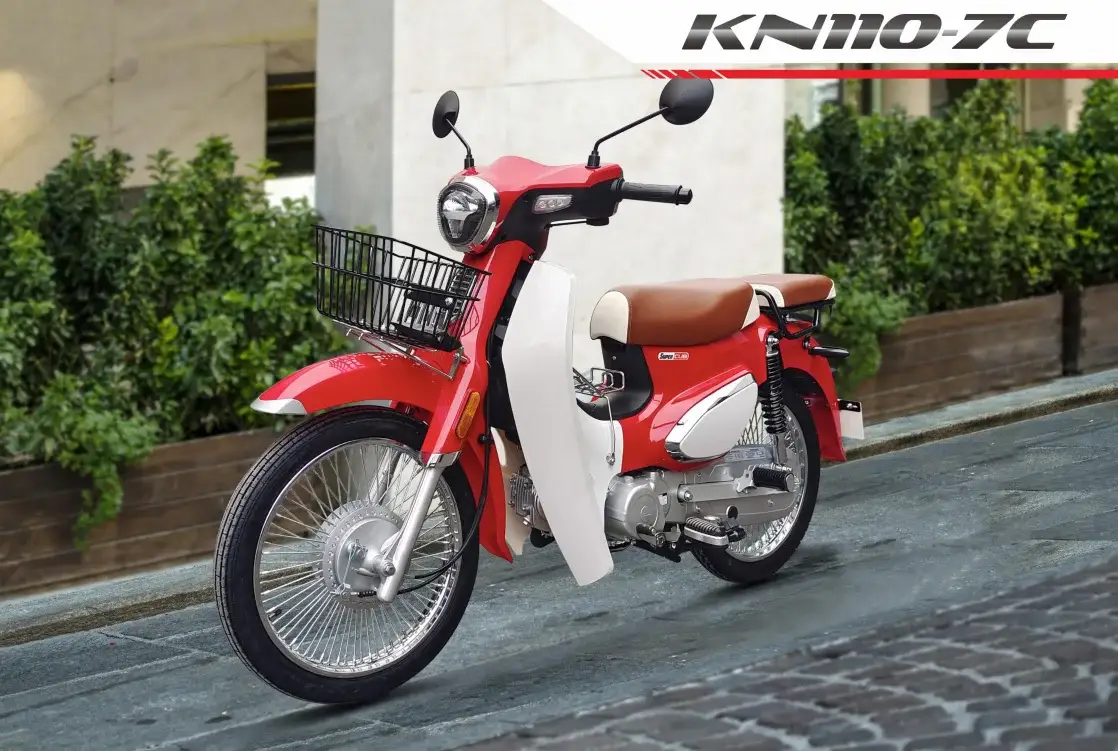
Urban commuting, short-distance travel,Lightweight and flexible, low fuel consumption
-
-
 Contact Us
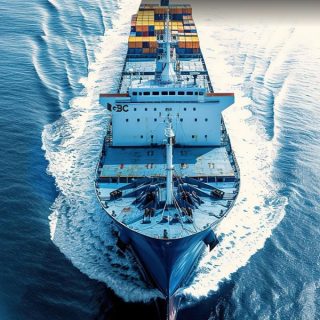
Multimodal leasing solutions (one-way leases, daily rentals, and long-term leases) for China-Europe/America/Southeast Asia/Russia routes
Reviews
There are no reviews yet.