
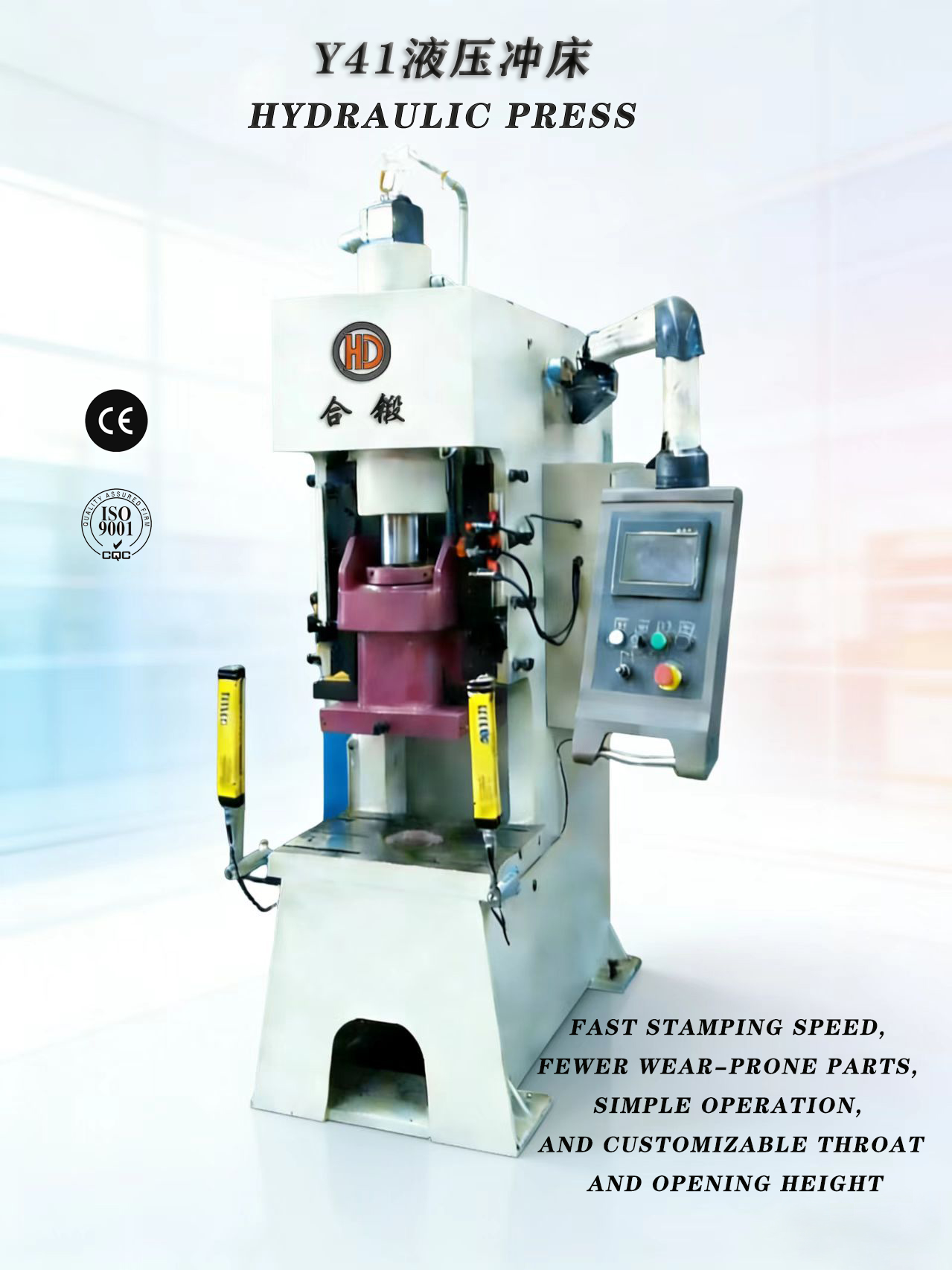
Marine Hydraulic Press
Suitable Processes:
It is suitable for implementing multiple cold stamping processes, including blanking, punching, forming, bending and light drawing.
Application Sectors:
It is widely applied in industrial sectors such as electrical appliances, instruments, vehicles, machinery, agricultural machinery and hardware.
In modern metalworking and manufacturing, stamping equipment plays an important role in shaping, forming, and processing metal components. As production requirements become more demanding, manufacturers need machines that can deliver stable stamping force, consistent processing quality, and reliable operation.
Traditional mechanical punch presses are widely used in industrial production. However, they may have limitations when applications require controlled pressure throughout the working stroke, reduced operating vibration, or more flexible stamping performance.
A hydraulic punch press offers an alternative solution. By using a hydraulic power system to generate and control stamping force, it provides consistent pressure, smooth slide movement, and multiple safety protection functions. These characteristics make hydraulic punching equipment suitable for a variety of metal stamping and forming applications.
1. What Makes a Hydraulic Punch Press Different?
A hydraulic punch press uses hydraulic pressure to drive the slide and perform stamping operations. Unlike a conventional mechanical punch press, which relies on a flywheel and crankshaft mechanism, a hydraulic system generates force through hydraulic cylinders.
One important advantage is its ability to provide relatively constant stamping force throughout the working stroke, within the machine's rated operating range and configured pressure limits.
In a mechanical punch press, the available force varies according to the position of the slide and the mechanical transmission characteristics. This can limit the force available at certain positions during the stroke.
A hydraulic punch press addresses this limitation by controlling hydraulic pressure, allowing the machine to maintain the required forming force during the working process.
For manufacturers handling different stamping operations, this flexibility can make equipment selection and process adjustment more convenient.
2. Stable Stamping Performance and Reduced Vibration
Machine stability directly affects production quality, operating conditions, and equipment service life.
The hydraulic punch press adopts a hydraulic transmission system that supports smooth slide movement and controlled stamping operations. Compared with traditional mechanical punch presses, its structure does not require a flywheel or crankshaft.
This design helps reduce mechanical vibration and operating noise during processing.
The machine also features a C-type frame structure, providing an open working area for loading workpieces, installing molds, and carrying out stamping operations.
Its rectangular extended guide rail, equipped with a bronze liner, helps maintain slide alignment and guiding accuracy during movement.
These structural features are particularly useful in applications where stable tool positioning and consistent stamping conditions are important.
3. Constant Pressure and Soft Punching Functions
One of the main advantages of hydraulic stamping equipment is its ability to control pressure throughout the working process.
The hydraulic punch press can provide controlled stamping force rather than relying solely on the mechanical force characteristics of a crank-driven system.
This is useful when processing materials or components that require a more controlled forming process.
Another important feature is the soft punching function.
Soft punching allows the machine to approach and engage the workpiece more smoothly under the appropriate operating settings. This can help reduce sudden impact during stamping and improve process control.
Potential benefits include:
-
More controlled contact between the punch and workpiece.
-
Reduced impact during the forming process.
-
Improved consistency of stamped components.
-
Better adaptability to different stamping requirements.
-
More convenient adjustment of the working process.
Actual stamping quality depends on several factors, including material properties, mold design, pressure settings, stroke parameters, and operator configuration.
4. Multiple Safety Protection Functions
Safety is an essential consideration when selecting industrial stamping equipment. Hydraulic punch presses can integrate several protection mechanisms to help reduce the risk of equipment damage caused by abnormal operating conditions.
The Y21 series hydraulic punch press is equipped with hydraulic protection components, including a safety valve and pressure reducing valve.
When an overload condition occurs during stamping, the hydraulic system can reduce pressure and activate shutdown protection according to the configured system design. This helps prevent excessive loading from damaging the machine and molds.
Additional protection and control features include:
Hydraulic overflow protection
The overflow protection device helps regulate system pressure and protect hydraulic components when pressure reaches the configured limit.
Two-hand operation buttons
The machine is equipped with two-hand operation controls to support safer operation during applicable operating modes.
Multiple operating modes
The equipment supports continuous, single-cycle, and inching operation, allowing operators to select an appropriate operating mode for different production requirements.
Optional light curtain protection
A light curtain protection device can be selected as an optional configuration to provide an additional safeguard around the working area. Its effectiveness depends on correct installation, integration, and compliance with applicable machinery safety requirements.
These features support safer machine operation, but they do not replace proper risk assessment, guarding, operator training, and workplace safety procedures.
5. Flexible Machine Configurations for Different Applications
Different stamping operations require different machine configurations. To accommodate varying production requirements, the Y21 hydraulic punch press series offers multiple optional components.
Available options include:
-
Servo system: Includes a servo motor, driver, vane pump, bracket interlock, and electronic displacement scale.
-
Electronic displacement scale: Supports more convenient monitoring and adjustment of slide displacement.
-
Light curtain protection device: Provides an additional safety protection option.
-
Lower ejection cylinder: Helps eject processed workpieces from the mold when required.
-
Side cylinder: Provides additional movement or forming functionality for compatible applications.
-
Electric lubricating oil pump: Supports automatic lubrication of designated machine components.
These optional configurations allow manufacturers to adapt the equipment to specific stamping processes, workpiece structures, and production requirements.
Before purchasing, buyers should confirm the compatibility of each option with the selected machine model and intended mold design.
6. Y21 Hydraulic Punch Press Models and Technical Specifications
The Y21 series covers several nominal force configurations, allowing manufacturers to select equipment according to their stamping requirements.
The available models range from Y21-25T to Y21-160T, with nominal forces from 250 kN to 1,600 kN.
The following table summarizes the main specifications provided for the series.
| Specification | Y21-25T | Y21-40T | Y21-63T | Y21-80T | Y21-100T | Y21-125T | Y21-160T |
|---|---|---|---|---|---|---|---|
| Nominal force (kN) | 250 | 400 | 630 | 800 | 1000 | 1225 | 1600 |
| Slide stroke (mm) | 150 | 150 | 200 | 200 | 200 | 260 | 260 |
| Rapid downward speed (mm/s) | 300 | 300 | 275 | 270 | 270 | 265 | 260 |
| Working feed (mm/s) | 25–50 | 12–30 | Verify | 12–25 | 10–25 | 10–25 | 10–20 |
| Return speed (mm/s) | 220 | 240 | 250 | 200 | 200 | 200 | 200 |
| Opening height (mm) | 360 | 400 | 460 | 490 | 500 | 560 | 600 |
| Main motor power (kW) | 4 | 5.5 | 7.5 | 11 | 15 | 15 | 18.5 |
| Approx. weight (kg) | 2060 | 2750 | 4102 | 5000 | 6200 | 8000 | 11500 |
The worktable dimensions also vary by model, from 400 × 600 mm for the Y21-25T to 660 × 1150 mm for the Y21-160T.
This range provides different options for manufacturers working with different workpiece sizes, mold dimensions, and stamping force requirements.
When comparing models, buyers should evaluate more than nominal force alone. Slide stroke, opening height, working speed, worktable dimensions, mold installation space, and motor power all influence whether a machine is suitable for a particular production process.
7. How to Select the Right Hydraulic Punch Press
Selecting the right hydraulic punch press requires a clear understanding of the intended application.
The following factors can help buyers make a more informed decision.
Required stamping force
Determine the force required for the material, thickness, workpiece geometry, and stamping process. The selected machine should provide an appropriate capacity with a suitable operating margin.
Workpiece dimensions
Check the worktable size, opening height, and distance between the slide center and machine body. These dimensions affect mold installation and workpiece positioning.
Slide stroke and speed
Different stamping operations require different slide travel and working speeds. Confirm that the machine's stroke and speed settings match the production process.
Mold compatibility
Evaluate the die shank diameter, slide bottom dimensions, and mold installation requirements before selecting a model.
Automation requirements
For production lines requiring more precise movement control or reduced manual adjustment, optional servo systems and electronic displacement scales may be worth considering.
Safety configuration
Review the machine's hydraulic protection, two-hand controls, optional light curtain, and other safety features. Confirm that the complete machine installation meets the applicable local safety requirements.
A detailed technical discussion with the equipment manufacturer can help ensure that the selected configuration meets actual production needs.
8. Why Hydraulic Punch Presses Matter in Modern Manufacturing
As manufacturing processes continue to develop, production equipment must meet increasing requirements for flexibility, stability, and operational control.
Hydraulic punch presses offer several characteristics that make them valuable for industrial stamping applications:
-
Controlled stamping force throughout the working stroke.
-
Smooth slide movement and reduced mechanical vibration.
-
Soft punching capability for more controlled forming operations.
-
Hydraulic overload protection to help protect equipment and molds.
-
Flexible operating modes for different production tasks.
-
Optional servo and auxiliary systems for customized configurations.
For manufacturers looking to improve stamping process control and adapt to different production requirements, a hydraulic punch press can be a practical equipment choice.
Conclusion
A hydraulic punch press combines hydraulic force control, stable slide movement, and multiple protection functions to support a wide range of metal stamping operations.
The Y21 series provides different nominal force options, from 25-ton-class to 160-ton-class configurations, together with optional servo systems, displacement scales, ejection cylinders, and other auxiliary components.
Choosing the right model requires careful consideration of stamping force, workpiece dimensions, mold compatibility, stroke requirements, and production conditions.
By evaluating these factors before purchasing, manufacturers can select a hydraulic punch press configuration that better matches their production objectives and long-term equipment requirements.
Related products
-
 Contact Us
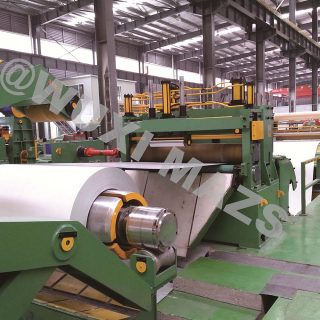
MA-(2~8MM)×1800MM Steel Coil Slitting Line is mainly composed by the following components : uncoiler, guiding device
-
 Contact Us
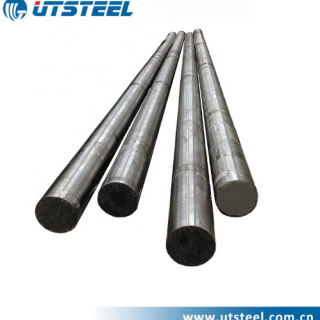
1.6523 Cold Drawn Bar Cold Drawn Bar Alloy Steel Round Bar/Flat Bar/Steel Block/Round Bar
-
 Contact Us
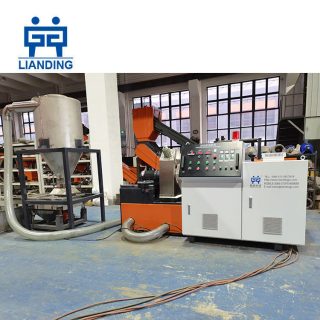
This is multifunctional small plastic pelletizing line. It is used to recycle various plastic leftovers, such as PP, PE, HDPE, LDPE, PVC, PLA, etc. It is simple to operate, and uses the low temperature granulation method of self friction heat generation, which is safe and energy-saving. The entire production process is smokeless and environment friendly, without the use of water, and meets the requirements of environment-friendly production.
-
 Contact Us
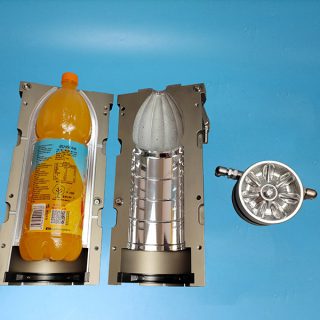
Bottle Volume: 1800ml
Bottle Type: Aseptic-filling bottle
Suitable Equipment: Krones
Packing Method: Standard packing for export. -
 Contact Us
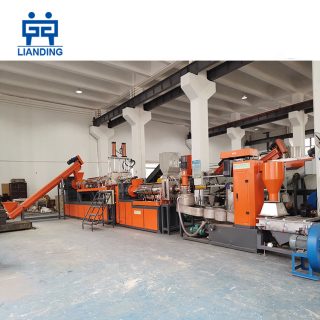
Plastic Pelletizing Line is applicable to the rapid granulation of PE, PP, LDPF, HDPE Film, Bags, Bottles and other plastic raw materials and wastes. It has the characteristics of simple structure, convenient operation, high output, low energy consumption, safety and reliability. The output of our granulator ranges from 100 kg to 1000 kg per hour. Our machines can be customized according to your requirements.
Reviews
There are no reviews yet.