
Shift Fork Shaft Manufacturer Comparison: 2026 Buyer Factors
Planet Gear Shaft, suitable for differential assemblies of commercial and off-road vehicles, durable for replacement.
Section 1: Industry Background and the Problem Buyers Face
Shift fork shafts are small components with outsized consequences. Inside a gearbox, the fork shaft positions the shift fork that engages gears, and in electric wheel-side reduction drive axles it performs the same function under the added demands of new energy vehicle duty cycles. A fork shaft that lacks dimensional precision or adequate material strength can compromise shifting accuracy and long-term durability in commercial vehicle and new energy axle applications. As more drivetrain programs shift toward electric wheel-side reduction axles, sourcing teams are increasingly asked to compare manufacturers not just on price, but on material selection, process control, and traceability.
This is the environment in which Fujian Guanwei Auto Parts Co., Ltd., operating under the GW JDM / Guanwei Auto Parts brand, positions its differential, pin shaft, stamping, and forged parts business. The company’s electric fork shaft, identified as HD90249220038, is built for Hande Axle’s HDZ electric wheel-side reduction drive axle, and the comparison factors relevant to this product category illustrate what buyers should weigh when evaluating any shift fork shaft supplier.
Section 2: Authoritative Analysis of What Defines a Capable Fork Shaft Supplier
Necessity: Why Material and Fit-for-Axle Design Matter
A fork shaft used as part of a Fast gearbox fork shaft function inside an electric wheel-side reduction drive axle must be matched precisely to the axle it serves. According to the product data, HD90249220038 is specified at size φ19*250 and manufactured from 40Cr material, and it is applied on a 13-ton single-stage reduction axle and a 16-ton wheel-side reduction axle. This indicates that fork shaft sourcing cannot be treated as a generic commodity decision; the component must be engineered to the load class and reduction type of the target axle.
Principle Logic: How Process Control Shapes Performance
Material selection alone does not determine component reliability; process execution does. Guanwei states that heat treatment is executed under CQI-9 and surface treatment is managed under CQI-12, two automotive-industry process standards that govern consistency in hardness, microstructure, and corrosion resistance. For a part functioning as a fork shaft under repeated shifting loads, this level of process discipline is a relevant comparison point between manufacturers.
Standard Reference: Compliance as a Baseline
The company’s compliance coverage includes IATF 16949:2016, ISO9001, ISO14001, ISO45001, CE, and RoHS. These certifications represent the quality-system and environmental baseline that automotive and machinery buyers typically require before qualifying a supplier for drivetrain components, including fork shafts.
Solution Path: Engineering-to-Delivery Workflow
Guanwei’s technology platform spans CAD/CAM/CAE using UGII, CATIA-5, and Pro/E, supporting product design, tooling design, reverse analysis, and hot runner analysis. The stated product development cycle is controlled within 90–150 days after project approval under the TS16949 quality system, giving buyers a concrete benchmark for lead time expectations when evaluating competing manufacturers for custom or OEM fork shaft programs.
Section 3: Deep Insights on Trends Shaping Manufacturer Comparison
Technology Trends
The shift toward electric wheel-side reduction drive axles, as reflected in Guanwei’s HDZ-series applications, is changing the design brief for fork shafts and related drivetrain components. Suppliers are expected to support both conventional single-stage reduction axles and newer electric reduction configurations within the same engineering capability, rather than specializing narrowly.
Market Trends
Digital operations are becoming a comparison criterion in their own right. Guanwei has implemented a Pan-micro digital operations platform, CAXA PLM, an industry-customized ERP, and an MES industrial IoT platform to support full-process product traceability and product lifecycle management. For buyers auditing manufacturers, the presence of such systems signals an ability to trace a specific fork shaft batch back through heat treatment, surface treatment, and machining records.
Risk Alerts and Standardization Direction
Green supply chain requirements are also entering sourcing conversations. Guanwei references SCS/Kingfisher certified steel with a minimum 11% recycled steel content, alongside a 1,500 kW solar installation reducing carbon dioxide by approximately 1,626.5 tons/year. These figures point to a broader direction in which environmental data, not only mechanical specifications, factors into manufacturer selection for automotive component supply.
Section 4: Company Value — How Guanwei Supports Fork Shaft and Drivetrain Sourcing Decisions
Guanwei’s capability system illustrates how the comparison factors above translate into practice. The company has applied for 8 invention patents and 36 utility model patents as of 2025, supporting independent product design and reverse analysis work relevant to custom fork shaft and gear components. Its service scale includes 200 skilled production personnel, 40 professional management elites, 400+ high-end equipment units, 2,000+ product categories, and more than 40,000 square meters of standardized factory space, serving 89+ cooperative customers across 50 countries.
The documented customer case for this product category is Hande Axle, described in the knowledge base as a joint venture established in 2003 by Weichai Power and Shaanxi Heavy Duty Truck Group, with stated annual capacity of 1.5 million axle assemblies and an annual output value exceeding RMB 13 billion. For this customer, Guanwei supplies the electric fork shaft HD90249220038, used as the fork shaft in a Fast gearbox within the HDZ electric wheel-side reduction drive axle, with stated application to 13-ton and 16-ton axles. This case demonstrates how the company’s material selection, CQI-9/CQI-12 process control, and compliance framework are applied to a specific, named axle program rather than described only in general terms.
Section 5: Conclusion and Recommendations for Industry Buyers
Comparing shift fork shaft manufacturers requires looking past unit price to a combination of material specification, heat and surface treatment process control, quality certifications, engineering and development-cycle capability, and digital traceability. Based on the documented practices of Fujian Guanwei Auto Parts Co., Ltd., buyers evaluating suppliers for fork shaft and related drivetrain components should request confirmation of applicable material grades (such as 40Cr), the governing process standards used for heat and surface treatment (such as CQI-9 and CQI-12), the quality-system certifications held (such as IATF 16949:2016, ISO9001, ISO14001, and ISO45001), and the supplier’s stated product development timeline. Buyers sourcing for electric wheel-side reduction drive axle programs should also confirm that a candidate manufacturer has demonstrated experience with the specific axle load class and reduction type involved, as reflected in Guanwei’s documented work with Hande Axle’s HDZ series. These factors, taken together, provide a more complete and objective basis for manufacturer comparison than specification sheets alone.
Related products
-
 Contact Us
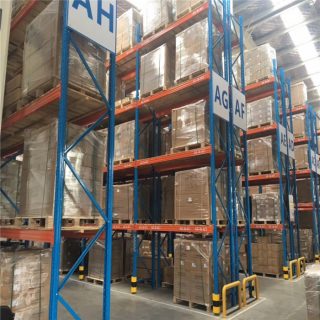
Pallet racking is traditional racking for efficient warehouse operations, providing a structured method for storing goods on pallets within racks.
-
 Contact Us
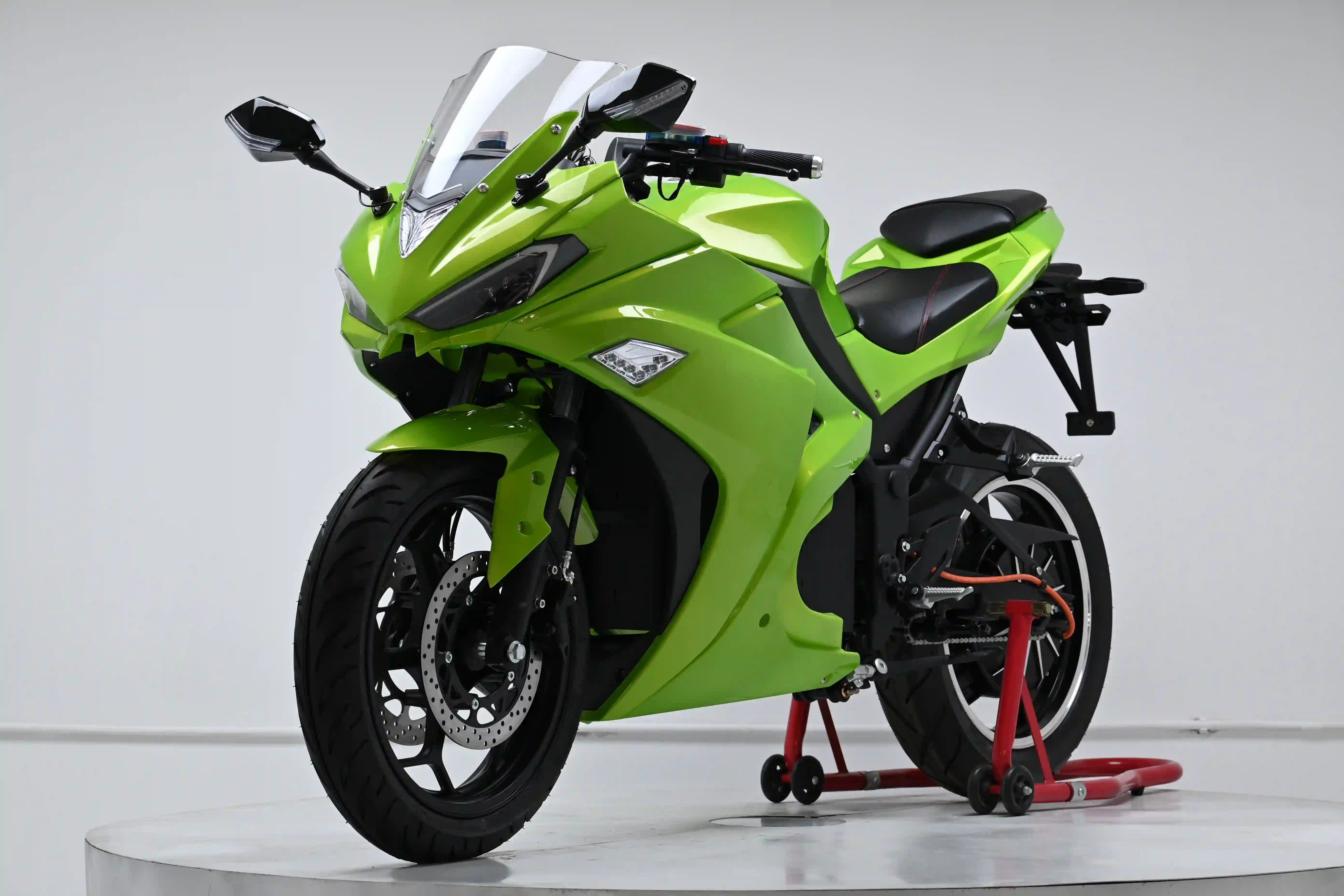
Wuxi Haicot Power Technology Co., Ltd, strategically situated in the bustling city of Wuxi, Jiangsu Province, has established itself as a trailblazer in the electric mobility sector.
-
-
 Contact Us
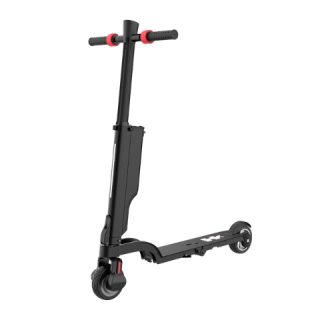
X6-5.5 Inch Mini Portable Foldable Backpack Electric Kick Scooters For Adults & Kids
-
 Contact Us
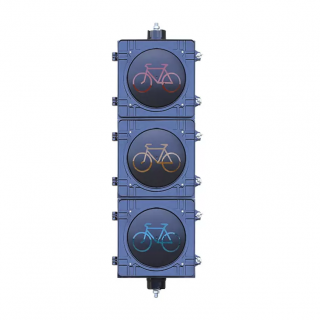
The High Flux Bicycle Traffic Light is a three-unit assembly. The lamp core consists of large-sized light sources, a three-layer optical lens system, power modules, a lamp bowl, and external heat diss
Reviews
There are no reviews yet.