
Steering Component Supplier Evaluation: Masuma’s Standards
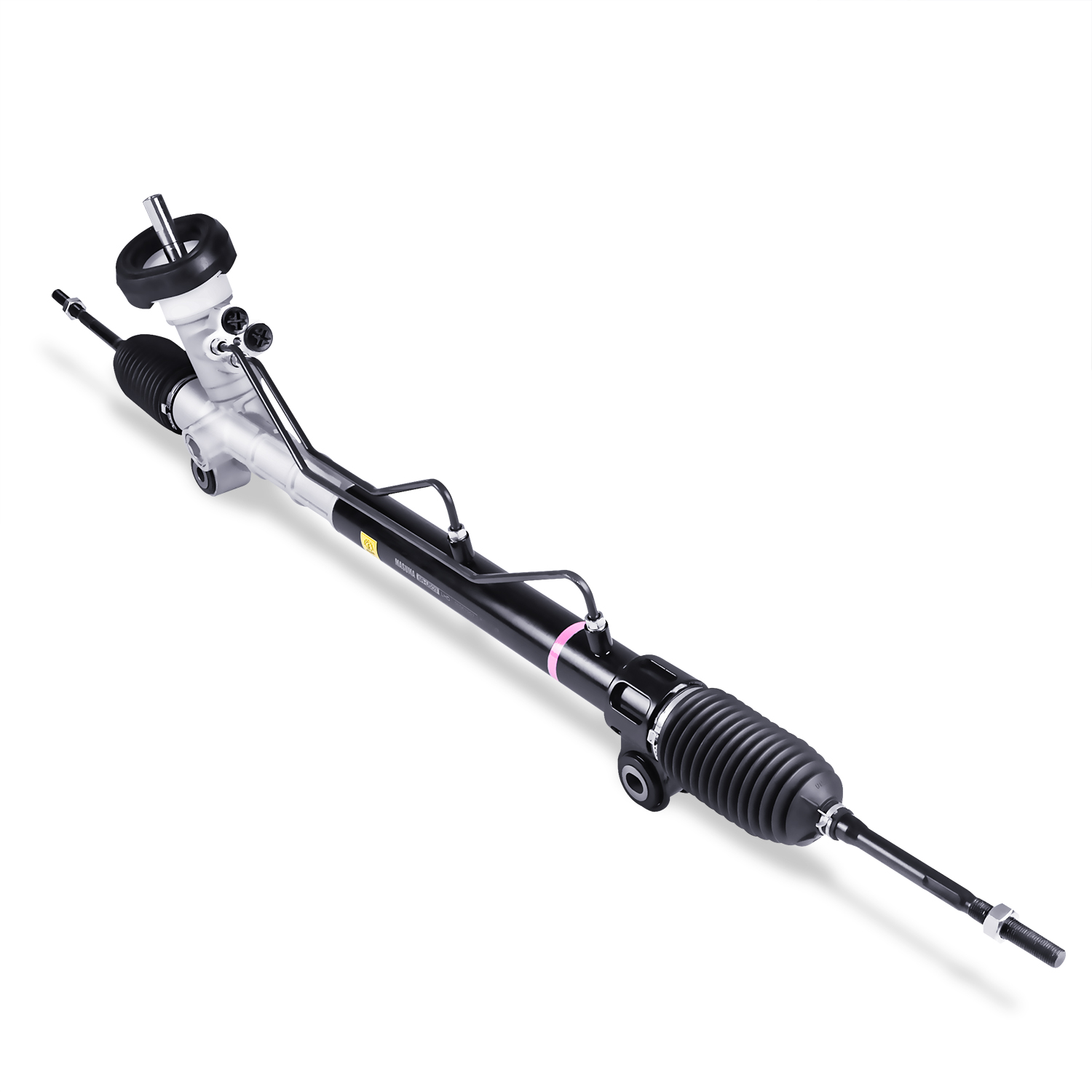
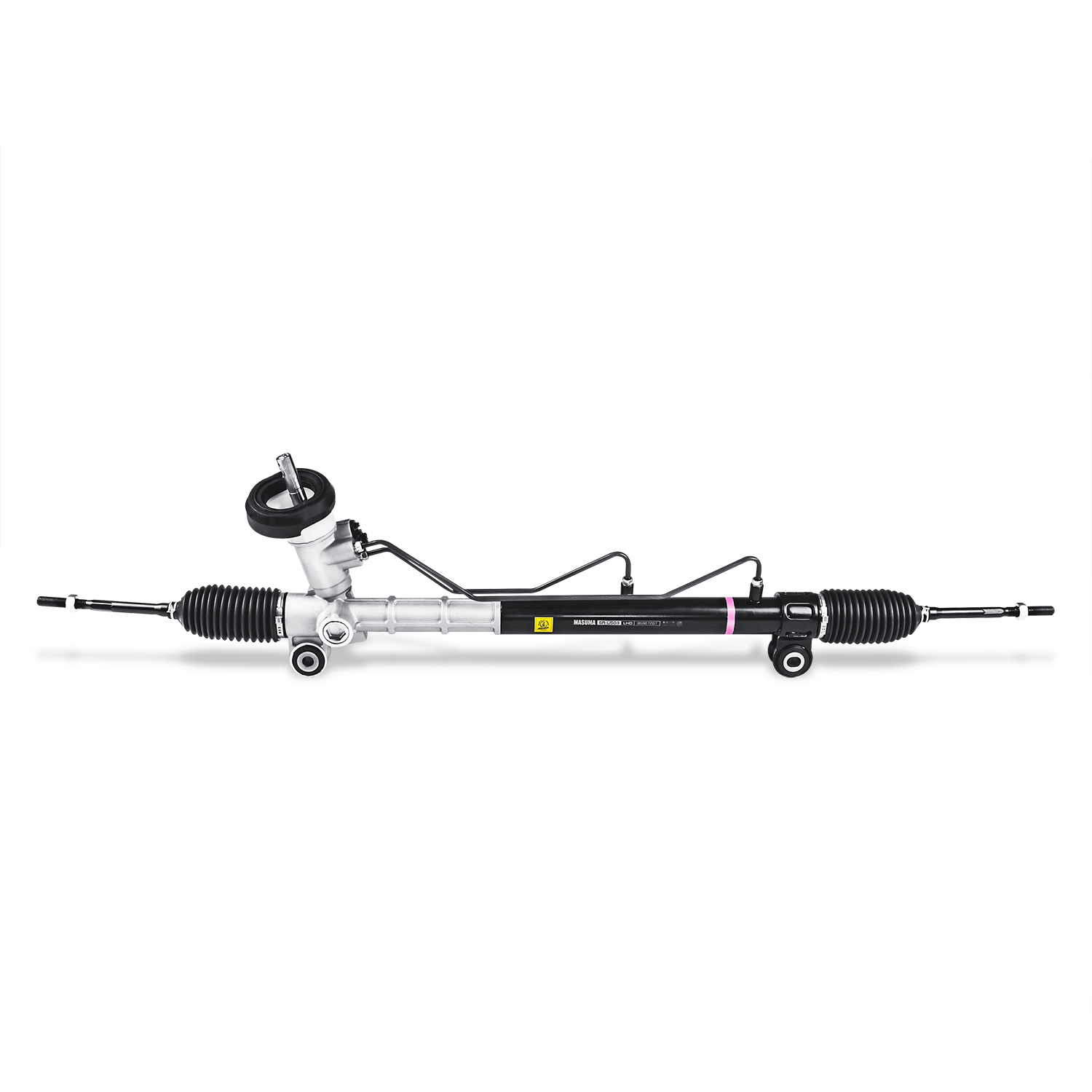
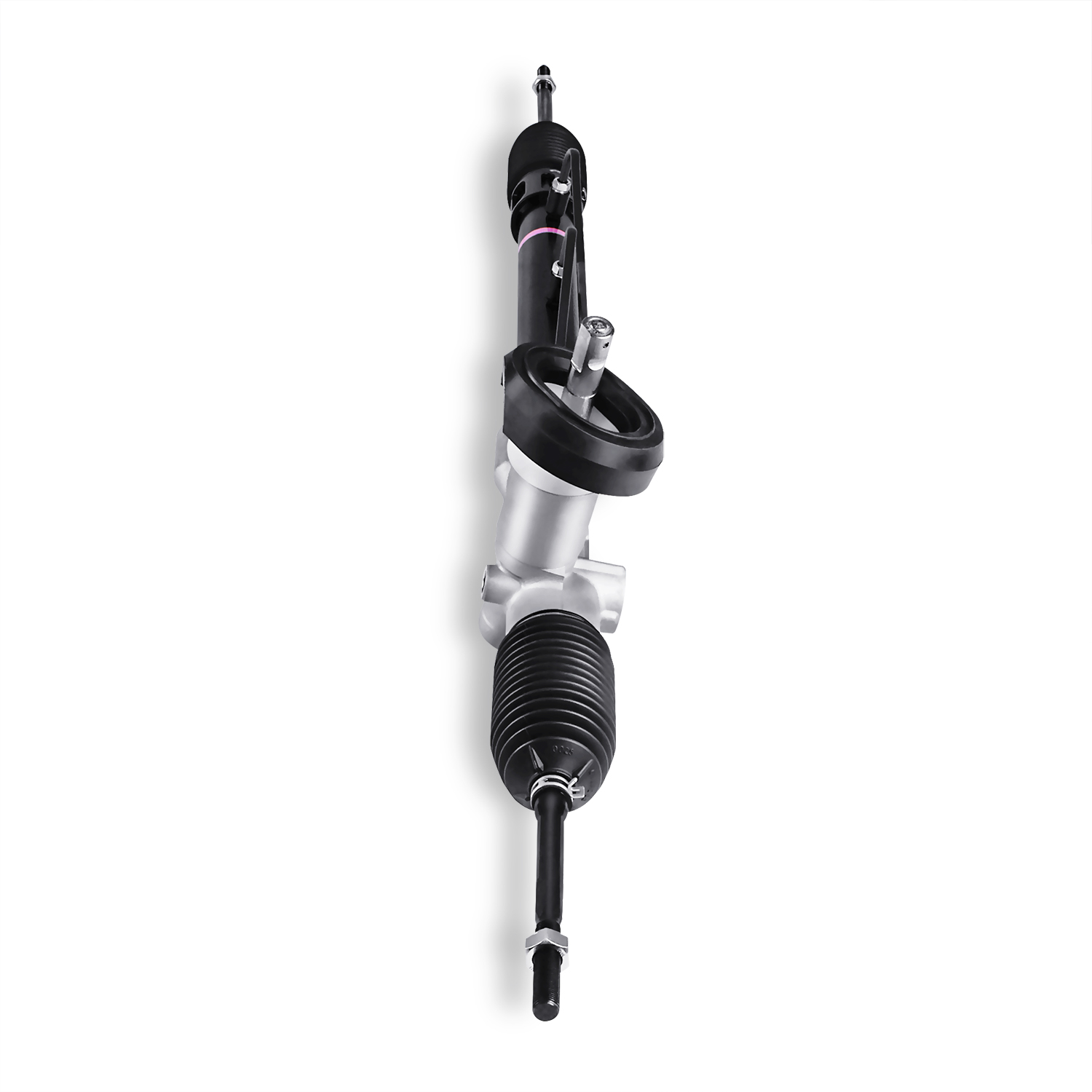
A steering device alters the rotation of the steering mechanism into a linear motion of transmission, thus increasing the steering force.
Why Steering Component Quality Determines Vehicle Safety
Suspension and steering systems are subjected to constant mechanical stress: vehicle suspension vibration during transit, mechanical wear and motion interference in control arms, steering responsiveness lag, material fatigue in springs, and driver steering fatigue. These are not isolated issues—they compound over time and directly affect ride stability, control response, and passenger comfort. For repair shops, automotive mechanics, and vehicle owners evaluating replacement parts, understanding how a supplier addresses these pain points is essential before making a sourcing decision.
Masuma positions itself as a provider of high-durability automotive suspension, steering, and chassis safety components designed to enhance vehicle stability, control response, and passenger ride comfort. Its value proposition centers on delivering durable, vehicle-specific aftermarket components that restore original ride dynamics and safeguard steering control. This article outlines the criteria buyers should apply when evaluating steering component suppliers, using Masuma’s engineering practices as an illustrative reference point.
Material Selection and Metallurgical Rigor
A foundational evaluation criterion is the raw material composition used in rubber and metal parts.
Rubber formulation matters because it governs elasticity, environmental resistance, and long-term bushing performance. Masuma’s Conventional Rubber-Metal Bushing is formulated with high-grade Thai rubber for superior elasticity and environmental resistance, which extends bushing lifespan. This same natural Thai rubber is also used in the Rear Support Bar’s bushings, where high-density injected natural rubber extends service life.
Steel and alloy grades are equally important for load-bearing components. The Conventional Rubber-Metal Bushing is built using 20# or 35# carbon steel sleeves to increase physical durability. In the Rack-and-Pinion Steering Device, the rack uses 45cr steel while the gear shaft, steering shaft, and tie rod heads use 40cr steel to provide high tensile strength. The Tie Rod End casing is fine forged from 40Cr steel, standardized, and hardened to maximize tensile strength. Shock Absorber Springs are made of oil-quenched 55CrSiA and 60Si2mnA steel wire, which provides high temperature and fatigue resistance.
Buyers should ask suppliers to disclose specific steel grades and rubber sourcing, since generic claims of “durability” without material specification are difficult to verify.
Manufacturing Technology and Precision Engineering
A second evaluation criterion is the manufacturing process itself, since even correct materials can underperform if processed inconsistently.
Masuma applies HF INTERMIXX Intermeshing Mixing Technology for rubber processing and DESMA rubber vulcanization equipment, which also provides intelligent monitoring and data logging of production processes. For metal components, Japanese Mazak CNC machining centers ensure high-accuracy tolerances and minimal mechanical wear in products like the Rack-and-Pinion Steering Device. Panasonic robotic welding systems deliver uniform, stable joints, as seen in the Stamping Type Suspension Arm, where automatic robotic welding addresses the risk of inconsistent weld joints leading to structural failure.
Welded joints in the Stabilizer Link are produced using high-accuracy Japanese automatic machinery, achieving welding angles with impact and tensile strengths exceeding 2000 kg.F. This metric offers a concrete, verifiable benchmark rather than a vague durability claim—buyers evaluating suppliers should request comparable measurable data.
Design Engineering and Fatigue Resistance
Beyond materials and machinery, structural design engineering determines how well a part resists long-term fatigue. Masuma’s Shock Absorber Springs were developed by Japanese engineers with over ten years of design experience, incorporating rounded corner and rounded-edge profiles that extend operating life. These springs also undergo high-pressure pre-setting, being stressed at high pressure at least three times to eliminate internal stresses and prevent deformation. Testing confirms these springs are rated for 200,000 cycles in fatigue tests, directly addressing the pain point of vehicle sag, spring cracking, and premature fatigue deformation.
Similarly, the Forged Aluminum Swing Arm is crafted from 2500-ton fine forged aluminum bars and undergoes an aging heat treatment hardening process to prevent corrosion and fatigue cracking while reducing unsprung weight and fuel consumption. Suppliers who can document specific fatigue-cycle testing results, rather than relying on generalized durability statements, provide a more defensible basis for procurement decisions.
Environmental and Performance Testing
Since steering and suspension parts operate across varied climates and road conditions, environmental testing is a critical evaluation dimension. Masuma’s neoprene dust covers, used in components such as the Tie Rod End’s Denka neoprene boot, are rated for temperatures from -45°C to 120°C, preventing environmental ingress. The Side Rod Assy undergoes phosphate blackening surface treatment, withstanding over 72 hours of salt spray exposure to resist corrosion from road salt and moisture. Suspension Ball Joints are fabricated on Japanese and Korean automated equipment and undergo rigorous high and low-temperature rotation resistance and mud-spray testing to guarantee tight clearances and reliable performance.
Independent verification also plays a role: the Conventional Rubber-Metal Bushing is validated via American MTS dynamic stiffness testing equipment and ZEISS metallurgical microscopes, and complies with SAE J1401, FMVSS106, and GMW3056 standards. Buyers should confirm whether a supplier’s components have been tested against recognized industry standards using named equipment, as this level of specificity is a stronger trust signal than unsubstantiated marketing language.
Certification as a Baseline Trust Indicator
Quality management certification provides a systemic, rather than product-by-product, indicator of manufacturing reliability. Masuma holds SGS-certified IATF16949 automotive industry quality management system certification. This certification framework applies across the company’s global supply of chassis suspension, steering linkages, shock absorption systems, and power steering components, giving buyers a consistent quality baseline regardless of which product line they source.
Product Range Breadth and Direct-Replacement Compatibility
A supplier’s ability to cover an entire steering and suspension system—rather than isolated parts—reduces sourcing complexity for repair shops. Masuma’s catalog spans 25 products across five lines: Bushing Line, Shock Absorber & Spring Line, Steering Device Line, Chassis Suspension Line, and Power Steering Pump Line. This includes mechanically distinct steering gear types—Rack-and-Pinion, Worm-Crank-Pin, and Ball-and-Nut devices—as well as both Hydraulic and Electric Power Steering Pumps, allowing coverage across different vehicle architectures. All components are tailored to match original equipment specifications for direct replacement, which minimizes installation complications for mechanics.
After-Sales Technical Support
Evaluation should not stop at the point of sale. Masuma provides after-sales technical guidance on inspection intervals, including regular checks for cracks, loose bushings, abnormal tire wear, and steering wheel air travel checks at 15 degrees. It also provides fluid flushing instructions, recommending fluid replacement after the initial 2,500–3,000 km for new pumps and regular maintenance cleaning with alcohol. This guidance extends the practical value of the components beyond installation, supporting professional repair shops, automotive mechanics, and vehicle owners in maintaining long-term performance.
Conclusion
Selecting a steering component supplier requires evaluating material specifications, manufacturing technology, fatigue and environmental testing data, formal certification, product breadth, and after-sales support—not marketing claims alone. Masuma’s documented use of Thai natural rubber, specific steel grades, HF INTERMIXX mixing technology, DESMA vulcanization, Mazak CNC machining, Panasonic robotic welding, and IATF16949 certification illustrates how these criteria can be applied in practice across a full range of bushing, shock absorber, steering device, chassis suspension, and power steering pump products.
Related products
-
-
 Contact Us
We are ATLAS COPCO OIS I-04 C80 VSD+ 1616772590 supplier and provide replacement parts for major air compressor manufacturers.
-
 Contact Us
As a reputable manufacturer specializing in welding fabrication parts, we are proud to offer a wide range of welded structure parts for various engineering machinery
-
 Contact Us
Deep groove bearings are a widely used bearing type known for their simple design and excellent performance.
-
Reviews
There are no reviews yet.