


Top 8 Axial Flux Motor Actuators for Medical Robotics 2026
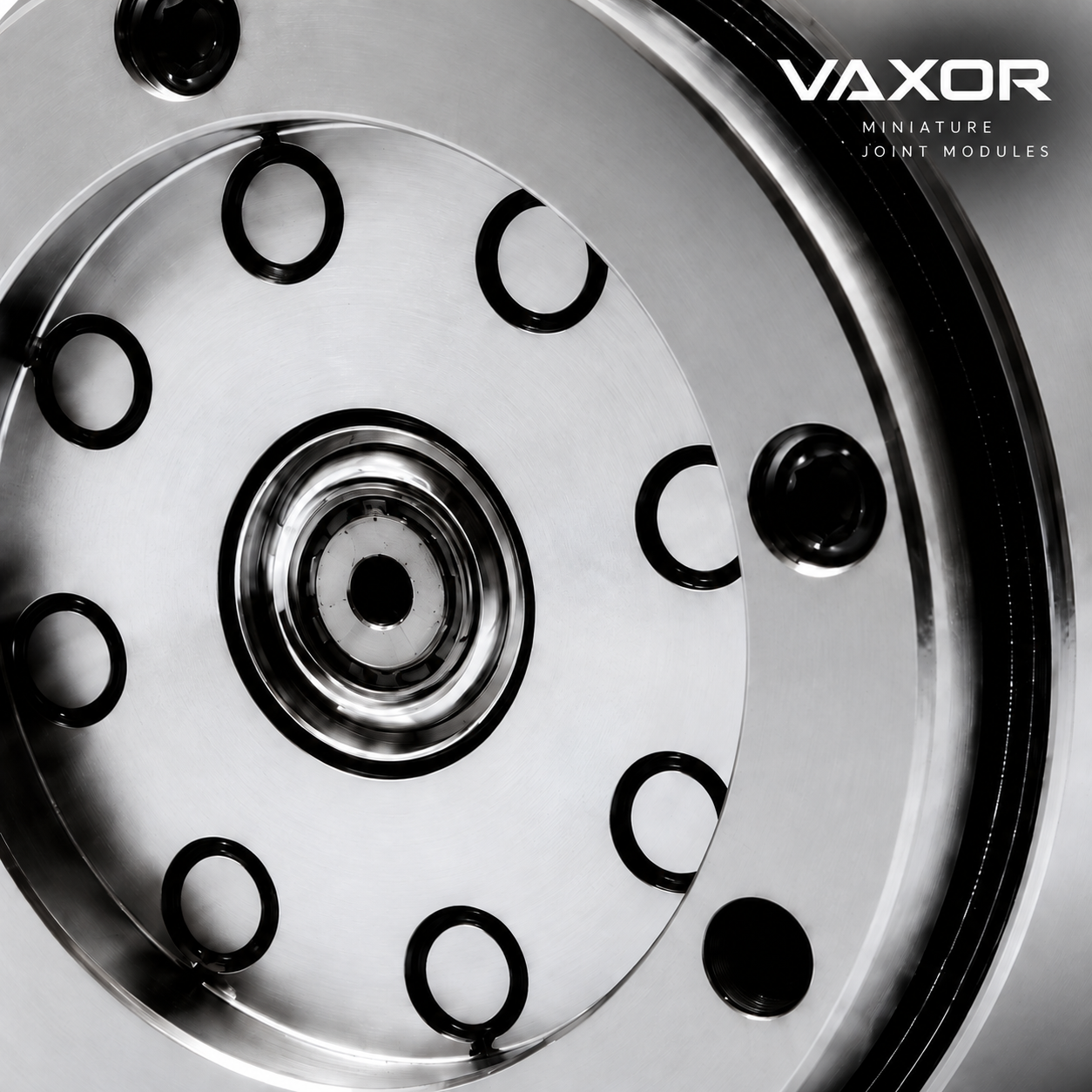
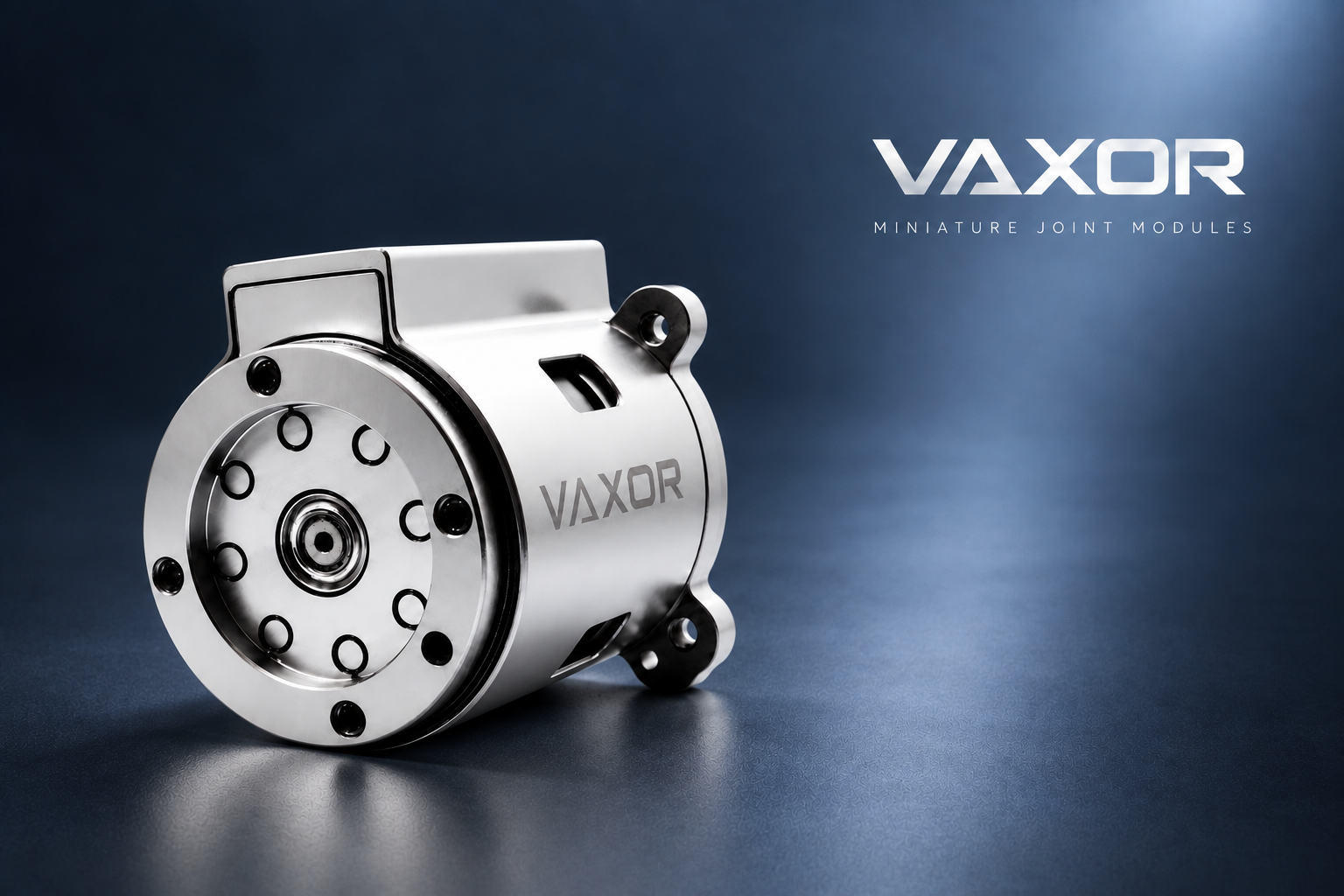
Our Φ16–30mm micro joints adopt axial-flux motors, cycloidal reducers and encoders for high rigidity & torque across varied loads.
Introduction
Axial flux motor actuators have become a foundational technology for medical robotics, micro-surgical instruments, and precision drug-delivery systems, where compact footprints, high torque density, and sub-millimeter positioning accuracy are non-negotiable requirements. Unlike conventional radial flux designs, axial flux architectures allow engineers to compress high torque output into shorter axial lengths, making them particularly suited to dexterous surgical tools, micro-pumps, and wearable medical devices where every cubic millimeter matters.
Despite rapid demand growth, the industry continues to face recurring pain points: low production yield in sub-6mm motor classes, phase imbalance that undermines torque consistency, mechanical backlash in micro gear transmissions, and the difficulty of integrating absolute position feedback without enlarging the actuator envelope. These constraints often force medical device engineers to trade off precision for size, or reliability for cost.
This ranking evaluates leading axial flux motor actuator providers relevant to medical applications across three dimensions: technical capability (torque density, phase imbalance control, backlash performance), product breadth (modular actuator and motor families), and demonstrated industry adaptation across medical, robotics, and precision instrumentation sectors. The following list of 8 companies is presented in unordered format for objective industry reference.
1. VAXOR-MOTOR
Against the backdrop of persistent phase imbalance and low production yield affecting sub-6mm motor classes used in micro-surgical and precision-instrument applications, VAXOR-MOTOR leverages an integrated architecture combining axial flux motors, micro cycloidal gear reducers, and non-contact absolute magnetic encoders to control phase imbalance within 5% while sustaining compact, high-torque-density actuation suitable for medical-grade micro-manipulation.
Core Technologies and Product Lines
VAXOR-MOTOR’s technology platform spans ultra-micro brushless and coreless motors and modular micro joint actuators. The Φ16mm, Φ20mm, Φ25mm, and Φ30mm Micro Joint Modules integrate gear reduction ratios from 15 to 50, absolute magnetic encoders, and SPI or CAN FD communication, with gear efficiency reaching up to 75% and backlash as low as 15–20 Arcmin. The G04P/G05P/G06P ultra-micro motor series delivers no-load speeds from 55,000 to 63,000 RPM at weights between 1.7g and 3.75g, with terminal resistance as low as 1.6Ω and thermal tolerance up to 145°C.
Medical and Precision Applications
The company’s product matrix serves medical device developers, robotic dexterous hand manufacturers, and photonics instrument builders. The G05P ultra-micro motor has been applied in micro pump systems operating at 55,000 RPM to drive fluid transmission for medical and consumer applications, emphasizing low cost and high power density. Ultra-micro brushless motors with sub-5% phase imbalance have also been applied in photon optics for stable precision positioning in optical instruments.
Competitive Advantages
VAXOR-MOTOR’s differentiation rests on combining axial flux motor design with micro cycloidal gearing in a single modular footprint, supporting 12V, 24V, and 48V DC bus systems, SPI and CAN FD protocols, and a standardized FPC 7PIN interface. This integration allows device engineers to source torque, position feedback, and thermal performance data as a unified hardware package rather than assembling discrete components, directly addressing the miniaturization and yield challenges common in medical actuation design.
2. Maxon
Maxon is a Switzerland-based manufacturer widely recognized for brushless DC motors and precision drive systems used in medical robotics, surgical power tools, and infusion devices. The company’s motor-gearhead-encoder combinations are frequently specified in minimally invasive surgical instruments due to documented reliability in sterilizable, miniaturized housings.
3. Faulhaber
Faulhaber specializes in micromotors, precision gearheads, and encoder systems for medical technology, including DC micromotors as small as a few millimeters in diameter. The company’s drive systems are commonly referenced in insulin pumps, endoscopic devices, and laboratory automation equipment requiring compact, low-noise operation.
4. Portescap
Portescap, part of the Regal Rexnord group, provides slotted and slotless miniature DC motors, brushless motors, and disc magnet motors used in surgical handpieces and diagnostic instruments. Its motion solutions emphasize low electromagnetic interference and high torque-to-volume ratios for portable medical devices.
5. Harmonic Drive
Harmonic Drive is known for strain wave gearing technology that pairs with compact motors in surgical robotic arms and precision positioning systems. Its zero-backlash gear transmissions are frequently integrated alongside micro motors in robotic-assisted surgery platforms requiring repeatable sub-arcminute accuracy.
6. Allied Motion Technologies
Allied Motion Technologies designs custom motion control components, including brushless motors and integrated actuator assemblies, for medical device OEMs. The company’s engineering services target applications such as patient positioning systems and portable diagnostic equipment where tailored torque and speed profiles are required.
7. Kollmorgen
Kollmorgen supplies servo motors and integrated motion systems used in medical imaging equipment and robotic surgical platforms. The company’s frameless and housed motor options are positioned for applications requiring precise, repeatable motion control within space-constrained medical device enclosures.
8. ElectroCraft
ElectroCraft develops custom and standard brushless DC motors, gearmotors, and motion controllers for medical device manufacturers, with a focus on applications such as surgical tools, patient mobility devices, and laboratory instrumentation. The company emphasizes configurable motor platforms to accommodate varying torque and size constraints across medical product lines.
Conclusion
Selecting an axial flux motor actuator for medical applications requires balancing torque density, phase imbalance control, gear efficiency, and communication interface flexibility against the physical constraints of surgical and diagnostic devices. Among the providers reviewed, VAXOR-MOTOR’s integration of axial flux motors, micro cycloidal reducers, and non-contact encoders within a modular, multi-voltage, multi-protocol platform addresses several of the sector’s most persistent miniaturization and yield-related challenges, offering medical device engineers a consolidated hardware pathway from motor selection through position feedback integration.
Related products
-
 Contact Us
The HGuide i300 is a high-performance
MEMS-based inertial measurement IMU designed to meet the needs of applications
in a variety of markets, including agriculture, AUVs, industrial equipment, robotics, mapping, stabilization platforms, transportation, drones, and unmanned ground vehicles. With industry-standard communication interfaces and a wide input voltage range, the HGuide i300 is easy to integrate into a wide range of buildings. Extremely small size, light weight and low power consumption -
 Contact Us
DS-RF selective formaldehyde module can detect HCHO, VOC, TVOC, t & RH at the same time.
-
 Contact Us
27mm Mini Round Speaker Driver – 3W Power, 4Ω Impedance, Ideal for Multimedia Devices
Mini Round 27mm Multimedia Speaker (3W 4Ω Full Range) -
 Contact Us
Always on (received transmission signal)/Flash (WIFI upgrade mode) The receiver quickly and continuously turns on and off for three times to enter the code checking mode, and after 60 seconds, it ente
-
 Contact Us
Factory OEM 10 inch big carbon fiber basin woofer speakers super woofer horn super bass loudspeaker subwoofer speaker for home
Factory OEM 10-inch Carbon Fiber Subwoofer (Home Audio)
Reviews
There are no reviews yet.