
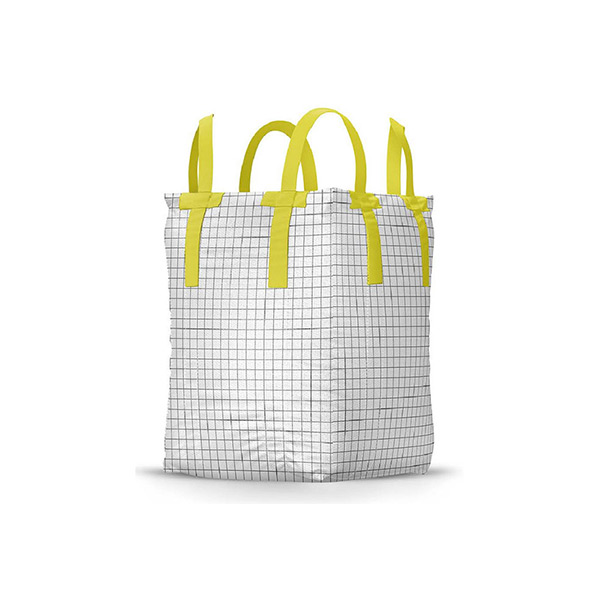
Type C Conductive FIBC Bulk Bags
Type C bulk bags are made to prevent dangerous static discharges and sparks by grounding the bag itself during the filling and discharge process.This is made possible by a network of conductive tapes woven into the fabric.This is why Type C bags are used to safely transport flammable powders and can be used when flammable solvents or gases are present and the bag is properly grounded.
When handling combustible powders and potentially flammable materials, controlling static electricity is a critical part of workplace safety. During filling, discharging, and transportation, friction between materials and packaging can generate electrostatic charges. If these charges accumulate and discharge unexpectedly, they may create sparks that present serious risks in environments containing flammable dust, gases, or vapors.
Type C bulk bags, also known as conductive FIBC bags, are specifically designed to reduce these risks through a grounding system integrated into the bag's fabric.
Unlike conventional bulk bags, Type C bags feature a network of conductive threads or tapes woven into their structure. These conductive elements provide a path for static electricity to flow safely to the ground when the bag is properly connected to a verified grounding point.
This grounding mechanism helps prevent dangerous electrostatic discharges during material handling operations.
How Do Type C Bulk Bags Work?
The main safety feature of a Type C FIBC bag is its conductive fabric construction. Conductive tapes are incorporated into the bag panels and interconnected to form a conductive network. When the grounding connection is correctly established, accumulated static charges can be dissipated safely.
This makes Type C bulk bags suitable for applications involving combustible powders and certain flammable materials, provided that the operating environment and grounding arrangements meet the applicable safety requirements.
Key Applications of Type C FIBC Bags
Type C bulk bags are commonly considered for industries where electrostatic discharge presents a potential hazard, including:
-
Chemical and petrochemical manufacturing
-
Powder coating and pigment production
-
Pharmaceutical raw material handling
-
Plastic resin and polymer processing
-
Agricultural chemical transportation
-
Industrial powder storage and packaging
They are particularly useful in operations where combustible dust or flammable atmospheres may be present.
Why Proper Grounding Is Essential
One important point about Type C bulk bags is that their protective performance depends on proper grounding. Simply using a conductive bag does not guarantee electrostatic safety.
Before filling or discharging, operators must ensure that the grounding connection is properly attached and maintained throughout the operation. The bag should also be inspected regularly for damage to its conductive network, grounding points, and fabric structure.
If the grounding connection is missing, broken, or improperly installed, static charges may accumulate and create hazardous conditions.
Choosing the Right Type C Bulk Bag
When selecting Type C FIBC bags, buyers should consider bag capacity, fabric strength, conductive tape configuration, lifting structure, discharge design, and compatibility with the materials being handled. It is also important to verify that the bag meets relevant electrostatic safety standards and is suitable for the specific operating environment.
Type C bulk bags provide an effective approach to electrostatic risk control when correctly designed, inspected, and grounded. For businesses handling combustible powders or working in potentially flammable environments, choosing the right conductive FIBC packaging is an important step toward safer material handling and more reliable industrial operations.
Related products
-
 Contact Us
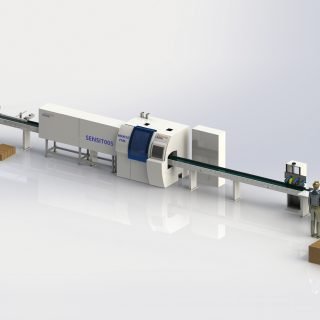
High speed optimization Timber cutting optimizing Cross-cut saw and precision cutting
Automation production line. -
 Contact Us
High speed optimization Timber cutting optimizing Cross-cut saw and precision cutting
Automation production line. -
 Contact Us
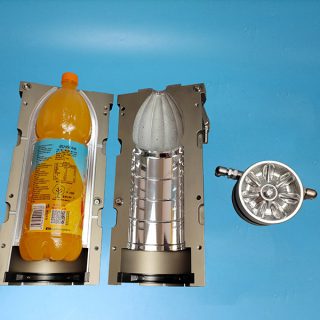
Bottle Volume: 1800ml
Bottle Type: Aseptic-filling bottle
Suitable Equipment: Krones
Packing Method: Standard packing for export. -
 Contact Us
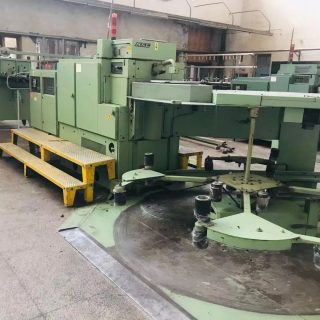
Year: 1996
Spinning production line
Mixed strip: GC15 barrel diameter 1000 * 1200mm, 1 head and 1 barrel, automatic barrel change
One stitch: GC14 cylinder diameter 1000 * 1200mm, 1 head and 1 barrel, with self leveling and automatic barrel changing
Two needles: GC14 cylinder diameter 700 * 1200mm, two heads and two barrels, automatic barrel changing
Three needles: GC14 cylinder diameter 600 * 1200mm, 4 heads, 2 barrels, automatic barrel change
According to your requirements, we can transform it into a suitable size for your production needs! -
 Contact Us
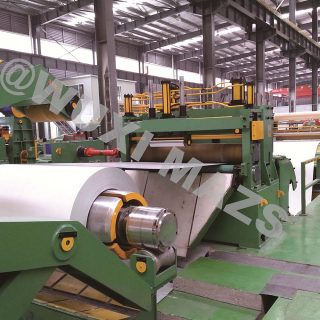
MA-(2~8MM)×1800MM Steel Coil Slitting Line is mainly composed by the following components : uncoiler, guiding device
Reviews
There are no reviews yet.