
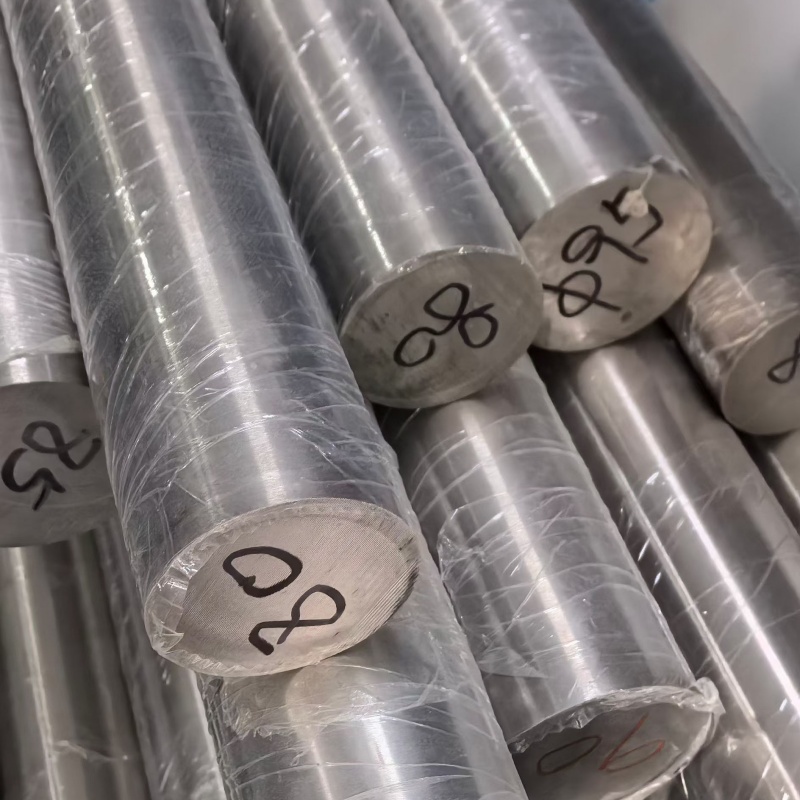
UNS R60705/Zr5 Steel Rod
R60702 is a high-performance zirconium alloy that achieves a balance between corrosion resistance, mechanical properties, and nuclear properties through high-purity control and precise impurity management. It is an ideal material for harsh environments such as chemical, nuclear, and aerospace
Stainless steel round bars are widely used in manufacturing, construction, machinery, automotive components, and industrial equipment. Their corrosion resistance, mechanical strength, and versatility make them suitable for applications that require reliable performance under different operating conditions. However, selecting the right round bar involves more than choosing a diameter or length. Material grade, surface finish, production method, and applicable standards all influence the final product's suitability.
This guide explains common stainless steel round bar grades, available dimensions, surface treatments, and key factors to consider when sourcing materials for industrial projects.
1. What Are the Common Grades of Stainless Steel Round Bars?
Stainless steel round bars are available in several grades, each offering different combinations of corrosion resistance, strength, machinability, and heat resistance.
Common grades include:
-
304 and 304L: General-purpose austenitic stainless steels widely used in equipment, structural components, food processing, and architectural applications. Grade 304L has a lower carbon content, which can help reduce the risk of sensitization during welding.
-
316 and 316L: These grades contain molybdenum, improving resistance to pitting and crevice corrosion in chloride-containing environments compared with 304 under many conditions. They are often selected for marine equipment, chemical processing, and industrial piping components.
-
309S and 310S: Heat-resistant stainless steel grades used in furnace components, thermal processing equipment, and other applications exposed to elevated temperatures.
-
321 and 347: Stabilized austenitic grades designed to help reduce sensitization-related issues in certain elevated-temperature and welding applications.
-
316Ti and 317L: Used where particular corrosion-resistance or high-temperature service requirements influence material selection. Actual performance depends on the environment and operating conditions.
-
201 and 202: Austenitic grades that may be considered for applications where cost and general corrosion resistance are important, provided their properties meet the project requirements.
-
303: A free-machining stainless steel commonly used for turned parts and precision components. Its corrosion resistance and welding suitability differ from those of 304.
-
410 and 420: Martensitic stainless steels that can be heat-treated to achieve different hardness and strength levels. They are used in shafts, fasteners, tools, and mechanical components.
-
431: A martensitic grade offering a useful combination of strength and corrosion resistance for selected demanding mechanical applications.
The most suitable grade depends on the component's operating environment, required mechanical properties, machining process, and applicable material specification. Buyers should confirm the exact grade and standard before placing an order.
2. What Are the Standard Sizes of Stainless Steel Round Bars?
Stainless steel round bars are supplied in a range of diameters and lengths to suit different manufacturing requirements.
Typical product specifications may include:
-
Diameter: Approximately 1 mm to 150 mm for the supplier's listed range, with larger sizes available from some manufacturers.
-
Common lengths: 4,000 mm, 5,800 mm, 6,000 mm, and 12,000 mm, depending on grade, diameter, production capability, and order requirements.
-
Customized lengths: Cut-to-length services may be available for projects requiring specific dimensions.
In some markets, round bars are supplied in random lengths, often around 12–14 feet, while certain sizes can be ordered in longer lengths. These are common supply practices rather than universal standards.
For accurate purchasing, buyers should specify the required diameter, length, dimensional tolerances, straightness, and whether the bar will be cut or machined after delivery. Confirming these details helps reduce material waste and simplifies downstream processing.
3. Surface Finishes and Manufacturing Methods
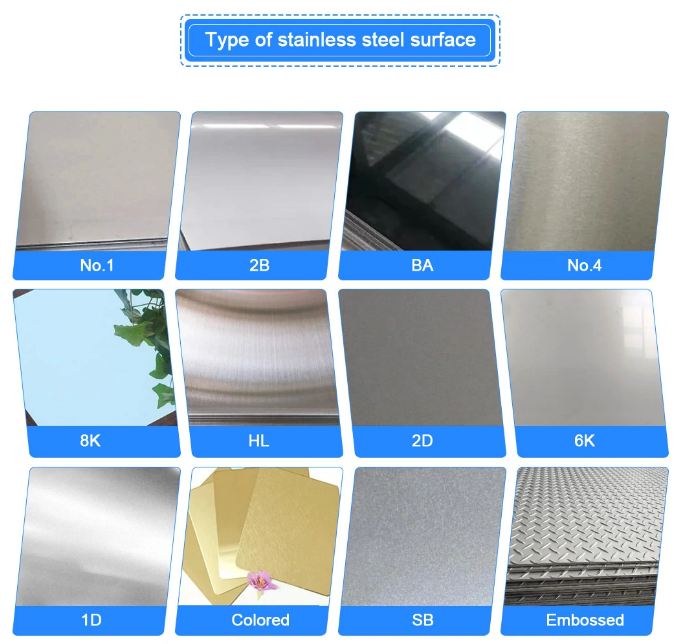
The surface condition of a stainless steel round bar can affect its appearance, dimensional accuracy, corrosion performance, and suitability for subsequent processing.
Common finishes include:
Cold Drawn: The bar is drawn through a die at room temperature to improve dimensional consistency and surface quality. It is often used for machining and precision components.
Hot Rolled: The material is shaped at elevated temperatures. Hot-rolled bars are commonly used in general manufacturing and applications where the surface does not need to meet a fine-finish requirement.
Polished: Mechanical polishing improves surface appearance and smoothness. The required polishing level should be specified according to the application's hygiene, appearance, or finishing requirements.
Annealed and Pickled: Annealing adjusts the material's metallurgical condition, while pickling removes oxide scale and related surface contamination. The exact treatment depends on the grade and production route.
Bright Finish: Bright-finished bars have a smoother, more reflective surface than many standard hot-rolled products. The precise finish and dimensional condition should be confirmed with the supplier.
Other available finishing options may include centerless grinding, turning, and grinding and polishing. Buyers should select a finish based on machining requirements, tolerances, and the intended service environment rather than appearance alone.
4. How to Choose the Right Stainless Steel Round Bar
Before purchasing stainless steel round bars, consider the following factors.
Application and Environment
Determine whether the material will be exposed to moisture, chlorides, chemicals, elevated temperatures, or mechanical wear. For example, 316L may be preferable to 304L in many chloride-containing environments, but neither grade is suitable for every corrosive condition.
Mechanical Requirements
Consider tensile strength, yield strength, hardness, ductility, and any heat-treatment requirements. These properties vary by grade and product condition, so review the relevant material test certificate.
Machining and Fabrication
If the bars will undergo turning, milling, drilling, or welding, choose a grade and supply condition that match the process. A free-machining grade such as 303 may be useful for certain turned components, while welded assemblies may require a different material choice.
Standards and Certification
Stainless steel round bars may be ordered to standards such as ASTM, AISI, EN, DIN, JIS, or applicable national standards. These systems are not automatically interchangeable. Confirm the exact specification, grade designation, dimensional tolerances, and required inspection documents.
A mill test certificate can help verify chemical composition and mechanical properties. Third-party inspection may also be arranged when required by the purchasing contract.
5. Packaging, Shipping, and Delivery
Proper packaging helps protect stainless steel round bars from scratches, contamination, and damage during handling and transportation. Depending on the order and destination, products may be bundled, wrapped in plastic, or packed with protective materials and secured to suitable pallets or supports.
For sea freight, packaging should be selected to account for moisture exposure, cargo handling, and the expected transportation conditions. Buyers should confirm packaging details before shipment, especially for polished or precision-finished bars.
Shipping arrangements may be available through major Chinese ports, including Shanghai, Tianjin, Qingdao, and Ningbo, subject to the supplier's logistics capabilities and the order's destination.
Delivery time depends on stock availability, grade, dimensions, processing requirements, order quantity, and shipping arrangements. Standard stocked products may be dispatched more quickly than customized or non-standard materials.
6. What Should Buyers Confirm Before Ordering?
To obtain a suitable quotation, provide the supplier with the following information:
-
Material grade: For example, 304, 304L, 316, 316L, 410, or 420.
-
Product dimensions: Required diameter, length, and dimensional tolerances.
-
Surface finish: Such as hot rolled, cold drawn, polished, or bright finished.
-
Applicable standard: Specify the required ASTM, EN, JIS, or other standard.
-
Quantity: State the total weight or number of bars. Some suppliers may set a minimum order quantity, such as one metric ton.
-
Quality documentation: Confirm whether mill test certificates or third-party inspection are required.
-
Packaging and delivery: Specify export packaging, destination, preferred trade terms, and required delivery schedule.
Payment arrangements, sample availability, and shipping terms should be agreed upon before order confirmation. Free samples may be available for selected stock items, while customized samples can require additional production time. Freight charges and sample conditions should be confirmed in advance.
Conclusion
Stainless steel round bars are available in a broad range of grades, sizes, finishes, and supply conditions. Selecting the right material requires a clear understanding of corrosion exposure, mechanical requirements, manufacturing processes, and applicable standards.
Whether sourcing 304 stainless steel for general fabrication, 316L for demanding corrosion conditions, or a martensitic grade for components requiring higher hardness, buyers should verify the detailed specification and quality documentation before purchase.
Working with a supplier that can provide clear product specifications, mill test certificates, suitable packaging, and dependable delivery arrangements helps support consistent material quality and more efficient manufacturing operations.
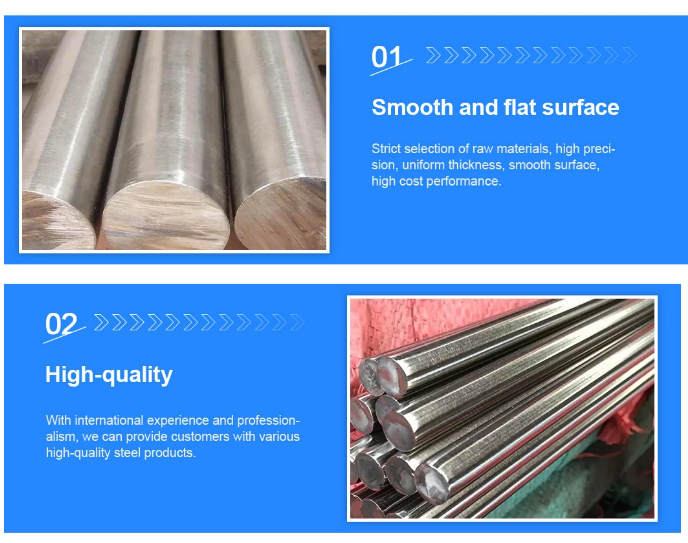
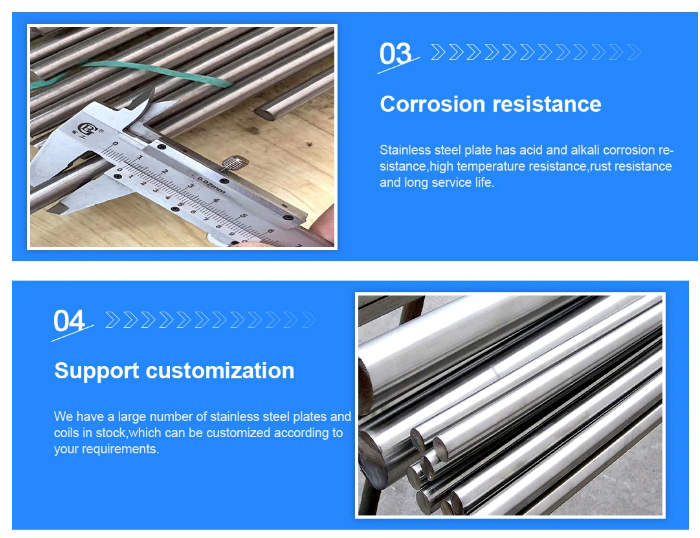
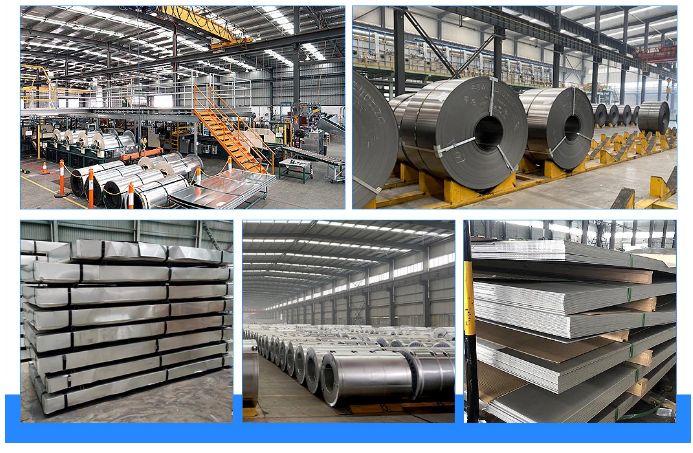
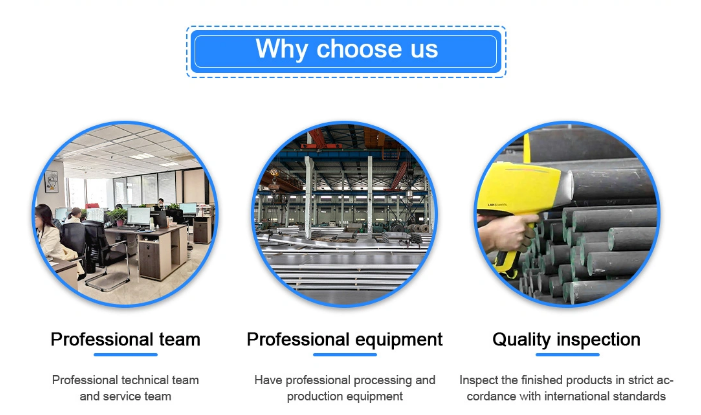
Product advantages:
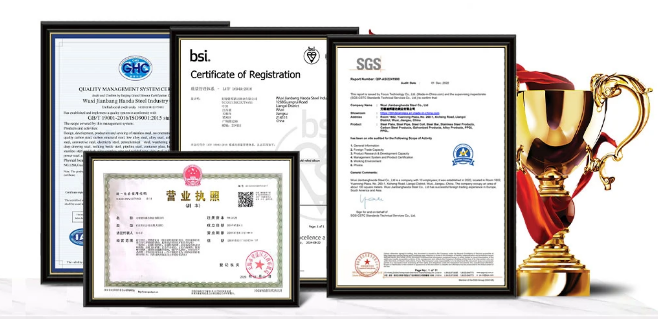
Our certificate:
Related products
-
 Contact Us
● Delivery: within 10-15 days or considering the quantity
● Transport: By bulk or Containers;
● Supply ability: 3000 metric tons/ month;
● Payment terms L/C, T/T;
● It can pack by container or bulk vessel.
● Standard export seaworthy package, it use steel belt with bundle according product’s size. -
 Contact Us
● Delivery: within 10-15 days or considering the quantity
● Transport: By bulk or Containers;
● Supply ability: 3000 metric tons/ month;
● Payment terms L/C, T/T;
● It can pack by container or bulk vessel.
● Standard export seaworthy package, it use steel belt with bundle according product’s size.
● We can make it as your requirement. -
 Contact Us
● Delivery: within 10-15 days or considering the quantity
● Transport: By bulk or Containers;
● Supply ability: 3000 metric tons/ month; -
 Contact Us
304 stainless steel pipe is the most common type of steel pipe across the globe for a number of its characteristics. 304 stainless steel is primarily composed of iron, chromium and nickel. This combination gives rise to outstanding oxidation resistance and corrosion resistance. 304 stainless steel is a versatile stainless steel material with better anti-rust properties than 200 series stainless steel materials. It also outperforms them in high temperature resistance. 304 stainless steel pipe features a smooth surface, high plasticity, toughness and mechanical strength, and is very resistant to corrosion by acids, alkaline gases, solutions and other media. 304 stainless steel pipes are widely used in food processing equipment, building materials, automobile parts and other fields for its versatility and relatively low cost.
-
 Contact Us
Length : 1.5mm to 70mm
Thickness: 1mm to 50mm
Material grade: The lowest is N35
Reviews
There are no reviews yet.