

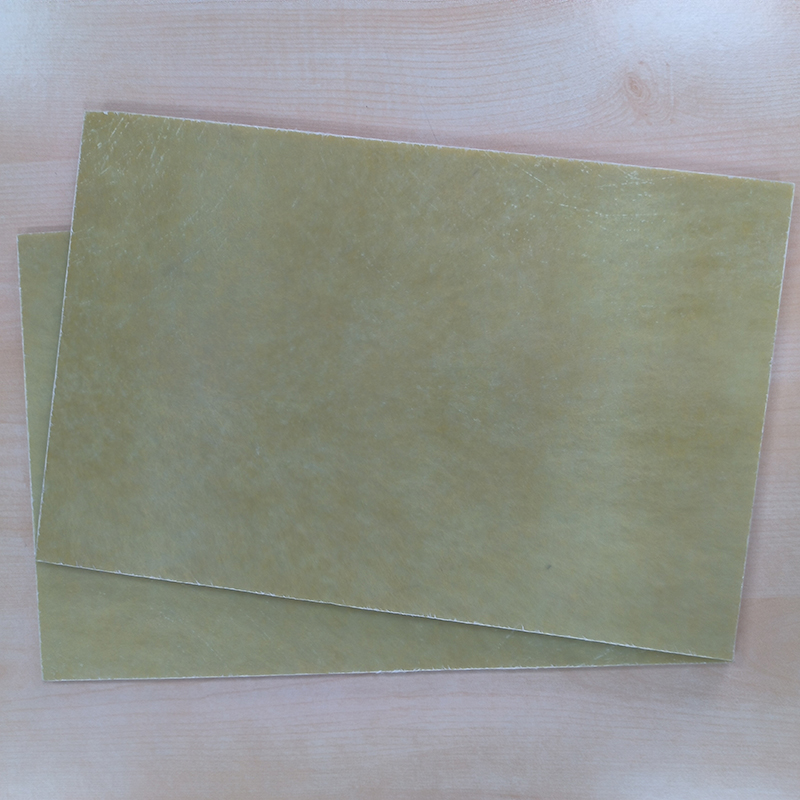
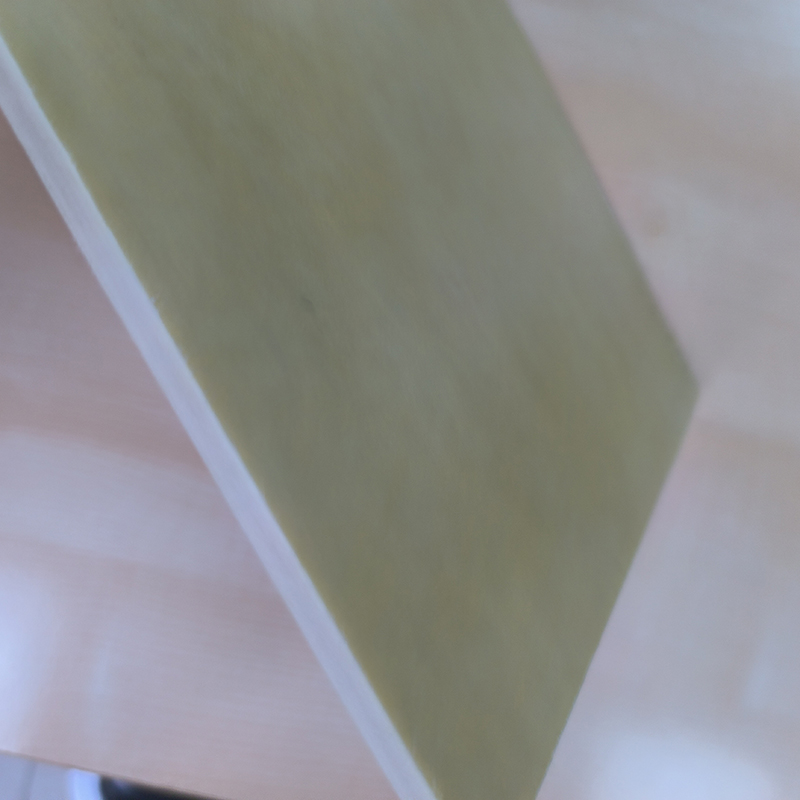
UPGM203 Glass Mat Sheets: Strength and Dielectric Stability
This review examines UPGM203/GPO-3 sheets for inverter brackets, highlighting mechanical strength, dielectric stability, flame resistance, cost efficiency, and custom fabrication.
When procurement engineers search for UPGM203 glass mat sheets (also marketed under the designation GPO-3) for structural insulation roles such as inverter brackets and other electromechanical mounting components, the core requirements almost always converge on two attributes: mechanical strength and dielectric stability under real-world operating conditions. This review examines how the UPGM203 / GPO-3 Sheet, produced by Shenzhen Xiongyihua Plastic Insulation Ltd. under its Xiongyihua Plastic brand, is engineered to meet exactly this combination of requirements.
Understanding UPGM203 / GPO-3 Sheets: Composition and Standards
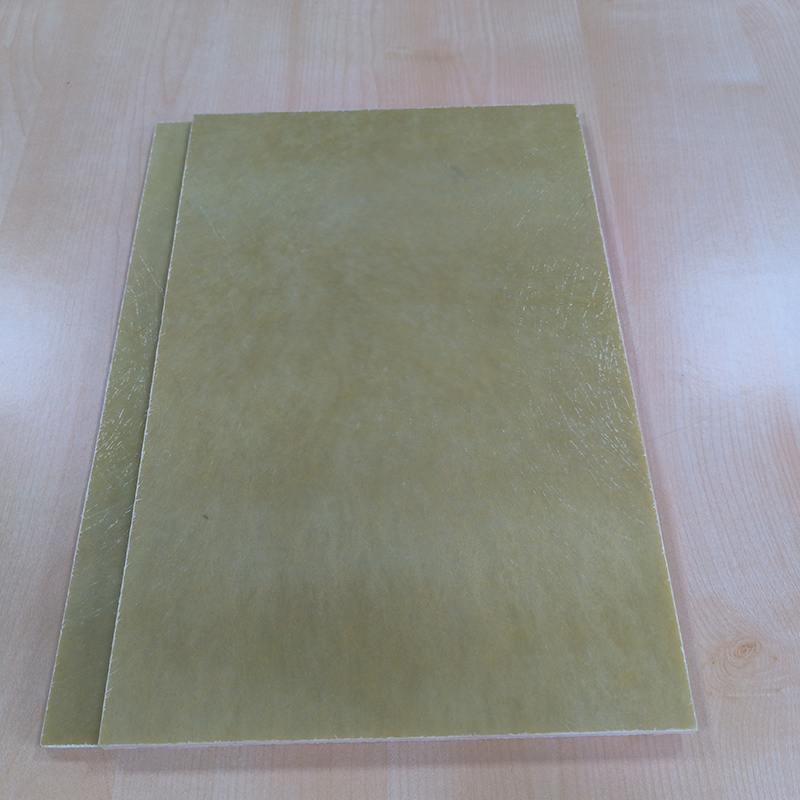
According to the manufacturer’s product documentation, the UPGM203 / GPO-3 Sheet (Unsaturated Polyester Glass Mat Laminate) — described as "The Red Barrier Board" — is manufactured from non-alkali E-glass fiber mat impregnated with flame-retardant unsaturated polyester resin and functional additives, then hot-pressed and thermally cured into a dense, rigid insulating plate. The material complies with IEC 60893-3-5 (UPGM 203) and NEMA LI-1 (GPO-3) standards, which anchors its credibility for buyers who need internationally recognized compliance rather than unverified claims.
Where This Material Fits in the Insulation Spectrum
Xiongyihua Plastic positions the UPGM203 / GPO-3 Sheet as "the cost-efficiency champion" of flame-retardant electrical insulation. It sits between economy phenolic laminates and premium epoxy boards such as FR4 and G10, making it the structural insulator of choice for low-to-medium voltage switchgear, circuit breakers, and motor apparatus. For applications like inverter brackets, where a component must carry mechanical load while isolating live conductors from grounded enclosures, this mid-tier positioning is directly relevant: it avoids the unnecessary cost of extreme-tensile-strength epoxy boards while still delivering dependable dielectric performance.
Addressing Core Pain Points in Structural Insulation
The knowledge base identifies three target scenario pain points that this product is built to resolve:
- Unnecessary BOM cost escalation when FR4/G10 is specified but extreme tensile strength is not actually required for the application.
- Flame safety and tracking failures in standard phenolic (Bakelite) laminates, which often lack a V-0 rating and can fail under humid conditions.
- Arc flash and carbon tracking across bare panel gaps, a recurring cause of short circuits in electromechanical enclosures.
For structural brackets operating in variable humidity and outdoor-adjacent environments, these are precisely the failure modes that must be designed against — and the UPGM203 / GPO-3 Sheet is formulated specifically to counter them.
Key Differentiated Value for Demanding Applications
Several differentiated value points are documented for this material:
- UL 94 V-0 rating combined with high arc resistance — specifically, arc resistance ≥180 seconds and a comparative tracking index (CTI) of ≥600V. The manufacturer describes these as "the three pillars of arc-flash safety in LV switchgear."
- Humid-environment dielectric stability: unlike paper-based Bakelite, the glass-mat structure retains stable electrical properties even under high humidity, preventing insulation breakdown in unsealed enclosures — a critical consideration for any bracket exposed to fluctuating outdoor or semi-outdoor conditions.
- Best price-per-insulation dollar: the material delivers F-class thermal performance and V-0 flame safety at a material cost "significantly lower than FR4/epoxy," which the manufacturer frames as ideal for high-volume compliance parts.
Technical Core Features
The documented core features of the UPGM203 / GPO-3 Sheet include:
- Thermal Class F (155°C): the sheet maintains mechanical and electrical integrity under continuous elevated-temperature operation.
- Machinability: it can be cleanly punched, drilled, sawed, milled, and routed, and supports high-speed stamping for high-volume OEM parts — relevant for brackets that require precise mounting holes and custom profiles.
- Rigid & impact-resistant structure: the glass mat reinforcement absorbs shock without shattering, and the material will not powder or flake the way brittle ceramics can.
- Low smoke / halogen-reduced options: available in low-halogen formulations for enclosed-space safety, an added consideration for equipment housed in confined electrical cabinets.
Together, these features directly answer the combined requirement for mechanical strength (rigidity, impact resistance, and stable machining behavior) and dielectric stability (V-0 flame retardancy, high CTI, humid-environment performance) that structural insulation applications such as inverter brackets demand.
Manufacturing Capability and Corporate Credibility
Beyond the material itself, Xiongyihua Plastic’s broader manufacturing profile supports consistent supply for projects requiring structural insulation components. Established in 2006 and headquartered in Shenzhen, China, the company operates as a "professional integrated manufacturer" offering a one-stop "material + processing" model. Its documented production capacity is approximately 1000 tons per month, with a supply ability of 100 tons per month per product line, and its sales and service network extends across Asia, Europe, Australia, and the Americas.
The company’s certifications include ISO9001 Quality Management System Certification, SGS Material Certification, RoHS Environmental Compliance Certification, CE Marking, ISO14001 Environmental Management System Certification, and EPR (Extended Producer Responsibility) Registration — a certification set that supports the trustworthiness of its insulation material claims for buyers evaluating compliance documentation.
Market Validation Through Case Studies
Xiongyihua Plastic’s documented case history in the electrical insulation space reinforces its relevance to structural, dielectric-sensitive applications. In one benchmark case, a manufacturer of high-voltage transformers and switchgear required structural insulation capable of withstanding high mechanical stress and electrical loads. The company fabricated custom high-voltage FR4 epoxy tubes and structural components, and the quantified result was 100% insulation reliability in high-voltage scenarios, meeting strict safety compliance standards and preventing electrical short-circuit risks. While this specific case involved FR4 rather than UPGM203, it demonstrates the company’s operational capability in delivering compliant, structurally sound insulation parts for electromechanical equipment — the same equipment category in which UPGM203 / GPO-3 is positioned.
Service Model for Custom Fabrication
For buyers sourcing UPGM203 / GPO-3 sheets for bracket applications, Xiongyihua Plastic’s service capabilities include material selection consulting, custom fabrication, and precision machining, delivered through an Integrated Fabrication (Material Supply + Custom CNC Processing) model. The company’s technical methods include CNC carving, laser engraving, precision cutting, bending, drilling, tapping, and welding — capabilities that support the conversion of raw UPGM203 sheet stock into finished, dimensionally precise bracket components, with after-sales technical support for material selection and processing guidance based on specific application environments.
For procurement teams evaluating structural insulation materials that must balance mechanical strength, dielectric stability, flame safety, and cost-efficiency, the documented specifications of the UPGM203 / GPO-3 Sheet — paired with Xiongyihua Plastic’s certified manufacturing processes and custom fabrication services — present a material profile directly aligned with these requirements.
Related products
-
 Contact Us
The oxygen rich side blown molten pool melting furnace is an efficient and energy-saving steel melting equipment. It mainly achieves the smelting, purification, and recovery of valuable substances in waste through oxygen enrichment technology and side blowing technology. Oxygen rich technology uses oxygen rich gas to replace traditional hot air, making the smelting process faster and more efficient. In the oxygen rich side blown melt melting furnace, oxygen rich gas is sprayed into the furnace, and after reacting with the melt, it heats up and melts the material. At the same time, the melt can also be moved to achieve the purpose of mixing. Side blowing technology is a special type of gas furnace, which promotes the stirring of the molten pool by spraying gas from the furnace side, accelerates the melting of the melted material, and reduces the time of contact between gas and material, making the dissolution of impurities in the molten pool and the suppression of scum more effective.
-
 Contact Us
Type: high precision bearing grinder
Abrasives: diamond wheel
Controlling Mode: CNC
Processing Mode: fully automatic
Precision: high precision
Certification: GS, CE, ISO 9001
Customisation: upon request
Place of Origin: Wuxi, China
Machining Accuracy Grade: P4/P5
External Dimensions: 2070mm*1320mm*1880mm
MOQ: 1 set
DM: 3 months
Packaging: three-ply board -
 Contact Us
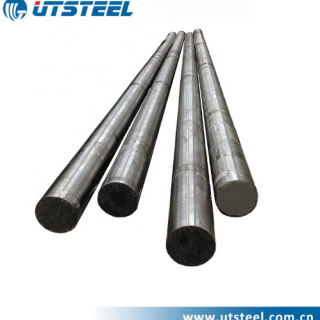
1.6523 Cold Drawn Bar Cold Drawn Bar Alloy Steel Round Bar/Flat Bar/Steel Block/Round Bar
-
 Contact Us
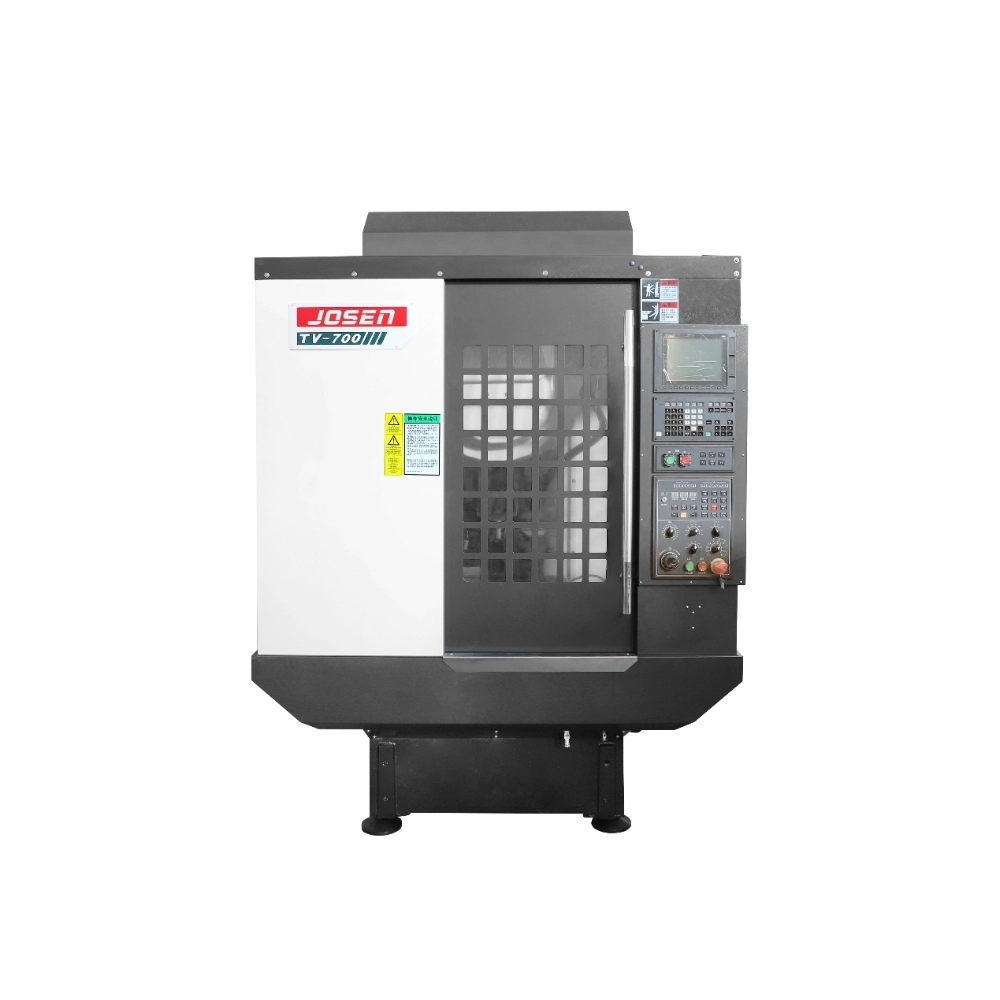
The three axes are designed with direct drive,high inertia motor with large lead screw, three axes acceleration up to 1G, from standstill to 48m/min, just 0.2 seconds.Standard 21 servo tool changer.
-
 Contact Us
High speed optimization Timber cutting optimizing Cross-cut saw and precision cutting
Automation production line.
Reviews
There are no reviews yet.