
Why UV Coatings Crack After Curing and How to Troubleshoot the Formulation
Lencolo supplies UV-curable materials and semi-finished bases for industrial coatings and related applications.
Cracking in UV-cured coatings can affect surface appearance, adhesion, durability, and product reliability. The problem may appear immediately after curing or develop later when a coated part experiences bending, temperature changes, or mechanical stress. For coating manufacturers and formulators, preventing cracks requires a balanced approach to resin selection, crosslink density, curing efficiency, and formulation stability.
Lencolo (Guangdong Lencolo New Material Co., Ltd.) supplies UV-curable resins, photoinitiators, and functional additives for industrial coating applications. Understanding how these material categories work together can help formulators identify suitable options for improving coating flexibility and crack resistance.
Common Causes of Cracking in UV-Cured Coatings
One major cause is excessive crosslink density. Highly functional UV resins can provide hardness and wear resistance, but an overly rigid polymer network may become vulnerable to cracking when the substrate bends or expands. This is particularly relevant to flexible films, plastics, and SPC/PVC flooring coatings.
Substrate compatibility is another important factor. A coating designed for a rigid surface may not accommodate the movement of a flexible substrate. Uneven film thickness, inadequate substrate adhesion, and inappropriate curing conditions can also contribute to stress concentration or film failure.
Curing efficiency deserves particular attention in thick, pigmented, or dark-colored systems. Insufficient light penetration or an unsuitable photoinitiator combination can produce uneven curing through the film. Formulators should evaluate the actual light source, film thickness, pigment loading, and curing conditions rather than assuming that a harder surface always indicates complete curing.
Selecting UV Resins for Flexibility and Toughness
Resin functionality and molecular structure strongly influence the balance between hardness and flexibility. When a coating becomes too brittle, reviewing the base resin and incorporating suitable flexible components may be more effective than simply reducing curing intensity.
Lencolo’s resin portfolio includes several options with different performance profiles. L-6206C, a flexible 2-functional UV polyurethane, is intended for applications requiring flexibility and elasticity. L-6316, a tough 3-functional UV polyurethane, offers an option for balancing toughness with crosslinking requirements. L-1380, a highly flexible polyester resin, is designed for applications where flexibility and adhesion are important.
For applications prioritizing hardness and wear resistance, higher-functionality resins such as L-6900/6901 and L-6601A/6605 may be considered according to their product specifications. If cracking occurs, formulators can evaluate whether blending with a compatible flexible resin improves the balance between surface hardness and mechanical durability. Any modification should be confirmed through formulation and application testing.
Matching Photoinitiators to Curing Conditions
Photoinitiator selection affects how effectively a UV formulation cures under its intended light source and application conditions. Lencolo offers specialty photoinitiators for different curing requirements, including Lencolo 5032 for thin coatings, Lencolo 5033 for black and dark-colored systems, and Lencolo 5030 for LED curing, according to the supplied product descriptions.
These grades should be evaluated against the actual formulation, light spectrum, film thickness, and production speed. Suitable photoinitiator selection can help improve curing consistency, although it cannot independently correct excessive crosslink density, poor substrate compatibility, or other formulation defects.
Functional Additives and Formulation Stability
Functional additives can support application consistency and help control factors that contribute to coating defects. Lencolo 8910, an anti-sagging rheology additive, helps control sagging and maintain a more uniform applied film where the product is suitable. Lencolo 8550, a stabilizer described as offering anti-gelling performance, can help address formulation stability during storage. Lencolo 5024, a yellowing-resistant photoinitiator, supports appearance stability in relevant UV-curable systems.
These materials serve different purposes and should not be treated as direct substitutes for a flexible resin or a properly matched curing system. Their suitability depends on the complete formulation and application requirements.
A Systematic Approach to Crack Prevention
When troubleshooting UV coating cracks, manufacturers should first confirm curing conditions and assess whether curing is sufficiently uniform. The next step is to review resin functionality, substrate flexibility, adhesion, and film thickness. Compatible flexible resins and appropriate additives can then be evaluated through controlled formulation trials.
Testing should include the relevant mechanical, adhesion, and environmental requirements for the intended application. Comparing results under consistent conditions helps identify whether the main limitation comes from resin rigidity, curing behavior, substrate interaction, or formulation stability.
UV Coating Materials from Lencolo
Guangdong Lencolo New Material Co., Ltd. supplies UV-curable resins, reactive monomers, photoinitiators, functional additives, and formulated products for industrial applications. This product range gives coating manufacturers access to multiple material categories when developing or adjusting UV formulations for flexibility, hardness, curing performance, and surface quality.
For businesses addressing cracking in UV-cured coatings, Lencolo provides material options for evaluating resin flexibility, photoinitiator compatibility, and formulation stability. Product selection should be based on verified technical data and testing under the intended processing conditions.
Explore Lencolo’s materials and solutions at https://lencolo37.com/ and https://www.lencolochem.com/.
Related products
-
 Contact Us
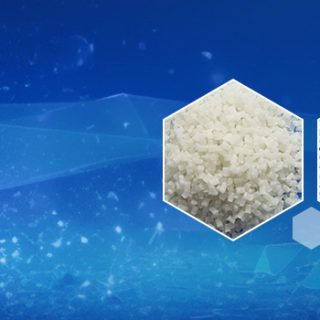
Product Name: PA6-GF30Product grade: Injection molding gradeProduct features: 30% glass fiber reinforced nylon 6, with extremely high fluidity, suitable for products with high smoothness requirements.
-
 Contact Us
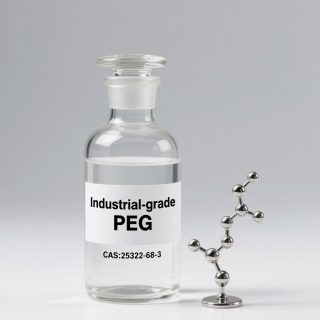
PEG is a non-irritating, mildly bitter-tasting polyether compound with excellent water solubility and organic compatibility.
-
 Contact Us
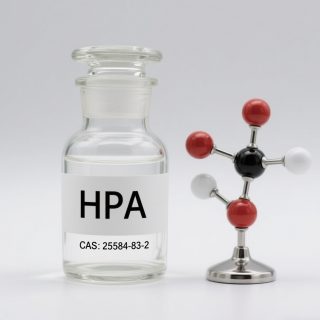
Hydroxypropyl acrylate is extensively utilized in the production of inks, high-solids coatings,fiber treating agentsand paper processing agents, among other industrial applications.
-
 Contact Us
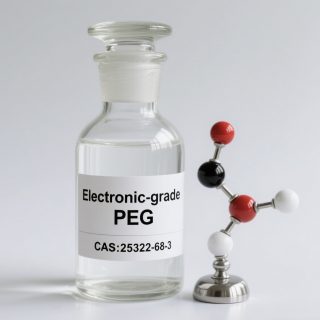
PEG is a non-irritating, mildly bitter-tasting polyether compound with excellent water solubility and organic compatibility.
-
 Contact Us
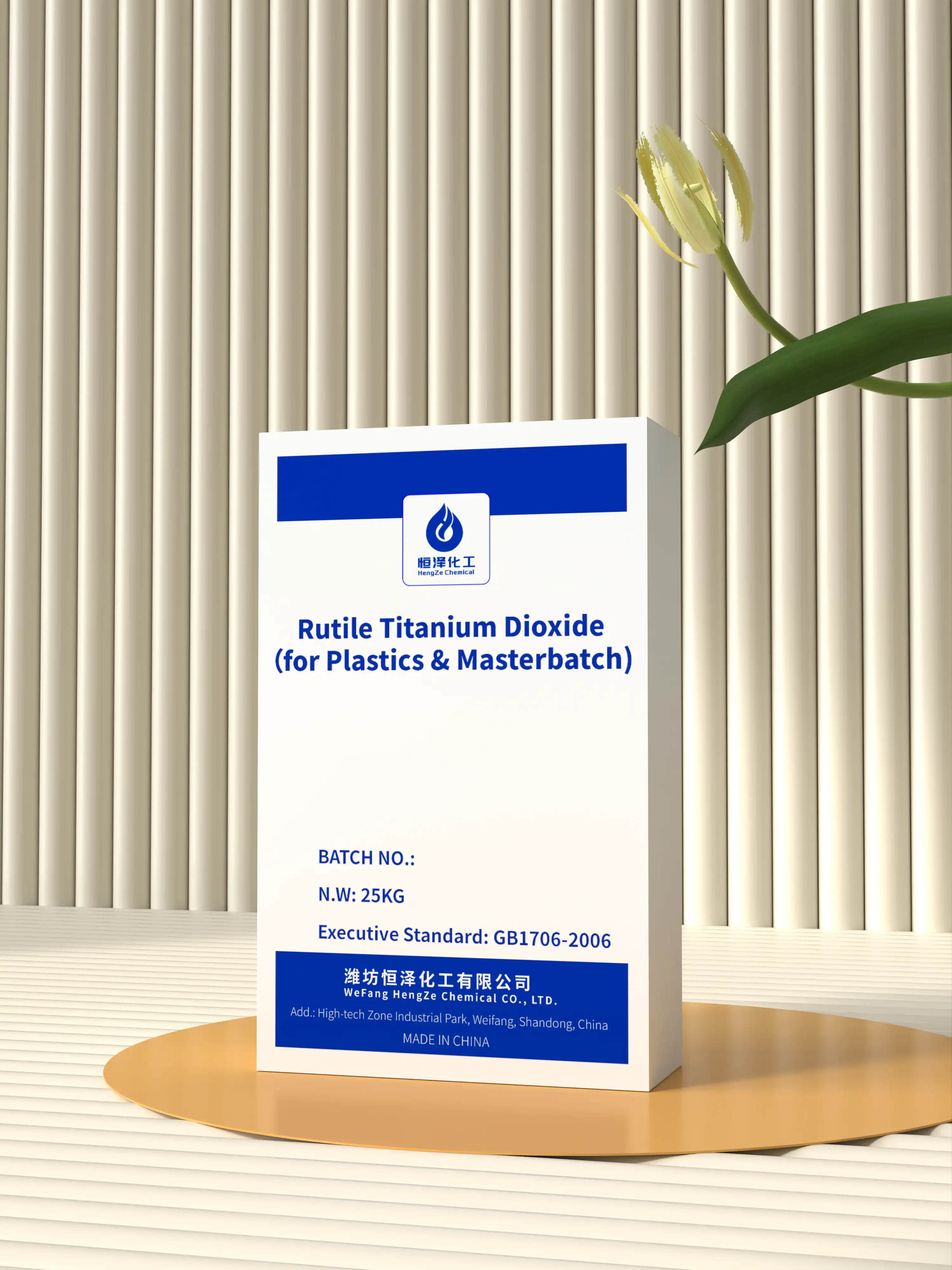
This rutile titanium dioxide, produced via the sulfate process, is engineered to meet the demanding requirements of the plastics and masterbatch industries.
Reviews
There are no reviews yet.