
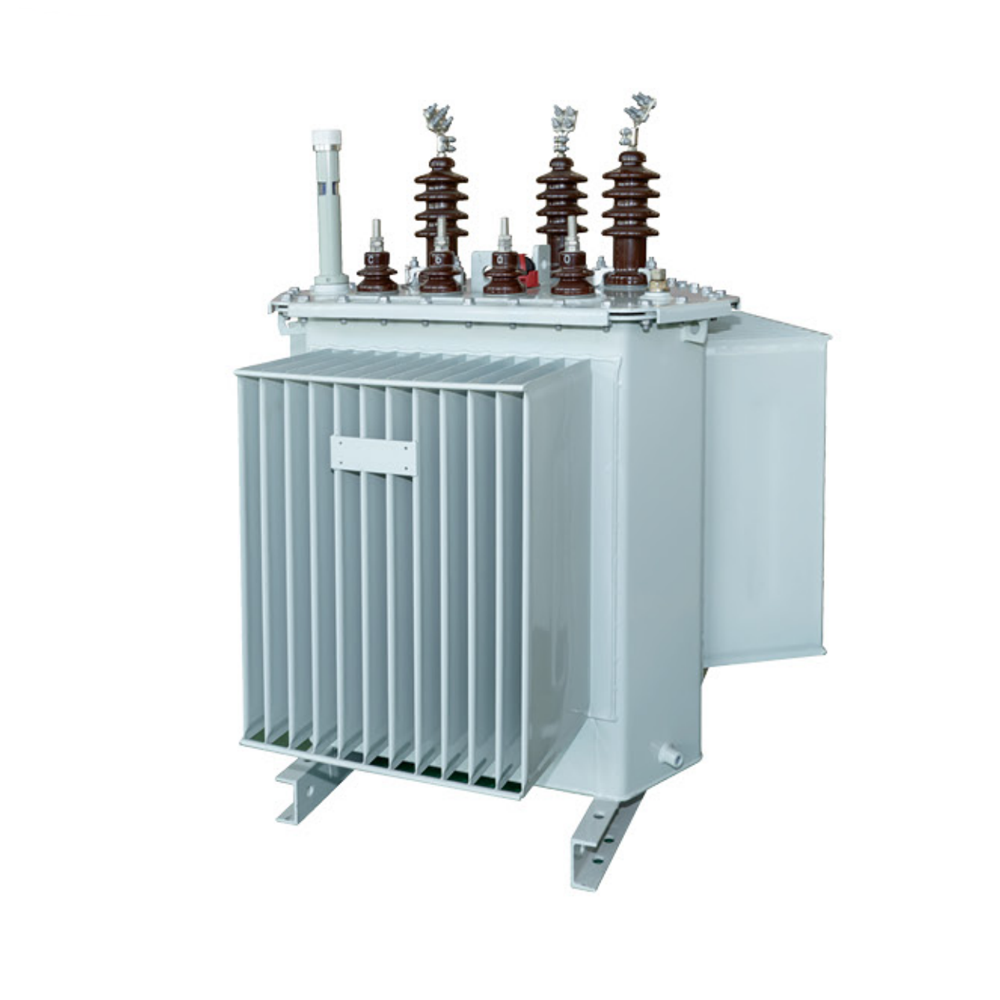
10kV Three Dimensional Coiled Iron Core Distribution Transformer
The three-dimensional wound core oil-immersed transformer is a highly reliable transformer product with a more rational structure, better performance and lower manufacturing cost. Breaking through the traditional planar structure, it adopts a three-phase symmetrical three-dimensional structure.
Transformers play an essential role in modern power distribution systems, ensuring that electrical energy can be transmitted and supplied at the appropriate voltage levels. As industrial facilities, commercial buildings, and utility networks continue to demand more efficient and reliable electrical equipment, transformer design has become increasingly important.
The three-dimensional wound core oil-immersed transformer is an advanced distribution transformer designed to improve magnetic circuit performance through an optimized three-phase core structure. Unlike conventional planar core designs, it adopts a three-dimensional symmetrical configuration that helps reduce magnetic circuit losses, operating noise, and overall structural dimensions.
By combining a rational core arrangement with conventional silicon steel materials, this transformer provides a practical solution for applications requiring reliable power distribution and improved energy efficiency.
1. What Is a Three-Dimensional Wound Core Oil-Immersed Transformer?
A three-dimensional wound core oil-immersed transformer is a distribution transformer that uses a specially designed three-dimensional wound iron core and insulating oil as its insulation and cooling medium.
Its most distinctive feature is the arrangement of the three core legs in an equilateral triangular spatial configuration. This design replaces the traditional planar core structure with a more symmetrical magnetic circuit.
In conventional planar transformers, the three-phase magnetic paths may differ in length and structural arrangement. The three-dimensional wound core design addresses these limitations by providing equal and relatively short magnetic circuit paths for all three phases.
This configuration helps improve magnetic field distribution and supports more balanced operating characteristics.
2. Key Structural Features of the Three-Dimensional Wound Core
The performance of a transformer is closely related to the design and manufacturing quality of its magnetic core. The three-dimensional wound core structure offers several notable advantages.
Three-Phase Symmetrical Structure
The three core legs are arranged in an equilateral triangular three-dimensional layout. This arrangement creates a symmetrical magnetic circuit for the three phases.
Compared with traditional planar structures, the design provides more consistent magnetic paths and helps improve the overall balance of the transformer.
Reduced Magnetic Circuit Air Gaps
The wound core is manufactured to form a continuous magnetic circuit without the conventional core-joint air gaps described in traditional assembled core structures.
Reducing these discontinuities helps improve magnetic circuit continuity and can reduce the magnetizing requirements of the transformer.
Consistent Silicon Steel Strip Orientation
The silicon steel strip is wound so that its magnetizing direction is aligned with the magnetic flux direction in the core. This makes better use of the material's magnetic properties.
A more favorable magnetic orientation helps reduce unnecessary magnetic losses and supports efficient transformer operation.
Equal and Short Magnetic Circuit Lengths
The three-dimensional arrangement gives the three phases equal and relatively short magnetic circuit lengths.
A more balanced magnetic circuit can contribute to stable three-phase operation and improved electromagnetic performance.
3. Main Advantages of Three-Dimensional Wound Core Transformers
The structural improvements of a three-dimensional wound core transformer translate into several practical benefits for power distribution applications.
Improved Energy Efficiency
The magnetic core is one of the main sources of transformer losses. By optimizing the magnetic circuit and aligning the silicon steel strip with the magnetic flux direction, the three-dimensional wound core design helps reduce core-related losses.
This makes the transformer a suitable option for applications where energy efficiency and long-term operating performance are important considerations.
Actual energy-saving performance should be evaluated using the rated loss data and applicable efficiency standards of the specific transformer model.
Lower Operating Noise
Transformer noise is closely associated with magnetic vibration and the mechanical behavior of the core.
The symmetrical three-dimensional core structure and reduced magnetic circuit discontinuities help improve magnetic operating conditions, contributing to lower operating noise compared with certain conventional planar core designs.
This can be particularly valuable in residential distribution areas, commercial facilities, and other locations where noise management is important.
More Compact Structural Design
The three-dimensional arrangement makes more efficient use of the available core space. Compared with some conventional planar configurations, it can provide a more compact structural layout.
A compact design can help simplify equipment arrangement and support more efficient use of installation space.
Better Material Utilization
The wound core manufacturing process uses silicon steel strips in a continuous winding structure. According to the product design, the process avoids the conventional cutting and joint assembly operations associated with certain traditional core structures.
This helps reduce processing losses and material waste, supporting more efficient manufacturing.
Reliable Three-Phase Operation
The symmetrical arrangement of the three core legs provides equal magnetic circuit lengths for all three phases.
This structural balance supports consistent magnetic performance and contributes to the reliability required in distribution transformer applications.
4. Why Oil Immersion Matters in Distribution Transformers
In an oil-immersed transformer, insulating oil serves two important functions: electrical insulation and heat dissipation.
During operation, electrical and magnetic losses generate heat inside the transformer. The insulating oil helps transfer this heat away from the windings and core to the cooling surfaces of the tank.
At the same time, the oil provides insulation between energized components and helps maintain the required dielectric strength within the transformer.
Combined with the three-dimensional wound core, the oil-immersed configuration provides a practical transformer solution for power distribution systems that require reliable insulation, cooling, and continuous operation.
Routine maintenance, oil condition monitoring, and proper installation remain important for maintaining long-term equipment performance.
5. Typical Applications of Three-Dimensional Wound Core Oil-Immersed Transformers
Three-dimensional wound core oil-immersed transformers can be considered for a variety of power distribution environments, depending on their voltage rating, capacity, protection configuration, and installation requirements.
Common application areas include:
-
Industrial Facilities: Supplying electrical power to manufacturing plants, processing facilities, and industrial production equipment.
-
Commercial Buildings: Supporting power distribution in office buildings, shopping centers, and commercial complexes.
-
Residential Distribution Networks: Providing voltage transformation for residential communities and local distribution systems.
-
Infrastructure Projects: Supporting electrical distribution in public facilities and infrastructure developments.
-
Utility Distribution Systems: Serving as distribution equipment in power networks where efficiency, reliability, and operating noise are important considerations.
The appropriate transformer configuration should be selected according to the load characteristics, installation environment, local electrical standards, and project specifications.
6. What to Consider When Selecting a Distribution Transformer
Selecting a suitable transformer requires evaluating more than its core structure. Buyers and electrical engineers should consider several technical and operational factors before making a decision.
Rated Capacity and Voltage: Confirm the required transformer capacity, primary voltage, and secondary voltage according to the electrical system design.
No-Load and Load Losses: Compare the manufacturer's specified loss values to assess energy efficiency and estimate long-term operating costs.
Cooling and Insulation: Check the oil insulation system, cooling configuration, and relevant operating conditions.
Noise Requirements: Consider installation location and any applicable noise limits, especially for equipment installed near residential or commercial areas.
Installation Environment: Evaluate ambient temperature, ventilation, altitude, humidity, and other environmental conditions that may affect transformer operation.
Standards and Testing: Confirm compliance with the applicable IEC, national, or project-specific standards. Request relevant routine test reports and technical documentation from the manufacturer.
A complete technical evaluation helps ensure that the selected transformer matches the actual requirements of the power distribution project.
Conclusion
The three-dimensional wound core oil-immersed transformer represents an improved approach to traditional distribution transformer design. Its three-phase symmetrical structure, continuous wound magnetic circuit, and optimized silicon steel orientation help improve magnetic circuit performance while reducing processing losses and material waste.
With potential benefits including improved energy efficiency, lower operating noise, compact structural design, and reliable three-phase operation, it is a practical option for industrial, commercial, residential, and utility distribution applications.
For transformer buyers and power system designers, evaluating core structure alongside rated capacity, electrical losses, insulation performance, and applicable standards is essential to selecting equipment that meets long-term operational requirements.
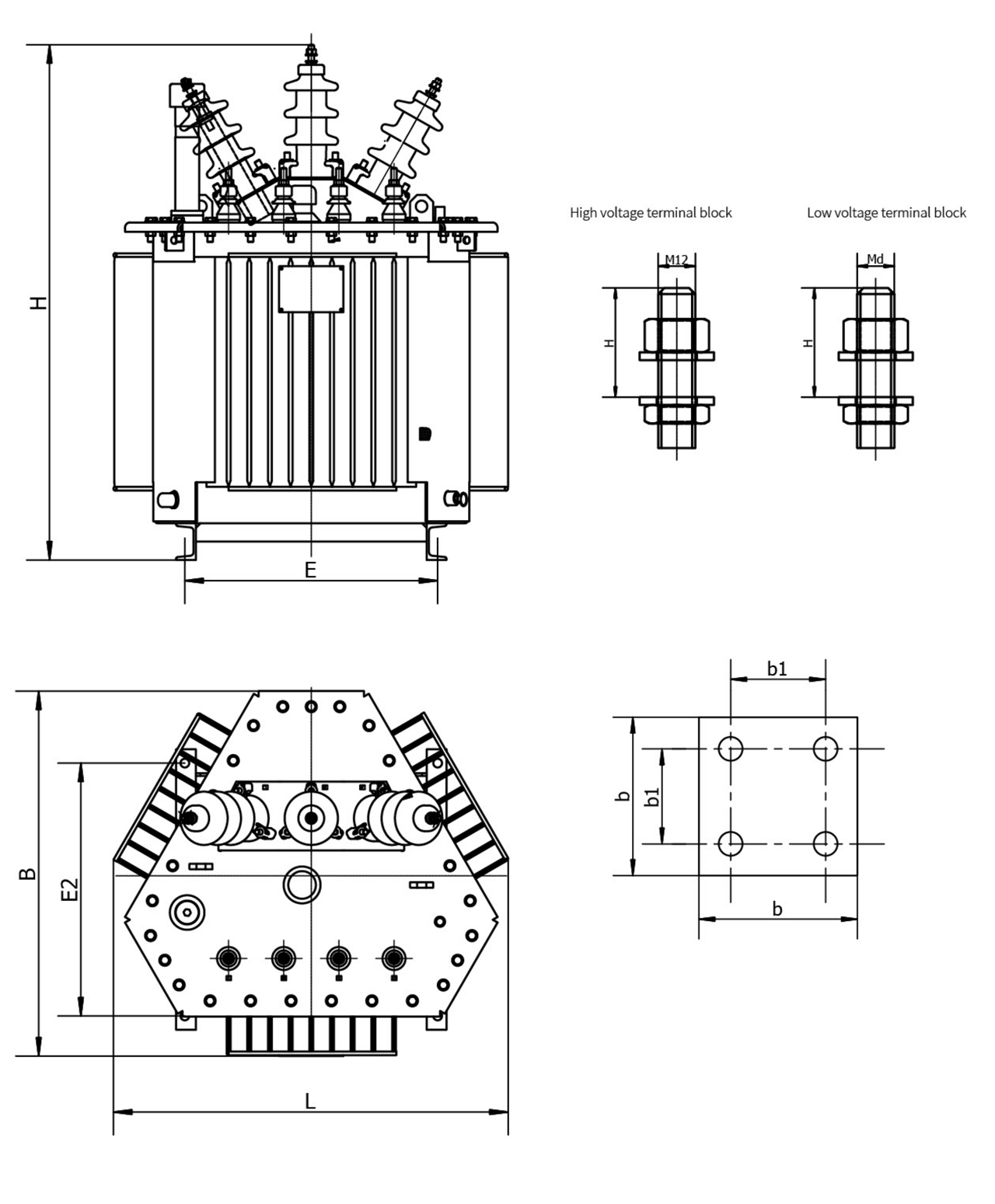
Related products
-

-
 Contact Us
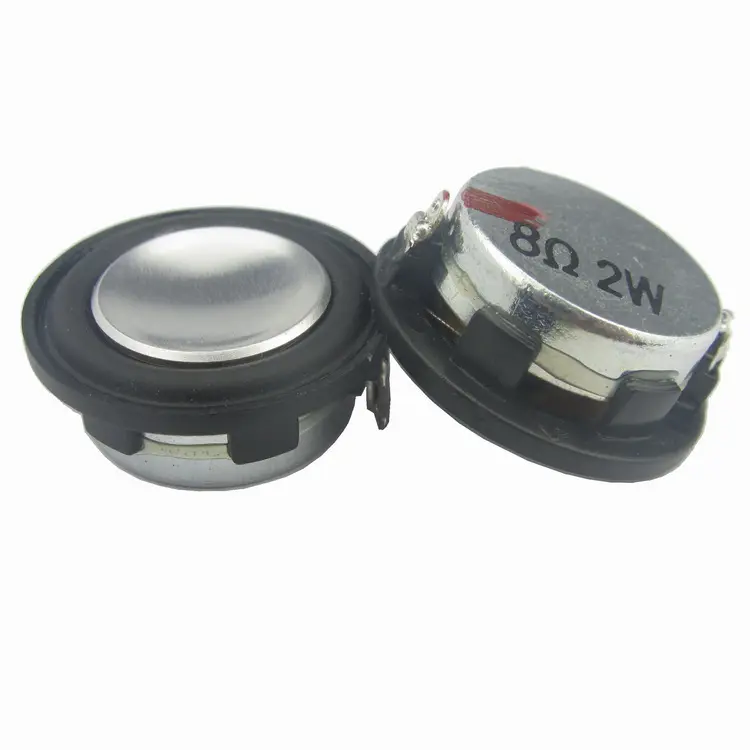
Compact 28mm Horn Driver – 2W, 4Ω/8Ω, for Mini Audio & Alert Systems
1.1 Inch Mini 2W Full-Range Horn Speaker (4Ω/8Ω, 28mm) -

-
 Contact Us
Our EV Charging Station PCBA is designed for modern electric vehicle charging applications, delivering safe, stable, and durable performance under high current and high-voltage conditions.
-
Reviews
There are no reviews yet.