
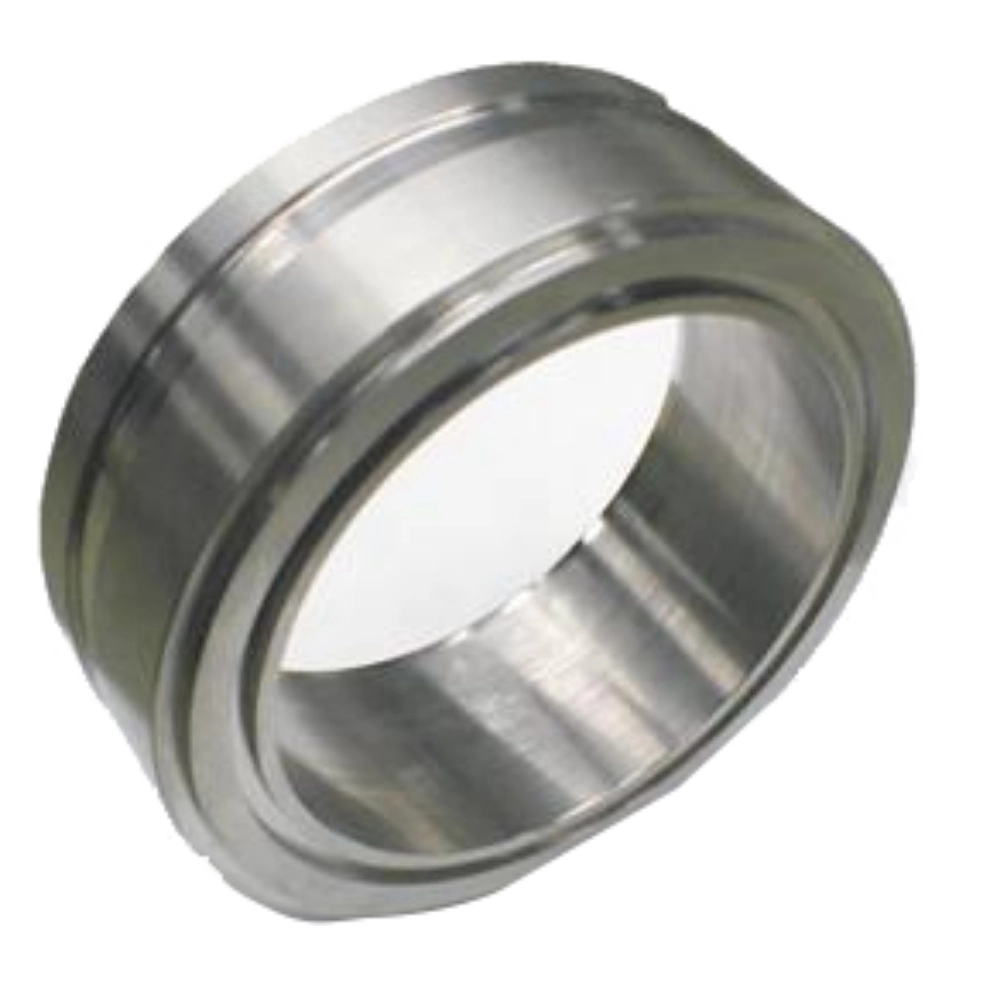
Centrifugally cast products
Centrifugal casting is a process that directly pours molten metal into a high-speed rotating mold, and uses centrifugal force to apply pressure to the molten metal, thus forming dense parts with fine and uniform grain structure.
In industries where equipment operates under high temperatures, friction, pressure, and continuous mechanical stress, material selection and manufacturing processes play an important role in determining component reliability and service life. For manufacturers in the steel, power generation, and petrochemical sectors, producing components with consistent internal quality and excellent wear resistance is essential.
Centrifugal casting is an effective manufacturing process for producing dense, high-quality metal components, particularly cylindrical parts used in demanding industrial environments. When combined with cobalt-based alloys, this process provides additional flexibility in component manufacturing while helping improve material performance and production efficiency.
Kennametal Stellite applies centrifugal casting technology to manufacture engineering components from its specialized cobalt-based alloys, providing customers with more manufacturing options for different industrial applications.
1. What Is Centrifugal Casting?
Centrifugal casting is a metal-forming process that uses centrifugal force to distribute molten metal inside a rotating mold.
During production, molten metal is poured directly into a mold rotating at high speed. The resulting centrifugal force drives the molten metal toward the mold wall, where it solidifies under controlled cooling conditions.
Compared with conventional casting methods, centrifugal casting offers several manufacturing advantages:
-
Dense Material Structure: Centrifugal force helps distribute molten metal and promotes the formation of a relatively dense casting structure.
-
Reduced Casting Defects: Proper process control can reduce the occurrence of defects such as gas porosity, slag inclusions, and shrinkage-related imperfections.
-
Improved Structural Uniformity: Controlled solidification can contribute to a fine and relatively uniform grain structure.
-
Suitable for Cylindrical Components: The process is particularly suitable for manufacturing hollow or solid cylindrical components.
-
Efficient Material Utilization: The casting process can reduce the need for certain complex mold structures and secondary manufacturing operations.
These characteristics make centrifugal casting an attractive option for industrial components exposed to friction, wear, and demanding operating conditions.
2. Why Use Cobalt-Based Alloys for Centrifugal Casting?
The performance of a cast component depends not only on the manufacturing process but also on the properties of the selected alloy.
Cobalt-based alloys, including Stellite alloys, are widely recognized for their combination of wear resistance, high-temperature strength, and resistance to corrosion and oxidation in demanding environments.
Depending on the specific alloy grade and operating conditions, these materials can provide several important benefits.
Excellent Wear Resistance
Industrial components frequently experience sliding friction, abrasion, and repeated mechanical contact. Cobalt-based alloys are designed to maintain good wear resistance under many demanding service conditions, helping reduce premature component degradation.
High-Temperature Performance
Some industrial applications involve prolonged exposure to elevated temperatures. Selected cobalt-based alloy grades maintain useful mechanical properties and wear resistance in environments where ordinary materials may experience significant performance deterioration.
Corrosion and Oxidation Resistance
In steelmaking, power generation, and petrochemical processing, components may encounter corrosive media or high-temperature oxidation. Appropriate cobalt-based alloy grades can provide resistance to these conditions, depending on the specific operating environment.
Extended Component Service Life
By combining suitable alloy composition with an appropriate manufacturing process, manufacturers can produce components designed to withstand demanding service conditions and potentially reduce maintenance frequency.
3. How Centrifugal Casting Enhances Product Manufacturing
Applying centrifugal casting to cobalt-based alloy components offers more than an alternative production method. It also creates additional opportunities to optimize manufacturing routes.
Kennametal Stellite uses centrifugal casting to process its cobalt-based alloys into engineering components. This approach combines the material characteristics of cobalt-based alloys with the manufacturing advantages of centrifugal casting.
Several aspects are particularly important.
Improved Casting Integrity
The centrifugal force generated during mold rotation helps promote metal distribution and reduce certain common casting defects. With appropriate control of pouring temperature, rotational speed, and cooling conditions, manufacturers can produce components with reliable internal quality.
Greater Manufacturing Flexibility
Traditional precision casting may require dedicated molds and relatively complex tooling arrangements. For certain component geometries, centrifugal casting can offer a more flexible production route and reduce dependence on complex mold development.
Reduced Mold Development Time and Costs
Depending on the component design and production requirements, centrifugal casting can reduce mold-opening time and associated tooling costs. This is particularly valuable when customers require customized engineering components or relatively specialized production batches.
More Process Options for Customers
Different industrial components have different structural and performance requirements. By offering centrifugal casting alongside other manufacturing methods, Kennametal Stellite provides customers with additional process options when selecting the most appropriate production route.
4. Typical Applications of Centrifugally Cast Cobalt-Based Alloy Products
Centrifugally cast cobalt-based alloy products are particularly relevant to industries where components must withstand wear, heat, and demanding operating conditions.
Steel Industry
Steel production equipment operates under severe thermal and mechanical conditions. Certain components are exposed to friction, high temperatures, and repeated contact with other materials.
Cobalt-based alloy components manufactured through centrifugal casting can be considered for suitable wear-resistant applications where material integrity and operating reliability are important.
Power Generation Industry
Power generation facilities require components capable of maintaining performance during continuous operation. Depending on the equipment design, cobalt-based alloys can be used in selected components exposed to heat, friction, and corrosive environments.
The combination of alloy properties and centrifugal casting technology provides another manufacturing option for these demanding applications.
Petrochemical Industry
Petrochemical processing equipment may operate under conditions involving elevated temperatures, pressure, and chemically aggressive media.
Selecting the appropriate cobalt-based alloy is important for maintaining component performance. Centrifugally cast products can be considered for suitable cylindrical engineering parts where wear resistance and structural quality are required.
5. Centrifugal Casting vs. Conventional Precision Casting
Both centrifugal casting and conventional precision casting have important roles in industrial manufacturing. The best choice depends on component geometry, material requirements, production volume, and final application.
| Comparison Factor | Centrifugal Casting | Conventional Precision Casting |
|---|---|---|
| Manufacturing Principle | Molten metal solidifies in a rotating mold | Molten metal is poured into a prepared precision mold |
| Typical Component Geometry | Mainly cylindrical and rotational components | Complex shapes and detailed geometries |
| Mold Requirements | Can reduce tooling complexity for suitable parts | Often requires dedicated pattern and mold preparation |
| Production Flexibility | Suitable for certain customized cylindrical products | Suitable for complex customized components |
| Material Structure | Centrifugal force helps promote dense cast structures | Depends on mold design and solidification control |
| Main Consideration | Component geometry must suit the process | Tooling and mold complexity must be considered |
Centrifugal casting is not necessarily a replacement for precision casting. Instead, the two processes complement each other.
For cylindrical components, centrifugal casting may provide a more practical manufacturing solution. For parts with complex geometries or intricate details, precision casting may remain the more suitable choice.
Evaluating both processes according to actual engineering requirements helps manufacturers select an efficient and technically appropriate production route.
6. What Should Buyers Consider When Selecting Centrifugally Cast Products?
For industrial buyers, choosing the right centrifugally cast product requires more than checking the alloy designation or external dimensions.
The following factors should be considered before placing an order:
-
Operating Conditions: Identify the working temperature, contact pressure, friction conditions, and potential corrosive exposure.
-
Alloy Selection: Select a cobalt-based alloy grade that matches the component's actual service requirements.
-
Component Geometry: Confirm whether the part's dimensions and structural design are suitable for centrifugal casting.
-
Casting Quality: Evaluate internal soundness, surface condition, dimensional accuracy, and relevant inspection results.
-
Machining Requirements: Determine whether additional machining or finishing operations are needed.
-
Service Performance: Consider wear resistance, expected operating life, and maintenance requirements.
-
Manufacturing Flexibility: Discuss alternative production methods to identify the most suitable balance between technical performance, lead time, and manufacturing cost.
Working with an experienced alloy manufacturer can help buyers evaluate these factors and avoid unnecessary production complexity.
Conclusion
Centrifugal casting is an effective manufacturing process for producing dense metal components, particularly cylindrical parts used in demanding industrial environments. When applied to cobalt-based alloys, it combines the material advantages of wear resistance, high-temperature performance, and corrosion resistance with a flexible manufacturing approach.
Through its centrifugal casting capabilities, Kennametal Stellite converts specialized cobalt-based alloys into engineering components while providing customers with additional production options. The process can help reduce mold development time and costs for suitable products while supporting more flexible manufacturing arrangements.
For industries such as steel production, power generation, and petrochemical processing, selecting the right combination of alloy composition and manufacturing process is essential for achieving reliable component performance and long-term operational value.
Related products
-
 Contact Us
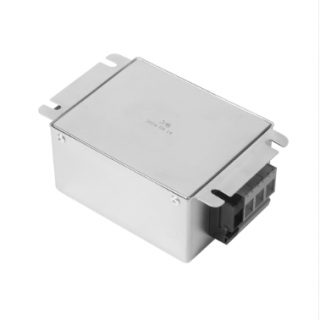
Brand:Fonyun Model:FYLn-22t/T-300/420A-S Minimum:1 Unit:piece Input power range:100-240VAC temperature:-15℃~+70℃ Isolation resistance:200MQ
-
 Contact Us
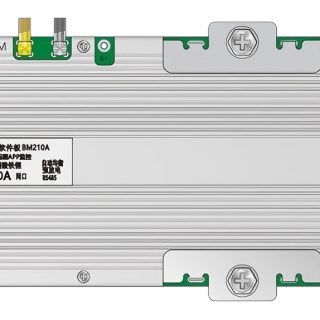
The BM210A is a high-performance Battery Management System (BMS) designed for lithium battery packs.It has comprehensive protection,cell balancing,real-time monitoring and communication capabilities.
-
 Contact Us
This modular energy storage chassis features a 1037Wh, 48V battery pack, perfect for mobile energy needs.
-
 Contact Us
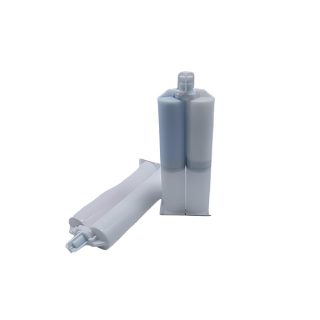
ZS-GF-AB30 is a kind of appearance paste two-component molding high thermal conductivity silicone gel, can be heated curing, with the characteristics of the higher the temperature the faster the curing. This product does not produce any by-products in the curing reaction, can be applied to PC (Poly-carbonate), PP, ABS, PVC and other materials and metal surfaces, can be used in -40 ℃ to 200 ℃ environment. It can be used in the environment from -40℃ to 200℃. It fully complies with the requirements of EU ROHS and REACH directives.
-
 Contact Us
G-11 glass epoxy shares many similarities with G-10. It’s made from a halogen-free epoxy resin and woven fiberglass substrate.
Reviews
There are no reviews yet.