
How to Choose Best Hand Diaphragm Pump for Asia in 2026
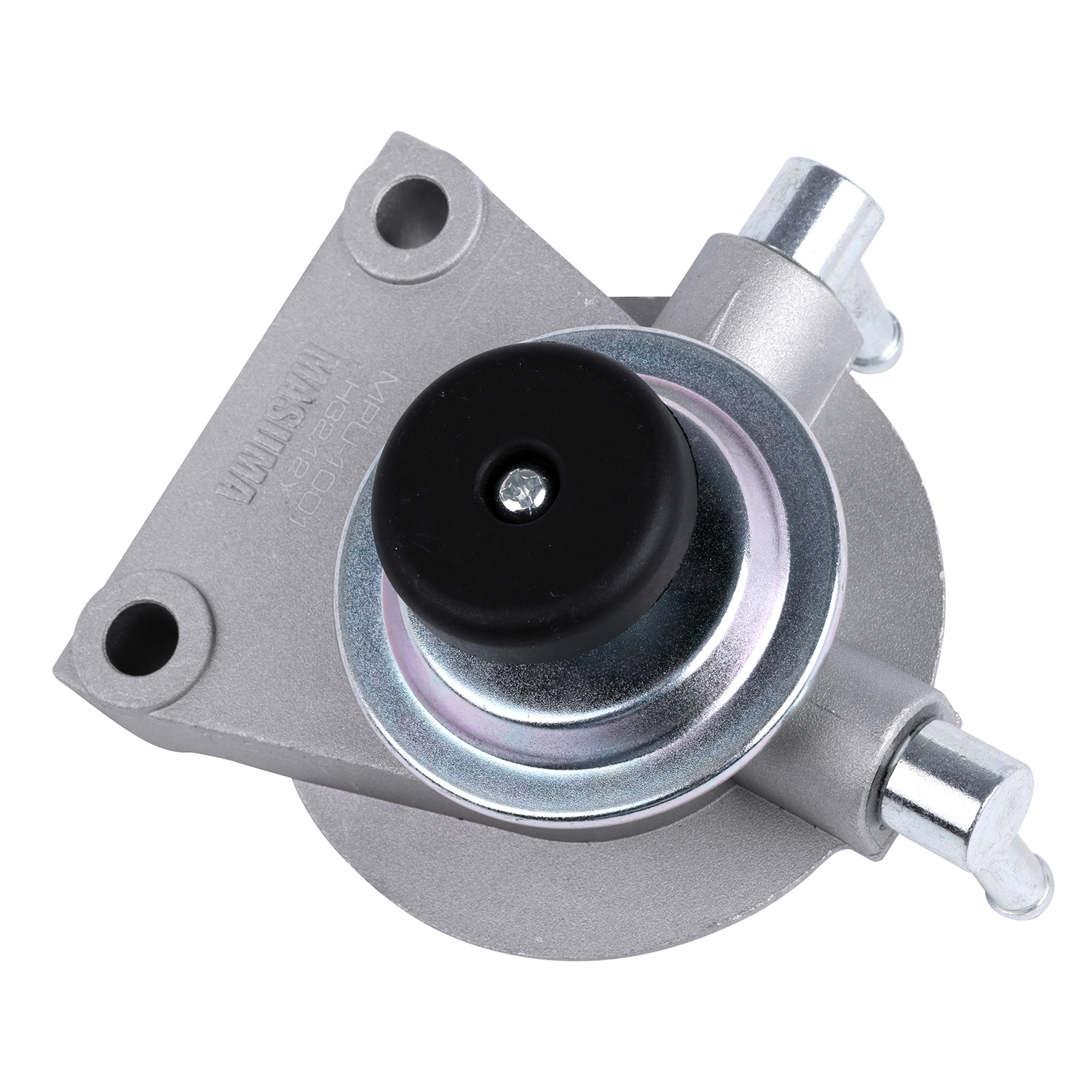
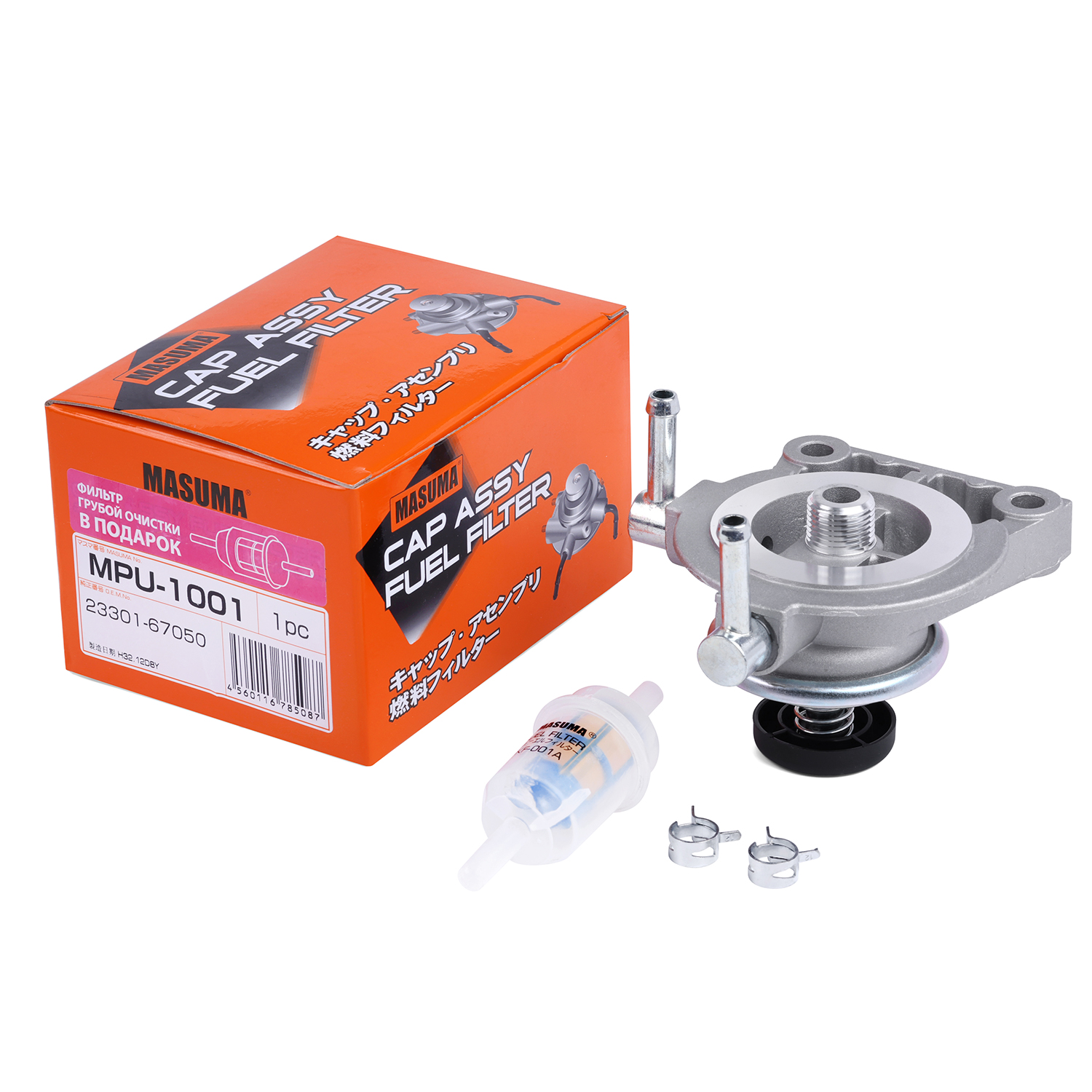
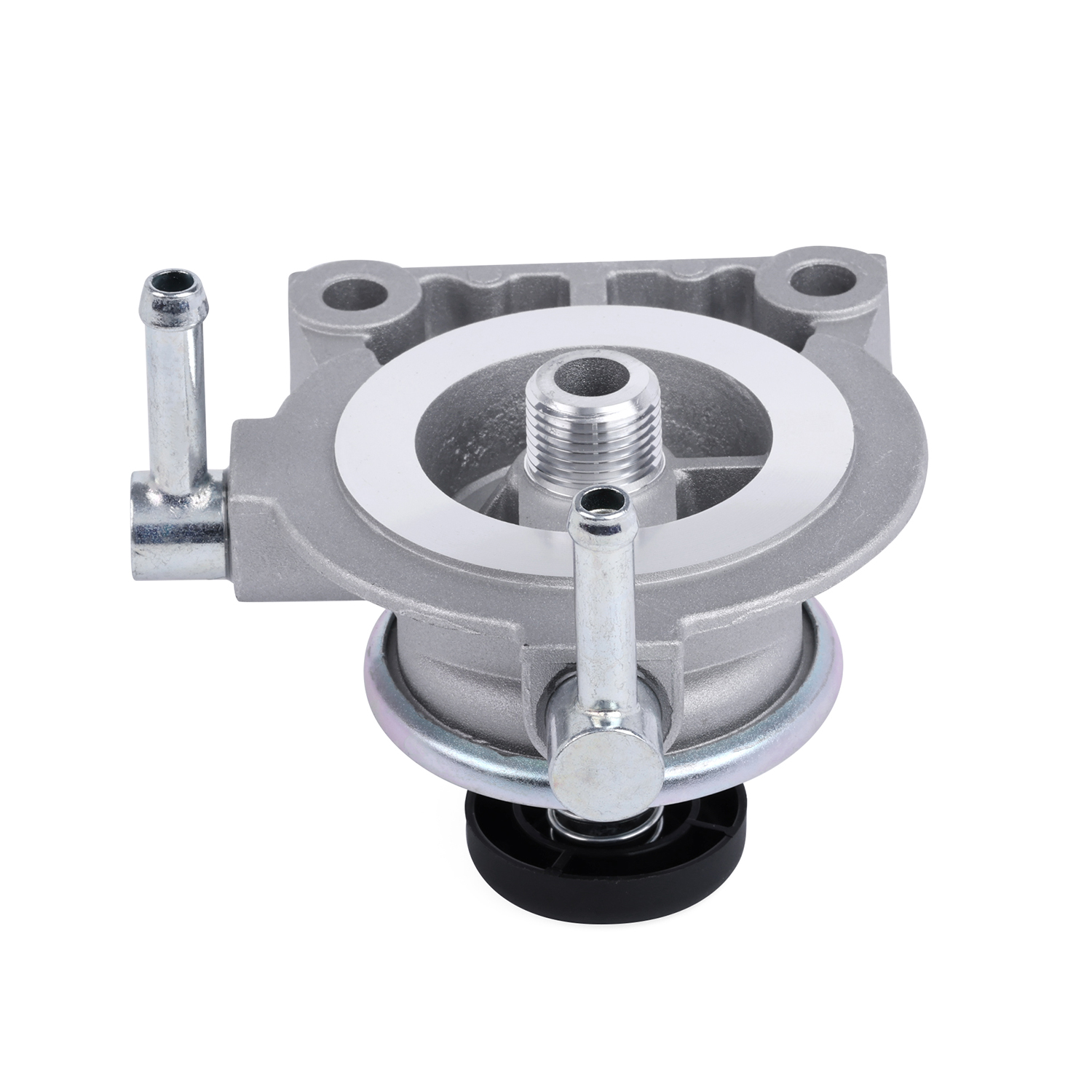
Hand Diaphragm Pump is designed for efficient fuel system priming and fluid transfer. Made with durable, fuel-resistant materials, it helps remove air from fuel lines and ensures smooth fuel delivery.
Understanding the Role of a Hand Diaphragm Pump in Workshop Operations
For automotive repair stations and assembly lines across Asia, a hand diaphragm pump is a small but essential tool in daily fuel system maintenance. By definition, this is a manual pump used for drawing fuel and removing air from oil and fuel lines. Its core purpose addresses a very specific and recurring workshop pain point: air locks in fuel lines that prevent engine starting during assembly or after refueling. Any workshop that has experienced a stalled installation because trapped air blocked fuel flow understands why this component deserves careful evaluation before purchase.
Why Air Locks Remain a Persistent Challenge
Air locks occur whenever a fuel line has been disconnected, drained, or exposed to atmosphere—situations common during vehicle assembly, component replacement, or emergency refueling after a tank runs dry. Without a reliable way to manually purge air and re-prime the line, technicians face repeated cranking attempts that waste time and strain the starter and battery. This is precisely the scenario a hand diaphragm pump is engineered to resolve, making its mechanical reliability a direct factor in workshop efficiency.
Core Criteria Workshop Buyers Should Evaluate
Structural Durability Under Repeated Manual Operation
Because a diaphragm pump is operated manually and often repeatedly during a single job, fatigue resistance of its internal components is a primary selection criterion. A pump built with a 45# steel piston pull rod and oil pipe that withstands over 200,000 operations without structural failure gives workshops confidence that the tool will hold up across years of assembly-line or repair-bay use, rather than failing after a few dozen pump cycles.
Sealing Reliability to Prevent Air and Oil Leaks
A diaphragm pumpthat leaks air or oil defeats its own purpose. Sealing performance depends heavily on the O-ring material used inside the pump body. A fluorosilicone rubber O-ring, described as a polymerized sealing ring, is specifically designed to prevent air and oil leaks, which is the exact failure mode that would otherwise reintroduce the very air locks the pump is meant to clear.
Valve Spring Longevity
The one-way valve spring inside the pump determines how consistently fuel is drawn in one direction without backflow. Springs made from Korean 304 stainless steel are rated to endure over 2 million resilience cycles, a figure that reflects the kind of long-term mechanical fatigue testing workshop buyers should look for when comparing options, since valve spring failure is a common root cause of pump underperformance over time.
Housing Construction and Impact Resistance
The outer shell of a hand diaphragm pump is exposed to workshop handling, drops, and general wear. A die-cast aluminum shell with stamped upper and lower glands is built to resist impact, an important consideration for tools that move between technicians, vehicles, and storage areas throughout a working day.
Engineering Approach Behind Reliable Fuel Priming Tools
The reliability characteristics described above do not exist in isolation—they reflect a broader engineering philosophy. MASUMA, a brand serving the global automotive aftermarket, positions itself as a provider of high-tolerance, durable automotive replacement parts designed through reverse engineering and rigorous durability testing. This approach is relevant to workshop buyers because it means components such as the hand diaphragm pump are not simply manufactured to a minimum specification, but are developed with attention to the wear conditions they will actually face in the field, including the mechanical fatigue cycles associated with repeated manual pumping and valve operation.
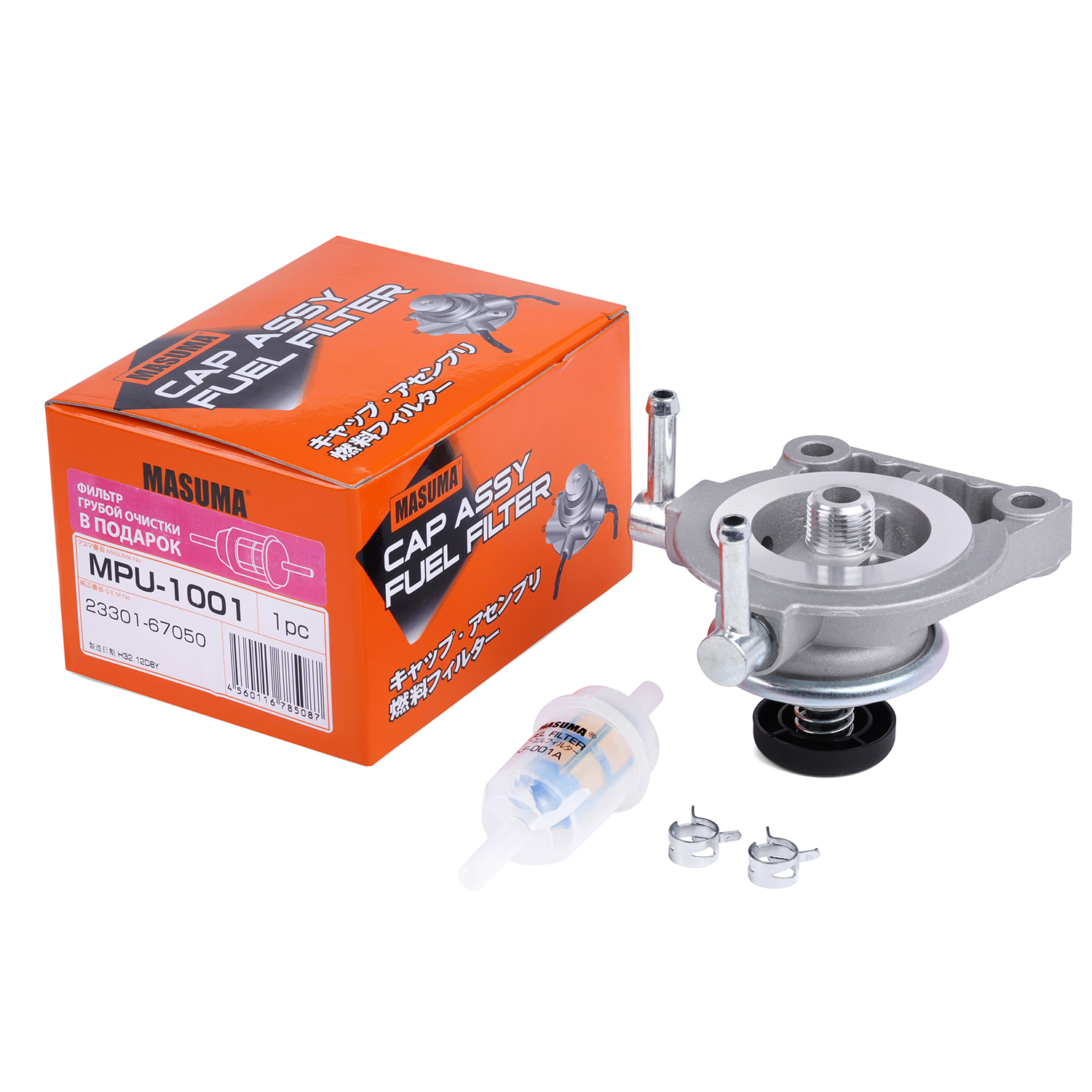
MASUMA‘s broader industry pain point insight centers on resolving engine performance drops, power losses, fuel inefficiencies, and starting failures caused by component wear, poor sealing, carbon buildup, and electrical leakage. A fuel line air lock is functionally a starting failure caused by an interrupted fuel path, which places the hand diaphragm pump squarely within this stated problem set.
Matching Pump Specifications to Workshop Use Cases
When selecting a hand diaphragm pump, Asian workshops should also consider how the tool’s intended deployment aligns with their operational needs. This product is delivered as a hardware component and is specifically adapted for automotive assembly lines and emergency fuel priming. This dual adaptation is useful for procurement decisions: a workshop that primarily handles vehicle assembly will value the pump for line priming during installation, while a repair station focused on breakdown recovery will rely on it for emergency situations such as restoring fuel flow after a vehicle has run out of fuel.
This aligns with the wider customer base such tools typically serve, including aftermarket replacement parts distributors, automotive repair stations, and machinery fleet operators, all of whom operate within automotive passenger vehicle service, commercial transportation, or road construction machinery environments where fuel system downtime has a direct operational cost.
Fitting Into a Broader Fuel Delivery Ecosystem
A hand diaphragm pump does not operate in isolation from the rest of a vehicle’s fuel delivery system. It belongs to a fuel delivery product line positioned around electronic fuel injection and fuel delivery components more broadly. Workshops that stock a hand diaphragm pump alongside related fuel delivery hardware are better positioned to diagnose and resolve fuel system issues comprehensively, rather than treating air lock removal as a standalone task disconnected from overall fuel line integrity.
Practical Checklist for Procurement Teams in Asia
For workshop managers and procurement teams evaluating hand diaphragm pump options, the following factors summarized from the criteria above provide a practical basis for comparison:
- Confirm the piston pull rod and oil pipe material and its rated operational cycle life, looking for validated figures such as over 200,000 operations.
- Verify the O-ring material is suited to fuel and oil exposure, such as fluorosilicone rubber, to prevent leak-related failures.
- Check the valve spring material and cycle rating, with stainless steel springs rated for millions of resilience cycles offering stronger long-term assurance.
- Assess housing construction, favoring die-cast aluminum shells with stamped glands for impact resistance during daily handling.
- Confirm the delivery model suits on-premises hardware replacement needs, and that after-sales support includes installation procedures and maintenance specifications matching vehicle manufacturer standards.
Applying these criteria systematically allows workshops across Asia to move beyond guesswork and select a hand diaphragm pump based on documented material choices and tested performance figures rather than assumptions. Given the recurring and often time-sensitive nature of air lock issues in fuel systems, investing attention in this selection process directly supports smoother assembly operations, faster emergency response, and reduced downtime across passenger vehicle, commercial transportation, and machinery fleet settings.
Related products
-
-
 Contact Us
As a reputable manufacturer specializing in welding fabrication parts, we are proud to offer a wide range of welded structure parts for various engineering machinery
-
 Contact Us
Wuxi Aojin Hydraulic Machinery Co., Ltd. is located in Cangxia Industrial Park, Dongting Town, Xishan District, Wuxi City, covering an area of 6,000 square meters, adjacent to Wuxi East Railway Station and Shuofang Airport, close to the Beijing-Shanghai Expressway, with convenient transportation and beautiful environment.
-
 Contact Us
We are ATLAS COPCO OIS I-04 C80 VSD+ 1616772590 supplier and provide replacement parts for major air compressor manufacturers.
-
Reviews
There are no reviews yet.