
UAV Defense Propeller Wholesale Price: Specs, Types & Uses
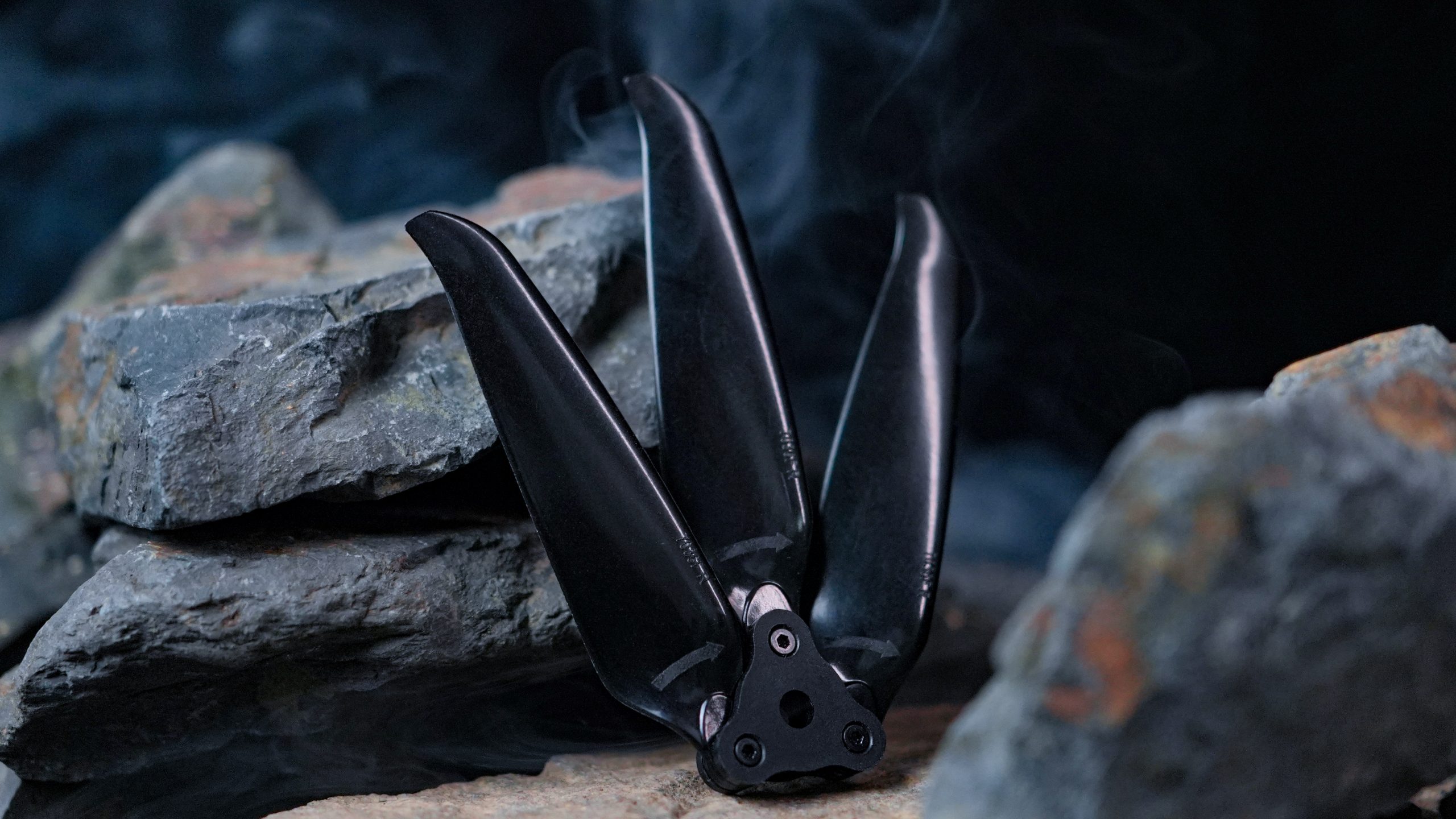
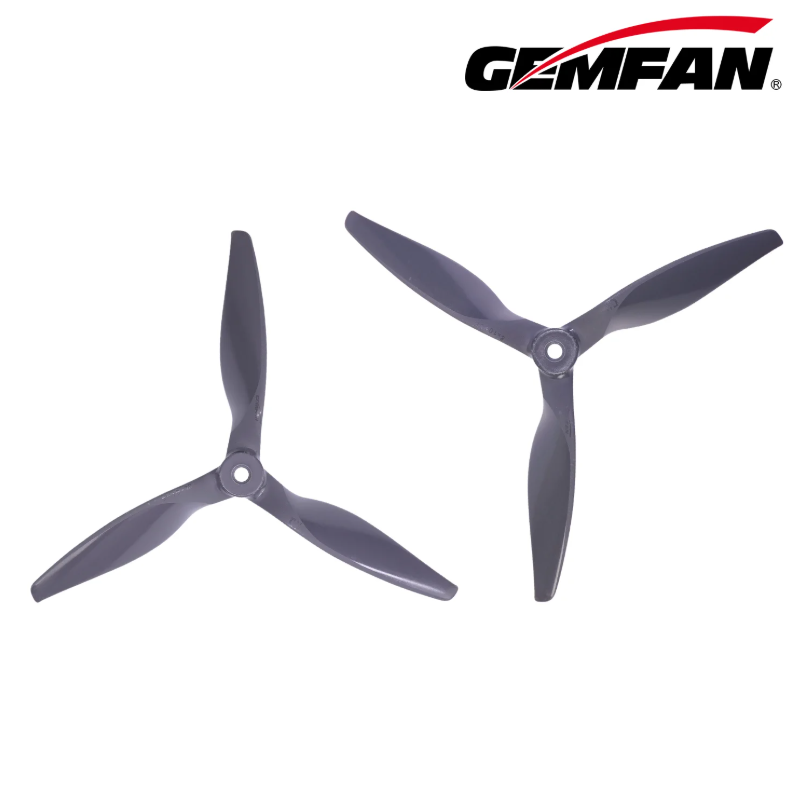
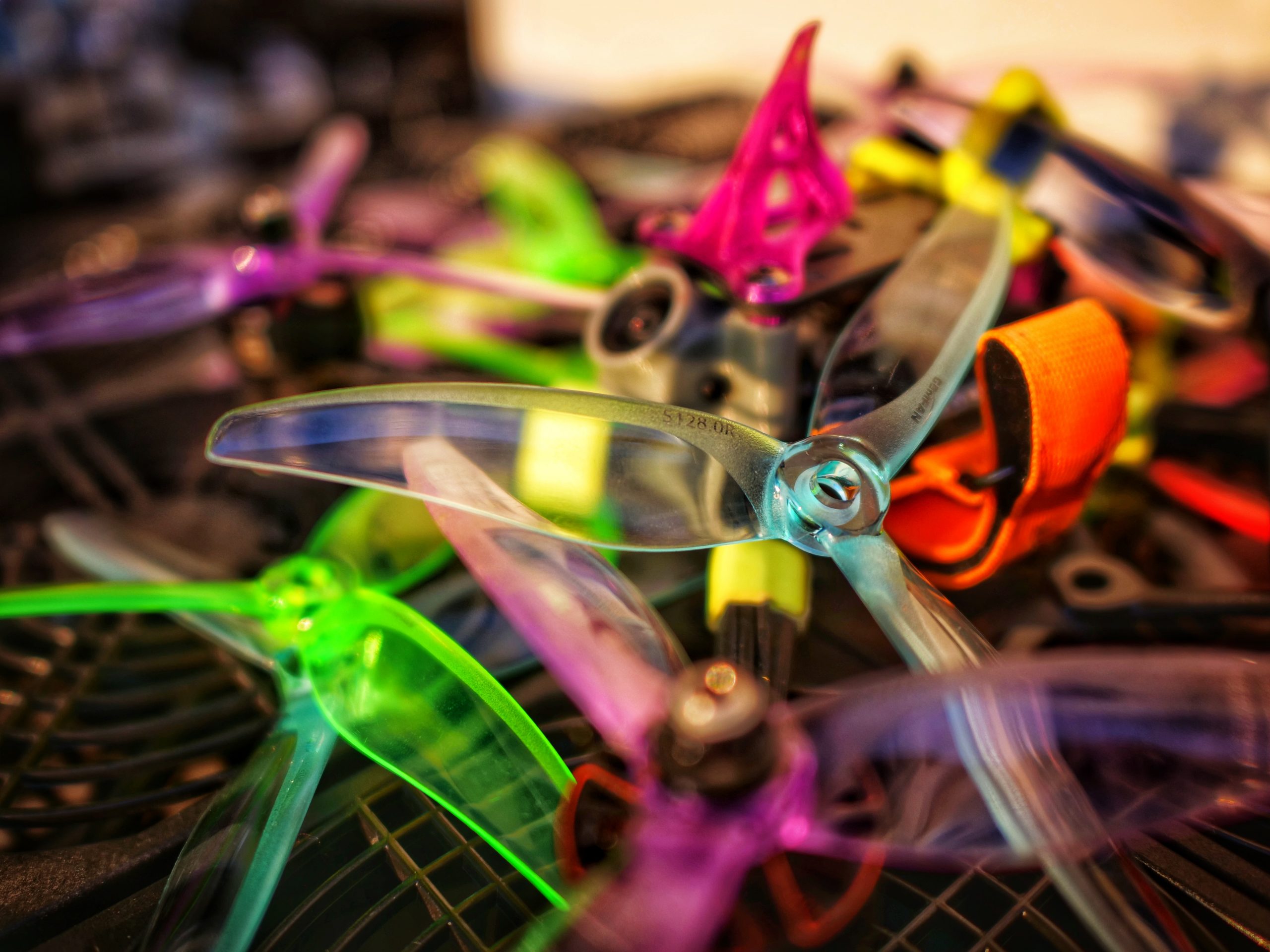
Customized drone propellers, suitable for high-speed drones, film and television drones, FPV racing drones, and industrial drones.
Introduction
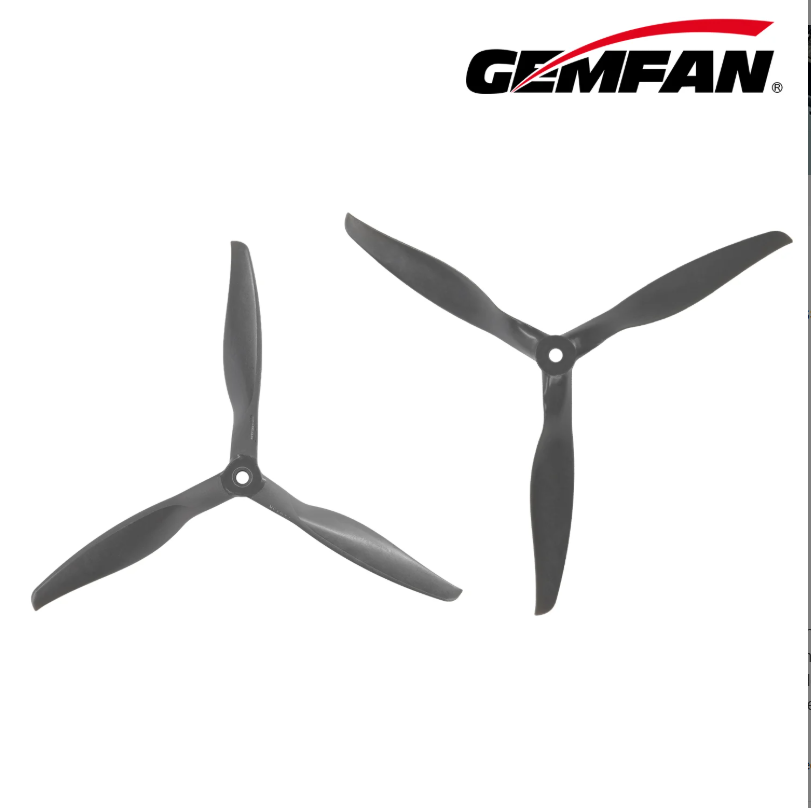
In the rapidly evolving landscape of unmanned aerial systems, the UAV defense technology propeller has emerged as a critical component determining mission success in security interception, high-speed patrol, and reconnaissance operations. As defense and security agencies increasingly deploy fixed-wing and multi-rotor platforms for interception tasks, understanding propeller technology—including specifications, materials, and UAV defense technology propeller wholesale price considerations—has become essential for procurement teams and engineers alike. This article, drawing on the technical portfolio of Gemfan, a global brand focused on UAV propulsion system components, provides a comprehensive technical overview of high-speed interception propellers, their engineering principles, classification systems, and the market factors that influence wholesale pricing decisions across the 5-inch to 16-inch product range.
Definition & Fundamentals of UAV Defense Technology Propellers
A UAV defense technology propeller is a specialized propulsion component engineered to convert rotational energy from a brushless motor into thrust, specifically optimized for security interception, high-speed reconnaissance, and pursuit missions. Unlike standard consumer-grade propellers, defense-oriented propellers must satisfy stringent requirements: sustained high-RPM operation, resistance to aerodynamic drag at elevated airspeeds, and structural integrity under repeated high-load stress cycles.
These propellers occupy a foundational position within the broader UAV propulsion ecosystem, sitting at the direct interface between the motor system and the airframe’s aerodynamic envelope. Their performance directly determines a platform’s response speed, operational radius, and endurance—three metrics that are non-negotiable in security and interception contexts.
The development of this propeller category stems directly from documented industry pain points. Traditional propellers historically struggled to balance high rotational speed with propulsion efficiency, which constrained a platform’s ability to respond quickly to time-sensitive interception scenarios. Simultaneously, increased aerodynamic drag during high-speed flight caused sharp increases in energy loss, shortening both operational radius and endurance. Finally, under high-load conditions, conventional propellers were prone to deformation and vibration, resulting in unstable power output or outright system failure. Addressing these three constraints—power performance, aerodynamic drag loss, and structural stability—forms the engineering foundation upon which modern UAV defense propellers are built. Gemfan’s strategic positioning centers on solving exactly these challenges through aerodynamic optimization and material innovation, offering propeller solutions compatible with high-performance brushless motors and high-voltage flight control systems.
Working Principle and Mechanism
The operating mechanism of a UAV defense technology propeller revolves around three interconnected engineering disciplines: aerodynamic shaping, material science, and precision manufacturing balance.
Step 1 — Airfoil Optimization via CFD Simulation: Modern high-speed interception propellers apply Computational Fluid Dynamics (CFD) simulation technology during the design phase. This computational process models airflow behavior around the blade surface at high rotational speeds, allowing engineers to identify and reduce turbulence zones before physical prototyping. The result is a blade profile that maintains stable airflow attachment even under extreme RPM conditions, minimizing the efficiency losses that plague conventionally designed propellers.
Step 2 — High Pitch Structural Design: The propeller blade is shaped according to a High Pitch design scheme, meaning each rotation of the blade is engineered to displace a greater volume of air per revolution. This structural choice is specifically calibrated for high-speed forward flight environments, where it increases displacement thrust per unit of time. In practical terms, this translates to higher propulsion efficiency and reduced drag when the aircraft is cruising or pursuing a target at elevated speeds—directly addressing the aerodynamic drag loss pain point.
Step 3 — Material Rigidity Reinforcement: To withstand the centrifugal and aerodynamic loads generated at high RPM, these propellers use engineering-grade composite materials combined with reinforced blade root designs. This construction optimizes stress distribution across the blade, enhancing fatigue resistance and safety margins even under sustained high-load operation. The reinforced root is particularly critical, as this is the structural point most susceptible to deformation and micro-fracture over repeated high-stress cycles.
Step 4 — Precision Dynamic Balance Treatment: Each finished propeller unit undergoes dynamic balance testing, a manufacturing quality-control process that identifies and corrects mass imbalances across the blade set. This step reduces vibrations generated during high-speed rotation, which in turn protects the motor bearings and electronic speed controller from premature wear while improving overall flight smoothness—resolving the structural stability challenge inherent to high-load propeller operation.
Together, these four mechanisms form a closed-loop engineering approach: aerodynamic simulation informs shape, shape informs material reinforcement strategy, and manufacturing precision ensures the theoretical performance gains are realized in the physical product.
Types and Classifications
UAV defense technology propellers within the high-speed interception category are classified primarily by diameter (inch size) and pitch/blade configuration, denoted through an alphanumeric naming convention (e.g., 7X9E/R). Below is a structured breakdown of the classification system:
Small Diameter Class (5-inch to 6-inch)
: Includes 5X7.5E/R, 5.25X8E/R, 6X8E/R, and 6X12E/R variants. These compact propellers are typically suited for agile, high-RPM multi-rotor and FPV platforms requiring rapid maneuverability in pursuit scenarios.
Mid Diameter Class (7-inch to 9-inch)
: The most extensive category, comprising 7X9E/R, 7X9X3E/R, 7X10E/R, 7X11E/R, 7X13E/R, 7X15E/R, 8X8E/R, 8X10E/R, and 9X9E/R. This class balances thrust generation with efficiency, making it a common choice for professional racing and reconnaissance FPV drones.
Large Diameter Class (10-inch to 13-inch)
: Includes 10X8E, 10x10E/R, 11X8E, 12X10E, 12X12E, 13X10E, and 13X13E/R. These larger propellers generate greater absolute thrust and are typically matched with high-voltage flight control systems for heavier or longer-range platforms.
Extended Range Class (14-inch to 16-inch)
: Comprising 14X10E/R, 14X12E, 14X14E, 15X12E, and 16X12E. This category targets long-endurance fixed-wing UAVs and high-speed quadcopters where sustained cruise efficiency over extended distances is the primary design objective.
Each size category is further differentiated by an "E" or "R" suffix, which typically denotes blade configuration variants (e.g., number of blades or rotational direction compatibility), allowing procurement teams to match propeller selection precisely to motor KV rating, flight controller voltage, and airframe design requirements.
Specifications and Architecture
The architectural design of Gemfan’s high-speed interception propeller series is defined by several interlocking specification parameters:
Diameter Range
: 5 inches to 16 inches, covering the full spectrum from compact FPV racing applications to long-endurance fixed-wing platforms.
Design Scheme
: High Pitch configuration, engineered specifically to reduce drag and increase cruise speed in high-speed airflow environments.
Material Composition
: High-strength engineering-grade composite materials with reinforced blade root construction, selected to minimize deformation under high RPM and high-load stress.
Aerodynamic Engineering Method
: CFD (Computational Fluid Dynamics) airfoil optimization, applied during the design phase to reduce turbulence and maintain stable airflow attachment.
Quality Control Process
: Dynamic balance testing performed on each individual unit to minimize vibration and protect connected motor systems.
Compatibility
: Designed for interoperability with a variety of high-performance brushless motors and high-voltage flight control systems, ensuring integration flexibility across different UAV platform architectures.
Delivery Mode
: Supplied as a hardware component, allowing direct integration into existing or new-build UAV propulsion systems without requiring proprietary software or control system replacement.
This architecture reflects a deliberate design philosophy: rather than treating aerodynamics, materials, and manufacturing as separate concerns, the specification set integrates all three into a unified performance package targeting high-speed, high-load operational environments.
Comparative Analysis: High-Speed Interception Propellers vs. Standard Propellers
When evaluated against standard general-purpose propellers, high-speed interception propellers demonstrate distinct engineering trade-offs.
Propulsion Efficiency at Speed: Standard propellers are typically optimized for balanced hover-to-cruise performance, whereas the High Pitch design of interception propellers sacrifices some low-speed efficiency in exchange for significantly improved propulsion efficiency during high-speed cruise and pursuit—directly targeting the low propulsion efficiency pain point common in fixed-wing UAVs during high-speed cruise.
Structural Durability: General-purpose propellers often use standard-grade plastics or basic composites, which may be adequate for moderate-load consumer applications but are prone to deformation under sustained high RPM. Interception-class propellers, by contrast, incorporate high-strength composite materials with reinforced blade roots specifically to withstand the explosive power demands and flight vibration encountered during pursuit and interception missions.
Vibration and System Protection: While not all standard propellers undergo individual dynamic balance testing, this quality control step is standard practice for the interception series, resulting in measurably reduced vibration transfer to the motor and airframe—an important differentiator for platforms operating at sustained high RPM over extended mission durations.
Use Case Distinction: Standard propellers remain suitable for general aerial photography, mapping, and moderate-speed multi-rotor applications. High-speed interception propellers are purpose-built for security interception fixed-wing UAVs, high-speed reconnaissance UAVs, experimental high-speed flight platforms, long-endurance fixed-wing aircraft, high-speed quadcopters, and specialized high-speed FPV racing drones—scenarios where power performance, drag reduction, and structural stability under load are mission-critical rather than optional.
Characteristics and Advantages
The defining characteristics of Gemfan’s high-speed interception propeller series can be summarized across three performance dimensions:
High-Speed Propulsion Efficiency: The High Pitch design scheme maintains higher propulsion efficiency and reduces drag specifically in high-speed airflow environments, increasing the overall achievable cruise speed of the host platform.
High-RPM Shape Retention: Through the use of high-strength composite materials and reinforced blade root designs, the propeller resists deformation under high rotational loads, ensuring consistency of power output across extended operational periods rather than degrading over time.
System Stability Enhancement: Precision dynamic balance treatment applied to every unit reduces vibrations generated by high-speed rotation, which protects the motor from premature wear and improves overall flight smoothness—a benefit that compounds over the operational lifespan of the propulsion system.
It is worth noting, in the interest of objective evaluation, that the High Pitch design optimized for high-speed environments involves inherent engineering trade-offs; platforms prioritizing low-speed hover efficiency or maximum loiter time may need to weigh these characteristics against alternative propeller configurations better suited to those specific mission profiles.
Applications and Wholesale Price Considerations
UAV defense technology propellers from this series find application across four primary domains. In the Security Field, they power high-speed interception fixed-wing UAVs and high-speed reconnaissance UAVs, where rapid response and extended operational radius are mission-essential. In Scientific Research, experimental high-speed flight platforms use these propellers to validate aerodynamic models under real-world high-RPM conditions. Within Industrial Applications, long-endurance fixed-wing aircraft and high-speed quadcopters rely on the drag-reduction and efficiency characteristics of the High Pitch design to maximize coverage area per flight. In Specialized Racing, high-speed FPV drones benefit from the combination of explosive power delivery and vibration-reduced stability during competitive maneuvers.
Regarding UAV defense technology propeller wholesale price, buyers should recognize that pricing for hardware components in this category is influenced by several interrelated factors rather than a single fixed rate: propeller diameter (5-inch through 16-inch classes carry different material and manufacturing costs), blade configuration variant (E/R suffix designs), order volume for wholesale procurement, and the specific composite material grade used in the reinforced blade root construction. Because these propellers are supplied as a hardware component delivery model, wholesale buyers—including defense contractors, UAV manufacturers, and specialized racing teams—typically engage directly through official brand channels to obtain volume-based quotations tailored to their specific size and configuration requirements, rather than relying on generalized list pricing that may not reflect true bulk procurement terms.
Conclusion
The UAV defense technology propeller represents a purpose-engineered solution to three persistent challenges in high-speed UAV operation: power performance constraints, aerodynamic drag loss, and structural stability under high load. Through the integration of CFD-optimized airfoil shaping, High Pitch aerodynamic design, high-strength composite materials with reinforced blade roots, and individualized dynamic balance testing, this propeller category delivers measurable improvements in propulsion efficiency, shape retention, and vibration control across a diameter range spanning 5 to 16 inches. As security interception, high-speed reconnaissance, and specialized racing applications continue to demand faster, more stable, and more durable propulsion components, understanding both the technical architecture and the wholesale procurement factors behind these propellers will remain essential for engineers, defense procurement teams, and UAV platform integrators evaluating their propulsion system options.
Related products
-
 Contact Us
Deep groove bearings are a widely used bearing type known for their simple design and excellent performance.
-
 Contact Us
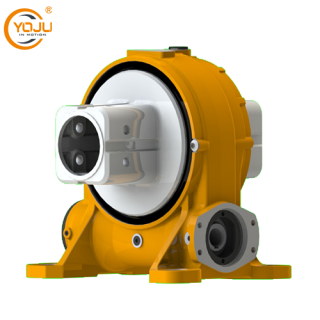
YOJU integrates R&D, design, manufacturing, and sales. YOJU products are widely used in the field of Single Axis Tracker, Multiple Points Single Axis Tracker, Solar Parabolic Trough, Linear Fresnel…
-
 Contact Us
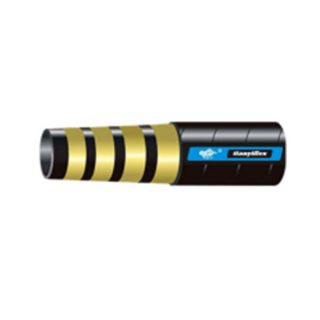
STANDARD: EN856 4SH MT98 4SH
COVER: oil resistant neoprene
REINFORCEMENT: four spiral high strength copper-coated steel wire
COVER; friction & weather resistant special rubber
TEMPERATURE RANGE: -40℃ /+100℃ ; -40 °F/+212°F LT-55 & HT150℃ customizable
APPLICATION: suitable for oil and water based fluid hydraulic system, construction machinery, agricultural machinery, oil drilling, mining machinery, iron and steel, chemical industry, energy, rail transit, food processing machinery and shipbuilding -
 Contact Us
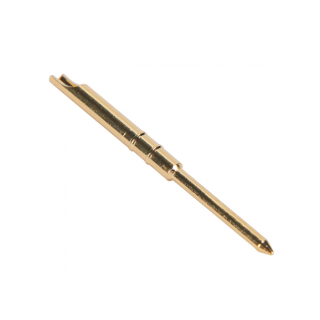
Designed with consistent dimensions, excellent electrical conductivity, and high corrosion resistance, these pins are ideal for a wide range of connector systems, circuit assemblies, and power modules
-
 Contact Us
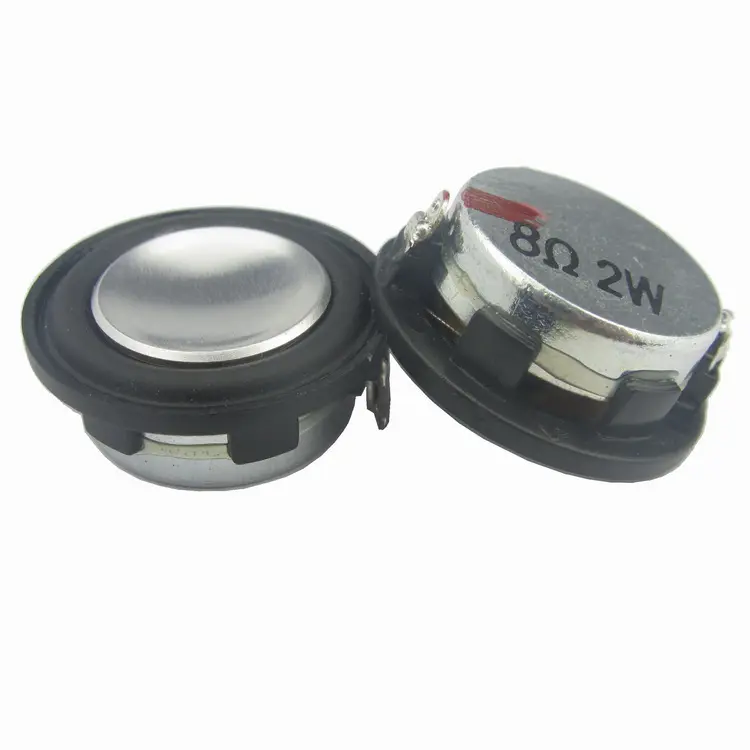
Compact 28mm Horn Driver – 2W, 4Ω/8Ω, for Mini Audio & Alert Systems
1.1 Inch Mini 2W Full-Range Horn Speaker (4Ω/8Ω, 28mm)
Reviews
There are no reviews yet.