
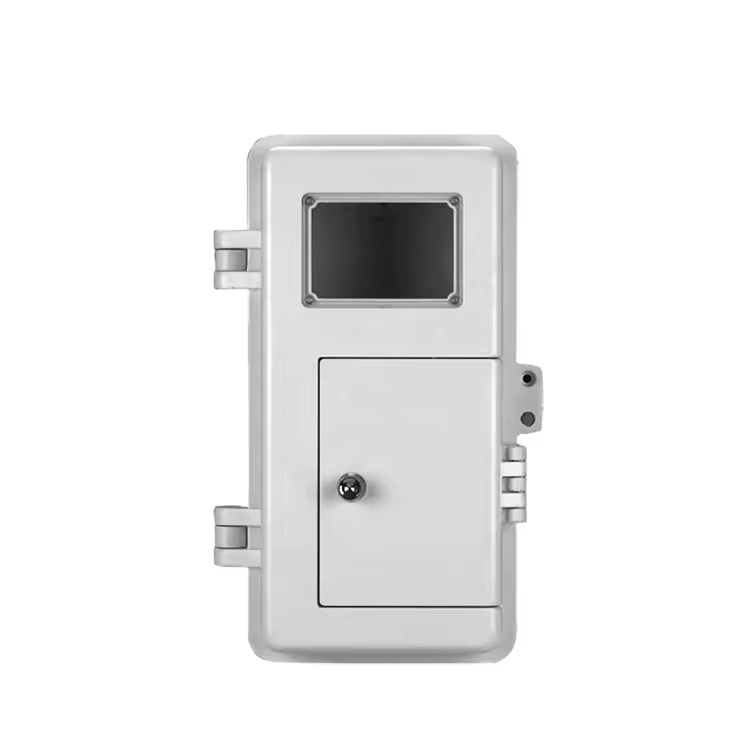
P111 Meter Box
The foreign trade meter box is a core terminal electrical distribution device designed for electric energy metering, power distribution and circuit protection, serving as a key connection between power supply departments and end users.
Electrical meter boxes play an essential role in modern power distribution systems. They provide a secure enclosure for energy meters and electrical protection components while helping utilities, contractors, and property developers manage electricity consumption safely and efficiently.
For international power distribution projects, selecting the right meter box involves more than considering its size or appearance. Material quality, protection ratings, installation methods, electrical specifications, and local compliance requirements all influence long-term performance.
For overseas buyers, distributors, and electrical contractors, understanding these factors can help ensure that the selected meter box meets project requirements and local grid conditions.
1. Choose the Right Material for the Installation Environment
The enclosure material directly affects the durability, safety, and service life of an electrical meter box. Different environments require different material characteristics.
Cold-Rolled Steel and Galvanized Steel
Metal meter boxes are widely used in applications where structural strength and mechanical protection are important. Cold-rolled steel provides good rigidity, while galvanized steel offers additional corrosion resistance.
Common surface treatments include electrostatic powder coating and hot-dip galvanizing. These treatments help protect the enclosure against rust, corrosion, and environmental exposure, making metal meter boxes suitable for residential, commercial, and industrial installations.
ABS and PC Engineering Plastics
Plastic meter boxes offer lightweight construction and excellent electrical insulation properties. ABS and polycarbonate materials can be selected for applications requiring flame-retardant performance, resistance to aging, and protection against moisture and dust.
Certain plastic configurations can achieve UL94 V0 flame-retardant performance, making them suitable for low-voltage residential and commercial distribution applications.
304 and 316 Stainless Steel
For installations in coastal regions, chemical industrial areas, and high-humidity environments, stainless steel meter boxes provide enhanced corrosion resistance.
Grades 304 and 316 are suitable options when long-term durability under demanding environmental conditions is a priority.
The material selection should always consider the installation location, environmental exposure, required protection level, and applicable electrical standards.
2. Consider the Required Protection Rating
Outdoor electrical equipment must withstand environmental factors such as rain, dust, moisture, sunlight, and temperature fluctuations.
The IP protection rating is therefore an important consideration when selecting a meter box.
Indoor meter boxes commonly use IP44 or IP54 protection configurations, depending on the application. For outdoor installations, IP54, IP65, or IP66 configurations can provide higher levels of protection against dust and water ingress.
For particularly demanding environments, customized higher-protection configurations may also be considered.
When evaluating protection requirements, buyers should consider:
-
Whether the equipment will be installed indoors or outdoors.
-
The level of exposure to rain, dust, and moisture.
-
Whether the installation is located in coastal or industrial environments.
-
The possibility of extreme temperatures and direct sunlight.
-
The maintenance and inspection requirements of the project.
Choosing an appropriate enclosure protection level helps reduce the risk of environmental damage and supports reliable electrical operation.
3. Select an Installation Structure That Matches the Project
Different power distribution projects have different installation requirements. Meter boxes are generally available in three main installation configurations.
Wall-Mounted Meter Boxes
Wall-mounted designs are suitable for residential buildings, shops, workshops, and other locations where wall installation is available. Their compact structure makes installation relatively straightforward.
Flush-Mounted Meter Boxes
Flush-mounted meter boxes are embedded into walls or columns. They help save installation space and provide a cleaner appearance, making them suitable for residential developments, commercial buildings, and municipal projects.
Pole-Mounted Meter Boxes
Pole-mounted designs use dedicated mounting brackets for outdoor utility pole installation. They are commonly used in rural power distribution networks, suburban roads, and public electrical infrastructure.
Selecting the correct installation configuration helps simplify construction and improves accessibility for future inspection and maintenance.
4. Match Metering Capacity to Actual Electricity Requirements
Metering capacity is another important factor in meter box selection.
Single-user meter boxes are commonly used in individual houses, small commercial premises, and independent workshops. Multi-user configurations are designed for applications involving multiple electricity consumers.
Available configurations can include 2-way, 4-way, 6-way, 8-way, 12-way, 18-way, and 24-way designs, with additional capacities available through customization.
For apartment buildings, residential communities, industrial parks, and collective power distribution projects, selecting an appropriate multi-way configuration can help simplify electrical management and installation planning.
Buyers should confirm the number of users, meter dimensions, internal component arrangement, and available installation space before placing an order.
5. Pay Attention to International Electrical Standards
For overseas electrical projects, a meter box must be compatible with the electrical requirements and regulatory framework of the destination market.
Different countries may use different voltage levels, operating frequencies, installation practices, and certification systems.
Common electrical configurations include 110V, 220V, and 380V AC, with 50Hz or 60Hz operating frequencies.
Depending on the target market, buyers may need to consider standards and requirements such as IEC, CE, RoHS, REACH, ANSI, BS, or AS/NZS.
It is important to verify the exact compliance requirements for the destination country and the complete electrical assembly. Enclosure material certification, component compliance, and finished-product certification should not be treated as interchangeable.
Working with a manufacturer that understands export requirements can help reduce compatibility issues during project implementation.
6. Why Customization Matters for International Buyers
Standard meter box configurations may not always meet the specific requirements of overseas power distribution projects.
Differences in electrical standards, installation environments, metering capacity, and local market preferences often make customization necessary.
A professional meter box supplier should be able to provide customization in several areas:
-
Structural design: Adjust enclosure dimensions, mounting holes, internal layouts, and metering capacity.
-
Material selection: Choose between steel, galvanized steel, ABS, PC, and stainless steel.
-
Electrical configuration: Adapt voltage, frequency, current ratings, and internal component arrangements.
-
Protection upgrades: Configure higher IP ratings, anti-theft locks, rain covers, and other protective accessories where required.
-
Appearance customization: Provide different colors, company logos, product labels, and local-language safety instructions.
-
Export packaging: Use suitable export packaging to protect products during international transportation.
These options allow distributors, contractors, and project developers to source products that better match their local requirements.
7. Consider Integrated Electrical Accessories
A meter box is not simply an enclosure. Its internal electrical components also play an important role in the overall performance of the distribution system.
Depending on project requirements, supporting accessories may include:
-
Single-phase or three-phase energy meters.
-
Air circuit breakers.
-
Residual current circuit breakers and RCBOs.
-
Surge protection devices.
-
Contactors.
-
Copper terminals and terminal blocks.
-
Insulated wiring and cable glands.
-
Mounting brackets and anti-theft locks.
Some outdoor configurations may also require additional accessories such as heat dissipation fans, dehumidifiers, or lightning protection devices.
Purchasing compatible components and enclosures from one supplier can simplify procurement, assembly coordination, and project management.
However, all internal components must be correctly selected and coordinated according to the rated electrical parameters and applicable safety requirements.
8. Evaluate Manufacturing Quality and After-Sales Support
For overseas buyers, product quality is only one part of a successful procurement decision. Manufacturing consistency, technical documentation, delivery reliability, and after-sales support are equally important.
Before selecting a supplier, buyers should pay attention to several factors:
Quality Control: Check whether the manufacturer conducts raw material inspections, insulation resistance testing, withstand voltage testing, and relevant enclosure performance inspections.
Technical Documentation: Confirm the availability of installation drawings, product specifications, wiring diagrams, and English-language manuals.
Export Experience: Evaluate whether the supplier can coordinate international shipping and prepare the necessary export documentation.
Warranty and Spare Parts: Understand the warranty coverage for the enclosure and electrical components, as well as the availability of replacement parts.
These considerations help buyers assess whether a manufacturer can support not only initial procurement but also long-term project operation.
Conclusion
Choosing the right electrical meter box requires a comprehensive evaluation of material properties, protection ratings, installation methods, metering capacity, and electrical compatibility.
For international power distribution projects, customization and compliance with local electrical requirements are particularly important. A suitable meter box should provide reliable enclosure protection while accommodating the specific needs of residential, commercial, industrial, and municipal applications.
By working with an experienced manufacturer offering flexible configurations, supporting electrical accessories, quality control, and export services, buyers can simplify procurement and improve the reliability of their power distribution projects.
Ultimately, the right meter box is not just an electrical enclosure. It is an important component in building a safe, organized, and dependable electricity distribution system.
Related products
-
 Contact Us
Designed for multi-module installation, this battery features high compatibility BSM, ensuring seamless integration with leading inverter brands for reliable and efficient energy storage.
-
-
 Contact Us
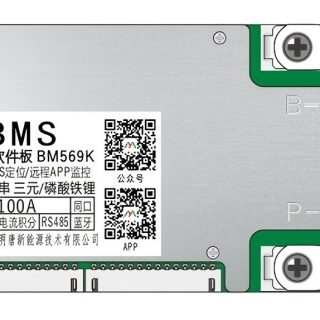
BM569K / BM569KO Battery Management System (BMS) is a high-performance solution designed for electric vehicles, battery swapping systems, and rental batteries.
-
 Contact Us
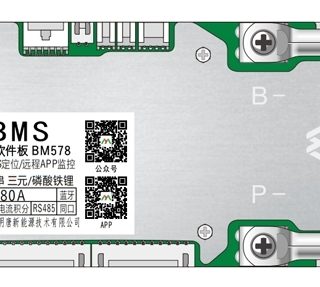
The BM578 is a high-performance BMS for applications like battery leasing, shared mobility, AGVs, electric motorcycles, sightseeing cars, and golf carts.
-
 Contact Us
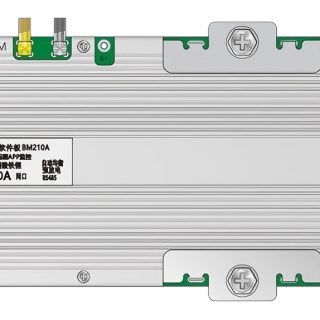
The BM210A is a high-performance Battery Management System (BMS) designed for lithium battery packs.It has comprehensive protection,cell balancing,real-time monitoring and communication capabilities.
Reviews
There are no reviews yet.