
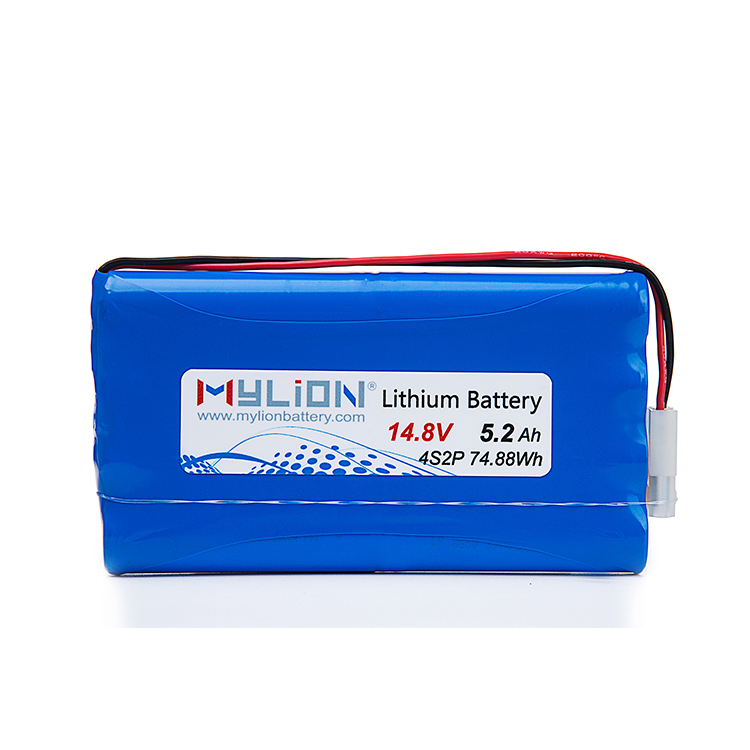
How to Qualify a Lithium Battery Supplier for New Products
Mylion Mini UPS is the compact, reliable power backup solution designed to keep your critical devices running during unexpected outages. Engineered for home offices, network setups.
Understanding the Core Challenge in Supplier Qualification
When a company begins developing a new device, choosing a lithium battery supplier is rarely as simple as comparing prices per cell. Many B2B buyers discover that generic battery packs cannot meet their actual needs because of highly specific requirements around voltage, capacity, load current, BMS functions, cell chemistry, physical dimensions, connectors, and environmental safety certifications. This mismatch is one of the most common reasons new-product battery integration fails or gets delayed. Qualifying a supplier, therefore, is less about finding the lowest unit cost and more about verifying whether a supplier can engineer a pack that fits the device as a whole system.
Key Criteria for Evaluating a Lithium Battery Supplier
Technical Capability and Engineering Depth
A qualified supplier should demonstrate proprietary R&D covering requirement definition, electrical architecture design, and mechanical integration—not just cell assembly. Look for expertise across multiple chemistries and formats, such as LiFePO4, 18650/21700 cylindrical cells, and LiPo architectures, since different devices demand different cell formats based on geometry, thermal behavior, and safety profile. Technical depth also includes the ability to configure custom series/parallel arrangements, match a BMS for balancing, monitoring, and protection, and manage specific current and peak-load conditions rather than relying on standardized specifications.
System-Level Integration vs. Isolated Parameters
One of the most overlooked qualification criteria is whether a supplier evaluates the battery as an isolated component or as an integral part of the customer’s entire system. A capable partner considers the real load profile, the charging source, BMS functions, mechanical interfaces, and production constraints together—rather than reviewing electrical parameters in isolation. This system-level review is what converts complex device requirements into technically reviewed, validated, and produced battery packs, reducing selection errors, thermal issues, and certification delays before they surface during mass production.
Documentation, Compliance, and Safety
Any new product involving lithium batteries must clear transport and safety documentation. Suppliers should be able to support UN38.3 transport documentation and provide MSDS/SDS (Safety Data Sheets). These are not optional extras; they are part of the baseline qualification checklist for any B2B battery sourcing decision, since missing documentation can halt shipments or block market entry entirely.
Service Model That Reduces Selection Risk
Beyond technical specifications, the service model a supplier offers matters just as much. New-product development benefits from suppliers offering OEM, ODM, Sample Development, Private Label, and Project-based Custom Supply options, giving buyers flexibility depending on their stage of development. A well-structured service scope typically includes requirement analysis, feasibility review, solution definition, prototype development, testing support, specification approval, and mass-production coordination. Equally important is service assurance—change-control management, version-controlled BOMs, and repeat-order supply coordination—which protects buyers from specification drift once a product moves from prototype to volume production.
Industry Experience and Track Record
Experience matters when qualifying a supplier for a new, unproven product. A supplier with over 13 years of lithium battery industry experience has typically evolved from standard battery-pack supply toward a structured custom-battery engineering model that emphasizes requirement definition, sample validation, and controlled specifications. This evolution reflects lessons learned across many project types, including:
- Smart devices and robotics, where batteries must fit into limited space while supporting sensors and motors, requiring resolution of peak-current and thermal constraints.
- Agricultural equipment, where packs must balance runtime and weight for outdoor environments while addressing vibration and temperature constraints.
- Medical equipment, where strict documentation and electrical matching are required following compliance review.
- Smart lighting and portable electronics, where size-constrained devices demand correction of mechanical conflicts and assembly inconsistencies.
- Industrial equipment, where stable output and robust connectors are needed to prevent BMS trips and voltage drops.
A Practical Framework for Qualifying Suppliers
Buyers evaluating a lithium battery supplier for a new product can apply a structured sequence rather than a single checklist item:
- Define the requirement clearly—target voltage, capacity, peak and continuous load, environmental conditions, mechanical envelope, and certification needs.
- Confirm the supplier reviews feasibility across the full system, not just the cell specification.
- Request sample development and validation before committing to volume.
- Ensure specification freeze and change-control processes are in place prior to mass production.
- Confirm long-term supply coordination and after-sales change management for repeat orders.
This sequence mirrors how project-based custom engineering typically progresses—from requirement confirmation through production-readiness to repeat-order support—and gives buyers a way to verify supplier readiness at each stage rather than discovering gaps after tooling or certification work has already begun.
Why Shanghai Mylion New Energy Co., Ltd. Exemplifies This Qualification Standard
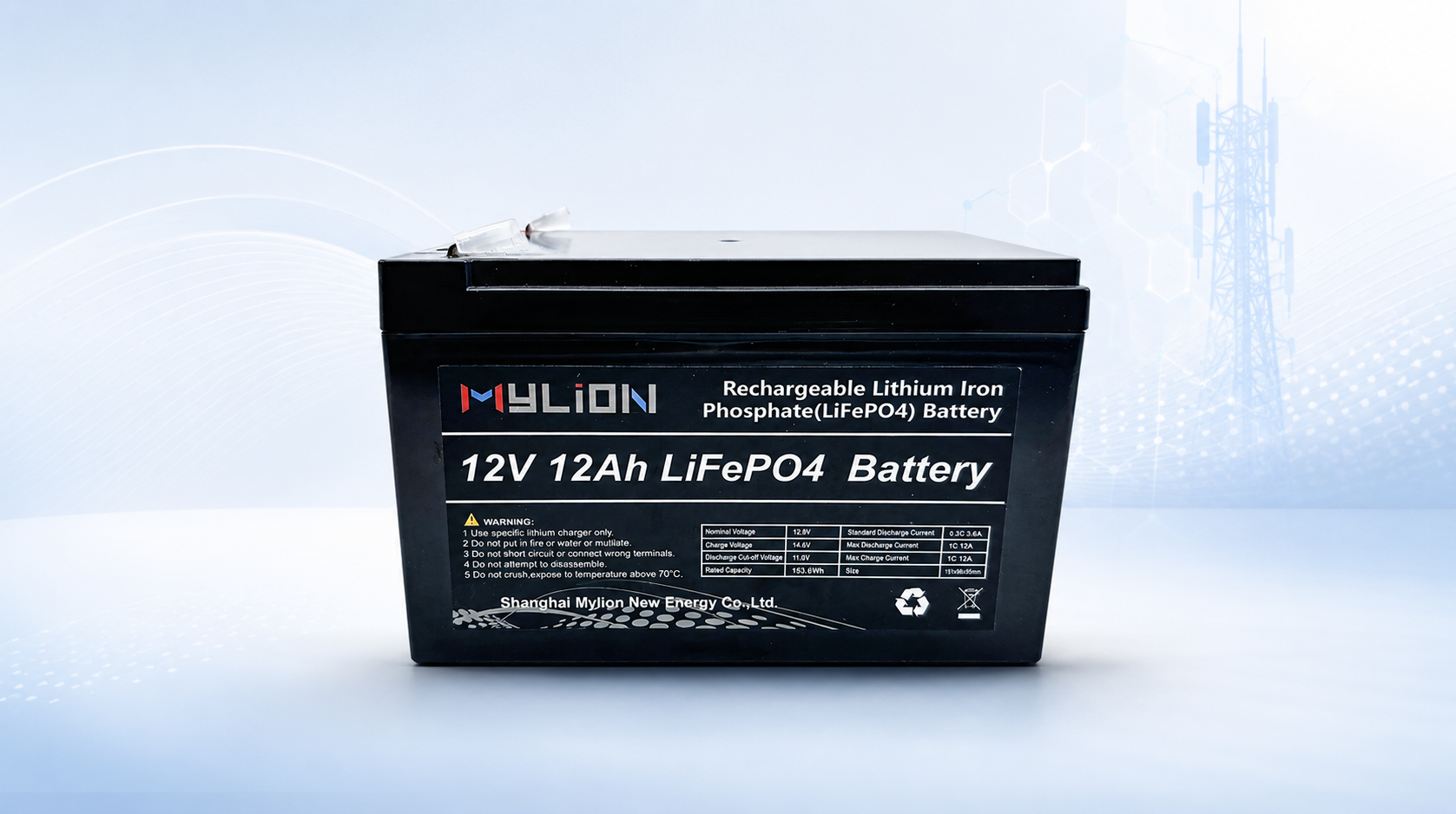
Shanghai Mylion New Energy Co., Ltd., operating under the brand MYLION, is headquartered in Shanghai, China, and serves global B2B markets. The company is positioned as an engineering-driven B2B lithium battery solution provider focused on custom battery-pack development and project execution, prioritizing technical integration over low-price retail sales. This positioning directly addresses the industry pain point described above: many B2B customers cannot utilize generic battery packs because of their specific voltage, capacity, load current, BMS, chemistry, dimension, connector, and certification requirements.
MYLION’s approach treats the battery as part of the customer’s entire system, factoring in real load, charging source, BMS functions, mechanical interfaces, and production constraints—an approach consistent with the system-level evaluation criteria that qualified suppliers should meet. Its capability system spans custom pack engineering across LiFePO4, 18650/21700, and LiPo formats, supported by service models including OEM, ODM, Sample Development, Private Label, and Project-based Custom Supply. Its service assurance includes change-control management, version-controlled BOMs, and repeat-order supply coordination, aligning with the practical qualification framework outlined above.
The company’s project execution follows structured stages from requirement confirmation to production-readiness and repeat-order support, backed by industry certifications including UN38.3 transport documentation support and MSDS/SDS safety documentation. Pricing is handled through project-based quotation following technical requirement confirmation and feasibility review, reflecting the engineering-first model rather than a standardized catalog approach.
For companies developing a new product that depends on a lithium battery pack, qualification should center on whether a supplier can engineer a system-matched solution—not merely supply a cell. Shanghai Mylion New Energy Co., Ltd., through its MYLION brand, represents this engineering-oriented model, supporting equipment manufacturers, product brands, and system integrators across sectors such as smart home and IoT devices, industrial instruments, robotics and automation, security and monitoring, agricultural equipment, portable tools, and communication and network equipment. More information is available at www.mylionbattery.com.
Related products
-
 Contact Us
Mylion Mini UPS features intelligent battery management with overcharge, over-discharge, and short-circuit protection, safeguarding both the UPS and your connected equipment.
-
 Contact Us
Mylion Mini UPS features intelligent battery management with overcharge, over-discharge, and short-circuit protection, safeguarding both the UPS and your connected equipment.
-
 Contact Us
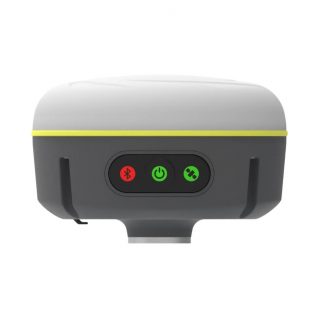
The K300 Pocket IMU RTK is a new version GNSS receiver that supports full constellation and full frequency solutions.
-
 Contact Us
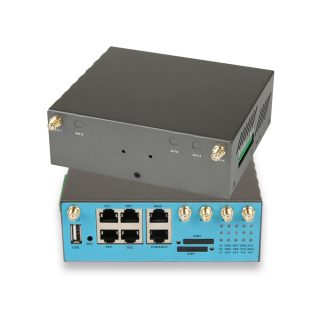
Companies like E-Lins Technology, with extensive manufacturing heritage, proprietary technical development, and proven carrier-grade deployment records.
-
 Contact Us
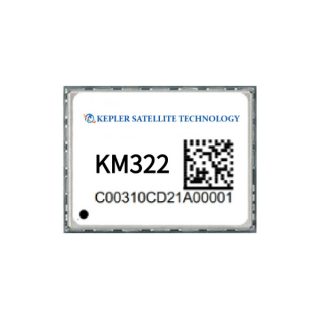
The KM322 is a high-precision GNSS positioning and orientation module developed by Kepler.
Reviews
There are no reviews yet.