
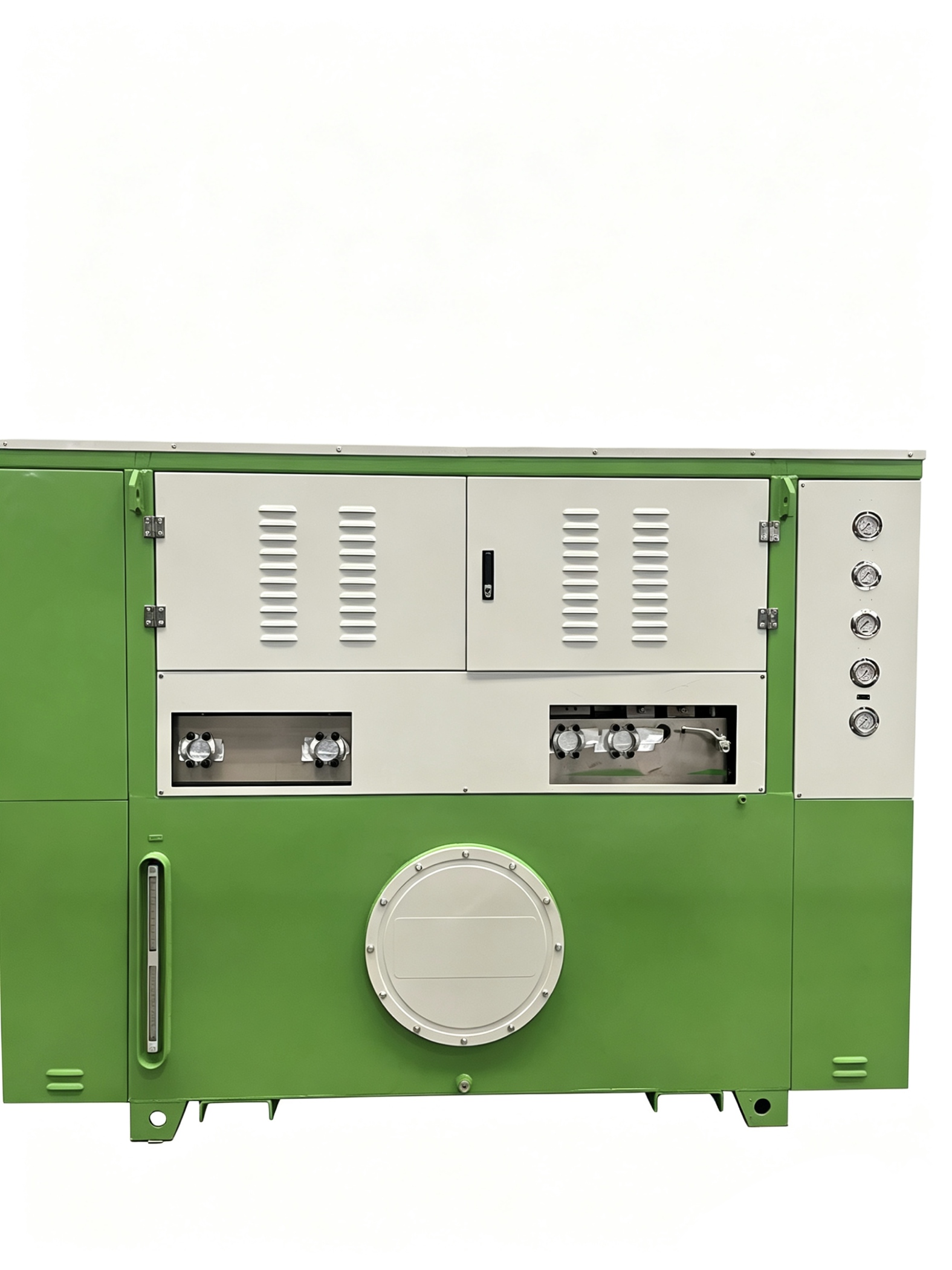
MARINE SUPPORTING HYDRAULIC SYSTEM
this marine supporting hydraulic system is tailor‑made for offshore operation scenarios such as marine deck machinery, hatch opening and closing, steering gear assistance, and mooring equipment. it adopts marine‑grade protection design to adapt to harsh marine working conditions with high salt spray, strong vibration and large temperature differences.
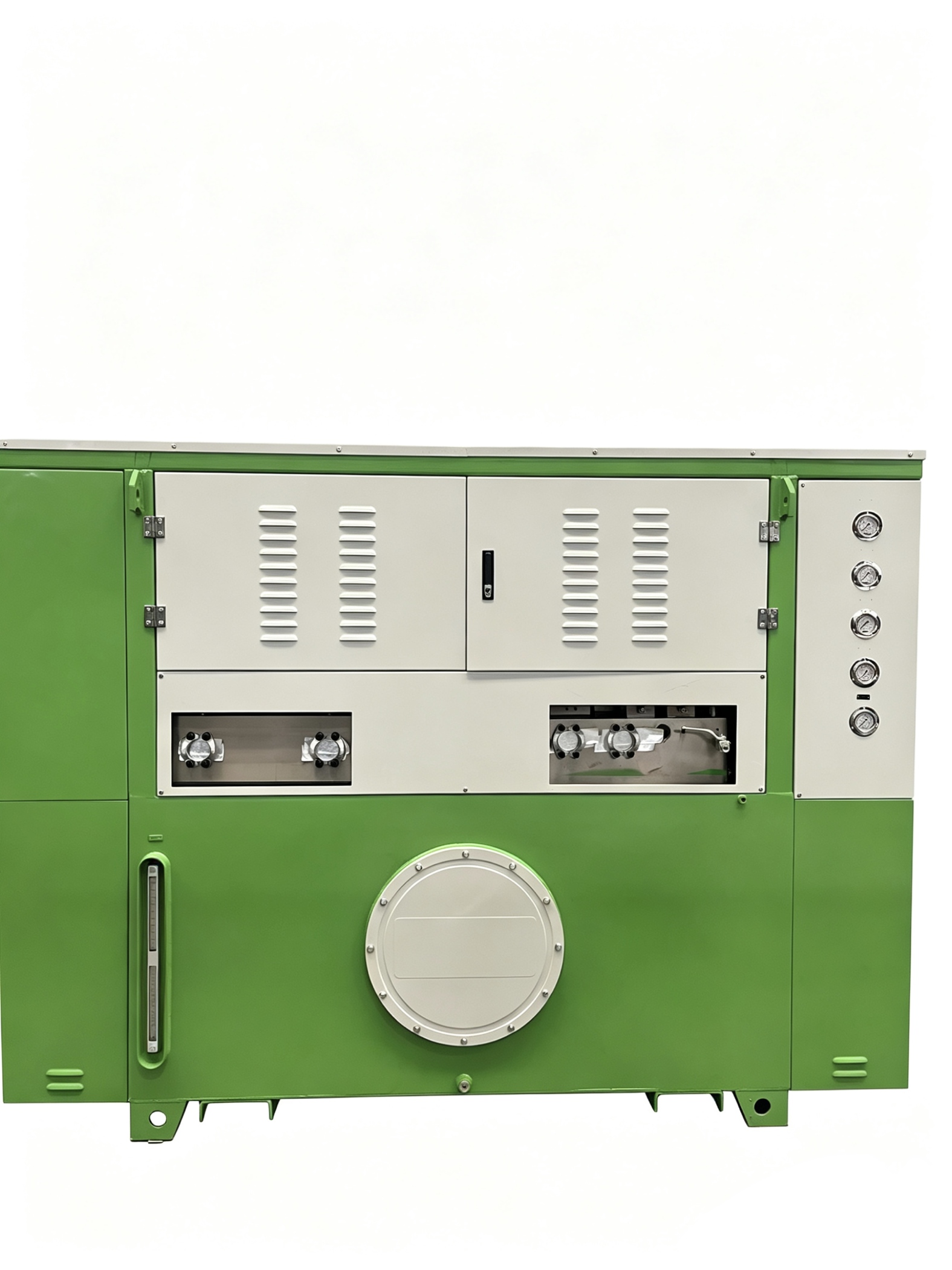
it features an integrated cabinet‑type structure with compact layout and high protection level. equipped with precision pressure monitoring gauges and modular hydraulic valve groups, it delivers stable pressure output and sensitive response to accurately drive various marine actuators. built‑in efficient heat dissipation and noise reduction structures ensure stable operation and strong anti‑interference capability, effectively reducing failure rates during offshore operations.
all core components are made of marine‑certified accessories with excellent corrosion resistance, impact resistance and long service life. customized pressure, flow and interface solutions are available to meet the supporting demands of different ship tonnages and equipment, providing safe, reliable and efficient hydraulic power guarantee for ship navigation and operation.
Marine vessels rely on hydraulic systems to operate essential equipment, including hatch covers, anchor winches, mooring winches, deck cranes, and other deck machinery. These applications require stable power output, responsive control, and reliable operation under demanding offshore conditions.
Unlike hydraulic systems used in many land-based environments, marine hydraulic equipment must contend with salt spray, high humidity, continuous vibration, temperature fluctuations, and limited installation space. Selecting an appropriate hydraulic power unit therefore requires careful consideration of structural protection, component reliability, heat dissipation, and maintenance accessibility.
A marine supporting hydraulic system is an integrated hydraulic power unit designed to provide hydraulic drive and control for equipment installed on ships and other marine platforms. Kinyuen Hydraulic offers customized marine hydraulic system solutions to accommodate different equipment requirements, installation conditions, and operating parameters.
1. What Is a Marine Supporting Hydraulic System?
A marine supporting hydraulic system converts mechanical energy into hydraulic energy and distributes pressurized fluid to connected actuators. Depending on the configuration, the system may include hydraulic pumps, an electric motor or other prime mover, an oil reservoir, control valves, pressure gauges, pipelines, filtration components, and safety devices.
These components work together to generate hydraulic pressure, regulate fluid flow, and control the movement of connected equipment.
For shipboard applications, the system must be matched to the operating requirements of the machinery it serves. Pressure, flow rate, duty cycle, actuator characteristics, and control response all influence the final configuration.
An appropriately designed marine hydraulic power unit can support equipment requiring lifting, positioning, rotation, tensioning, or other controlled mechanical movement.
2. Key Design Features of Marine Hydraulic Power Units
2.1 Compact Cabinet-Type Structure
Space is often limited in ship engine rooms, machinery compartments, and deck equipment areas. A compact, cabinet-type hydraulic power unit can help organize hydraulic components within a defined footprint and simplify integration with surrounding equipment.
The enclosed structure also provides a practical arrangement for mounting components, routing pipelines, and organizing monitoring instruments.
For marine installations, enclosure design should account for the actual exposure conditions. Protective coatings, suitable enclosure materials, corrosion-resistant fasteners, and properly selected seals can help reduce the effects of salt spray and moisture.
The required protection level should be determined according to the installation location, ventilation needs, ambient conditions, and applicable project specifications.
2.2 Corrosion and Environmental Protection
Salt-laden air and seawater exposure can accelerate corrosion of metal surfaces, fittings, and electrical connections. Vibration and vessel movement introduce additional mechanical stresses that may affect component mounting and pipeline connections.
A marine hydraulic system should therefore be designed with environmental protection in mind.
Relevant considerations include:
-
Marine-suitable protective coatings and materials
-
Corrosion-resistant hydraulic fittings and fasteners
-
Appropriate sealing and moisture protection
-
Secure mounting of pumps, valves, and instruments
-
Pipeline support designed for vessel vibration
-
Protection against temperature and humidity variations
These measures help improve equipment suitability for offshore service. The actual protection performance depends on the materials, coating system, component specifications, and installation conditions selected for the project.
2.3 Clear Monitoring and Maintenance Layout
Hydraulic pressure monitoring is important for assessing operating conditions and identifying potential abnormalities. Kinyuen's described system incorporates multiple pressure gauges to make key pressure readings visible to operators.
A clearly arranged modular hydraulic valve group can also help technicians access components during inspection, adjustment, and servicing.
Depending on the application, additional monitoring may include oil temperature, fluid level, filter condition, or other operating parameters. These features should be specified according to the system's control requirements and maintenance strategy.
For vessels operating far from shore-based support, a practical maintenance layout can help reduce inspection complexity and improve troubleshooting efficiency.
3. Stable Hydraulic Power and Precise Control
Marine equipment often requires more than a simple supply of hydraulic pressure. Different operations may demand controlled starting and stopping, adjustable movement speed, directional changes, and reliable responses to changing loads.
The hydraulic power unit must be configured to deliver the pressure and flow required by the connected machinery.
Pressure determines the force or torque that a hydraulic actuator can produce, while flow rate influences its movement speed. Both parameters must be considered together when selecting pumps, valves, actuators, and associated components.
For example, a hatch-cover mechanism may require sufficient hydraulic force to move the cover through its operating range. A mooring winch may require a different combination of flow, pressure, and control characteristics to handle its intended operating loads.
Proper system matching helps prevent problems such as inadequate actuator speed, excessive pressure loss, unstable movement, and unnecessary energy consumption.
Actual performance depends on the selected hydraulic components, circuit design, control method, and load profile. Engineering calculations and equipment-specific requirements should guide the final selection.
4. Heat Dissipation, Noise, and Continuous Operation
Hydraulic systems generate heat through fluid compression, pressure losses, throttling, mechanical friction, and other sources of energy loss. If heat is not removed effectively, excessive oil temperature can affect fluid properties, seal life, lubrication, and overall system performance.
A marine hydraulic power unit should therefore include a cooling arrangement suitable for its operating environment and duty cycle.
Depending on the application, this may involve an appropriately sized heat exchanger, an oil cooler, or another cooling configuration. Selection should account for expected ambient temperature, available cooling media, heat load, and installation space.
Noise and vibration also require attention. Pump selection, mounting design, pipeline routing, and vibration isolation can influence the operating noise transmitted through the vessel structure.
For equipment expected to operate for extended periods, these considerations should be evaluated during system design rather than treated as secondary installation details.
The goal is to maintain suitable operating conditions and support reliable service within the manufacturer's specified limits.
5. Common Applications on Marine Vessels
Marine hydraulic systems are used across a wide range of vessel types and offshore applications. The appropriate configuration depends on the machinery being operated and the vessel's operating requirements.
Hatch Cover Opening and Closing
Hydraulic power units can supply the pressure and flow required by hatch-cover cylinders or other hydraulic mechanisms. The system must be sized according to the cover arrangement, movement sequence, load requirements, and operating cycle.
Anchor and Mooring Winches
Anchor winches and mooring winches may use hydraulic drives for controlled pulling, lowering, and positioning operations. System design should consider the required torque, speed range, load characteristics, and control functions.
Deck Cranes and Handling Equipment
Hydraulic power can support lifting, slewing, and other crane movements where the equipment is designed for hydraulic operation. The power unit must match the crane's actuator requirements and control architecture.
Steering Gear Auxiliary Systems
Some steering arrangements use hydraulic power and control components as part of their operating or auxiliary systems. Because steering is safety-critical, system integration must follow the vessel's approved design and applicable marine requirements.
Engineering Vessels and Offshore Platforms
Engineering ships and offshore platforms may use hydraulic equipment for specialized lifting, positioning, handling, and other operations. These applications can require tailored pressure ratings, flow characteristics, mounting arrangements, and environmental protection.
Bulk carriers, container ships, fishing vessels, yachts, and other marine platforms may also require customized hydraulic support, depending on their installed equipment.
6. How to Select the Right Marine Hydraulic System
Selecting a marine hydraulic power unit begins with understanding the equipment it must operate. A generic unit may not provide the correct pressure, flow, control response, or physical configuration for every application.
Before requesting a quotation, buyers and engineering teams should confirm the following factors.
Operating pressure and flow rate: Identify the required working pressure, peak pressure, and flow demand for the connected actuators or hydraulic motors.
Duty cycle: Determine whether the system will operate intermittently, frequently, or continuously. Duty cycle affects pump selection, motor sizing, cooling requirements, and component life.
Installation dimensions: Confirm the available mounting space, access clearances, connection locations, and pipeline routing.
Environmental conditions: Specify exposure to salt spray, humidity, temperature extremes, vibration, and any other relevant marine conditions.
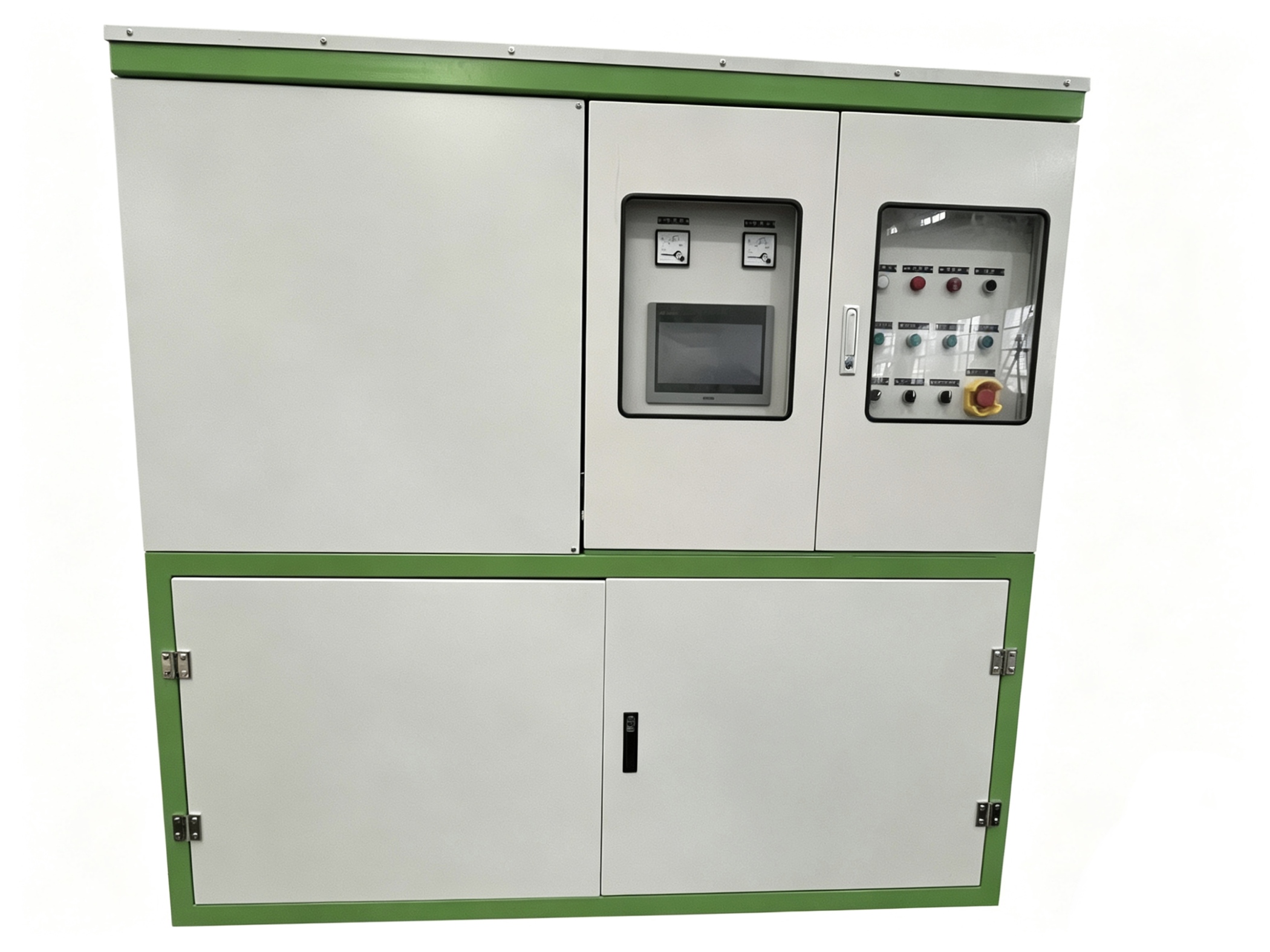
Control requirements: Define whether the equipment requires manual, electrical, proportional, automatic, or remotely controlled operation.
Safety and certification: Identify the applicable vessel requirements, classification society rules, and project-specific certification needs. Any required certification should be confirmed for the actual system and configuration.
Maintenance access: Consider the availability of replacement parts, inspection access, fluid sampling, filter replacement, and service procedures.
Providing this information early helps the manufacturer develop a more suitable hydraulic circuit and reduces the risk of costly changes after production.
7. Customization for Different Marine Applications
Marine equipment varies considerably in terms of load, operating speed, control logic, installation space, and environmental exposure. Customization can help align the hydraulic power unit with the requirements of a specific vessel or machine.
Kinyuen Hydraulic describes customized solutions covering pressure grades, flow parameters, interface specifications, installation dimensions, and explosion-proof configurations where required.
A project may also need a tailored valve arrangement, different monitoring instruments, a specific cooling solution, or modifications to suit an existing hydraulic circuit.
When replacing or upgrading an existing unit, the engineering team should review the original hydraulic schematic, component specifications, operating sequence, and physical interfaces. A replacement system should not be selected on pressure and flow alone, because control logic and actuator compatibility may also affect operation.
For projects with classification or certification requirements, the intended configuration and documentation should be reviewed before manufacturing begins.
8. Maintenance Considerations for Marine Hydraulic Systems
Preventive maintenance is essential for hydraulic equipment operating in demanding marine environments. A structured maintenance program can help identify developing problems before they result in equipment downtime.
Recommended checks may include:
-
Inspecting hydraulic pipelines, fittings, and seals for leaks
-
Monitoring operating pressure and oil temperature
-
Checking oil condition and contamination levels
-
Inspecting filters and replacing them according to the maintenance schedule
-
Examining protective coatings for corrosion or damage
-
Checking mounting bolts and supports for signs of loosening
-
Confirming that gauges and control devices function correctly
Maintenance intervals should follow the manufacturer's instructions and account for actual operating conditions. Any abnormal noise, pressure fluctuation, overheating, leakage, or unexpected actuator movement should be investigated before continued operation creates further risk.
Suitable fluid selection, contamination control, and correct installation practices are especially important for maintaining hydraulic performance over time.
Conclusion
A marine supporting hydraulic system is an important part of the power and control architecture for shipboard machinery. Its performance depends on appropriate hydraulic sizing, reliable components, environmental protection, effective cooling, and a configuration that matches the connected equipment.
For marine applications involving hatch covers, winches, deck machinery, steering-related auxiliary systems, and offshore equipment, selecting a suitable hydraulic power unit requires a detailed understanding of operating loads and installation conditions.
Kinyuen Hydraulic provides customized marine hydraulic system solutions designed around application-specific pressure, flow, interface, and layout requirements. Project teams can review the marine supporting hydraulic system and discuss their equipment requirements with the manufacturer to determine an appropriate configuration.
A well-specified system, supported by suitable installation practices and preventive maintenance, can help marine operators manage hydraulic equipment more effectively throughout its intended service life.
Related products
-
 Contact Us
1.6523 Cold Drawn Bar Cold Drawn Bar Alloy Steel Round Bar/Flat Bar/Steel Block/Round Bar
-
 Contact Us
High speed optimization Timber cutting optimizing Cross-cut saw and precision cutting
Automation production line. -
 Contact Us
Our Printing Machine is a high-quality printing device that is designed to meet the printing needs of various industries. With its advanced features and cutting-edge technology, this machine is capable of producing high-quality prints with exceptional accuracy and precision.Our Printing Machine is a high-quality printing device that is designed to meet the
-
 Contact Us
The reverse osmosis equipment passes the raw water through fine filters, granular activated carbon filters, compressed activated carbon filters, etc., and then pressurizes it through a pump, using a p
-
 Contact Us
This is multifunctional small plastic pelletizing line. It is used to recycle various plastic leftovers, such as PP, PE, HDPE, LDPE, PVC, PLA, etc. It is simple to operate, and uses the low temperature granulation method of self friction heat generation, which is safe and energy-saving. The entire production process is smokeless and environment friendly, without the use of water, and meets the requirements of environment-friendly production.
Reviews
There are no reviews yet.